Beating Load Shedding Challenges
In the prestigious neighborhoods of Ferndale and Cresta, maintaining pristine lawns has become increasingly challenging due to South Africa’s ongoing water restrictions and persistent load shedding issues. Homeowners in these sought-after areas are discovering that traditional lawn care methods are no longer sustainable, leading many to explore innovative solutions that combine water efficiency with power independence. The answer lies in strategic water-efficient irrigation systems paired with modern artificial grass alternatives that eliminate the constant battle against utility disruptions.
The Reality of Load Shedding Impact on Traditional Lawn Care
Load shedding has fundamentally changed how South African homeowners approach garden maintenance, particularly in affluent areas like Ferndale and Cresta where property aesthetics significantly impact home values. Traditional electric irrigation systems become completely ineffective during power outages, leaving natural lawns vulnerable to drought stress and potential permanent damage. The unpredictable nature of load shedding schedules makes it nearly impossible to maintain consistent watering routines, resulting in patchy, discolored lawns that detract from property appeal.
The financial implications extend beyond mere aesthetic concerns. Homeowners often find themselves investing in backup power solutions like generators or inverters specifically to maintain their irrigation systems, adding substantial costs to already expensive lawn maintenance budgets. Moreover, the stress on municipal water systems during peak demand periods, often coinciding with load shedding recovery, creates additional pressure on water-dependent landscaping solutions.
This scenario has prompted forward-thinking homeowners to reconsider their approach to lawn care, seeking solutions that provide consistency regardless of power availability while addressing water conservation concerns simultaneously.
Understanding Water-Efficient Irrigation Systems
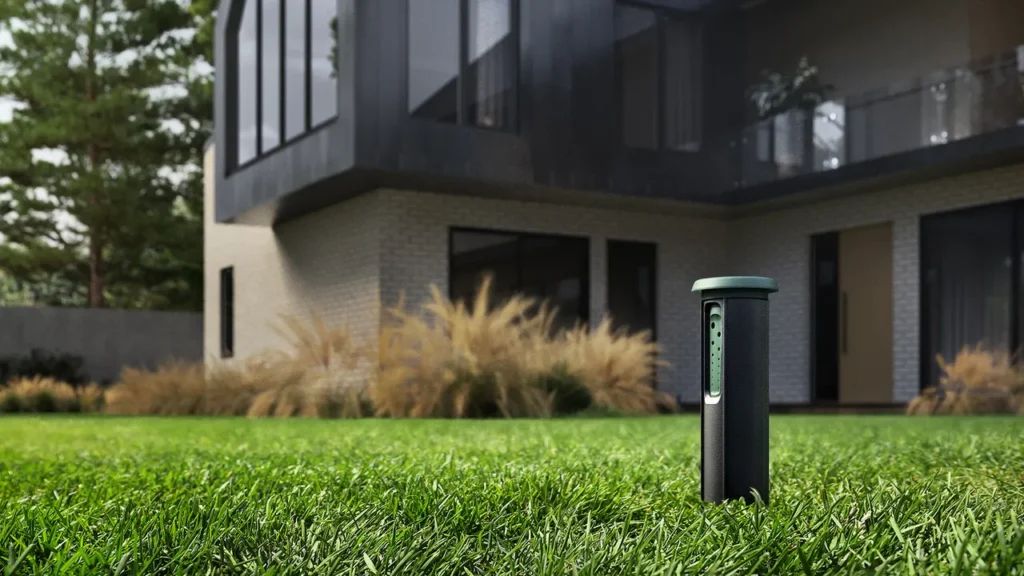
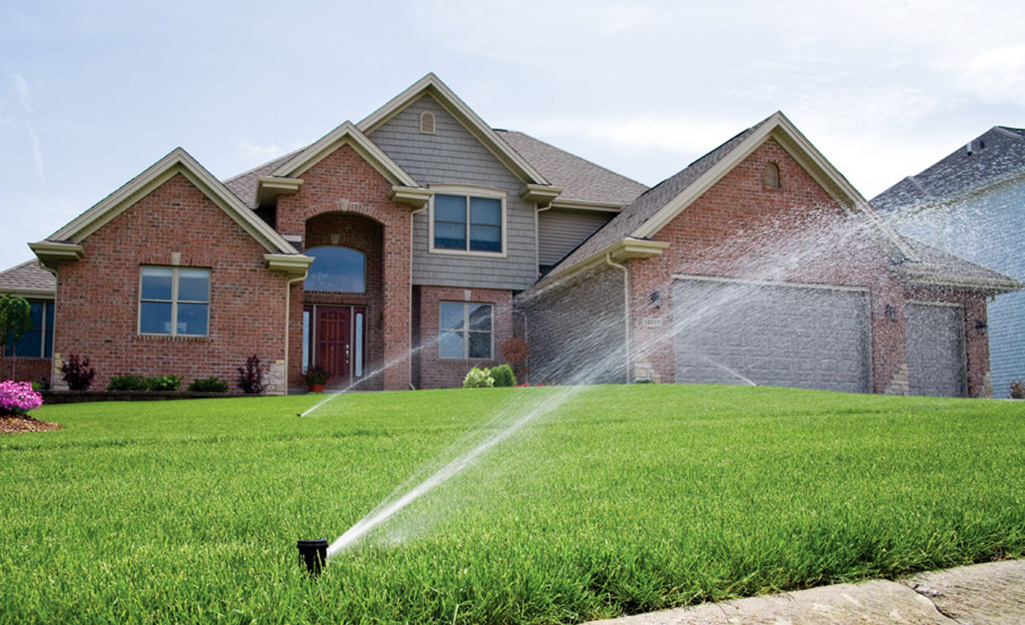
Modern water-efficient irrigation systems represent a significant advancement from traditional sprinkler setups, incorporating smart technology and precision delivery methods that maximize water utilization while minimizing waste. Research from MIT’s Tata Center demonstrates that drip irrigation can reduce water consumption by 20-40% while increasing crop yield by 20-50% compared to traditional flood irrigation methods. These systems typically feature drip irrigation components, moisture sensors, and programmable timers that can operate independently of constant power supply when properly configured.
The core principle behind these systems involves delivering water directly to root zones rather than broadcasting it across entire lawn surfaces, reducing evaporation losses and ensuring more efficient absorption. Smart controllers can adjust watering schedules based on weather conditions, soil moisture levels, and seasonal requirements, automatically optimizing water usage without requiring homeowner intervention.
For properties in Ferndale and Cresta, where landscaping standards are particularly high, these systems can be designed to accommodate both natural and artificial grass installations, providing flexibility for homeowners who choose hybrid landscaping approaches. The integration of battery backup systems or solar power components ensures continued operation during load shedding periods, maintaining lawn health regardless of municipal power availability.
The Manual Home Irrigation System Advantage
Manual home irrigation systems offer unique advantages that make them particularly suitable for South African conditions, especially in areas experiencing frequent load shedding. These systems operate independently of electrical power, relying instead on gravity feed, manual valves, and strategic water storage solutions that ensure consistent water availability regardless of utility disruptions.
The primary benefit of manual systems lies in their reliability and simplicity. Without electronic components that can fail during power surges or load shedding events, these systems provide consistent performance that homeowners can depend on. Manual systems also allow for immediate response to changing weather conditions or specific lawn needs without waiting for automated systems to cycle through predetermined schedules.
Cost-effectiveness represents another significant advantage, as manual systems require lower initial investment and minimal ongoing maintenance compared to sophisticated electronic alternatives. For properties where full lawn automation isn’t necessary or desired, manual systems provide excellent water efficiency while maintaining complete homeowner control over irrigation timing and duration.
The versatility of manual systems makes them particularly suitable for properties considering transitions to artificial grass solutions where minimal irrigation requirements align perfectly with simplified manual control systems.
Combining Artificial Grass with Smart Irrigation
The integration of artificial grass with strategically designed irrigation systems creates the ultimate solution for Ferndale and Cresta homeowners seeking to eliminate load shedding impacts while maintaining pristine landscapes. Modern artificial grass installations require minimal water input, primarily for cleaning and cooling purposes, dramatically reducing overall irrigation demands.
Professional artificial turf installations incorporate proper drainage systems that work seamlessly with simplified irrigation setups, ensuring optimal performance without the complexity of traditional lawn watering systems. The reduced water requirements allow homeowners to implement smaller, more efficient irrigation systems that can easily operate on backup power during load shedding periods.
This combination approach proves particularly effective for properties with mixed landscaping, where natural plants and flower beds require continued irrigation while artificial grass areas provide maintenance-free lawn coverage. The comprehensive service approach ensures proper integration between artificial grass installations and existing or new irrigation infrastructure.
Water Conservation Benefits for Premium Neighborhoods
Water conservation has become a critical consideration for responsible homeowners in prestigious areas like Ferndale and Cresta, where community standards emphasize environmental consciousness alongside aesthetic appeal. Efficient irrigation systems combined with water-wise landscaping solutions can reduce household water consumption by up to 60% compared to traditional lawn maintenance approaches. According to comprehensive research published in the Review of Environmental Economics and Policy, advanced irrigation technologies represent significant water conservation opportunities, particularly in water-scarce regions where farming accounts for approximately 70% of freshwater withdrawals worldwide.
The environmental benefits extend beyond individual property savings, contributing to broader community water conservation efforts that help stabilize municipal water supplies during drought periods. Properties that demonstrate water efficiency often achieve higher market values, as environmentally conscious buyers increasingly prioritize sustainable features when evaluating homes in premium neighborhoods.
Professional irrigation services can design systems that maximize water conservation while maintaining the high aesthetic standards expected in these communities. The integration of water-efficient technologies with artificial grass solutions creates landscapes that require minimal ongoing water input while providing year-round visual appeal.
Professional Installation and Maintenance Considerations
Successful implementation of water-efficient irrigation systems requires professional expertise to ensure optimal performance and longevity, particularly when integrating with artificial grass installations or existing landscaping features. Professional installers understand the specific requirements of Ferndale and Cresta properties, including soil conditions, drainage patterns, and local water pressure variations that affect system performance.
The installation process typically involves comprehensive site assessment, soil analysis, and drainage evaluation to determine the most effective irrigation approach for each property’s unique characteristics. Professional drainage system installation ensures proper water management that prevents pooling or runoff issues while maximizing irrigation efficiency.
Ongoing maintenance requirements for these systems remain minimal compared to traditional lawn care, particularly when combined with artificial grass solutions that eliminate fertilization, pesticide application, and frequent watering needs. Regular system checks and seasonal adjustments ensure continued optimal performance throughout varying weather conditions.
Cost Analysis and Return on Investment
The financial benefits of water-efficient irrigation systems become apparent when considering both immediate savings and long-term value enhancement for properties in premium neighborhoods. Initial installation costs are typically offset within two to three years through reduced water bills, eliminated lawn care service expenses, and decreased maintenance requirements.
Properties featuring artificial grass installations with efficient irrigation systems often see immediate increases in market value, as buyers recognize the long-term cost savings and reduced maintenance burden. The elimination of ongoing fertilizer, pesticide, and frequent watering costs creates substantial annual savings that compound over time.
Insurance benefits may also apply, as properties with reduced fire risk from drought-resistant landscaping and efficient water management systems may qualify for premium reductions in areas prone to veld fires or water restrictions.
Future-Proofing Your Landscape Investment
Investing in water-efficient irrigation systems represents a strategic approach to future-proofing property investments against escalating utility challenges and environmental restrictions. As water costs continue rising and load shedding persists, properties with efficient, power-independent irrigation systems maintain competitive advantages in the luxury housing market.
The adaptability of modern irrigation systems allows for easy integration with emerging technologies, including solar power systems, smart home automation, and advanced weather monitoring capabilities. This flexibility ensures that initial investments remain relevant and valuable as technology continues evolving.
Climate change considerations make water-efficient landscaping increasingly important for maintaining property values in areas like Ferndale and Cresta, where extreme weather events and prolonged drought periods are becoming more common. Properties equipped with resilient irrigation systems and drought-resistant landscaping solutions are better positioned to maintain their aesthetic appeal and market value regardless of environmental challenges.
The combination of professional artificial grass installation with strategically designed irrigation systems creates landscapes that provide consistent beauty, minimal maintenance requirements, and substantial cost savings while supporting environmental conservation efforts. For discerning homeowners in Ferndale and Cresta, this approach represents the optimal balance of luxury, sustainability, and practical functionality in modern landscape design.
Recent Posts:
- Best Instant Lawn Solutions for Large Properties in Randpark Ridge and Northcliff
- How Much Does Installing an Automatic Irrigation System Cost in Blairgowrie and Bordeaux South?
- How Weather-Proof is Fake Grass?
- How hot does Fake Grass get in Randburg summer time?
- Instant Lawn vs Fake Grass in Johannesburg