Eco-Friendly Hockey Courts for Hazyview Game Farms
When you’re managing a game farm in Hazyview and looking to add a surface for field hockey, you might ask: can you build an eco-friendly hockey court? The short answer: yes — and it can be done elegantly with the help of a sports-turf specialist like LawnKing Gardens who services Randburg, Midrand, and beyond.
Why consider an eco-friendly hockey court at your game farm?
There are several compelling reasons. First, a dedicated hockey court expands the recreational and team-building opportunities you can offer on your game farm. Second, building it eco-friendly aligns with sustainable land-use, wildlife conservation and the image of a high-value tourism or retreat venue. Third, by choosing quality artificial grass sports turf you minimise water usage, reduce maintenance, and avoid damage to natural grass in high-traffic play.
When you use LawnKing Gardens’ artificial turf sports surfaces like the ones described on their “Artificial Turf Hockey Fields” page, you gain a surface built for performance and durability. Lawn King
Importantly, game-farm settings such as Hazyview often mean warm climate, variable rainfall and wildlife environment. Natural grass hockey pitches may struggle under drought, heavy use and wildlife traffic. An eco-friendly synthetic surface offers a viable alternative.
What makes an artificial hockey court eco-friendly?
Sustainable materials & water savings
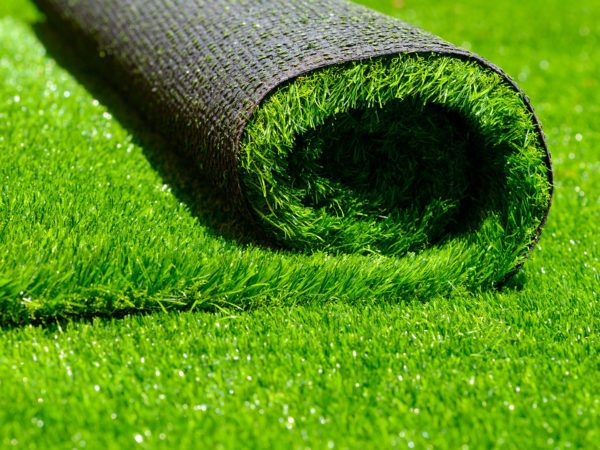
Using artificial turf means you eliminate the need for irrigation, mowing or fertilising as you would with a natural grass surface. LawnKing mentions that their turf is “environmentally friendly, free of lead & cadmium.” Lawn King+1 Additionally their “25mm Artificial Grass” page states:
“Unlike natural grass, it does not require watering, mowing, or fertilizing, making it an eco-friendly and cost-effective option.” Lawn King
These features reduce water consumption — critical for the Hazyview region which may have water-restriction concerns.
Performance and durability
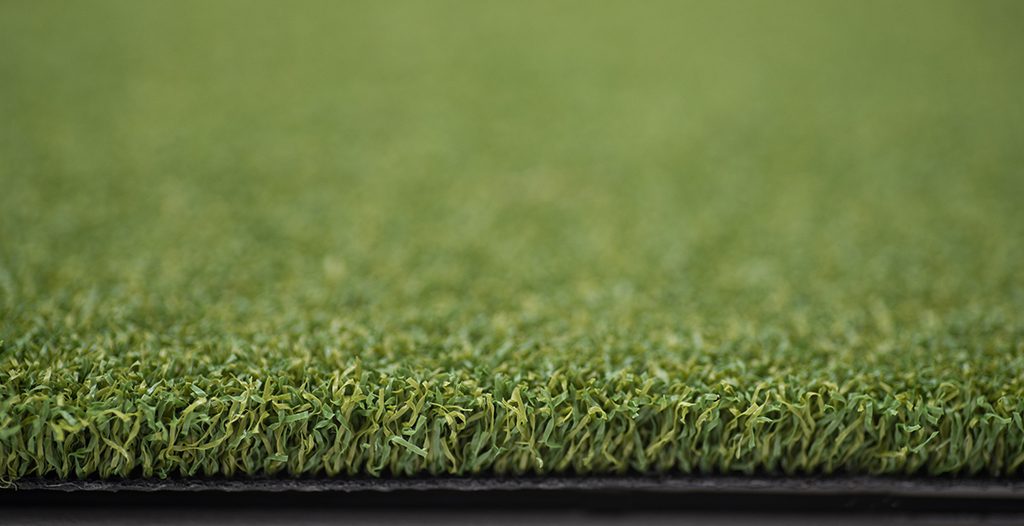
For a hockey surface, you need consistent ball bounce, minimal slip, good drainage and a level base. LawnKing’s “Perfect Artificial Turf Height for Hockey Pitches” article addresses selecting the right pile height for hockey. Lawn King By getting that right you avoid frequent repairs or replacements — another sustainable outcome.
Recycling & end-of-life thinking
Eco-friendly isn’t just in the use-phase. The question of what happens when the turf reaches end-of-life matters. LawnKing explore “Can Artificial Turf Be Recycled?” on their website, noting that “the different materials used … need to be separated for effective recycling” and it can be labour intensive. Lawn King
Thus, in your planning you should ask for turf systems where components are recyclable or reuse-friendly.
Consideration of environmental trade-offs
It’s prudent to recognise that artificial turf also presents environmental trade-offs. Global reviews point out issues with microplastics, heat retention, chemical leaching and higher surface temperatures compared to natural grass.
For instance:
“Artificial turf temperatures measured … were 182 % higher than temperatures on the natural grass field.”
So the “eco-friendly” claim must be balanced: you get water savings and low maintenance, but you must manage heat, runoff and lifecycle impacts.
Building the hockey court at your game farm – step by step
Site selection & preparation
Begin by identifying a level area on your game farm in Hazyview. The ground should have proper drainage or be prepared to allow for subsurface drainage. Because you’ll likely be within a game-farm environment, ensure the site is away from high animal traffic or natural erosion zones.
Undertake site clearance, remove top soil, grade and compact. Set the finished surface slope at minimal incline to maintain drainage but avoid excessive grades that hinder play. At LawnKing they handle “site clearance” and sports-surface installation as part of their service. Lawn King
Base construction
A high-quality hockey court needs a stable engineered base (crushed stone, sand, geotextile, drainage layer). The quality of the base influences longevity and surface consistency. For eco-friendly credentials, select a construction method that minimises disruption, uses locally-sourced material and incorporates permeable drainage.
Turf selection & installation
Here are key choices:
-
Select turf with the correct pile height for hockey. LawnKing’s recommendation for “the perfect artificial turf height for hockey pitches” is worth consulting. Lawn King
-
Choose infill and backing materials that are free from heavy-metals (LawnKing states products are free of lead & cadmium). Lawn King
-
Ensure turf has water-permeable backing (LawnKing’s 25 mm turf product notes drainage holes). Lawn King
-
During installation ensure seams are professionally joined and edge terminations are secure to avoid infiltration by wildlife or animals.
Glazing & wildlife considerations
On a game farm you may have wildlife presence (antelopes, birds, small mammals) and natural vegetation. Protect the court edges using signage or low fencing if needed, and ensure turf edges do not become hiding places for small animals, or cause injury.
Drainage & storm-water management
Given rainfall variability at Hazyview, you should implement drainage design that handles intense downpours. Since artificial turf tends to shed water faster than natural turf, you should verify the base drains into suitable soak-away or swale systems. Proper planning ensures no runoff damage or erosion downslope.
Heat and comfort mitigation
As synthetic surfaces can heat up more than natural grass, you should incorporate mitigation measures:
-
Consider lighter-colour turf if available (reflects more sunlight).
-
Ensure shading (trees or structures) if possible in afternoon.
-
Provide water-mist or cooling breaks during hot days for player safety.
-
Use turf with shock-pad layer or infill that reduces surface temperature as part of the specification.
Maintenance & lifecycle planning
Although artificial tennis courts require far less maintenance than natural grass, you still need: occasional cleaning of debris, brushing turf pile upright, checking seams, irrigation rinse (if needed for dust/heat). LawnKing’s maintenance recommendations for their turf note these points. Lawn King
You should also budget for replacement or refurbishment in 10-15 years, and specify disposal or recycling of old turf.
Eco-marketing & promotional angles for your game farm
Once built, you can leverage your eco-friendly hockey court feature in your marketing:
-
Highlight water-savings: “No irrigation needed for our hockey court – perfect for game-farm terrain and conservation-minded guests.”
-
Promote all-weather reliability: Artificial turf means guests can play year-round regardless of rainfall or drought.
-
Emphasise sustainability: Mention you selected recycled-content or low-chemical turf, and ensured drainage integrates with existing habitat.
-
Position as multi-use: Your hockey court can also serve as a team-building zone, children’s activity area, or wildlife observation platform in low-impact mode.
-
Link the feature into your broader eco-credentials: If your game farm emphasises conservation, minimal chemical landscaping, or low-impact tourism, tie in the artificial turf installation as part of your sustainable landscape.
Why choose LawnKing Gardens (Randburg / Midrand) for your project?
-
LawnKing clearly offers sports-surface expertise with a dedicated category for artificial turf hockey fields. Lawn King
-
They promote environmentally friendly artificial grass in their Randburg and Midrand service area. Lawn King+1
-
Their product portfolio includes pile-height choices, sports applications and warranties (e.g., 25 mm product with 8-year warranty). Lawn King
-
They service commercial and private installations, include site-clearance and full installation services (from their “Instant Lawn & Artificial Turf Specialists in Randburg” page). Lawn King
-
They emphasise eco-friendly credentials (“free of lead & cadmium”) which align with your sustainability narrative. Lawn King
By partnering with a specialised provider you reduce risk—important when you’re investing in a substantial sports surface at a game farm.
Key considerations & risk mitigation
-
Budget realistically: The initial cost of artificial turf plus base works is higher than natural grass, though lower maintenance offsets this.
-
Surface heat: As discussed, synthetic surfaces can have higher surface temperatures — with implications for user safety. Use shading and cooling strategies.
-
End-of-life disposal: Insist on turf systems that offer recycling or reuse options, to truly support eco-friendly claims.
-
Biodiversity impact: Artificial surfaces reduce habitat value compared to natural grass; if you’re promoting a game-farm environment, balance usage zones (some natural habitat, some recreational surface).
-
Wildlife interaction: On a game farm, runs of wildlife or small animals may cross or access the court—secure fencing, netting or low barriers may be needed.
-
Regulatory & planning compliance: Ensure local zoning, land-use and environmental-impact assessments are addressed.
-
Drainage alignment with broader site hydrology: Storm-water runoff must not impact adjacent habitat or wetlands that you preserve.
Conclusion
Yes—you can build an eco-friendly hockey court at your Hazyview game farm. With thoughtful design, site preparation, quality artificial turf and proper installation, you can offer a high-performance recreation surface that aligns with conservation values. By choosing LawnKing Gardens (Randburg / Midrand) you tap into specialist sports-turf expertise and eco-conscious offerings.
Recent Posts: