Driveway Paver Material Comparison Guide
Choosing the right paving material for your driveway is a big decision. It affects curb appeal, durability, and long-term value. In Randburg and Midrand, more homeowners are investing in quality landscaping. The question is: should you choose concrete, clay, or natural stone pavers?
Each option offers unique benefits. Your choice impacts cost, maintenance, and property value. At LawnKing, we know your driveway is the gateway to your home. Picking the right paver ensures lasting beauty and functionality.
Concrete Pavers: The Versatile Choice
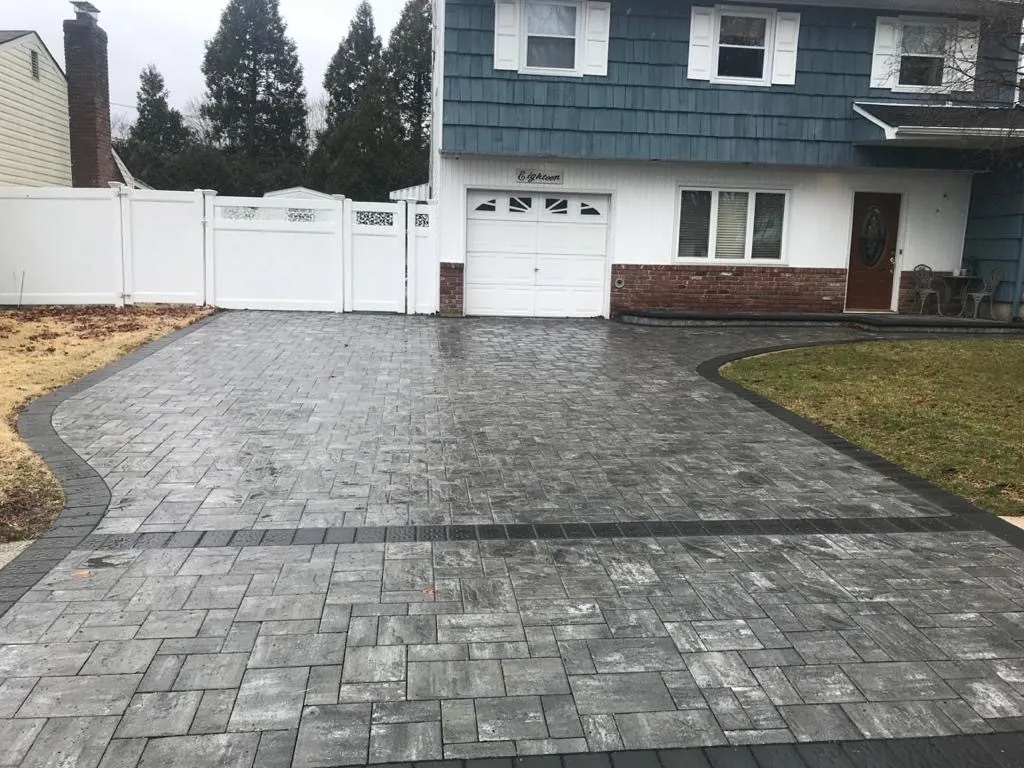
Concrete pavers are popular across South Africa. They are affordable, durable, and highly versatile. Manufacturers can make them look like stone, brick, or even wood. This gives you endless design options at a lower price than natural stone.
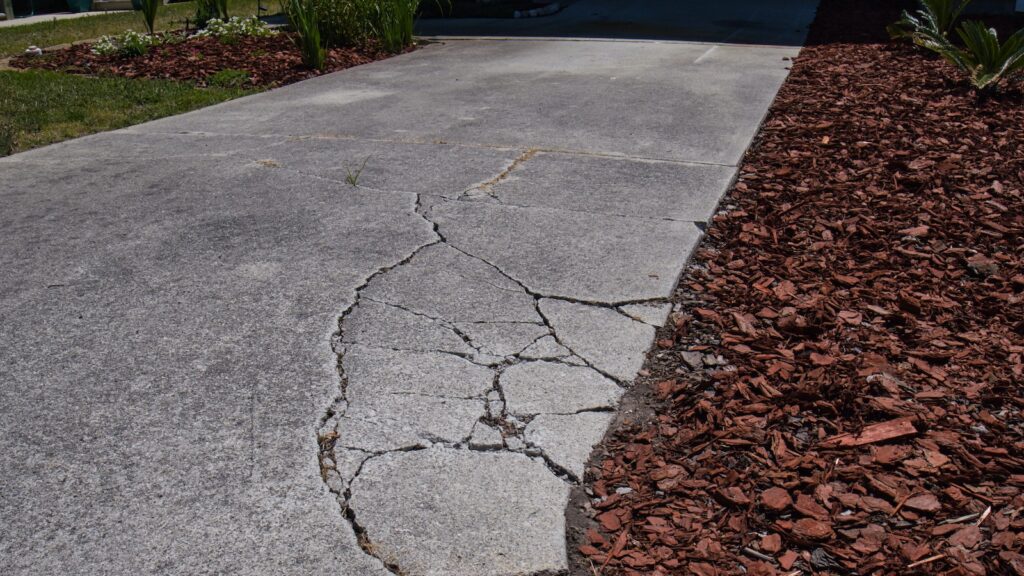
Concrete pavers are strong and uniform. Each piece is manufactured for consistency. Unlike poured concrete, they don’t crack in one slab. If one paver is damaged, you can simply replace it.
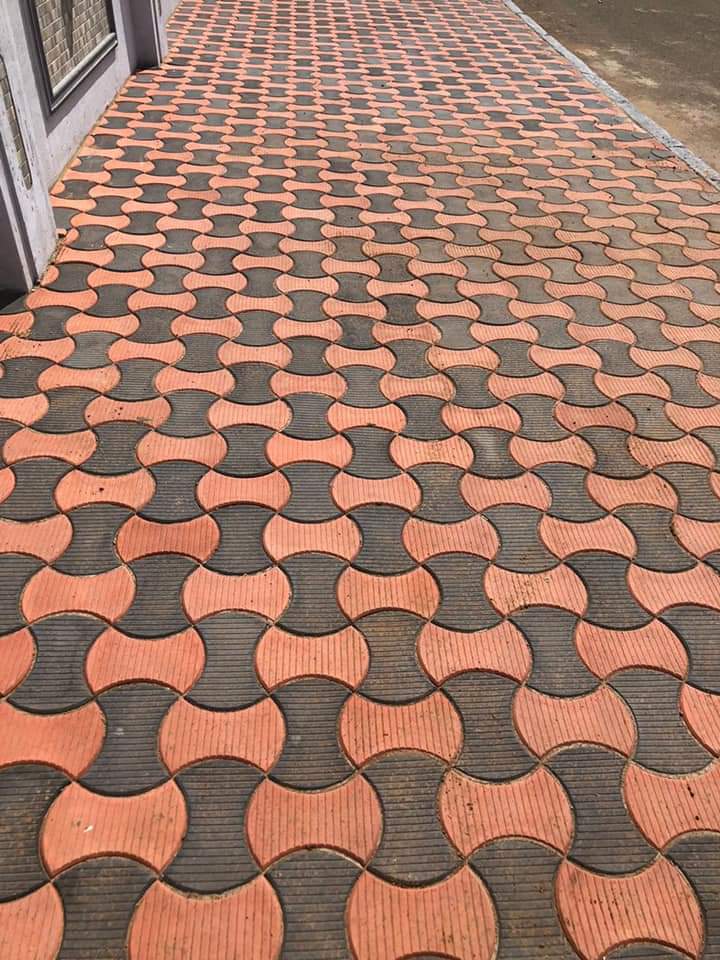
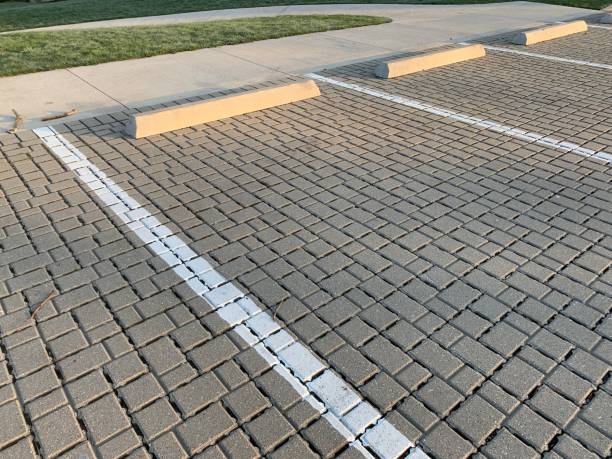
Their interlocking design spreads weight evenly. This makes them ideal for driveways with heavy traffic. When installed properly, concrete pavers last 25–30 years. Maintenance is minimal—occasional cleaning, re-sanding, and sealing.
Clay Pavers: Timeless Beauty and Strength
Clay pavers bring classic charm and outstanding durability. Made from natural clay fired at high heat, they offer warm, rich colors. Each batch has subtle variations, giving your driveway a unique look.
These pavers can last over 50 years with little upkeep. They resist water damage and temperature shifts, making them ideal for Gauteng’s climate. Their slip-resistant surface also makes them safe in wet conditions.
Clay is also eco-friendly. It’s natural, recyclable, and requires less processing than concrete. Maintenance is simple: sweep, wash, and occasionally re-sand the joints. Most don’t need sealing, though some homeowners choose it to protect the color.
Natural Stone Pavers: Luxury and Prestige
Unmatched Beauty
Natural stone pavers are the ultimate luxury option. No two stones are alike. Variations in texture and color create a one-of-a-kind finish. Granite, sandstone, limestone, and travertine are the most popular choices.
Strength and Longevity
Stone is incredibly strong. With proper care, installations can last for centuries. They withstand heavy loads, harsh weather, and still look stunning over time.
Comfort and Drainage
Natural stone stays cooler in summer compared to concrete. It reduces heat buildup around your property. Many stones are porous, allowing water to drain easily and preventing pooling.
Professional Installation
Stone is heavy and irregular. Installation requires expert skills, soil assessment, and proper drainage planning. Professional help is essential to ensure durability.
Value and Care
The initial cost is higher than concrete or clay. But stone offers unmatched elegance and long-term value. Maintenance usually involves sealing and gentle cleaning. When cared for, stone pavers keep their beauty for decades.
Gauteng Climate Considerations
Randburg and Midrand have hot summers, mild winters, and heavy summer rains. Each paver material reacts differently to these conditions.
-
Concrete absorbs heat but reflective finishes help.
-
Clay stays cooler and resists temperature swings.
-
Stone offers the best thermal comfort and drainage.
Proper installation with good drainage ensures all three materials last in local conditions.
Installation and Maintenance
Professional installation is key. A strong base, correct drainage, and proper jointing extend lifespan.
-
Concrete: straightforward but needs precision in spacing and slope.
-
Clay: requires skill to manage small variations in size.
-
Stone: needs the most expertise due to weight and irregularity.
Maintenance is simple: cleaning, re-sanding joints, and sealing (if needed).
Cost and Return on Investment
-
Concrete pavers: most affordable, easy to install, and good long-term value.
-
Clay pavers: cost more upfront but last longer with little upkeep.
-
Natural stone: highest initial cost but unmatched beauty and prestige.
All three add value, but stone brings the biggest boost to resale appeal.
Making the Right Choice
Think about your budget, design preferences, and maintenance expectations.
-
Choose concrete for flexibility and low cost.
-
Pick clay for timeless charm and durability.
-
Invest in stone for luxury and maximum property value.
Match your choice to your home’s style and long-term plans.
Expert Help Matters
Professional installation ensures your pavers last. At LawnKing, we understand soil, drainage, and design. We integrate driveways with your overall landscape, whether you have artificial grass or evergreen lawns.
We also handle technical details like drainage design, utilities, and local regulations. Plus, we guide you on long-term care to protect your investment.
A well-paved driveway adds function, beauty, and value. Whether you choose concrete, clay, or natural stone, expert installation makes the difference.
Sources:
Recent Posts:
-
- Is it Advisable to do DIY for Driveway Paving?
- The Complete Maintenance Regime for Interlocking Paving Bricks: A Comprehensive Guide for Randburg and Midrand Properties
- The Ultimate Guide: Benefits of Using Brick Pavers for Outdoor Spaces in Johannesburg
- Can I Lawn Dress My Kikuyu Grass Using Compost?