Pool Deck Paving Materials Guide
When designing the perfect pool area for your Randburg or Midrand property, selecting the right paving materials for your pool deck is crucial for both aesthetics and longevity. Pool decks face unique challenges that regular outdoor surfaces don’t encounter, particularly exposure to pool chemicals, constant moisture, and high foot traffic. Understanding which paving materials can withstand these demanding conditions while maintaining their beauty will help you make an informed decision that protects your investment for years to come.
The chemistry of pool maintenance creates a challenging environment for hardscaping materials. Chlorine, salt, and other sanitizing chemicals can cause significant damage to unsuitable materials, leading to discoloration, surface degradation, and structural weakening over time. Additionally, the constant cycle of wet and dry conditions, combined with South Africa’s intense UV rays, places additional stress on pool deck surfaces. This is why choosing chemical-resistant paving materials is not just a preference but a necessity for any serious pool installation.
Understanding Chemical Resistance in Pool Deck Materials
Chemical resistance refers to a material’s ability to maintain its structural integrity and appearance when exposed to various chemicals commonly used in pool maintenance. The most common pool chemicals that affect paving materials include chlorine compounds, muriatic acid for pH adjustment, algaecides, and salt from saltwater pool systems. Materials resistant to chemicals, algae, acid, mildew, mold, and frost ensure durability and longevity in pool environments.
The key to chemical resistance lies in the material’s porosity and chemical composition. Non-porous materials typically offer better resistance because they don’t absorb chemicals that can cause internal damage. Dense materials with low absorption rates also perform better in chemically active environments. When pool chemicals cannot penetrate the surface, they cannot cause the internal damage that leads to cracking, spalling, and surface deterioration.
Temperature fluctuations also play a significant role in material selection. Pool decks experience rapid temperature changes throughout the day, especially during Johannesburg’s variable climate. Materials expand and contract with these temperature changes, and those that cannot handle this stress while simultaneously resisting chemical exposure will fail prematurely.
Top Paving Materials for Chemical-Resistant Pool Decks
Natural Stone Options
Travertine and marble pavers are ideal for pool decks because they stay cooler than concrete, resist water absorption, and provide natural slip resistance. Travertine, in particular, has become increasingly popular for pool installations due to its natural beauty and practical benefits. The material’s cellular structure allows it to remain cool underfoot even in direct sunlight, making it comfortable for barefoot use around pools.
Granite and quartzite represent premium natural stone options that offer exceptional chemical resistance. These igneous and metamorphic rocks have extremely low porosity and high density, making them virtually impervious to pool chemicals. Their crystalline structure resists acid etching, and they maintain their polished appearance even after years of exposure to chlorinated water and cleaning products.
Sandstone varieties, particularly those with high silica content, also perform well in pool environments. However, it’s essential to select properly sealed sandstone to ensure optimal chemical resistance. The natural texture of sandstone provides excellent slip resistance, which is crucial for pool safety.
Porcelain and Ceramic Solutions
Modern porcelain pavers have revolutionized pool deck design with their exceptional durability and versatility. Porcelain paving tiles work seamlessly with adjustable pedestals for a level pool deck that’s quick and easy to install. These manufactured materials offer superior chemical resistance because they’re fired at extremely high temperatures, creating a dense, non-porous surface.
Porcelain pavers can mimic natural stone, wood, or concrete appearances while providing superior performance characteristics. They resist fading, staining, and chemical damage better than most natural materials. Additionally, their consistent manufacturing process ensures uniformity in thickness and surface texture, which is crucial for pool deck installation.
Full-body porcelain tiles offer even better performance because the color and pattern extend throughout the entire thickness of the tile. This means that even if the surface experiences minor damage, the underlying material maintains the same appearance and performance characteristics.
Concrete Paving Solutions
Precast concrete pavers are a great option for pool decks because they are durable, slip resistant and can provide the look of natural stone or brick. Modern concrete pavers offer excellent chemical resistance when properly manufactured with high-quality aggregates and adequate curing processes.
Interlocking concrete pavers provide additional benefits through their installation method. The joints between pavers allow for thermal expansion and contraction without cracking, which is crucial in pool environments where temperature fluctuations are common. These joints also provide additional slip resistance and can accommodate slight ground movement without compromising the surface integrity.
Colored concrete pavers use integral coloring systems that resist fading from chemical exposure and UV radiation. Advanced manufacturing techniques can create pavers that closely mimic natural stone while providing superior chemical resistance and consistency.
Safety Considerations and Slip Resistance
Pool deck safety extends far beyond chemical resistance to include crucial slip resistance properties. Materials such as travertine pavers and textured concrete can provide enhanced slip resistance while also offering attractive finishes. The combination of moisture, pool chemicals, and foot traffic creates particularly hazardous conditions if proper materials aren’t selected.
Slip resistance is measured using various standards, with the most common being the coefficient of friction rating. Pool areas should utilize materials with higher friction coefficients, especially in areas immediately adjacent to the pool where water accumulation is common. Textured surfaces generally provide better slip resistance than smooth finishes, but the texture must be comfortable for barefoot use.
Natural stone materials like travertine offer inherent slip resistance through their naturally textured surfaces. The cellular structure of travertine creates microscopic variations in the surface that enhance grip without being uncomfortable underfoot. However, this texture must be balanced with ease of cleaning and maintenance.
Rubberized coatings provide a softer surface than concrete or stone, reducing the impact of slips or falls while being UV-resistant. These specialized coatings can be applied to existing surfaces to enhance both safety and chemical resistance.
Installation Considerations for Chemical Resistance
Proper installation is crucial for maximizing the chemical resistance and longevity of pool deck paving materials. The substrate preparation must account for the unique drainage requirements of pool areas and the potential for chemical exposure to affect not just the surface materials but also the underlying structure.
Drainage design becomes critical in pool installations because standing water can concentrate chemicals and create more aggressive exposure conditions. Proper slope and drainage systems ensure that pool water and cleaning chemicals don’t remain in contact with paving materials for extended periods. This is particularly important for more porous materials that might absorb chemicals if exposure time is prolonged.
Joint materials and sealers require special consideration in pool environments. Traditional mortar joints may not provide adequate chemical resistance, and specialized pool-grade materials should be used. Penetrating sealers can enhance the chemical resistance of natural stone materials, but they must be specifically formulated for pool chemical exposure.
The expansion joints around the pool perimeter require careful attention during installation. These joints accommodate thermal movement of both the pool structure and the paving materials. Proper sealant selection ensures these joints don’t become pathways for chemical infiltration that could damage the substrate.
Maintenance and Longevity
Even the most chemical-resistant materials require proper maintenance to achieve their maximum lifespan in pool environments. Understanding the maintenance requirements of different materials helps ensure long-term performance and appearance retention. Regular cleaning with appropriate products prevents chemical buildup that could eventually overwhelm even resistant materials.
Natural stone materials benefit from periodic sealing with high-quality penetrating sealers designed for pool environments. These sealers enhance chemical resistance and make routine cleaning more effective. However, the sealer selection must consider the specific stone type and the chemicals used in pool maintenance.
Concrete pavers may require occasional cleaning with specialized products to remove chemical residues and prevent efflorescence. Power washing can be effective but must be done carefully to avoid damaging joint materials or surface textures that provide slip resistance.
Porcelain materials require minimal maintenance but benefit from regular cleaning to prevent buildup of pool chemicals and organic materials. Their non-porous nature makes cleaning straightforward, but using appropriate cleaning products ensures the surface maintains its slip-resistant properties.
Integrating with Artificial Grass Solutions
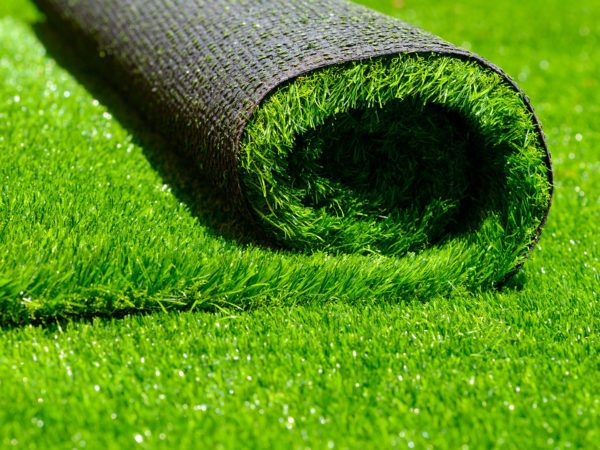
Modern pool landscape design often incorporates multiple surface materials to create functional and beautiful outdoor spaces. Artificial grass provides an excellent complement to chemical-resistant paving materials, offering a soft, comfortable surface that contrasts beautifully with hard paving materials while requiring minimal maintenance.
The combination of chemical-resistant paving for the immediate pool area with 25mm artificial grass for surrounding landscapes creates distinct functional zones. The paving handles the high-traffic, chemical-exposure areas while the artificial grass provides comfortable lounging and play areas that don’t require the extensive maintenance of natural lawn.
Proper drainage integration between paving and artificial grass installations ensures that pool chemicals don’t affect the artificial grass backing or infill materials. Professional artificial grass installation includes proper drainage systems that prevent chemical runoff from affecting the synthetic turf performance.
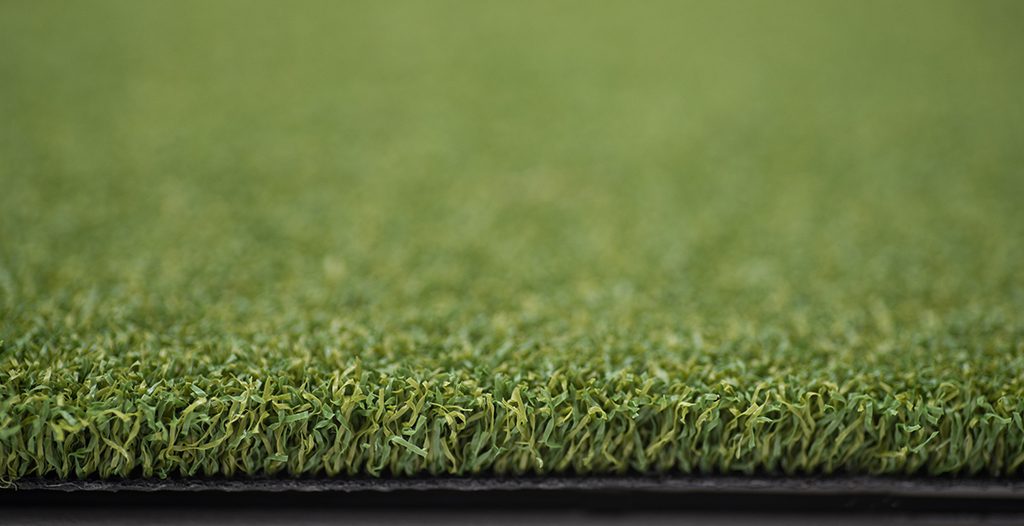
The visual integration of these materials requires careful planning to ensure cohesive design. 35mm artificial grass can provide a lush, resort-like appearance that complements the clean lines of chemical-resistant paving materials.
Cost-Benefit Analysis of Premium Materials
Investing in chemical-resistant paving materials represents a significant upfront cost, but the long-term benefits often justify the investment. Premium materials typically offer better warranties, longer lifespans, and reduced maintenance requirements compared to standard options. When considering the total cost of ownership, including replacement costs and ongoing maintenance, chemical-resistant materials often provide superior value.
The cost of premature replacement due to chemical damage can far exceed the initial cost difference between standard and chemical-resistant materials. Pool chemicals are particularly aggressive, and materials that aren’t designed for this exposure can fail within a few years, requiring complete replacement rather than simple repairs.
Insurance considerations also factor into the cost-benefit analysis. Some insurance providers offer reduced premiums for properties with high-quality, durable materials that reduce the likelihood of damage claims. Additionally, premium materials can increase property value, providing return on investment beyond the functional benefits.
Labor costs for installation may be higher for premium materials due to specialized installation requirements, but this investment ensures proper performance. Professional paving installation that follows manufacturer specifications and industry best practices is crucial for achieving the expected performance from chemical-resistant materials.
Professional Design and Installation Services
Creating stunning pool decks requires expertise in both material selection and installation techniques. Professional installers understand the unique requirements of pool environments and can recommend materials that balance aesthetics, performance, and budget considerations. Their experience with chemical-resistant materials ensures proper installation that maximizes material performance and longevity.
Design integration becomes particularly important when combining different materials and creating transitions between paving and other landscape elements. Professional paving services can create cohesive designs that incorporate chemical-resistant materials while maintaining visual appeal and functional performance.
The complexity of pool deck installations often requires specialized tools and techniques that are beyond the scope of typical DIY projects. Proper substrate preparation, drainage integration, and joint installation require professional expertise to ensure long-term success.
Quality assurance through professional installation includes warranty coverage that protects your investment. Reputable installers stand behind their work and understand the performance expectations of different materials in pool environments.
Conclusion
Creating stunning pool decks that withstand chemical exposure requires careful material selection, proper installation, and ongoing maintenance. The investment in chemical-resistant paving materials pays dividends through extended lifespan, reduced maintenance requirements, and maintained aesthetic appeal. Whether you choose natural stone, porcelain, or specialized concrete products, understanding the unique requirements of pool environments ensures your decision will provide years of enjoyment and value.
The integration of chemical-resistant paving with complementary materials like artificial grass creates outdoor spaces that combine functionality with beauty. Professional design and installation services ensure that your pool deck not only meets immediate needs but continues to perform and impress for decades to come. In Randburg and Midrand’s competitive property market, these quality installations represent both immediate enjoyment and long-term investment in your property’s value.
For those considering pool deck projects, consulting with experienced professionals who understand both material performance and local climate conditions provides the best foundation for successful installations. The combination of quality materials, proper installation, and appropriate maintenance creates pool environments that enhance both property value and lifestyle quality.
Recent Posts:
- The Pros and Cons of Interlocking Pavers vs Stamped Concrete
- Cobblestone Driveways: Traditional Charm for Modern Homes
- Maintaining Your Paved Driveway: Cleaning, Sealing and Repair Tips
- Non-Slip Pool Paving Options: Safety Meets Style Around Water Features
- How to Design and Install a Herringbone Pattern Paver Driveway