Heat-Resistant Paving Options to Transform Your Pool Area
When temperatures soar in the Randburg or Midrand region, outdoor spaces—especially pool areas—must be designed not just for looks, but for comfort, safety, and durability. At LawnKing Gardens, combining artificial grass with the right paving around pools can make all the difference. In this post we explore heat-resistant paving solutions, helping you choose materials that stay cool underfoot, endure the heat, and integrate beautifully with synthetic turf.
Why Heat Resistance Matters in Pool Areas
Poolside paving faces unique stresses in hot climates:
-
Intense sun exposure causes some materials to retain heat, becoming uncomfortable or even dangerous for bare feet, especially children.
-
UV rays degrade materials over time, causing fading, cracking, warping.
-
Thermal expansion and contraction can lead to shifting, loosening joints or cracks.
-
Safety: slippery surfaces plus heat can be a hazard.
Thus, the right material choice and installation method are essential to achieve longevity, comfort, and safety.
Key Properties of Heat-Resistant Paving Materials
When evaluating paving options for hot-climate poolside areas, consider materials that offer:
-
Low heat absorption or high reflectivity: lighter colours, porous or airy structures, or materials that dissipate heat quickly.
-
Good thermal conductivity / heat dissipation: some materials (e.g. certain stone, porcelain, or metal composites) cool off faster.
-
Slip resistance, especially when wet, and good texture underfoot.
-
Durability under UV exposure, minimal maintenance, capacity to handle pool chemicals.
-
Stable joints/good installation: proper base, correct spacing, flexible jointing materials help avoid cracking from thermal stress.
Material Options & Their Pros and Cons
Here are some of the best heat-resistant paving materials to consider, with advantages and trade-offs, especially in the South African climate (Randburg, Midrand etc.):
| Material | Why it works well in heat | Things to watch out for / trade-offs |
|---|---|---|
| Light-coloured natural stone (e.g. sandstone, limestone, travertine) | Natural stones reflect more solar energy, absorb less heat, and cool quicker. Porous stones can allow airflow and some moisture evaporation. Durable under UV. | Can be more expensive; may need sealing; porous stones may stain; requires correct base and installation to avoid shifting. |
| Porcelain / Ceramic Tiles | Highly dense, low porosity, good resistance to water, dyes, chemicals, and heat. Some varieties have anti-slip textures. Wide design choices. | Very hard material, so edges need care; grout lines may discolor if not properly sealed; some porcelain tiles under direct sun still heat up, depending on colour and finish. |
| Concrete Pavers (light colour / textured / aggregate finish) | Concrete is durable, cost-effective; when light-coloured or with additives (e.g. light sand or aggregate), it reflects more light and heat. Textured finishes help with grip. | Can crack if base is poor; joints need care for thermal movement; may fade or stain; concrete can get hot if dark or smooth. |
| Pebble / Aggregate Finishes (exposed aggregate, pebbled concrete) | Such finishes scatter light, have texture for slip resistance, and the small exposed stones can help dissipate heat. | Harder on bare feet; maintenance of surface (cleaning) needed; can be pricier; coloured aggregates need durable binders. |
| Interlocking pavers / permeable paving | Allow water to pass through or underneath, reducing heat retention; small gaps aid ventilation; lighter colour choices exist. Permeable paving can help reduce heat island effect. | May require more precise installation; weeds or debris can accumulate in joints; initial cost may be higher; maintenance to keep permeability. |
| Composite materials or treated timbers | Some wood-composites or treated timbers have coatings or additives that make them more heat resistant, and they have a warmer feel underfoot compared to stone. | Wood/composites can still get hot; they degrade faster under UV; risk of warping or splintering; more maintenance. |
Best Practices: Installation and Design to Improve Comfort & Durability
Beyond material selection, how you design and build the paving matters significantly. Some suggestions:
-
Orient paving to reduce midday sun exposure where possible. Shade from overhangs, pergolas, trees helps.
-
Choose lighter colours and matte or textured finishes. Glossy surfaces reflect less, heat more.
-
Ensure good drainage: water pooling underheat (hot water, pool splash) or from rain can worsen wear and heat retention.
-
Use jointing materials that accommodate expansion and contraction. Flexible joint fillers or spacer systems are useful.
-
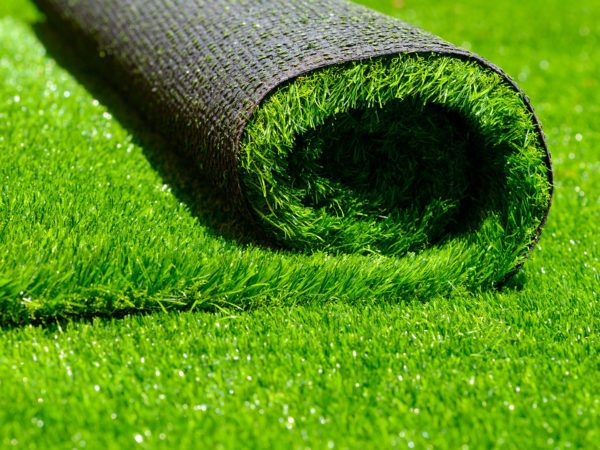
Combine with artificial grass where appropriate: grass feels cooler underfoot. LawnKing Gardens offers artificial turf and paving services. (See our Paving services page) Lawn King
-
Use permeable paving solutions to reduce heat island effects and assist cooling via evapotranspiration. LawnKing has a page on permeable paving solutions. Lawn King
-
Regular maintenance: cleaning surfaces to remove debris; checking for cracks; resealing stone or tile as needed.
How LawnKing Gardens Can Help
If you’re in Randburg or Midrand, LawnKing Gardens combines expertise in artificial grass & paving to deliver outdoor areas that are beautiful, comfortable, and suitable for hot climates:
-
Our Concrete vs Clay vs Natural Stone Pavers guide helps you decide which material suits your property and climate best. Lawn King
-
We provide a variety of paving stones and benefits, so homeowners understand what each type offers (heat performance, durability, aesthetics etc.). Lawn King+1
-
Our Is it Advisable to do DIY for Driveway Paving? post gives insights into what aspects require professional skills—especially relevant when dealing with correct sub-base, waterproofing, and heat stress. Lawn King
-
We offer Pet Turf, Putting Green Turf, and a full range of Artificial Turf/Grass solutions that can be integrated with paving for cooler border areas. Artificial grass tends to stay cooler underfoot relative to many hard surfaces. Lawn King+2Lawn King+2
Global Examples & Research for Heat-Resistant Pool Area Paving
To bring in some global expertise:
-
ArchDaily’s article Porcelain Tiles – Natural Series | Serapool highlights porcelain’s low porosity, excellent resistance to water infiltration and temperature fluctuations—qualities ideal for terraces and pool edges. ArchDaily
-
In “Decking from KNOTWOOD” featured on ArchDaily, aluminium decking is praised for its excellent heat-dissipating properties: surfaces made from aluminium cool much faster than wood or composite, making them more comfortable underfoot in hot weather. ArchDaily
Recommendations for Randburg / Midrand Pool Areas
Putting all this together for our local climate, here are some tailored recommendations:
-
Choose light-colour stone or porcelain tiles for pool edges. A honed or textured finish reduces glare and slippage.
-
Use a combination of paving and artificial grass: grass pads around lounging areas to give cooler surfaces underfoot during peak sun.
-
If going with concrete pavers, pick permeable concrete or interlocking designs, ensuring the sub-base is stable, well compacted, and allows drainage.
-
For patios, consider aluminium decking or stone over wooden decks to reduce heat retention.
-
Shade is your friend: pergolas, broad overhangs, umbrella zones help reduce direct UV exposure on paving.
-
Seal or treat surfaces as needed to maintain reflectivity and protect from pool chemicals.
Conclusion
In hot climates like those in Randburg and Midrand, selecting the right paving around pools isn’t just about aesthetics—it’s about comfort, safety, and long-term durability. Material choice (stone, porcelain, concrete, permeable paving), installation method, colour, texture, drainage, and combination with softer surfaces like artificial grass all play critical roles.
If you’re planning a pool area paving project, LawnKing Gardens offers both artificial grass solutions and professional paving services to help you achieve a space that looks great, stays cool, and endures South African summers. Reach out for expert advice or a site visit to get the best results for your home.
Recent Posts:
- Driveway Paving on a Budget: Affordable Options That Don’t Compromise Quality
- Creating Stunning Pool Decks: Paving Materials That Handle Pool Chemicals
- The Pros and Cons of Interlocking Pavers vs Stamped Concrete
- Cobblestone Driveways: Traditional Charm for Modern Homes
- Maintaining Your Paved Driveway: Cleaning, Sealing and Repair Tips