Tennis and Netball Court Design for Sabie Mountain Homes
Mountain estate owners near Sabie face a unique challenge. They want premium sports facilities but don’t have unlimited space. Additionally, the rugged Mpumalanga terrain demands smart planning. A multi-use court for tennis and netball solves this problem perfectly.
This comprehensive guide shows you how to create a versatile sports surface using artificial grass. You’ll maximize functionality while maintaining the natural beauty that makes mountain retreats special.
Understanding Multi-Use Court Design Fundamentals
Multi-use sports courts combine different playing surfaces into one functional space. The design allows families and guests to play various sports without building separate facilities. This approach saves money and conserves valuable land in mountain estates.
The key lies in intelligent space planning. Tennis requires a court measuring 23.77 meters long by 10.97 meters wide for doubles play. Meanwhile, netball needs 30.5 meters by 15.25 meters. Consequently, you must design your court to accommodate both dimensions efficiently.
Modern artificial grass technology makes this possible. Professional installers can create overlapping line markings that distinguish each sport clearly. Furthermore, the synthetic surface performs exceptionally well for both tennis and netball.
Why Artificial Grass Excels in Mountain Environments
Natural grass struggles in Sabie’s mountain climate. The area experiences significant rainfall, cool winters, and variable temperatures. These conditions create maintenance nightmares for traditional grass courts.
Artificial grass eliminates these concerns completely. The synthetic surface drains water rapidly through pre-punched backing systems. Therefore, your court remains playable within minutes after heavy rainfall.
Mountain estates also face accessibility challenges. Groundskeeping equipment and maintenance teams often struggle to reach remote properties. Artificial turf requires minimal upkeep compared to natural surfaces. You simply brush the fibers periodically and remove debris occasionally.
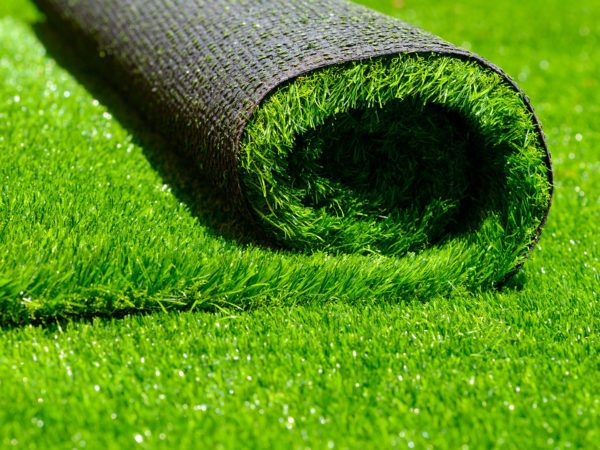
UV-stabilized synthetic grass maintains its vibrant appearance despite intense mountain sunlight. The four-tone green pile creates a natural look that blends beautifully with surrounding landscapes. Moreover, the surface stays consistent regardless of seasonal changes.
Optimizing Space for Convertible Sports Facilities
Space optimization begins with careful measurement and planning. Start by assessing your available land area. Mountain terrain often presents slopes, rocky outcrops, or limited flat sections.
Professional site preparation addresses these challenges. Teams excavate and level the ground properly before installation begins. This creates a stable foundation that prevents future surface problems.
The ideal approach layers different court markings in complementary colors. Tennis lines typically appear in white, while netball lines use contrasting shades. This visual distinction helps players transition between sports seamlessly.
Consider installing adjustable net systems. These versatile solutions allow you to switch from tennis to netball quickly. The posts accommodate different net heights and can be repositioned as needed.
Professional tennis court construction services ensure your multi-use facility meets international standards. Expert installers understand the precise measurements and specifications required for competitive play.
Selecting the Right Artificial Grass for Sports Performance
Not all artificial grass performs equally for sports applications. Tennis demands specific surface characteristics that affect ball bounce and player movement. Netball requires firm footing and predictable traction.
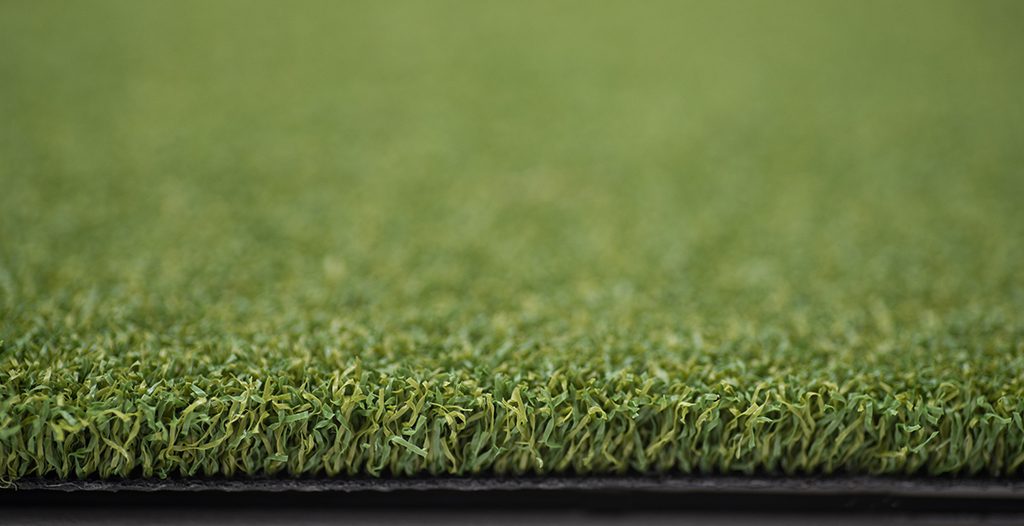
Pile height significantly impacts performance. 25mm artificial grass offers excellent versatility for multi-sport courts. The medium pile height provides proper ball bounce for tennis while maintaining stability for netball players.
Fiber density matters tremendously. Denser artificial turf creates more consistent playing conditions. Players experience reliable ball roll and predictable surface interaction during matches.
Infill materials enhance performance further. Sand and rubber granules provide cushioning and stability. They keep grass blades upright while offering shock absorption. This reduces injury risk during intensive play.
Quality backing systems ensure long-term durability. Dual-layered polypropylene fabric creates a stable foundation for grass blades. The permeable backing allows efficient water drainage throughout the court surface.
Designing for Holiday Homes and Retreat Properties
Holiday properties require different considerations than permanent residences. Guests expect immediate access to recreational facilities without complicated setup procedures. Your multi-use court must deliver this convenience effortlessly.
Artificial grass performs perfectly for seasonal-use properties. The surface remains ready for play year-round without constant maintenance. Property managers don’t need to mow, water, or fertilize between guest visits.
Visual appeal enhances property value significantly. A professionally installed multi-use court creates an impressive focal point. Guests photograph the facility and share images on social media naturally.
Consider lighting options for evening play. Mountain sunsets arrive early, especially during winter months. Proper illumination extends playing hours and increases facility usage.
Fencing integration provides safety and privacy. Well-designed perimeter fencing keeps balls contained while maintaining the estate’s aesthetic character. Choose materials that complement existing architecture and landscaping.
Sports turf installation services offer complete solutions from consultation through completion. Expert teams handle every aspect including site assessment, ground preparation, and final installation.
Installation Process for Mountain Estate Courts
Professional installation follows a systematic process. First, technicians conduct thorough site assessments. They evaluate drainage requirements, ground conditions, and access limitations specific to mountain locations.
Ground preparation requires meticulous attention. Excavation creates a level playing surface despite challenging terrain. Contractors install proper drainage systems that accommodate heavy rainfall patterns.
Base construction ensures long-term stability. Crushed stone or gravel layers create a firm foundation. Proper compaction prevents future settling or surface irregularities.
Artificial grass installation demands precision. Professional installers carefully position and secure the synthetic turf. They pay special attention to seam joining and edge finishing details.
Infill application completes the process. Specialized equipment distributes materials evenly across the entire surface. This ensures consistent playing characteristics throughout the court.
Line marking requires expert precision. Different colored lines distinguish tennis and netball boundaries clearly. Professional installers use specialized paints that bond permanently to artificial surfaces.
Artificial turf for multi-sport facilities delivers superior performance through proper installation techniques. Experienced teams understand the complex requirements of dual-purpose courts.
Maintenance Requirements for Long-Term Performance
Artificial grass courts require minimal maintenance compared to natural surfaces. Regular brushing keeps fibers upright and maintains proper playing characteristics. This simple task takes only minutes weekly.
Debris removal prevents surface contamination. Leaves, twigs, and dirt accumulate naturally in outdoor environments. Weekly sweeping or blowing maintains cleanliness effectively.
Infill redistribution preserves performance quality. High-traffic areas may experience material displacement over time. Occasional raking or brushing redistributes infill evenly across the surface.
Deep cleaning occurs annually or semi-annually. This process removes accumulated dust and organic matter. Specialized equipment cleans thoroughly without damaging synthetic fibers.
Drainage systems require periodic inspection. Mountain environments experience significant rainfall. Ensuring proper water flow prevents standing water and maintains playability.
Repairs remain straightforward when needed. Small damaged sections can be patched using adhesive and spare turf pieces. Larger areas benefit from professional repair services.
Cost Considerations and Return on Investment
Multi-use court installation represents a significant investment. However, the long-term value justifies the initial expenditure. Property owners recover costs through reduced maintenance and increased property appeal.
Initial expenses include site preparation, materials, and professional installation. Mountain locations may incur additional costs for access and terrain challenges. Quality materials cost more initially but deliver superior longevity.
Ongoing maintenance expenses decrease dramatically. Natural grass courts require constant watering, mowing, fertilizing, and repairs. Artificial surfaces eliminate these recurring costs almost entirely.
Property value increases measurably. Premium recreational facilities attract higher-paying guests and command increased rental rates. The court becomes a distinctive selling point for your mountain estate.
Water conservation delivers financial benefits. Garden services and irrigation requirements disappear with artificial grass installation. This matters significantly in water-restricted mountain areas.
Durability extends investment returns. Quality artificial grass lasts 10-15 years with proper maintenance. The surface maintains performance characteristics throughout its lifespan without major renovations.
Design Considerations for Sabie’s Climate
Sabie experiences distinct seasonal weather patterns. Summer brings afternoon thunderstorms and high humidity. Winter delivers cool temperatures and occasional frost. Your court design must accommodate these variations.
Drainage becomes critical in high-rainfall areas. Professional installers create systems that channel water away efficiently. The court remains playable shortly after storms pass.
Temperature fluctuations affect surface characteristics. Quality artificial grass maintains consistent performance across temperature ranges. UV stabilization prevents degradation from intense mountain sunlight.
Altitude influences play conditions. Sabie sits at approximately 1,000 meters elevation. Ball flight behaves slightly differently than at sea level. Players adjust naturally to these conditions.
Wind patterns require consideration. Mountain valleys often experience predictable wind flows. Strategic court positioning minimizes wind interference during play.
Surrounding vegetation impacts maintenance. Pine needles and leaves fall seasonally in forested areas. Choose artificial grass with backing that prevents organic material penetration.
Enhancing Guest Experience at Retreat Properties
Multi-use courts create memorable guest experiences. Families appreciate versatile recreational options that accommodate different interests. Children enjoy netball while adults play tennis later.
Tournament hosting becomes possible with proper court design. Mountain estates can organize friendly competitions that build community connections. These events create lasting memories and encourage repeat visits.
Fitness programming expands with versatile facilities. Retreat properties can offer structured activities using the multi-use court. Yoga sessions, boot camps, and group training classes all work excellently.
Photography opportunities enhance marketing efforts. Beautiful mountain backdrops combined with pristine sports facilities create compelling visual content. Guests naturally share these images across social platforms.
Accessibility ensures inclusive recreation. Artificial grass provides stable surfaces for players of varying ability levels. The consistent playing conditions accommodate beginners and experienced athletes equally.
Professional appearance reflects property standards. A well-maintained multi-use court demonstrates attention to detail and commitment to guest satisfaction. This reinforces the premium positioning of your mountain estate.
Environmental and Sustainability Benefits
Artificial grass delivers significant environmental advantages. Water conservation tops the list of sustainability benefits. Traditional grass courts consume thousands of liters annually through irrigation requirements.
Chemical elimination protects mountain ecosystems. Natural grass demands fertilizers, pesticides, and herbicides regularly. These chemicals potentially contaminate groundwater and affect surrounding wildlife.
Carbon footprint reduces substantially. Maintenance equipment generates emissions through fuel consumption. Artificial grass eliminates mowing machines and reduces vehicle trips for grounds maintenance.
Recyclability extends environmental responsibility. Modern artificial grass contains recyclable materials. End-of-life turf can be processed and repurposed rather than entering landfills.
Local ecosystem preservation matters in mountain environments. Artificial grass installation minimizes land disturbance compared to natural grass establishment. Native vegetation surrounding the court remains undisturbed.
Technical Specifications for Professional Standards
International Tennis Federation (ITF) standards guide court construction. Surface characteristics must deliver consistent ball bounce and appropriate playing speed. Professional installers ensure compliance with these specifications.
Court orientation affects playability significantly. North-south alignment minimizes sun glare during morning and afternoon sessions. This consideration enhances player comfort throughout the day.
Surface firmness requires careful calibration. Tennis demands specific shock absorption qualities. Netball needs similar characteristics but tolerates slightly firmer surfaces.
Line width specifications maintain competitive authenticity. Tennis baselines measure 50mm wide while service lines use similar dimensions. Netball lines follow international standards precisely.
Net system installation requires accurate positioning. Center court heights and end post locations follow strict regulations. Professional installers verify measurements multiple times during installation.
Perimeter clearances ensure safety compliance. Adequate space surrounds the playing area for player movement. This prevents injuries during competitive play.
Conclusion: Creating Your Ideal Mountain Estate Court
Designing a multi-use court for tennis and netball transforms mountain estate properties. The versatile facility provides year-round recreation while requiring minimal maintenance. Artificial grass technology makes this possible in challenging environments.
Careful planning ensures optimal space utilization. Professional installation delivers surfaces that meet international playing standards. Quality materials withstand Sabie’s climate variations effortlessly.
The investment pays dividends through increased property value and guest satisfaction. Holiday homes and retreat properties gain distinctive competitive advantages. Families create lasting memories while enjoying premium recreational facilities.
Consider partnering with experienced artificial grass specialists. Professional teams understand mountain terrain challenges and sports surface requirements. They deliver complete solutions from initial consultation through final installation.
Your mountain estate deserves recreational facilities that match its natural beauty. A properly designed multi-use court achieves this goal perfectly. Start planning your project today and transform your property into a premier destination.
For expert guidance on artificial grass installation and multi-sport court design, consult specialists who understand both the technical requirements and environmental considerations specific to mountain estates near Sabie.
Recent posts:
- What Are the Cost Differences Between Indoor and Outdoor Tennis Courts in Barberton?
- Can You Build an Eco-Friendly Hockey Court for Your Hazyview Game Farm?
- What’s the Most Durable Netball Court Surface for West Acres Schools?
- How Do You Maintain a Tennis Court in White River’s Humid Climate?
- What Lighting Solutions Work Best for Night Tennis in Waterfall?