What Northriding and Olivedale Homeowners Need to Know
In the affluent suburbs of Northriding and Olivedale, homeowners are increasingly seeking sophisticated solutions to maintain their pristine landscapes while managing water consumption effectively. The evolution from traditional irrigation timers to smart irrigation controllers represents a significant technological advancement that aligns perfectly with the modern lifestyle expectations of these discerning communities.
As water conservation becomes increasingly critical in South Africa’s challenging climate, the choice between smart irrigation controllers and traditional timers has never been more important. This comprehensive guide explores the key differences, benefits, and considerations that will help you make an informed decision for your property’s irrigation needs.
Understanding Traditional Irrigation Timers
Traditional irrigation timers have served homeowners faithfully for decades, providing basic scheduling functionality that allows for predetermined watering cycles. These mechanical or basic digital devices operate on fixed schedules, typically allowing users to set specific days and times for irrigation activation across different zones of their property.
The primary advantage of traditional timers lies in their simplicity and reliability. They require minimal setup, operate independently of internet connectivity, and provide straightforward programming that most homeowners can manage without technical expertise. Traditional systems also tend to have lower upfront costs and fewer components that could potentially malfunction.
However, traditional timers operate in isolation from environmental conditions. They cannot adjust watering schedules based on rainfall, soil moisture levels, or seasonal weather patterns. This limitation often results in overwatering during rainy periods or insufficient irrigation during particularly dry spells, leading to both water waste and potential damage to landscaping investments.
For properties with artificial grass installations or mixed landscaping that includes both natural and synthetic elements, traditional timers may not provide the nuanced control needed to maintain different areas appropriately.
The Smart Irrigation Revolution
Smart irrigation controllers represent a paradigm shift in landscape water management, incorporating advanced technology to optimize watering schedules automatically. These sophisticated systems utilize weather data, soil moisture sensors, and smartphone connectivity to deliver precisely the right amount of water at the optimal time.
The core advantage of smart controllers lies in their ability to adapt to changing conditions automatically. By accessing real-time weather information and incorporating data from various sensors, these systems can skip watering cycles during rainy periods, extend irrigation during drought conditions, and adjust scheduling based on seasonal plant needs.
Smart controllers excel in providing remote accessibility through dedicated smartphone applications. Homeowners can monitor and adjust their irrigation systems from anywhere in the world, receive alerts about system status, and track water usage patterns over time. This level of control and visibility is particularly appealing to tech-savvy homeowners in Northriding and Olivedale who value sophisticated home automation systems.
Leading Smart Irrigation Controller Brands
The smart irrigation market features several prominent brands, each offering unique features and capabilities suited to different property types and user preferences.
Rachio stands as one of the most popular choices among homeowners, offering controllers that deliver precisely the water plants need through smart watering schedules and easy-to-use mobile applications. The Rachio 3 Smart Sprinkler Controller provides Weather Intelligence technology that automatically adjusts watering based on local weather conditions, seasonal shifts, and soil type considerations.
Hydrawise controllers offer comprehensive Wi-Fi irrigation control that allows users to view, manage, and monitor their irrigation systems through web browsers or mobile devices. Their platform provides detailed reporting features and advanced scheduling options that appeal to homeowners who appreciate comprehensive data analysis.
The Orbit B-Hyve Smart Sprinkler Controller represents an excellent value proposition, offering custom scheduling, duration control, and weather-based watering through smartphone app management. This brand particularly appeals to homeowners seeking smart irrigation features without premium pricing.
Rain Bird, a well-established name in irrigation, offers smart controllers that have earned recognition from Consumer Reports testing, providing reliability combined with modern smart features. Their systems integrate seamlessly with existing Rain Bird irrigation components, making them ideal for properties with established Rain Bird installations.
Irrigreen represents the cutting edge of irrigation technology, using digital precision to create spray patterns that match exact lawn shapes rather than relying on traditional fixed-spray heads. This advanced approach minimizes water waste and provides unparalleled coverage efficiency.
Smartphone App Integration and Features
Modern smart irrigation controllers transform landscape management through sophisticated smartphone applications that provide unprecedented control and insight into watering systems. These applications typically offer intuitive interfaces that allow homeowners to create detailed watering schedules, monitor real-time system status, and receive immediate notifications about system performance or issues.
Advanced features commonly include zone-specific programming that allows different areas of the property to receive customized watering schedules based on plant types, sun exposure, and soil conditions. Weather integration automatically adjusts or skips watering cycles based on precipitation forecasts and current conditions, ensuring optimal water conservation without compromising landscape health.
Water usage tracking capabilities provide detailed analytics that help homeowners understand their irrigation patterns and identify opportunities for further conservation. Many applications also offer seasonal adjustment features that automatically modify watering schedules based on changing plant needs throughout the year.
For properties that combine natural landscaping with artificial grass solutions, smart controllers can manage complex irrigation zones that might require watering for adjacent planted areas while avoiding synthetic turf sections that require no irrigation whatsoever.
Water-Saving Features and Benefits
Smart irrigation controllers excel in water conservation through multiple advanced features that traditional timers simply cannot provide. Weather-based intelligence represents perhaps the most significant water-saving capability, automatically adjusting or canceling watering cycles based on recent rainfall, humidity levels, and upcoming weather forecasts.
Soil moisture monitoring, available through compatible sensors, ensures that irrigation occurs only when plants actually need water rather than following rigid schedules regardless of ground conditions. This precision approach can reduce water consumption by 20-50% compared to traditional timer-based systems while maintaining superior landscape health.
Evapotranspiration calculations factor in temperature, humidity, wind speed, and solar radiation to determine precise plant water needs. This scientific approach replaces guesswork with data-driven irrigation decisions that optimize water usage while supporting healthy plant growth.
Run-time optimization features automatically adjust watering duration based on soil type, slope, and sprinkler head efficiency. These calculations ensure that applied water penetrates soil effectively rather than running off surfaces, maximizing irrigation efficiency while minimizing waste.
For homeowners considering comprehensive irrigation solutions, smart controllers provide the foundation for highly efficient water management systems that align with South Africa’s growing emphasis on water conservation.
Installation and Maintenance Considerations
Smart irrigation controller installation typically requires more initial setup than traditional timers, including Wi-Fi network configuration and smartphone app installation. However, most modern systems are designed for straightforward DIY installation, with detailed instructions and customer support readily available.
Professional installation may be advisable for complex properties or homeowners who prefer expert setup and system optimization. Professional irrigation services can ensure proper integration with existing systems and optimal zone configuration for maximum efficiency.
Maintenance requirements for smart controllers are generally minimal, though they do require periodic software updates and occasional sensor calibration. The connected nature of these systems means that many maintenance tasks can be performed remotely through smartphone applications.
Traditional timers require less technical maintenance but offer no diagnostic capabilities when problems occur. Smart systems provide detailed error reporting and troubleshooting guidance through their applications, often preventing minor issues from becoming major problems.
Cost Analysis for Northriding and Olivedale Properties
The investment analysis for smart irrigation controllers versus traditional timers extends beyond initial purchase prices to encompass long-term operational savings and property value considerations. Smart controllers typically cost R2,000 to R8,000 depending on features and zone capacity, while traditional timers range from R500 to R2,000.
However, water savings from smart controllers often offset higher initial costs within 12-24 months through reduced monthly water bills. Properties in water-restricted areas may see even faster payback periods due to the ability to optimize usage within municipal restrictions.
Property value considerations favor smart irrigation systems, particularly in affluent areas like Northriding and Olivedale where homeowners expect modern automation features. Smart irrigation systems contribute to overall property technology appeal and demonstrate commitment to environmental responsibility.
For properties that include both natural landscaping and artificial grass installations, smart controllers provide the precision needed to manage complex irrigation requirements efficiently.
Integration with Existing Landscape Features
Smart irrigation controllers offer superior integration capabilities with diverse landscape elements common in upscale Northriding and Olivedale properties. These systems can manage multiple zones with vastly different watering requirements, from water-intensive flower beds to drought-tolerant native plantings.
Properties featuring mixed artificial and natural grass areas benefit significantly from smart controller zone management. The system can provide appropriate irrigation for natural grass areas while ensuring that artificial grass sections receive no unnecessary water exposure.
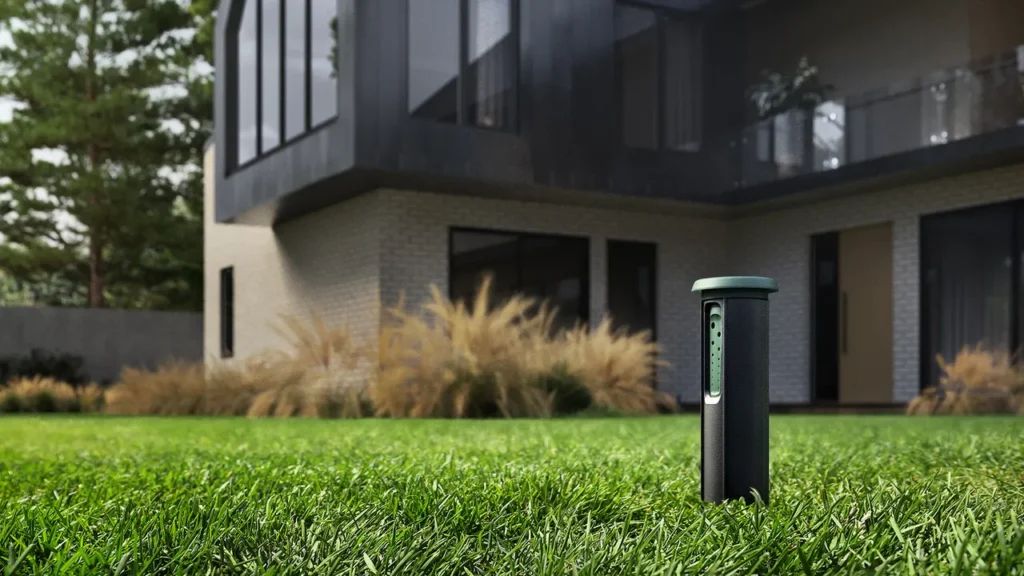
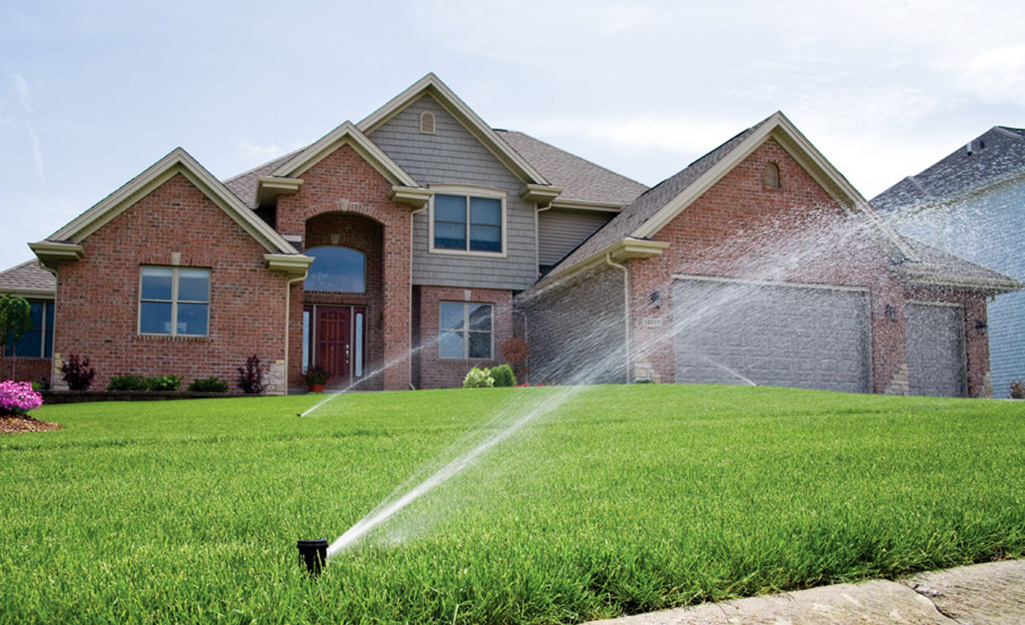
Advanced controllers integrate seamlessly with existing irrigation infrastructure, including drip irrigation systems, pop-up sprinklers, and specialized watering systems for different plant types. This compatibility makes upgrading from traditional timers straightforward without requiring complete system replacement.
Smart controllers also coordinate effectively with other landscape features such as outdoor lighting systems, pool equipment, and garden fountains, creating comprehensive outdoor automation systems that enhance property functionality and appeal.
Environmental Impact and Sustainability
The environmental benefits of smart irrigation controllers align perfectly with growing sustainability awareness among affluent homeowners. Precise water application reduces runoff that can carry fertilizers and chemicals into storm water systems, contributing to broader environmental protection efforts.
Energy consumption considerations favor smart controllers, which optimize pump runtime and reduce overall system energy usage through efficient scheduling. These systems also support the use of recycled water and rainwater harvesting systems more effectively than traditional timers.
For properties considering sustainable landscaping solutions, smart irrigation controllers provide the foundation for comprehensive water management strategies that support both landscape health and environmental responsibility.
Carbon footprint reduction occurs through decreased water processing and distribution demands, as well as reduced chemical usage through more precise irrigation that supports healthier plant growth with fewer interventions.
Making the Right Choice for Your Property
The decision between smart irrigation controllers and traditional timers ultimately depends on individual property requirements, technical comfort levels, and long-term landscape management goals. Properties with diverse plantings, varying sun exposure, and complex watering needs benefit most dramatically from smart controller capabilities.
Homeowners who travel frequently or maintain multiple properties find smart controllers particularly valuable for remote monitoring and management capabilities. The ability to respond to changing conditions automatically provides peace of mind and ensures landscape protection during extended absences.
Budget considerations should account for long-term operational savings and property value enhancement rather than focusing solely on initial purchase prices. Smart controllers represent investments in property functionality that continue providing benefits throughout their operational lives.
For comprehensive landscape solutions that may include professional irrigation installation alongside artificial grass or natural lawn elements, smart controllers provide the sophisticated management capabilities needed to optimize diverse landscape investments.
The future of residential irrigation clearly favors smart technology that provides superior water conservation, enhanced convenience, and comprehensive system monitoring. For discerning homeowners in Northriding and Olivedale, smart irrigation controllers represent the logical evolution of landscape management technology that aligns with both environmental responsibility and modern lifestyle expectations.
Whether upgrading existing systems or planning new installations, the investment in smart irrigation technology delivers both immediate benefits and long-term value that enhances property functionality while supporting responsible water management practices.
Recent Posts:
- Best Instant Lawn Solutions for Large Properties in Randpark Ridge and Northcliff
- How Much Does Installing an Automatic Irrigation System Cost in Blairgowrie and Bordeaux South?
- How Weather-Proof is Fake Grass?
- How hot does Fake Grass get in Randburg summer time?
- Instant Lawn vs Fake Grass in Johannesburg