Swimming Pool Area Paving Guide
Creating the perfect swimming pool area involves more than just installing a beautiful pool. The surrounding paving plays a crucial role in both the aesthetic appeal and functionality of your outdoor space. As homeowners in Randburg and Midrand increasingly invest in premium pool areas, understanding how to choose the right paving becomes essential for creating a safe, durable, and visually stunning environment.
The choice of swimming pool paving affects everything from safety and maintenance requirements to the overall value of your property. Whether you’re planning a new pool installation or renovating an existing area, this comprehensive guide will help you make informed decisions that complement your lifestyle and budget.
Understanding Swimming Pool Paving Requirements
Swimming pool areas present unique challenges that standard paving applications don’t face. The constant exposure to water, pool chemicals, and varying weather conditions in South Africa’s climate means your paving choice must be both practical and resilient.
The area around your swimming pool experiences frequent splashing, creating wet surfaces that can become slippery and dangerous. This makes slip resistance one of the most critical factors in your paving selection. Additionally, pool chemicals like chlorine can cause certain materials to deteriorate over time, leading to costly replacements and potential safety hazards.
Temperature fluctuations also play a significant role in paving performance. South African summers can cause some materials to become uncomfortably hot underfoot, while cooler months may lead to expansion and contraction that causes cracking in unsuitable materials. Understanding these environmental factors helps ensure your investment remains both beautiful and functional for years to come.
Popular Paving Options for Swimming Pool Areas
Natural Stone Paving
Natural stone remains one of the most popular choices for swimming pool areas due to its timeless appeal and excellent performance characteristics. Materials like travertine, sandstone, and slate offer natural slip resistance while maintaining their beauty even when wet.
Travertine, in particular, has gained popularity for pool areas because it stays relatively cool underfoot even in direct sunlight. Its natural porosity provides excellent drainage and slip resistance, making it ideal for wet areas. The neutral tones of travertine complement various architectural styles and can be paired beautifully with artificial grass installations for a sophisticated landscape design.
Sandstone offers durability and comes in various colors and textures, allowing for creative design possibilities around your pool. Its natural grip makes it safe for barefoot walking, while its resistance to pool chemicals ensures long-term performance. When combined with professional paving services, sandstone creates an elegant and practical pool surround.
Concrete Pavers
Concrete pavers provide versatility and affordability without compromising on style or functionality. Modern manufacturing techniques have produced pavers that mimic natural stone while offering superior consistency in size and color.
The main advantage of concrete pavers lies in their replaceability. If damage occurs, individual pavers can be replaced without disturbing the entire area. This makes maintenance more manageable and cost-effective over time. Concrete pavers also offer excellent slip resistance when properly textured, making them suitable for wet pool environments.
Color options for concrete pavers have expanded significantly, allowing homeowners to create custom looks that complement their home’s architecture and surrounding landscape. The ability to integrate these pavers with other landscape elements, such as artificial grass areas, creates cohesive outdoor living spaces.
Brick Paving
Traditional brick paving brings warmth and character to pool areas while providing excellent durability and slip resistance. The natural texture of brick offers good grip even when wet, making it a safe choice for families with children.
Brick’s thermal properties help it remain comfortable underfoot in most weather conditions, though darker varieties may become warm in intense summer heat. The classic appearance of brick complements both traditional and contemporary architectural styles, making it a versatile choice for various home designs.
Factors to Consider When Choosing Pool Paving
Safety and Slip Resistance
Safety should be the primary consideration when selecting paving for your swimming pool area. The combination of water and smooth surfaces creates hazardous conditions, particularly for children and older family members.
Look for materials with textured surfaces or natural grip patterns that provide traction even when wet. Avoid highly polished stones or smooth concrete finishes that become dangerously slippery when water is present. The slip resistance rating of potential paving materials should be clearly understood before making your final selection.
Consider the drainage characteristics of your chosen material as well. Good drainage prevents water from pooling on the surface, reducing slip hazards and preventing stagnation that could lead to algae growth or unpleasant odors.
Heat Reflection and Comfort
The comfort of walking barefoot on your pool paving is crucial for enjoyment of your outdoor space. Materials that absorb and retain heat can become uncomfortably hot during summer months, limiting the usability of your pool area during peak swimming season.
Light-colored materials generally stay cooler than dark alternatives, reflecting heat rather than absorbing it. Natural stone options like travertine and certain sandstones remain comfortable even in direct sunlight. If you prefer darker colors for aesthetic reasons, consider materials with heat-dispersing properties or plan for shaded areas around the pool.
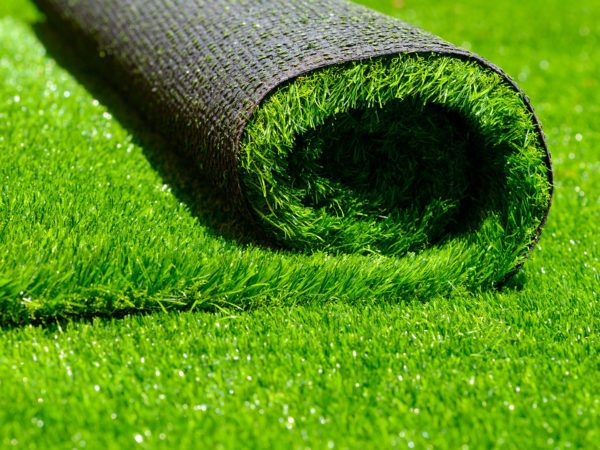
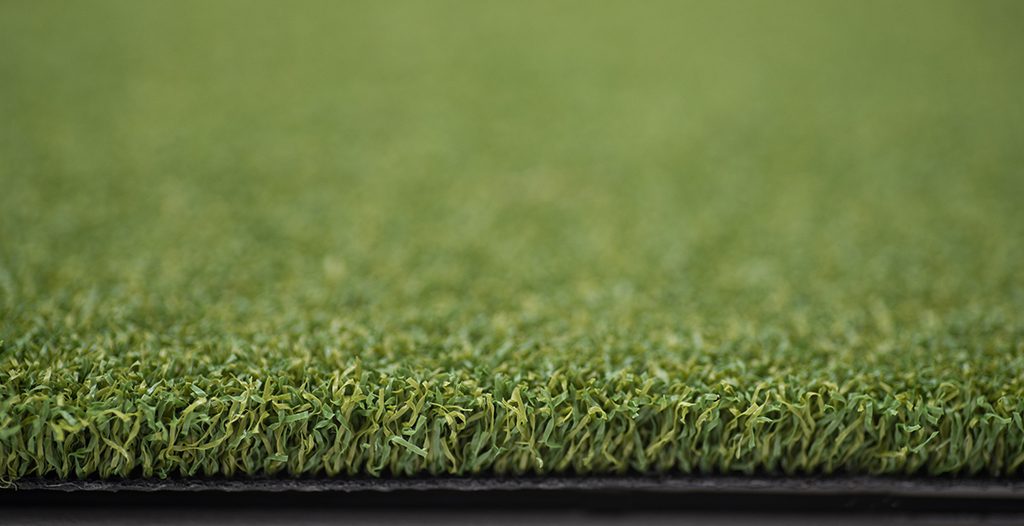
The integration of artificial grass in certain areas can provide comfortable walkways and reduce overall heat absorption around your pool area.
Maintenance Requirements
Different paving materials require varying levels of maintenance to remain safe and attractive. Understanding these requirements helps you choose options that align with your lifestyle and maintenance preferences.
Natural stone may require periodic sealing to maintain its appearance and protect against staining from pool chemicals. Regular cleaning with appropriate products helps preserve the natural beauty while ensuring slip resistance isn’t compromised by algae or mineral buildup.
Concrete pavers generally require less intensive maintenance but benefit from regular cleaning and occasional resealing. The joints between pavers may require periodic attention to prevent weed growth and maintain structural integrity.
Design Considerations and Aesthetic Integration
Creating Visual Harmony
The paving around your swimming pool should complement both your home’s architecture and the surrounding landscape. Consider the existing materials used in your home’s construction and try to create connections through color, texture, or style.
For contemporary homes, clean lines and consistent materials work well, while traditional architecture may benefit from more varied textures and classic materials like brick or natural stone. The goal is to create a seamless transition between your indoor and outdoor living spaces.
Professional landscaping services can help you visualize how different paving options will work with your existing outdoor elements and future landscape plans.
Incorporating Complementary Elements
Modern pool areas often benefit from the integration of various materials and textures. Combining paving with artificial grass creates interesting visual contrasts while providing practical benefits like reduced heat reflection and comfortable walking surfaces.
The strategic placement of artificial turf can soften the hard lines of paving while reducing maintenance requirements compared to natural grass in these challenging growing conditions. This combination approach allows for creative design solutions that enhance both functionality and visual appeal.
Professional Installation and Long-term Performance
Importance of Professional Installation
The longevity and performance of your pool paving depend heavily on proper installation techniques. Professional installation ensures proper drainage, adequate substrate preparation, and appropriate joint spacing that prevents future problems.
Experienced installers understand the unique requirements of pool environments and can recommend solutions for challenging conditions like sloping sites or areas with poor drainage. They also ensure that safety considerations are properly addressed during the installation process.
Working with established companies like LawnKing ensures access to quality materials and professional installation techniques that maximize the lifespan of your investment.
Planning for Future Maintenance
Discussing maintenance requirements with your installer helps establish realistic expectations and maintenance schedules. Understanding how to properly care for your chosen paving material prevents premature deterioration and maintains safety standards.
Regular maintenance schedules should include cleaning protocols, sealing requirements, and inspection procedures to identify potential issues before they become costly problems. Professional maintenance services can help ensure your pool paving continues to perform optimally throughout its lifespan.
Cost Considerations and Value
Initial Investment vs. Long-term Value
While the initial cost of pool paving varies significantly between material options, considering long-term value helps justify the investment in quality materials and professional installation. Higher-quality materials often provide better durability, safety, and aesthetic appeal over time.
Factor in maintenance costs, replacement schedules, and the impact on property value when evaluating different paving options. Materials that require frequent maintenance or replacement may cost more over time despite lower initial prices.
The integration of complementary elements like professional irrigation systems can enhance the overall value and functionality of your pool area while supporting healthy landscape elements.
Budgeting for Complete Pool Area Development
Consider your pool paving as part of a comprehensive outdoor living space development. Budgeting for quality paving, appropriate landscaping, and necessary infrastructure creates a more valuable and enjoyable outdoor environment.
Planning for phases of development allows you to spread costs over time while ensuring each element works together cohesively. This approach often results in better overall value and more satisfying results than attempting to minimize costs on individual components.
Making Your Final Decision
Choosing the right paving for your swimming pool area requires careful consideration of safety, aesthetics, maintenance, and budget factors. The best choice for your situation depends on your specific circumstances, including climate conditions, usage patterns, and personal preferences.
Take time to view installed examples of different paving materials in similar applications. Many suppliers and contractors can provide references or examples of their work that help you visualize how different options will perform in real-world conditions.
Consider consulting with landscape professionals who understand both paving materials and the broader context of outdoor living space design. According to Pool Industry Research, well-designed pool areas can increase property values by 15-20% while providing years of family enjoyment.
The International Pool and Spa Association provides additional resources for homeowners planning pool area improvements, including safety guidelines and material selection criteria.
Remember that your swimming pool paving is an investment in your family’s safety, comfort, and enjoyment. Taking the time to make informed decisions and work with qualified professionals ensures results that meet your expectations and provide lasting value for your property.
Recent Posts:
- Concrete vs Clay vs Natural Stone Pavers: Which Material is Best for Your Driveway?
- Is it Advisable to do DIY for Driveway Paving?
- The Complete Maintenance Regime for Interlocking Paving Bricks: A Comprehensive Guide for Randburg and Midrand Properties
- The Ultimate Guide: Benefits of Using Brick Pavers for Outdoor Spaces in Johannesburg
- Can I Lawn Dress My Kikuyu Grass Using Compost?