Why LM Grass Go Brown in Winter
As winter settles across South Africa, many homeowners notice their once-lush LM grass lawns transitioning from vibrant green to golden brown. If you’re wondering whether your lawn is dying or if this is normal, don’t panic! This seasonal color change is completely natural for LM grass, and understanding why it happens can help you better care for your lawn throughout the year.
What is LM Grass?
LM grass, also known as Cynodon dactylon or common Bermuda grass, is one of South Africa’s most popular lawn varieties. It’s prized for its durability, drought tolerance, and ability to withstand heavy foot traffic. However, like many warm-season grasses, LM grass has a unique seasonal growth pattern that directly affects its appearance during winter months.
The Science Behind Winter Browning
LM grass is classified as a warm-season grass, which means it thrives in temperatures between 26-35°C. When temperatures consistently drop below 15°C during South African winters, several physiological changes occur:
Temperature Sensitivity
LM grass enters a state called dormancy when exposed to prolonged cold temperatures. This is the plant’s natural survival mechanism, similar to how some animals hibernate during winter. The grass essentially “shuts down” its active growth processes to conserve energy and survive the cooler months.
Chlorophyll Breakdown
As the grass prepares for dormancy, it stops producing chlorophyll – the green pigment responsible for photosynthesis. Without active chlorophyll production, the existing green color fades, revealing the underlying brown and tan pigments in the grass blades.
Reduced Metabolic Activity
During dormancy, LM grass significantly reduces its metabolic processes. Root growth slows, nutrient uptake decreases, and the grass conserves its energy stores for spring recovery. This natural process is why fertilizing dormant LM grass is generally ineffective.
Regional Variations Across South Africa
The timing and extent of LM grass browning varies across South Africa’s diverse climate zones:
Coastal Areas (Cape Town, Durban) Milder winter temperatures mean LM grass may only partially brown or maintain some green color throughout winter.
Inland High-Altitude Areas (Johannesburg, Pretoria) Colder winters typically result in complete browning, with grass entering full dormancy by late May or early June.
Northern Regions (Limpopo, Mpumalanga) Warmer winters may allow LM grass to maintain more green color, with browning occurring primarily during the coldest months.
Is Brown LM Grass in Winter Dead?
Absolutely not! Brown LM grass is dormant, not dead. The root system remains alive and healthy beneath the soil surface. Think of it as the grass taking a winter nap – it’s conserving energy and will spring back to life when warmer temperatures return.
Caring for Dormant LM Grass in Winter
While your LM grass is brown and dormant, it still requires some basic care:
Watering
Reduce watering frequency significantly, but don’t let the soil become completely dry. Water deeply but infrequently – perhaps once every 2-3 weeks, depending on rainfall.
Mowing
Continue light mowing if needed, but raise your mower height. Never cut more than one-third of the grass blade length, even when dormant.
Foot Traffic
Minimize walking on dormant grass as much as possible. Dormant grass is more susceptible to damage and takes longer to recover.
Avoid Heavy Treatments
Skip fertilizing, avoid herbicide applications, and postpone any major lawn treatments until spring growth begins.
When Will Your LM Grass Green Up Again?
LM grass typically begins its spring recovery when soil temperatures consistently reach 12-15°C and air temperatures regularly exceed 20°C. In most parts of South Africa, this occurs between August and October, depending on your location.
The greening process, called “green-up,” happens gradually. You’ll first notice small patches of green emerging, usually in the warmest, most protected areas of your lawn. Full green recovery typically takes 4-6 weeks once the process begins.
Professional Lawn Care During Winter
At LawnKing Gardens, we understand that winter lawn care requires a different approach. Our winter maintenance services include:
- Dormancy Assessment: Evaluating your lawn’s dormancy status and health
- Minimal Intervention Care: Providing appropriate winter watering and maintenance schedules
- Spring Preparation: Preparing your lawn for optimal spring recovery
- Weed Management: Controlling cool-season weeds that may emerge during grass dormancy
Planning for Next Winter
If you’re concerned about your lawn’s winter appearance, consider these long-term solutions:
Overseeding with Cool-Season Grass
Some homeowners choose to overseed their LM grass with cool-season varieties like ryegrass to maintain green color during winter. This requires careful timing and professional expertise.
Alternative Grass Varieties
If year-round green color is essential, consider transitioning to grass varieties that maintain better winter color, though these may require more water and care.
Artificial Grass Options
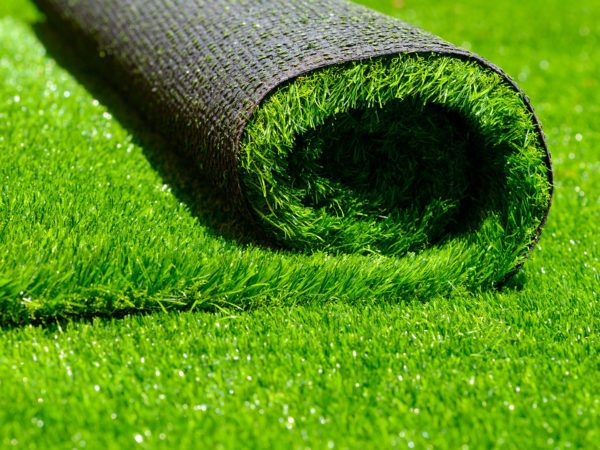
For areas where consistent green appearance is crucial, high-quality artificial grass provides year-round color with minimal maintenance.
The Bottom Line
LM grass browning during South African winters is completely normal and healthy. This natural dormancy period allows the grass to survive cold temperatures and return stronger in spring. Rather than viewing brown grass as a problem, embrace it as part of your lawn’s natural cycle.
Remember, patience is key. Resist the urge to over-water, over-fertilize, or take drastic measures with dormant grass. With proper winter care and patience, your LM grass will reward you with vigorous green growth when warmer weather returns.
Need Professional Help?
If you’re concerned about your lawn’s health or want to ensure optimal winter care, the experts at LawnKing Gardens are here to help. Our team understands the unique challenges of South African lawn care and can provide personalized advice for your specific situation.
Contact LawnKing Gardens today for a professional lawn assessment and a customized LM Grass winter care plan. Let us help you maintain a healthy lawn that’s ready to thrive when spring arrives.
LawnKing Gardens – Transforming South African landscapes one lawn at a time. Contact us for professional landscaping services, lawn care, and artificial grass installations throughout South Africa.