Installation of Artificial Turf on a Mini Golf Course
Creating an exceptional mini golf course requires meticulous planning, quality materials, and professional installation techniques. Whether you’re developing a commercial entertainment venue in Randburg or crafting a backyard putting paradise in Midrand, installing putting green artificial turf is the foundation of any successful mini golf project. This comprehensive guide will walk you through every aspect of artificial turf installation for mini golf courses, ensuring your investment delivers years of enjoyment and minimal maintenance.
Why Choose Artificial Turf for Your Mini Golf Course?
The decision to use putting green artificial turf for mini golf installations has become increasingly popular among both commercial operators and residential enthusiasts. Unlike natural grass, synthetic turf provides consistent playing conditions regardless of weather, season, or foot traffic. The precision required for mini golf demands a surface that offers reliable ball roll and predictable putting characteristics, making artificial grass the ideal choice for these specialized applications.
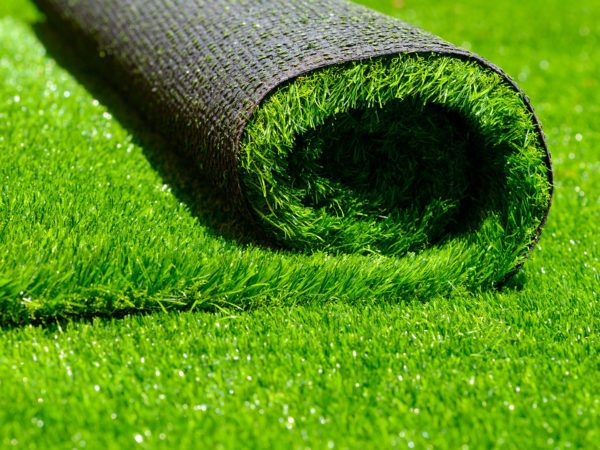
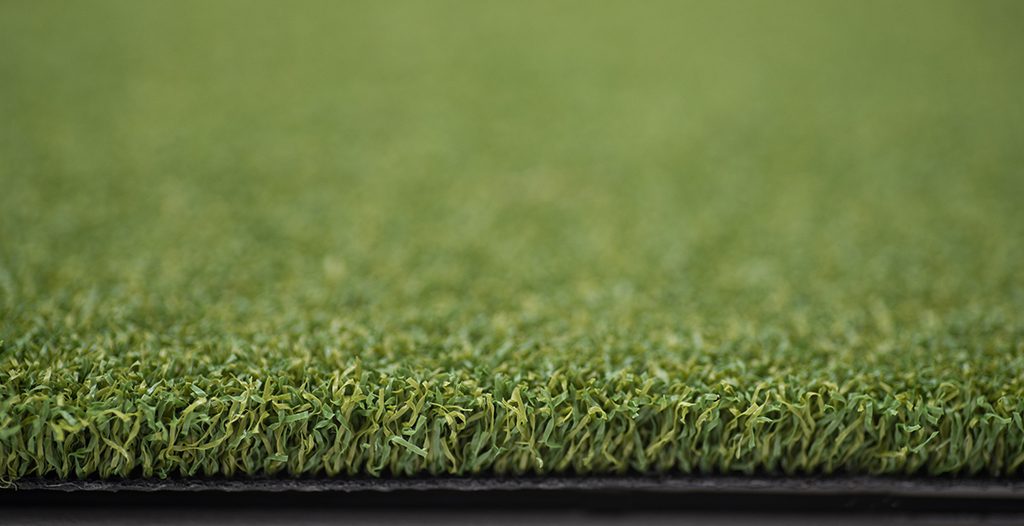
Modern artificial turf technology has evolved significantly, with specialized sports turf designed specifically for golf applications. These products feature shorter pile heights, consistent density, and enhanced durability that can withstand constant use while maintaining their appearance and performance characteristics. The elimination of watering, mowing, fertilizing, and pest control makes artificial turf particularly attractive for commercial mini golf operations where maintenance costs can quickly accumulate.
Planning Your Mini Golf Course Design
Before beginning any installation process, thorough planning is essential for creating a successful mini golf experience. Site assessment should consider factors such as drainage, accessibility, safety requirements, and aesthetic integration with surrounding landscapes. The design phase involves determining hole layouts, obstacle placement, and traffic flow patterns that will influence the artificial turf installation approach.
Professional consultation during the planning phase can prevent costly mistakes and ensure optimal results. Working with experienced artificial grass installation specialists helps identify potential challenges early in the process. Factors such as soil conditions, existing utilities, and local building regulations must be thoroughly evaluated before proceeding with installation.
The design should also consider maintenance access routes and storage requirements for equipment and supplies. Creating detailed installation plans that specify turf types, seaming locations, and drainage integration points will streamline the construction process and ensure consistent results across the entire mini golf course.
Essential Tools and Materials for Installation
Professional mini golf turf installation requires specialized equipment and high-quality materials to achieve optimal results. The foundation of any successful installation begins with proper site preparation tools, including excavation equipment, grading tools, and compaction machinery. Base material selection is crucial, with crushed aggregate typically providing the ideal foundation for artificial turf installations.
Quality artificial grass products specifically designed for putting applications offer superior performance characteristics. These specialized turfs feature precise pile heights, consistent density, and enhanced durability compared to standard landscaping products. Professional-grade adhesives, seaming tape, and infill materials ensure long-lasting installations that maintain their performance characteristics under heavy use.
Installation tools should include precision cutting implements, power stretchers, and specialized seaming equipment. Professional installation teams typically utilize plate compactors, laser levels, and drainage installation equipment to ensure proper foundation preparation. Quality control instruments such as pile height gauges and density measurement tools help maintain consistent installation standards throughout the project.
Step-by-Step Installation Process
Site Preparation and Excavation
The installation process begins with comprehensive site preparation that establishes the foundation for long-term performance. Existing vegetation, debris, and unsuitable soil materials must be completely removed to create a clean working surface. Excavation depth typically ranges from 75 to 100 millimeters, depending on drainage requirements and base material specifications.
Proper grading during excavation creates the gentle slopes and contours that enhance mini golf gameplay while ensuring effective water drainage. Professional installation teams use laser-guided equipment to achieve precise grades that prevent water accumulation and maintain consistent playing surfaces. Utility marking and protection protocols ensure existing infrastructure remains undisturbed throughout the excavation process.
Soil stabilization may be necessary in areas with poor drainage or unstable conditions. Chemical or mechanical stabilization techniques can improve foundation integrity and prevent future settling that could compromise turf performance. Proper site preparation typically represents 30-40% of total installation time but is crucial for achieving professional results.
Base Installation and Compaction
Foundation preparation involves installing multiple layers of carefully selected aggregate materials that provide stability, drainage, and support for the artificial turf system. The primary base layer typically consists of clean, angular crushed stone that allows water penetration while maintaining structural integrity under load.
Base material installation requires systematic compaction using appropriate equipment to achieve specified density levels. Professional teams utilize plate compactors or vibratory rollers to ensure uniform compaction across the entire installation area. Multiple passes with gradually increasing compaction intensity prevent over-compaction that could reduce drainage effectiveness.
Intermediate base layers may include finer aggregate materials that create smooth transitions and eliminate potential pressure points that could telegraph through the artificial turf surface. Each layer undergoes thorough compaction and quality inspection before proceeding to subsequent installation phases. Proper base installation prevents future settling, maintains drainage effectiveness, and ensures consistent turf performance throughout the mini golf course.
Drainage System Integration
Effective drainage is absolutely critical for mini golf installations, as standing water can significantly impact gameplay and turf longevity. Professional installations incorporate comprehensive drainage systems that handle both surface runoff and subsurface water management. Perimeter drains, catch basins, and distribution networks ensure rapid water removal during heavy rainfall events.
Subsurface drainage systems typically include perforated pipes installed within the aggregate base, connected to collection points that direct water away from playing surfaces. Proper pipe sizing, slope calculations, and connection details ensure reliable water removal under all conditions. Integration with existing site drainage infrastructure requires careful coordination to prevent conflicts or capacity limitations.
Surface drainage design creates gentle slopes that direct water toward collection points without creating uncomfortable playing conditions. Professional installers understand the balance between effective drainage and maintaining level putting surfaces essential for quality mini golf experiences. Regular inspection and maintenance access points ensure long-term drainage system effectiveness.
Professional Installation Techniques
Turf Layout and Cutting
Precision turf layout minimizes waste while ensuring optimal aesthetic and performance results across the mini golf course. Professional installers carefully plan panel placement to minimize seaming requirements and ensure grain direction consistency that affects ball roll characteristics. Strategic seam placement in low-traffic areas reduces visibility and extends installation longevity.
Cutting techniques require specialized tools and expertise to achieve clean, precise edges that create nearly invisible seams. Professional-grade cutting equipment produces smooth edges that facilitate proper adhesive bonding and prevent premature wear at seam locations. Template systems and measuring tools ensure accurate dimensions and eliminate costly material waste.
Turf acclimation allows materials to reach ambient temperature and relaxes installation stress before final placement. This process typically requires several hours of site conditioning, but significantly improves installation quality and reduces the likelihood of buckling or gap formation after completion.
Seaming and Adhesive Application
Professional seaming techniques create virtually invisible joints that maintain consistent playing characteristics across the entire mini golf surface. High-quality seaming tape and adhesive systems specifically formulated for outdoor applications ensure long-lasting bonds that withstand temperature fluctuations and moisture exposure.
Adhesive application requires precise temperature and humidity control to achieve optimal bonding characteristics. Professional installers monitor environmental conditions and adjust application techniques accordingly to ensure reliable seam integrity. Proper adhesive coverage and curing time are essential for creating seams that perform as well as the surrounding turf material.
Quality control during seaming includes tension adjustment, edge alignment, and adhesive penetration verification. Experienced installation teams understand the subtle techniques required to create seams that remain invisible and perform reliably throughout the installation’s service life. Post-installation seam inspection ensures all connections meet professional standards before proceeding to subsequent installation phases.
Specialized Considerations for Mini Golf Applications
Putting Surface Optimization
Mini golf installations require specialized attention to surface characteristics that affect ball roll and player experience. The selection of appropriate artificial turf products with optimal pile heights and fiber characteristics ensures consistent ball behavior across different course sections. Professional installations typically utilize turf products specifically engineered for putting applications rather than general landscaping materials.
Surface preparation techniques for mini golf applications focus on creating perfectly smooth foundations that prevent irregular ball roll. Specialized screeding and finishing techniques eliminate minor imperfections that could significantly impact gameplay. Professional installers understand the relationship between foundation preparation and final surface performance in putting applications.
Infill selection and application techniques directly influence ball roll characteristics and surface stability. Premium infill materials designed for golf applications provide optimal ball response while maintaining surface integrity under heavy use. Proper infill distribution ensures consistent playing conditions across the entire course and prevents the development of wear patterns that could affect gameplay.
Integration with Course Features
Mini golf courses typically incorporate various obstacles, decorations, and structural elements that require careful integration with artificial turf installations. Professional installation techniques ensure smooth transitions between turf areas and hard surfaces, creating safe and attractive playing environments. Proper edge treatments and transition strips prevent tripping hazards while maintaining aesthetic continuity.
Drainage integration around course features requires specialized techniques to prevent water accumulation while maintaining accessibility for maintenance activities. Professional installers understand how to incorporate decorative elements without compromising drainage effectiveness or creating maintenance challenges. Custom cutting and fitting techniques ensure tight, professional appearances around complex shapes and obstacles.
Safety considerations for mini golf installations include edge protection, slip resistance, and impact absorption characteristics. Professional installations incorporate appropriate safety features while maintaining the aesthetic and performance qualities essential for successful mini golf operations. Regular safety inspections and maintenance protocols ensure ongoing compliance with applicable standards.
Quality Assurance and Final Inspection
Professional installations conclude with comprehensive quality assurance procedures that verify all aspects of the completed project meet specified standards. Surface inspections examine turf alignment, seam quality, and overall appearance consistency across the entire mini golf course. Performance testing verifies ball roll characteristics and identifies any areas requiring adjustment or correction.
Drainage system testing ensures effective water removal under simulated rainfall conditions. Professional teams conduct comprehensive flow testing and inspect all collection points for proper operation. Documentation of test results provides baseline information for future maintenance and warranty purposes.
Client walkthrough and instruction sessions ensure proper understanding of maintenance requirements and warranty coverage. Professional installation companies provide detailed documentation, maintenance schedules, and contact information for ongoing support. Quality installations backed by comprehensive warranties provide long-term value and peace of mind for mini golf course operators.
Maintenance Requirements for Longevity
While artificial turf installations require significantly less maintenance than natural grass alternatives, proper care ensures optimal performance and appearance throughout the surface’s service life. Regular cleaning schedules remove debris and prevent accumulation of materials that could affect drainage or appearance. Professional maintenance programs provide systematic care that extends installation longevity and maintains warranty coverage.
Infill maintenance involves periodic redistribution and replenishment to maintain consistent playing characteristics and surface stability. Professional maintenance teams understand the specific requirements for golf turf applications and use appropriate techniques and materials. Regular inspections identify potential issues before they develop into significant problems requiring costly repairs.
Seasonal maintenance protocols address the unique challenges presented by different weather conditions and usage patterns. Professional maintenance programs include specialized services for playground turf and recreational applications that ensure safe, attractive playing surfaces year-round. Comprehensive maintenance documentation supports warranty claims and helps optimize long-term performance.
Cost Considerations and Return on Investment
Mini golf artificial turf installations represent significant initial investments that provide substantial long-term value through reduced maintenance costs and enhanced revenue potential. Professional installations typically cost more initially but deliver superior performance and longevity that justify premium pricing. Quality materials and expert installation techniques ensure reliable operation and minimize future repair requirements.
Operating cost comparisons between artificial and natural surfaces demonstrate significant savings in water, chemicals, equipment, and labor over the installation’s service life. Commercial mini golf operations benefit from consistent playing conditions that enhance customer satisfaction and repeat business. Residential installations provide years of family entertainment with minimal ongoing maintenance requirements.
Professional consultation helps optimize cost-effectiveness by selecting appropriate materials and installation techniques for specific applications and budgets. Experienced installation companies provide detailed cost breakdowns and financing options that make quality installations accessible to a broader range of clients. Long-term value analysis demonstrates the financial benefits of investing in professional installation services.
Choosing Professional Installation Services
Selecting qualified installation professionals ensures optimal results and protects your investment in mini golf artificial turf systems. Experienced contractors understand the specialized requirements for golf applications and possess the equipment, materials, and expertise necessary for successful installations. Professional services include comprehensive planning, quality materials, expert installation, and ongoing support that delivers superior value.
LawnKing’s expertise in artificial grass installation throughout the Randburg and Midrand areas provides local knowledge and proven performance for mini golf applications. Their commitment to quality materials, professional installation techniques, and comprehensive customer support ensures successful projects that exceed client expectations. Professional consultation services help optimize designs and select appropriate materials for specific applications and budgets.
The investment in professional installation services pays dividends through superior performance, extended longevity, and reduced maintenance requirements. Quality installations backed by comprehensive warranties provide peace of mind and protect against unforeseen issues. Professional installation teams deliver turnkey solutions that allow clients to focus on enjoying their new mini golf facilities rather than worrying about construction details.
For professional putting green artificial turf installation services and expert guidance on creating your dream mini golf course, contact LawnKing today. Their experienced team provides comprehensive solutions from initial consultation through final installation, ensuring your project achieves the highest standards of quality and performance. Whether you’re planning a commercial entertainment facility or a residential putting paradise, professional installation services deliver the expertise and results that make your mini golf vision a reality.
For additional information about mini golf course maintenance best practices, consult with experienced professionals who understand the unique requirements of artificial turf golf installations.
Recent Posts: