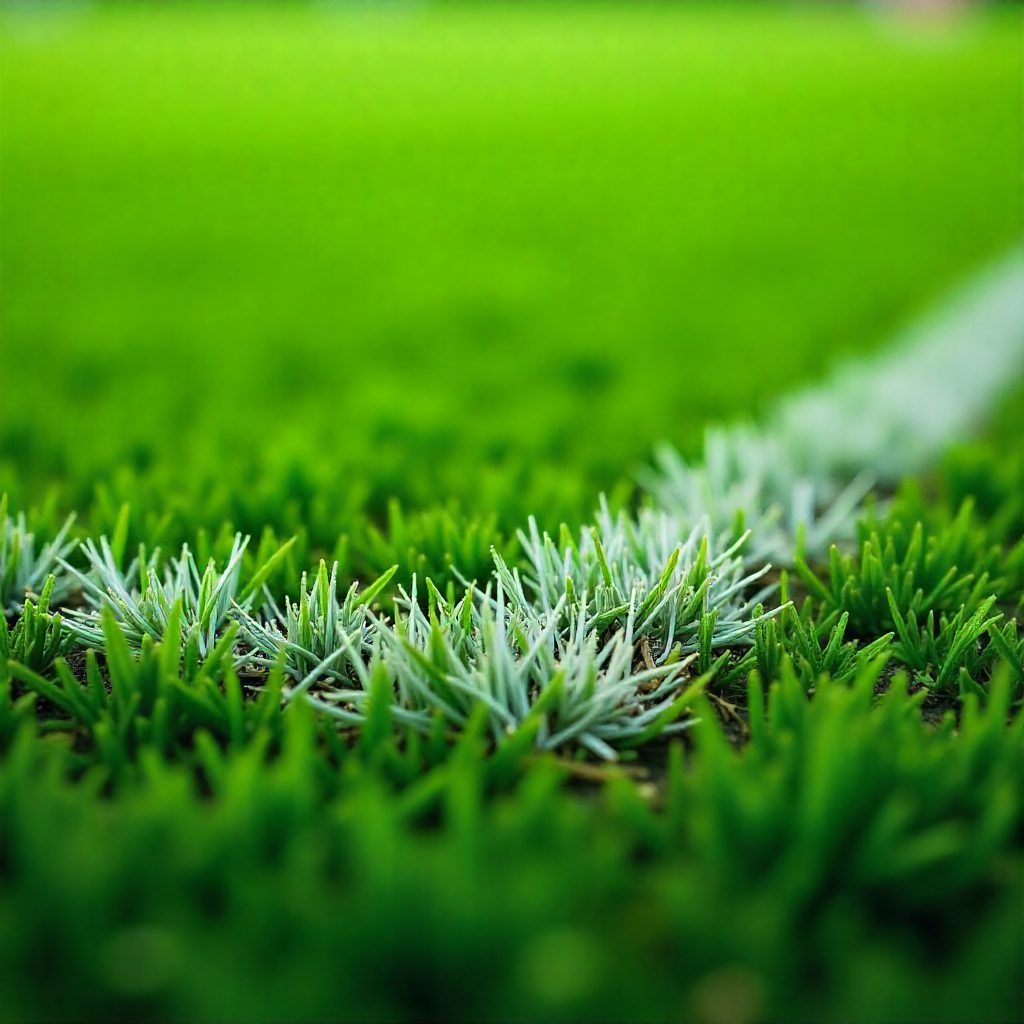
Converting Unused Pool Areas or Large Gardens into Tennis Courts
Transforming idle or under-utilised outdoor space into a high-value, recreational asset is gaining momentum across Gauteng. For residential estates in Kempton Park and Benoni, converting unused pools or expansive gardens into bespoke tennis courts is an elegant way to repurpose land, increase property value, and enrich lifestyles. In this post, we explore the landscape integration strategies, real-life success stories, and practical steps—especially in the context of artificial grass courts—through the lens of a local Turf & Landscaping specialist (Randburg / Midrand) like LawnKing.
Why Choose Artificial Grass for a Converted Tennis Court?
When considering a tennis court conversion, you have several surface options: clay, acrylic hardcourt, natural grass, or synthetic turf. In the Johannesburg / East Rand climate and for residential settings, artificial grass emerges as a top contender, thanks to these advantages:
-
Low maintenance: Fewer watering, mowing, fertilising demands
-
All-weather playability: Good drainage and durability under seasonal rain
-
Aesthetic continuity: Seamless blend with surrounding lawns and gardens
-
Long lifespan: When installed properly over a robust sub-base
-
Customisation: Tailored pile heights, infill systems, shock pads, and colour blends
LawnKing already offers dedicated Tennis Courts under its Sports Surfaces division. lawnking.co.za Moreover, in our blog “Can I build my tennis court using artificial grass?” we discuss viability, required specs, and considerations. lawnking.co.za
By converting unused pool decks or large gardens, homeowners avoid the waste of dormant assets and instead garner both aesthetic and functional returns.
Success Stories: Kempton Park & Benoni Estate Conversions
Case Study 1: Kempton Park Suburban Estate — From Pool Hollow to Premium Court
In a gated estate in Kempton Park, a homeowner faced a shallow, disused plunge pool and surrounding terrace that had become an eyesore. They engaged a landscaping contractor (partnering with LawnKing) to:
-
Drain & fill the pool structure with engineered fill and granular base
-
Re-grade for slope and drainage away from the home
-
Install the sub-base and geotextile underlayer
-
Lay the artificial grass tennis surface with shock pad + infill
-
Landscape buffer zones of natural turf, plantings, and border edging
The result: A regulation-sized court (approx. 23.77 m × 10.97 m for singles/doubles use) now anchors the backyard, with synthetic turf connecting seamlessly into the existing garden. The integration was so polished that visitors often remark on how “natural” the conversion feels.
Case Study 2: Benoni Estate Garden to All-Weather Sports Hub
A large garden in a Benoni estate, previously used only for occasional gatherings, became the canvas for a multifunction tennis / netball court. The steps included:
-
Removal of mature trees interfering with the plane
-
Installation of enhanced drainage trenches across subsoil
-
Layering of crushed stone, fine aggregate, and final levelling
-
Artificial turf surface optimized for multi-sport lines
-
Surrounding perimeter planting, seating, subtle lighting
This conversion was embraced by the family and guests, turning dead garden space into an active social heart. Property appraisals later indicated a substantial uplift in value due to the sports amenity.
These local successes showcase the viability of repurposing unused areas into premium tennis surfaces, especially in Kempton Park & Benoni estates.
Landscape Integration & Design Considerations
When converting a space like a pool deck or garden into a tennis court, design sensitivity is critical. Below are guiding principles for achieving harmony:
1. Elevation & Drainage Compatibility
Ensure that your court does not become a “bathtub” when it rains. The converted surface must be slightly crowned or sloped (commonly 1 % crossfall) to channel water off the play area. Subsurface drainage pipes and lateral drains often tie into existing stormwater systems or soakaways.
2. Seamless Transition Zones
Use a “soft edge” buffer between the artificial court and natural garden. This could be a narrow strip of real turf, river pebbles, or low groundcovers. That buffer cushions visual contrast and creates smooth landings for wheels (e.g. chairs) or walking.
3. Planting Strategy & Tree Placement
Trees or tall hedges should be set back from the court to avoid leaf litter, root damage, and shading that disturbs surface uniformity. Select species with non-invasive roots, manageable litter drop, and that facilitate airflow. Mulched planting beds with edging keep dirt off the court.
4. Perimeter Fencing & Wind Screening
Tennis courts require fencing (often 3 m at ends, 1.8–2 m sides). To maintain visual elegance, choose powder-coated, thin-profile fencing with mesh infill, and use windbreak planting (such as compact evergreens) to reduce wind blow without blocking views.
5. Lighting, Seating & Storage
Incorporate low-glare LED lighting for night play, benches tucked behind fencing lines, and compact storage for nets/balls. Integrated design ensures that the court feels part of the overall estate landscape, not a bolt-on appendage.
6. Acoustic & Privacy buffers
If adjacent properties are close, use earthen berms, vegetative screens, or gabion walls to dampen ball noise and enhance privacy.
Technical Workflow: What It Takes to Convert
Below is a simplified narrative of how LawnKing would typically execute such conversions:
-
Initial Site Survey: Measure the area, check existing slopes, soil strata, and existing drainage.
-
Design & Permitting: Produce plan showing court orientation (often north/south axis), drainage layout, fencing, and integration with garden.
-
Excavation & Base Works: Remove unwanted substrate (pool shell, turf, topsoil) to depth (often 150–200 mm plus base layers).
-
Sub-base Construction: Compacted layers of crushed stone and screened aggregate; geotextile separation; leveling screed.
-
Drainage Infrastructure: Install perforated pipes in trenches under court tied to soakaways or storm lines.
-
Shock Pad / Cushion Layer (optional, for comfort, especially in residential settings)
-
Turf Laying & Seaming: Use precision seams, high-tension bonding, and correct orientation.
-
Infill & Grooming: Use silica sand or rubber infill systems to achieve correct bounce and ball roll.
-
Line Marking & Equipment Installation: Paint or inlay lines, set posts, net and tensioning.
-
Landscape Tie-ins: Edge detailing, planting beds, walkways, and gradual blending to existing garden.
-
Post-Install Maintenance & Hand-over
You can read more about the sub-base requirements in our detailed explainer “All about Artificial Turf Sub-Base”. lawnking.co.za And for guidance on space requirements for courts, refer to our article “How Much Space Do You Need for a Tennis Court?” lawnking.co.za
SEO & Marketing Takeaways for Artificial Grass Providers
From a content and lead-generation perspective, posts like this serve multiple goals:
-
Target the long-tail keyword “converting unused pool area to tennis court” or “large garden to tennis court conversion”
-
Use internal linking to your relevant service pages:
-
Tennis Courts (Sports Surfaces) lawnking.co.za
-
Artificial Grass product pages lawnking.co.za
-
Surface options for Johannesburg lawnking.co.za
-
Cost-breakdown article “How Much Does It Cost to Build a Tennis Court?” lawnking.co.za
-
Blog landing pages or blog index lawnking.co.za
-
-
Incorporate real project photos (Kempton Park, Benoni) with alt-tags referencing “tennis court conversion artificial grass Kempton Park” or “Benoni estate tennis court”.
-
Use heading structure (H1, H2, H3) with main keyword and supporting variants (e.g. H2 “Landscape integration”, H3 “Technical workflow”).
-
In relevant paragraphs, sprinkle secondary keywords like “artificial grass tennis court”, “court conversion Gauteng”, “estate sports surfaces”.
-
Include a compelling call-to-action: “Contact LawnKing for a site evaluation for converting your unused pool or garden into a premium tennis court.”
-
Promote across social media, local estate-agent networks, and Google My Business posts to attract local leads in Randburg, Midrand, Kempton Park, Benoni.
Global References & Comparisons
To enrich authority and show that this is a globally accepted trend, here are two external resources:
-
The American Tennis Industry Association (TIA) discusses synthetic turf systems for residential courts and their bounce consistency.
-
A case from the U.S. (e.g., “converting a pool into a court” stories in landscaping publications) — for instance, articles in Landscape Architecture Magazine often profile dramatic repurposing of water features into recreation areas.
These reinforce that converting pools or gardens into courts is not just a local fad but a mature concept in high-end landscaping worldwide.
Final Thoughts
Converting an unused pool area or expansive garden into a full-scale, all-weather, artificial grass tennis court is a powerful way to elevate the function, appearance, and value of a Gauteng estate. Success in Kempton Park and Benoni demonstrates that with careful planning, expert sub-base engineering, and thoughtful landscape integration, such transformations can feel entirely natural rather than forced.
For homeowners or estate developers in Randburg, Midrand, or across Greater Johannesburg seeking a seamless, locally supported solution, LawnKing is well placed to deliver. With in-house expertise across artificial turf, landscaping, drainage, and recreational surfaces, we can help you reimagine wasted space into a signature asset.