Multi-Sport Court Designs
Maximizing Court Usage with Versatile Surface Solutions for Active Families
For active families in Edenvale and Bedfordview, finding the perfect outdoor space for multiple sports can be challenging. Traditional single-sport courts often leave someone disappointed. The solution lies in innovative multi-sport court designs. These transform your backyard into a versatile athletic hub using advanced artificial grass technology.
The demand for multi-sport courts has grown significantly across Johannesburg’s eastern suburbs. Families in Edenvale and Bedfordview seek to maximize their outdoor living spaces. They want to promote active lifestyles. These combined courts offer an intelligent solution. They deliver exceptional value, flexibility, and year-round playability. Plus, they eliminate the maintenance headaches of natural grass surfaces.
Understanding Multi-Sport Court Design and Functionality
The Concept of Combined Sports Surfaces
Multi-sport courts represent a sophisticated approach to recreational space planning. They allow families to enjoy tennis, netball, and basketball on a single surface. The key to success lies in precise dimensional planning. Selecting the appropriate surface material is crucial. It must withstand the unique demands of each sport.
Standard Court Dimensions and Layout
A standard tennis court measures approximately 23.77 meters by 10.97 meters. A full-size basketball court spans 28 meters by 15 meters. Netball courts measure 30.5 meters by 15.25 meters. By carefully overlaying court markings and optimizing dimensions, a multi-sport court can typically be designed around 30 meters by 15 meters. This provides sufficient space for all three sports.
The Advantage of Multiple Line Markings
The beauty of artificial grass solutions is their versatility. They can accommodate multiple line colors and configurations. There are no wear patterns like natural grass would develop. Professional installers can create clearly defined boundaries for each sport. Different colored lines ensure players can easily distinguish between tennis baselines, basketball three-point lines, and netball shooting circles.
Why Artificial Grass is the Superior Choice for Multi-Sport Courts
Consistent Playing Conditions Year-Round
When considering surface options for your combined court, artificial grass for sports applications emerges as the clear winner. It outperforms traditional surfaces like asphalt, concrete, or natural grass. Modern sports turf technology has revolutionized recreational court construction. It offers benefits that extend far beyond basic playability.
Predictable Ball Bounce and Performance
Artificial grass provides consistent ball bounce characteristics. This is crucial for tennis players who depend on predictable surface behavior. Natural grass becomes uneven with wear. It gets slippery when wet. Quality synthetic turf maintains uniform playing conditions. Weather doesn’t matter. Usage intensity doesn’t matter. This consistency proves particularly valuable for families practicing multiple sports. Children can develop proper technique without compensating for irregular surfaces.
Enhanced Safety Through Shock Absorption
The shock absorption properties of premium artificial sports turf significantly reduce impact stress. This protects joints and muscles. It makes the surface safer for players of all ages. This cushioning effect becomes especially important for basketball and netball. These sports involve jumping and quick directional changes. They place considerable strain on knees and ankles. Parents appreciate knowing their children can play vigorously with reduced injury risk.
Minimal Maintenance Requirements
Maintenance requirements drop dramatically with artificial grass courts. Natural grass courts demand constant attention. They need mowing, watering, fertilizing, and reseeding. All of this consumes time and money. Synthetic turf requires only occasional brushing and rinsing. For busy Edenvale and Bedfordview families, this translates to more time enjoying sports. Less time goes to tedious maintenance tasks.
Climatic Considerations for Edenvale and Bedfordview Properties
Weather Challenges in the Region
The climate in Edenvale and Bedfordview presents unique challenges. The region experiences hot summers with intense UV exposure. Periodic heavy rainfall is common. Occasional frost occurs during winter months. These conditions can wreak havoc on natural grass courts. They create muddy conditions after rain. Brown patches appear during dry spells. Uneven playing surfaces persist throughout the year.
UV Protection and Color Retention
Quality artificial grass designed for sports incorporates advanced UV stabilizers. These prevent degradation and color fading. Even harsh Johannesburg sun doesn’t affect them. Your multi-sport court maintains its vibrant appearance. Structural integrity lasts for years. You get consistent aesthetics that enhance property value. Plus, you receive reliable performance.
Superior Drainage Systems
Drainage capabilities represent another critical consideration. Our region’s weather patterns demand proper planning. Professional artificial grass installation in Edenvale incorporates effective drainage systems. These channel water away quickly. Play can resume shortly after rainfall. This weather-independent functionality is valuable. Your family can maintain regular practice schedules. No frustrating cancellations due to waterlogged surfaces.
Temperature Management Features
The thermal properties of modern sports turf have improved significantly. Concerns about surface heat during summer months are addressed. Advanced infill materials help dissipate heat. Special turf backing systems work effectively. They create more comfortable playing conditions. Even peak afternoon temperatures are manageable. This makes your multi-sport court usable throughout the year. It maximizes your investment value.
Designing Your Perfect Multi-Sport Court Layout
Site Assessment and Space Planning
Creating an effective multi-sport court requires thoughtful planning. You must balance the dimensional requirements of each sport. Consider your available space carefully. The design process begins with accurate site measurement. You need to assess factors like sun orientation. Consider existing landscaping. Review property boundaries.
Options for Limited Space
For families in Bedfordview and Edenvale with limited space, scaled-down courts work well. A court measuring approximately 20 meters by 12 meters still accommodates modified versions. You can play tennis, basketball, and netball. These aren’t regulation size. However, they provide ample space for recreational play. They’re perfect for skill development. They work particularly well for younger family members. The key is working with experienced installers. They understand how to optimize line placement. They know proper court orientation for maximum functionality.
Sun Orientation and Playing Comfort
Sun orientation significantly impacts playing comfort. It affects visibility too. Ideally, courts should run north-south. This minimizes sun glare during morning and evening play. However, site constraints don’t always permit ideal orientation. Professional consultation with artificial grass specialists in Bedfordview proves invaluable. They identify creative solutions. These work with your specific property layout.
Safety Zones and Additional Features
Surrounding space considerations factor into court design. Adequate runoff areas beyond court boundaries ensure player safety. This matters during fast-paced games. It’s particularly important for basketball and netball. Out-of-bounds plays occur frequently. Planning for appropriate fencing matters. Consider lighting needs. Think about spectator areas. This transforms a simple court into a comprehensive recreational facility. It becomes the neighborhood gathering spot.
Technical Specifications for Sports Turf Selection
Understanding Pile Height Requirements
Not all artificial grass products suit multi-sport court applications equally. Tennis, netball, and basketball have specific requirements. The turf needs particular characteristics. Consider pile height, density, and backing strength. Infill composition matters. Understanding these technical aspects helps ensure your investment delivers optimal performance.
Optimal Pile Height Range
Pile height for multi-sport courts typically ranges between 10mm and 20mm. This strikes a balance. Tennis players prefer faster ball speed. Basketball and netball require stability for footwork. Shorter pile heights generally provide more consistent ball bounce. They reduce the risk of ankle twisting during quick directional changes. Adequate cushioning must be maintained. This comes through proper underlay and infill selection.
Importance of Turf Density
Turf density impacts durability and playing characteristics. It’s measured in stitches per meter. Higher density products withstand heavy use better. They provide more uniform surfaces. However, they come at a premium price. For family courts expecting regular use, investing in higher density turf pays dividends. You get extended lifespan. Playing quality is maintained.
Backing Material and Construction
The backing material determines the turf’s dimensional stability. Construction method matters too. It affects resistance to seam separation under stress. Quality sports turf features reinforced backing systems. These prevent stretching or shrinking with temperature fluctuations. Court line markings remain accurate over time. This stability proves particularly important. Tennis and netball require precise measurements.
Selecting the Right Infill Material
Infill materials significantly influence playing characteristics. They affect surface temperature too. Sand infill provides excellent stability and drainage. Modern alternatives like TPE granules offer benefits. TPE stands for thermoplastic elastomer. These offer superior shock absorption. Surface temperatures stay cooler. Your artificial turf specialist can recommend the optimal infill combination. This depends on your specific usage patterns. Budget considerations matter too.
Installation Process and Timeline Expectations
Phase One: Site Preparation
Professional multi-sport court installation follows a systematic process. This ensures proper drainage. You get level playing surfaces. Long-term durability is guaranteed. Understanding the installation phases helps families plan accordingly. You can set realistic expectations for project completion.
Excavation and Ground Work
Site preparation forms the foundation of successful court construction. This phase involves excavating to the required depth. Typically, this means 150-200mm. Proper drainage gradients must be created. Existing vegetation must be removed. The subgrade needs compacting. This prevents future settling. Settling could create uneven playing surfaces. In Edenvale and Bedfordview’s clay-heavy soils, this preparation phase proves particularly crucial.
Phase Two: Base Layer Installation
Base layer installation follows site preparation. This typically uses crushed stone or recycled concrete aggregate. The material gets compacted to create a stable, permeable foundation. This layer facilitates water drainage. It provides a solid platform for the artificial grass installation. Proper compaction cannot be overstated. Inadequate base preparation leads to depression formation. Surface irregularities develop over time.
Phase Three: Artificial Grass Installation
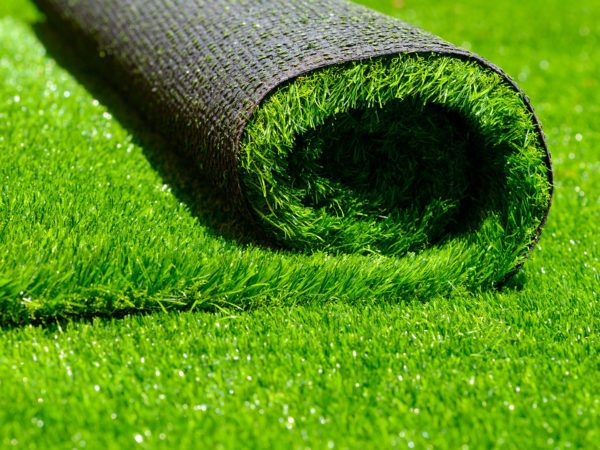
The artificial grass installation phase involves rolling out turf sections. Precise cutting fits court dimensions. Secure seaming between pieces is essential. Professional installers use specialized adhesives. They employ expert seaming techniques. These create virtually invisible joints. The joints can withstand years of intensive use. Court line marking occurs during this phase. You have options for inlaid lines. These are most durable. Painted lines are more budget-friendly. However, they require periodic maintenance.
Phase Four: Infill and Final Grooming
Infill distribution and grooming complete the installation process. This ensures uniform pile direction. Proper turf stability is achieved. Multiple passes with specialized grooming equipment work infill materials deep into the turf pile. This secures fibers upright. Optimal playing characteristics are created. Final inspections verify proper drainage function. Line marking accuracy is checked. Overall court levelness is confirmed before project sign-off.
Expected Timeline
Total installation timeline for a standard multi-sport court ranges from five to ten working days. Weather affects this timeline. Proper planning minimizes disruption to your property. Material preparation matters. Quality craftsmanship is ensured throughout the project.
Cost Considerations and Return on Investment
Understanding Initial Investment
Budget planning for multi-sport court installation requires understanding both upfront costs and long-term value. Artificial grass courts represent a significant initial investment. However, they deliver compelling returns. Reduced maintenance expenses add up. Enhanced property value matters. The immeasurable lifestyle benefits for active families are invaluable.
Material Cost Variables
Material costs vary based on turf quality. Court size affects pricing. Installation complexity plays a role. Premium sports turf designed for intensive use commands higher prices. It costs more than basic landscape-grade products. The performance differences justify the premium. Durability differences matter for serious sporting applications. Site-specific factors influence overall project costs. Consider existing grade. Drainage challenges may exist. Access constraints affect pricing.
Long-Term Maintenance Savings
Ongoing maintenance expenses for artificial grass courts prove remarkably modest. They’re far less than natural grass alternatives. Families typically spend minimal amounts annually. Occasional deep cleaning is needed. Periodic grooming maintains optimal playing conditions. This contrasts sharply with natural grass courts. Those require continuous investment in irrigation. Mowing equipment costs money. Fertilizers add up. Herbicides are expensive. Regular reseeding of worn areas never ends.
Property Value Enhancement
Property value enhancement represents another significant return on investment. Well-designed recreational facilities increase property appeal. Future buyers appreciate them. Families with children prioritize active outdoor lifestyle opportunities. The multi-sport functionality broadens appeal. It reaches across potential buyer demographics. This beats single-purpose courts.
Health and Lifestyle Returns
Health and lifestyle benefits are harder to quantify financially. However, they arguably provide the greatest return on investment. Families with convenient, attractive multi-sport courts spend more time outdoors. They’re more active together. This promotes physical fitness. Skill development improves. Family bonding strengthens. Screen time reduces. Sedentary behavior decreases. The long-term health benefits are substantial. Cherished memories created on your family court far exceed any monetary investment.
Essential Accessories and Enhancement Options
Lighting Systems for Extended Play
Maximizing your multi-sport court functionality extends beyond the playing surface itself. Strategic accessories transform a basic court. Enhancements create a comprehensive recreational facility. This serves your family’s needs throughout different seasons. Different times of day are accommodated.
Benefits of LED Sports Lighting
Lighting systems dramatically extend court usability. This matters particularly during winter months. Daylight hours shorten. LED sports lighting provides excellent visibility. It remains energy-efficient. Families can enjoy evening practice sessions. Weekend tournaments work regardless of sunset timing. Properly designed lighting systems illuminate the entire playing surface uniformly. Light pollution to neighboring properties is minimized.
Fencing for Ball Control and Privacy
Fencing serves multiple purposes for multi-sport courts. It contains balls within the playing area. Privacy is provided. Security is enhanced. Chain-link fencing remains the most economical option. Families increasingly opt for powder-coated alternatives. Colors can match property aesthetics. Fence height recommendations vary by sport. Tennis typically requires 3-4 meter fencing. This contains lofted balls effectively.
Ball Return Systems
Ball return nets and backstops prevent errant shots from disturbing gardens. Adjacent areas stay protected. These accessories prove particularly valuable for tennis practice. Solo players can work on groundstrokes. They don’t constantly retrieve balls. Retractable or removable options provide flexibility. The court can serve different sporting purposes.
Portable Equipment Options
Portable equipment maximizes court versatility. Consider basketball hoops. Think about netball posts. Tennis nets with adjustable height settings work well. Quality portable systems allow quick sport transitions. No permanent installation commitments are needed. Families get flexibility to adapt court configuration. This works based on immediate needs. Emerging sporting interests are accommodated.
Spectator Comfort Features
Seating areas enhance spectator comfort. Shade structures matter too. The court area transforms into an entertainment venue. It becomes suitable for neighborhood gatherings. Family celebrations work well. Covered seating protects observers from sun exposure. Defined spaces are created for players awaiting their turn. Areas for resting between games are provided.
Maintenance Best Practices for Longevity
Establishing Regular Care Routines
Artificial grass courts require far less maintenance than natural alternatives. However, implementing proper care routines ensures optimal performance. Your investment’s lifespan extends. Establishing regular maintenance schedules helps. Understanding basic care principles keeps your multi-sport court looking new. Performance stays like new for many years.
Weekly Debris Removal
Regular debris removal forms the foundation of artificial grass maintenance. Weekly sweeping prevents problems. Leaf blowing works too. This prevents organic material accumulation. Accumulation can interfere with drainage. Uneven playing surfaces can result. In Edenvale and Bedfordview’s tree-lined neighborhoods, this proves particularly important. Autumn months bring increased leaf fall.
Quarterly Deep Cleaning
Periodic deep cleaning is typically done quarterly. Usage intensity may require more frequent cleaning. This removes embedded dirt. Sanitary playing conditions are maintained. Professional cleaning services use specialized equipment. Eco-friendly solutions penetrate deep into the turf pile. Fibers don’t get damaged. Backing materials stay intact. Families with pets using the court area may benefit from more frequent professional cleaning. This eliminates odors and bacteria.
Infill Redistribution and Grooming
Infill redistribution sessions restore pile orientation. They ensure consistent playing characteristics across the entire court surface. High-traffic areas naturally experience more compression over time. Basketball key areas see heavy use. Tennis service boxes get compressed. Regular grooming with specialized brushes redistributes infill materials. Turf fibers get lifted. Uniform appearance and performance are maintained.
Regular Inspection Protocols
Inspection routines help identify minor issues. You catch them before they develop into significant problems. Check seams for separation. Monitor drainage effectiveness after rainfall. Examine line marking condition. This allows prompt attention to concerns. Otherwise, these could compromise court functionality. Most quality installations require minimal intervention. Vigilance ensures small maintenance needs don’t escalate unnecessarily.
Winter Care Considerations
Winter preparation in our region involves minimal special considerations. Colder climates require more work. Protecting courts from debris accumulation during occasional frost periods prevents surface damage. The permeable nature of quality artificial grass installations prevents ice formation beneath the surface. Structural integrity is maintained through temperature fluctuations.
Permitting and Compliance Considerations
Understanding Local Regulations
Before commencing multi-sport court construction, understand local regulations. Obtaining necessary approvals ensures your project proceeds smoothly. You avoid costly delays. Compliance issues don’t arise. Requirements vary by specific location. This applies within Edenvale and Bedfordview. Several common considerations apply across most residential properties.
Building Plan Approval Requirements
Building plan approval requirements depend on court dimensions. Location relative to property boundaries matters. Local authority regulations apply. Some municipalities classify sports courts as permanent structures. These require formal building plans and inspections. Others permit them under exemption provisions. Consult with your artificial grass installation specialist. Talk to your local planning department. This clarifies specific requirements for your property. Do this before project commencement.
Property Boundary Setbacks
Property boundary setback regulations typically mandate minimum distances. These apply between court edges and neighboring property lines. These requirements protect neighbor privacy. They minimize noise impact from recreational activities. Planning courts with adequate setbacks from the outset prevents compliance issues. Positive relationships with adjacent homeowners are maintained.
Homeowner Association Rules
Homeowner association rules may impose additional restrictions where applicable. These might cover court dimensions. Fencing styles could be specified. Lighting specifications may be mandated. Review your estate’s architectural guidelines. Obtain necessary approvals before construction. This prevents conflicts. You avoid expensive modifications after installation completion.
Drainage and Runoff Planning
Drainage planning must consider on-site water management. You must also ensure runoff doesn’t adversely impact neighboring properties. Professional installation includes proper drainage design. This channels water responsibly. Both functional needs are met. Regulatory requirements regarding stormwater management are satisfied.
Community and Social Benefits of Multi-Sport Courts
Creating Neighborhood Gathering Spaces
Beyond individual family benefits, well-designed multi-sport courts contribute significantly to neighborhood vitality. They enhance social cohesion. These recreational facilities naturally become gathering points. They strengthen community bonds. Active, healthy lifestyles are promoted across multiple generations.
Natural Social Interaction for Children
Neighborhood children gravitate toward properties with quality sports facilities. Natural opportunities for social interaction are created. Friendship development occurs outside structured school environments. Parents appreciate knowing where their children play. They foster relationships with neighboring families. These families share similar values around active outdoor recreation.
Informal Coaching and Mentorship
Multi-sport courts provide ideal venues for informal coaching. Skill development happens naturally. Experienced players mentor younger enthusiasts in various sports. These organic learning opportunities supplement formal training. Confidence builds. Competence grows across multiple athletic disciplines. The varied sporting options prevent boredom. Children develop diverse physical literacy skills.
Community Events and Tournaments
Community tournaments create memorable experiences. Friendly competitions strengthen neighborhood identity. Host weekend basketball round-robins. Organize netball skills clinics. Run tennis ladder competitions. These events foster camaraderie. They provide motivation for continued skill development.
Inclusive Recreation for All Ages
The inclusive nature of multi-sport facilities accommodates different interests. Various ability levels are supported. Family members find appropriate activities. Neighbors discover activities matching their preferences. This versatility promotes broader participation in physical activity. Single-sport facilities appeal to narrower demographic segments.
Making Your Multi-Sport Court Dream a Reality
Partnering with Experienced Professionals
Transforming your Edenvale or Bedfordview property with a professional multi-sport court represents a significant decision. It delivers lasting value for active families. The combination of tennis, netball, and basketball functionality maximizes outdoor space utilization. An entertainment hub is created. It serves your family for decades.
The Importance of Expert Installation
Success depends on partnering with experienced professionals. They must understand the technical requirements of sports turf installation. Proven expertise in multi-sport court design is essential. From initial consultation through final project completion, working with specialists ensures results. Your investment delivers the performance your family deserves. Durability meets expectations. Aesthetic appeal satisfies.
Initial Consultation and Site Assessment
The journey begins with a comprehensive site assessment. Professionals evaluate your available space. Existing conditions are examined. Specific sporting priorities are discussed. This consultation phase establishes realistic expectations. Court dimensions are determined. Optimal orientation is identified. Budget requirements are clarified. Any site-specific challenges are identified. Creative solutions are developed.
Design Development Phase
Design development follows the assessment. Detailed plans show exact court layouts. Line marking configurations are specified. Recommended accessory placements are shown. This visual representation helps families understand integration. You see how the finished court works with existing landscaping. All stakeholders share common expectations. This happens before construction commences.
Professional Installation with Warranties
Professional installation backed by appropriate warranties provides peace of mind. Your investment is protected. Quality contractors stand behind their workmanship. They guarantee the materials they install. Warranties demonstrate confidence in product quality. Service quality is backed too.
The Finished Result
The result is a versatile, low-maintenance recreational facility. It enriches your family’s daily life. Property value increases. Neighborhood appeal is enhanced. Your multi-sport court becomes the backdrop for countless memories. Children learn their first tennis serves. Neighborhood championships become annual traditions.
Taking the Next Step
For families in Edenvale and Bedfordview ready to maximize outdoor living potential, professional multi-sport court installation represents a smart investment. Advanced artificial grass technology delivers results. You invest in health. You invest in happiness. Lasting family connections are created. The combination of tennis, netball, and basketball functionality ensures something for everyone. Your property transforms into the neighborhood destination for active recreation.
Discover how LawnKing Gardens can help you create the perfect multi-sport court solution. Solutions are tailored to your family’s needs. Property characteristics are considered. They have extensive experience in sports turf installation. They cover Johannesburg’s eastern suburbs. Their team delivers expertise. Quality materials are used. Professional craftsmanship is guaranteed. Your multi-sport court exceeds expectations for years to come.
Additional Resources for Multi-Sport Court Planning
International Standards and Guidelines
According to the International Tennis Federation, proper court dimensions and surface specifications are crucial. Player development depends on them. Enjoyment matters across all skill levels. Their comprehensive guidelines help families understand technical requirements. Professional installers incorporate these into multi-sport court designs.
Technical Planning Resources
The Sport England technical guidance provides valuable insights into sports facility planning. Multi-use court configurations are covered. These maximize space efficiency. Appropriate playing conditions are maintained for different sports. These resources complement the practical expertise. Experienced artificial grass specialists bring this to residential court projects.
Combining Knowledge for Optimal Results
By combining international best practices with local expertise, families in Edenvale and Bedfordview can create exceptional multi-sport facilities. Advanced artificial grass technology makes this possible. Properties transform into active lifestyle destinations. The investment in quality design pays dividends. Quality materials matter. Professional installation is essential. You get years of reliable performance. Countless hours of family enjoyment await. Multiple sporting disciplines are covered.
Recent Posts:
- Tennis Court Resurfacing: When and How to Renovate Courts in Midrand, Kyalami & Woodmead
- Tennis Court Resurfacing: When and How to Renovate Courts in Midrand, Kyalami & Woodmead
- Converting Unused Pool Areas or Large Gardens into Tennis Courts: Success Stories in Kempton Park & Benoni Estates
- Fencing and Privacy Options for Tennis Courts in Houghton, Westcliff & Parkview: Style Meets Function
- Tennis Court Drainage Systems: Preventing Water Damage in Randburg, Roodepoort & Northern Suburbs