Dogs Artificial Turf in Johannesburg
As a pet owner in Johannesburg, you want the best for your furry friend, including a safe and comfortable outdoor space where they can play, exercise, and relax. With the city’s challenging climate conditions and water restrictions, many homeowners turn to artificial turf as a practical solution for creating pet-friendly outdoor areas. This comprehensive guide explores the pros and cons of artificial turf for dogs in Johannesburg, helping you make an informed decision about whether synthetic grass is the right choice for your pet and property.
Understanding Artificial Turf for Dogs in Johannesburg
Johannesburg’s unique climate presents specific challenges for maintaining natural grass lawns. The city’s highveld location means dealing with seasonal variations, potential water restrictions, and soil conditions that can make traditional lawn care demanding and expensive. Artificial turf offers a pet-friendly solution, free from pests, allergens, and harmful chemicals, making it an increasingly popular choice among pet owners in the northern suburbs.
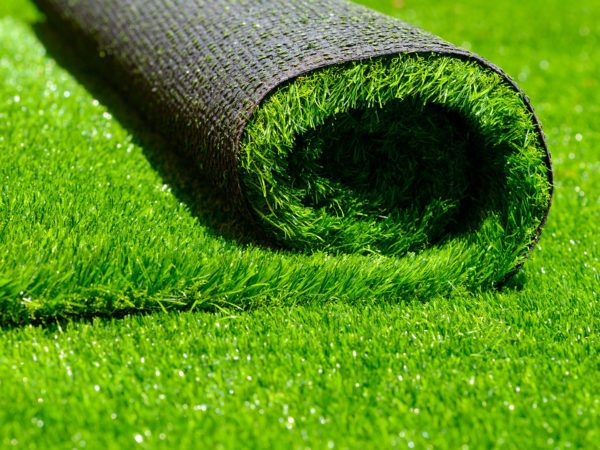
Today’s pet-friendly artificial grass features advanced drainage systems, antimicrobial properties, and realistic textures that provide a comfortable surface for dogs while addressing the specific needs of pet owners. The technology behind these surfaces ensures they can withstand the unique challenges that come with pet ownership while maintaining their appearance and functionality.
For Johannesburg pet owners, artificial turf represents a solution to multiple challenges: maintaining a green lawn during dry seasons, reducing water consumption, eliminating the need for potentially harmful lawn chemicals, and creating a consistently clean and safe environment for pets to enjoy year-round.
The Major Advantages of Artificial Turf for Dogs
Durability and Dig-Proof Properties
One of the most significant benefits of artificial turf for dogs is its exceptional durability. Natural grass turns yellow from dog urine and it’s tough to green it up again. But artificial turf stays green — one of the big advantages of artificial turf for dogs.
This durability is particularly important for active dogs or households with multiple pets. Unlike natural grass, which can develop bare patches, holes, and muddy areas from constant use, artificial turf maintains its appearance and integrity regardless of how much your pets play on it.
Cleanliness and Year-Round Aesthetics
With pet artificial turf, you’ll no longer have to worry about mud or dirt patches on your lawn. That means your pup won’t be tracking it into your house either! This advantage is particularly valuable in Johannesburg, where seasonal rains can turn natural grass areas into muddy messes that dogs inevitably track indoors.
Artificial turf provides a consistently clean surface that eliminates the mess associated with natural grass. There’s no soil to be disturbed, no grass stains on paws and fur, and no seasonal die-back that leaves unsightly brown patches. Your lawn remains green and pristine throughout the year, regardless of weather conditions or the level of pet activity.
Water Conservation Benefits
In a city like Johannesburg, where water conservation is increasingly important, artificial turf offers significant environmental and economic benefits. Traditional lawns require substantial water inputs to maintain their appearance, especially during dry seasons. By installing artificial turf, pet owners can dramatically reduce their water consumption while still providing their dogs with a comfortable outdoor space.
This water-saving aspect is particularly relevant given Johannesburg’s periodic water restrictions and the growing awareness of sustainable landscaping practices. The initial investment in artificial turf can lead to substantial long-term savings on water bills, making it an economically sound choice for environmentally conscious pet owners.
Reduced Maintenance Requirements
Less maintenance = happy, healthy dog · This means no digging, no holes, and less mess. Artificial turf eliminates the need for regular mowing, fertilizing, seeding, and pest control treatments that natural grass requires. This reduction in maintenance activities means less disruption to your pet’s routine and eliminates the need to restrict your dog’s access to the lawn during treatment periods.
The maintenance requirements for artificial turf are minimal compared to natural grass. Regular rinsing and occasional brushing are typically sufficient to keep the surface clean and functional. This simplified maintenance routine is particularly beneficial for busy pet owners who want to spend more time enjoying their outdoor space with their dogs rather than maintaining it.
Health and Safety Benefits
Artificial turf offers a pet-friendly solution, free from pests, allergens, and harmful chemicals. Artificial grass can deter ticks and fleas, keeping your pets safe and itch-free. This health advantage is significant for dogs with allergies or sensitivities to grass pollens, fertilizers, or pesticides commonly used in natural lawn care.
The elimination of soil-based ecosystems also reduces the habitat for various pests and parasites that can affect dogs. Without the need for chemical fertilizers, herbicides, or pesticides, artificial turf provides a safer environment for pets who like to roll, play, and even occasionally eat grass.
The Disadvantages to Consider
Heat Retention Issues
One of the primary concerns with artificial turf in Johannesburg’s climate is heat retention. Artificial grass, on the other hand, requires minimal maintenance and eliminates the need for toxic chemicals, but it can get hot and uncomfortable for pets during the summer months. During hot days, synthetic materials can become uncomfortably warm, potentially causing discomfort to dogs’ paws.
However, this issue can be mitigated through several strategies. Choosing lighter-colored turf, providing adequate shade, and using cooling infill materials can help reduce surface temperatures. Additionally, scheduling outdoor activities during cooler parts of the day and having water available for cooling can help manage temperature concerns.
Odor Management Requirements
Dog urine can be easily washed out of the turf to maintain a clean surface, but this requires consistent attention. Unlike natural grass, which naturally processes and neutralizes pet waste, artificial turf requires regular cleaning and sanitization to prevent odor buildup and bacterial growth.
Proper odor management involves regular rinsing with water and periodic treatment with pet-safe cleaning solutions. While this represents an ongoing maintenance requirement, it’s generally less demanding than the comprehensive care needed for natural grass lawns.
Initial Investment Costs
The upfront cost of artificial turf installation is typically higher than establishing a natural grass lawn. Quality pet-friendly artificial turf, along with proper drainage systems and professional installation, represents a significant initial investment. However, when considering long-term costs including water, fertilizers, pest control, and maintenance equipment, artificial turf often proves more economical over time.
Choosing the Right Artificial Turf for Your Dog
Pile Height and Density Considerations
Artificial grass has both pros and cons to consider if you are a dog owner. However, it can provide a low-maintenance and safe environment for dogs to play. When selecting artificial turf for dogs, shorter pile heights are generally preferred as they’re easier to clean and maintain. The 25mm artificial grass option provides an excellent balance between comfort and practicality for pet areas.
Lower density turf allows for better drainage and air circulation, which is crucial for preventing odor buildup and ensuring proper cleaning. The density should be sufficient to provide comfort for your dog while allowing liquids to drain effectively through the surface.
Drainage and Infill Systems
Proper drainage is essential for pet-friendly artificial turf. Quality installations include drainage layers that allow liquids to pass through quickly, preventing pooling and reducing the risk of odor development. Antimicrobial infill materials can further enhance the hygienic properties of the surface.
The drainage system should be designed to handle the specific challenges of pet waste, ensuring that liquids are efficiently removed from the surface while maintaining the structural integrity of the turf system.
Safety Certifications and Materials
Yes, synthetic turf is completely safe for your pets. It undergoes strict testing to ensure it’s free from harmful substances like heavy metals. When choosing artificial turf for dogs, look for products that meet international safety standards and are specifically designed for pet use.
Quality manufacturers provide safety certifications and detailed information about the materials used in their products. This transparency ensures that you’re choosing a product that prioritizes your pet’s health and safety.
Johannesburg-Specific Considerations
Climate Adaptation
Johannesburg’s highveld climate presents unique challenges for both natural and artificial lawns. The city’s UV levels can be intense, making UV-resistant artificial turf essential for maintaining color and structural integrity. Quality artificial turf products are designed to withstand these conditions while providing consistent performance.
The seasonal temperature variations in Johannesburg require artificial turf that can expand and contract without compromising its appearance or functionality. Professional installation techniques account for these climate factors to ensure long-term performance.
Local Regulations and Water Restrictions
Given Johannesburg’s periodic water restrictions, artificial turf offers compliance with conservation efforts while maintaining outdoor aesthetics. Many areas actively encourage water-wise landscaping solutions, making artificial turf an environmentally responsible choice for pet owners.
Understanding local regulations and homeowner association requirements is important when planning artificial turf installation. Most areas welcome water-saving landscaping solutions, but checking specific requirements ensures compliance with local standards.
Installation and Maintenance Best Practices
Professional Installation Benefits
Quality installation is crucial for maximizing the benefits of artificial turf for dogs. Professional installers understand the specific requirements for pet-friendly applications, including proper drainage, seaming techniques, and infill selection. The expertise provided by companies like LawnKing Gardens ensures optimal performance and longevity.
Professional installation also includes proper site preparation, which is essential for preventing issues like poor drainage or surface irregularities that could affect your dog’s comfort and safety.
Ongoing Maintenance Requirements
While artificial turf requires less maintenance than natural grass, regular care is still necessary, especially in pet areas. This includes regular rinsing to remove waste, periodic deep cleaning with appropriate solutions, and occasional brushing to maintain the turf’s appearance.
The 30mm artificial grass and 35mm artificial grass options may require slightly different maintenance approaches due to their varying pile heights, but all quality artificial turf products are designed for easy care.
Cost Analysis and Return on Investment
Initial Investment Breakdown
The cost of artificial turf installation varies based on several factors, including the quality of materials, site preparation requirements, and installation complexity. While the initial investment is higher than natural grass, the long-term savings often justify the expense.
When evaluating costs, consider the elimination of ongoing expenses like water, fertilizers, pest control treatments, and lawn maintenance equipment. These savings accumulate significantly over the lifespan of artificial turf.
Long-Term Economic Benefits
Beyond the direct cost savings, artificial turf can add value to your property and reduce the time investment required for lawn maintenance. For pet owners, the reduction in cleaning and maintenance tasks provides additional lifestyle benefits that contribute to the overall value proposition.
The durability of quality artificial turf means that the initial investment is spread over many years of use, making the cost per year of ownership very competitive with natural grass alternatives.
Making the Right Decision for Your Pet
Assessing Your Dog’s Needs
Consider your dog’s size, activity level, and specific needs when evaluating artificial turf. Large, active dogs may benefit from the durability and consistency that artificial turf provides, while smaller dogs might be more sensitive to temperature considerations.
Understanding your pet’s behavior patterns, including their tendency to dig, their bathroom habits, and their play preferences, helps determine whether artificial turf is the right choice for your specific situation.
Evaluating Your Lifestyle
Your lifestyle and maintenance preferences play a crucial role in the decision-making process. If you prefer low-maintenance outdoor spaces and want to spend more time enjoying your garden with your pets rather than maintaining it, artificial turf offers significant advantages.
Consider factors like your available time for maintenance, your water conservation goals, and your long-term property plans when making this decision.
Conclusion
Artificial turf for dogs in Johannesburg presents both significant advantages and considerations that pet owners must carefully evaluate. The benefits of durability, cleanliness, water conservation, and reduced maintenance make artificial turf an attractive option for many pet owners in the city. However, considerations like heat retention, odor management requirements, and initial costs need to be weighed against these advantages.
The key to success with artificial turf for dogs lies in choosing quality products, ensuring professional installation, and committing to appropriate maintenance practices. With proper planning and care, artificial turf can provide years of enjoyment for both pets and their owners while contributing to water conservation efforts in Johannesburg.
For professional advice and quality artificial turf installation in Johannesburg, consider consulting with experienced providers who understand the unique requirements of pet-friendly synthetic grass systems. The investment in quality materials and professional installation often proves worthwhile for the years of low-maintenance enjoyment that artificial turf can provide.
For more information about artificial turf options and professional installation services in Johannesburg, visit LawnKing Gardens or explore their range of artificial grass products. To learn more about identifying poor quality synthetic grass and making informed choices for your pet’s outdoor space, consult with local artificial turf specialists.
Recent Posts:
- Why Does LM Grass Go Brown in Winter?
- The Pros and Cons of Artificial Grass/ Artificial Turf in Randburg
- Can You Install Artificial Grass on Concrete? Randburg Installation Guide
- Why Artificial Grass is the Smart Investment for Johannesburg Commercial Properties
- What Are The Common Pests for Kikuyu Grass/Lawn in Johannesburg?