Municipal Approval for Padel Court
Padel tennis continues to gain tremendous popularity across South Africa’s upscale residential areas. Houghton Estate stands out as one of Johannesburg’s most prestigious neighborhoods. However, many property owners wonder about the legal requirements before installing a padel court. This guide answers the crucial question: do you need municipal approval for padel court construction in Houghton Estate?
Understanding Municipal Requirements for Padel Court Construction in Houghton Estate
Yes, you absolutely need municipal approval for padel court construction in Houghton Estate. The National Building Regulations and Building Standards Act (No.103 of 1977) makes this requirement crystal clear. This legislation states that no person may erect, alter, add to, or convert any building without prior approval from the Local Authority.
Padel courts qualify as permanent structures. Therefore, they fall squarely under these building regulations. The City of Johannesburg Municipality Development Planning Department oversees all building projects in Houghton Estate. They enforce strict compliance with national and local building codes.
Why Padel Courts Require Building Plan Approval
Many homeowners mistakenly believe that sports facilities don’t require the same scrutiny as residential buildings. However, padel courts involve several structural elements. These include concrete foundations, steel framework, glass panels, and artificial turf surfaces. Each component requires professional assessment.
Moreover, padel courts typically measure 20 meters by 10 meters. They also reach heights of 3 to 4 meters with their surrounding walls and mesh. This substantial footprint impacts property drainage, sight lines, and neighboring properties. Consequently, municipal authorities must evaluate these factors before granting approval.
Furthermore, building plans that are not in order will delay property transfers by 3 to 6 months or more. If you decide to sell your property later, purchasers’ banks will send valuators. These professionals will notice discrepancies between the property and approved plans. Therefore, obtaining proper approval protects your property’s resale value.
Heritage Considerations in Houghton Estate
Houghton Estate presents unique challenges for padel court construction. The Johannesburg Heritage Foundation runs Heritage Plans Committees (HPCs) that oversee development in heritage-sensitive areas. The HPC East covers Upper and Lower Houghton. This committee reviews applications for structures in these neighborhoods.
Additionally, heritage applications are required for any structure older than 60 years. Most Johannesburg townships date back to before 1960. Therefore, if your Houghton Estate property has historical significance, you’ll need Provincial Heritage Resource Agency Gauteng (PHRAG) approval. This permission must be granted before submitting plans to the City of Johannesburg.
The HPC’s constructive input highlights heritage-related issues you need to consider before construction. Their approval also goes a long way towards getting the go-ahead from relevant authorities. Thus, consulting with heritage bodies early in your planning process saves time and potential complications.
Essential Documents Required for Padel Court Approval
Submitting building plans for padel court construction in Houghton Estate requires comprehensive documentation. First, you need a Council Submission form and SACAP Schedule 4 form. The South African Council for the Architectural Profession (SACAP) must review your plans. Therefore, your registered professional needs to sign off on structural integrity.
Additionally, you must provide a Power of Attorney if using a third party to submit plans. Your latest paid-up municipal account proves your property taxes are current. You’ll also need a copy of your ID, sewerage connection diagram, SG Diagram, Zoning Certificate, and Title Deed.
Title deeds often contain restrictive clauses. These restrictions might affect building lines, servitudes, or prohibitions on certain structures. Therefore, reviewing your title deed early prevents discovering limitations late in the process. An engineer appointment form is necessary when your padel court involves structural elements like reinforced concrete foundations or retaining walls.
The Step-by-Step Approval Process
The approval process typically takes three to six months. However, complex applications can extend to a year. First, consult with a registered architectural professional who has experience with sports facilities. They will assess your property’s suitability and prepare preliminary designs.
Next, your professional prepares detailed technical drawings. These drawings must show foundations, drainage, structural elements, and the finished court layout. They also submit your complete application package to the City of Johannesburg Building Control Department.
Subsequently, the municipality circulates your plans to different departments. These include town planning, engineering, environmental health, and fire department. Each department checks compliance with their specific regulations. If everything meets requirements, your plans receive approval stamps.
However, if authorities identify issues, they will request modifications. You’ll need to address these concerns and resubmit. Therefore, working with experienced professionals from the start reduces delays and complications.
The Role of Professional Artificial Grass Installation
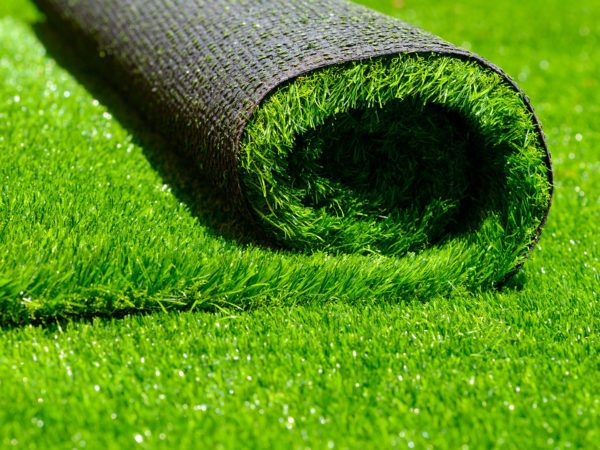
Once you receive municipal approval, selecting the right artificial turf becomes crucial. Artificial grass for sports surfaces requires specific characteristics. Padel courts need specialized synthetic turf that meets international standards.
At LawnKing Gardens, we specialize in sports surfaces for both corporate and private properties. Our artificial grass solutions provide optimal ball bounce, player comfort, and injury prevention. We engineer each Sports Turf variety to withstand intensive use while maintaining performance characteristics.
Moreover, professional installation ensures proper drainage systems and precise finishing. Our comprehensive service approach covers everything from initial consultation to after-care support. This expertise proves invaluable when creating compliant, high-performance padel courts.
Working with Specialized Padel Court Contractors
The complexity of padel court construction demands specialized expertise. Professional contractors understand municipal requirements. They also know how to prepare Site Development Plans (SDPs) for council submission. Furthermore, they coordinate with architects, quantity surveyors, and engineers.
These professionals handle ground clearance, compaction, and excavation. They manage foundation works, concrete slab pouring, and proper drainage installation. Additionally, they ensure structural elements meet engineering specifications and building codes.
International padel court construction standards require specific dimensions and materials. Courts must use tempered safety glass panels between 10mm and 12mm thickness. The steel framework needs hot-dip galvanization and powder coating for durability. Professional contractors ensure these elements comply with both international standards and South African building regulations.
Cost Implications of Proper Approval
Obtaining municipal approval involves several cost factors. First, architectural and engineering fees range from R15,000 to R30,000. These professionals prepare your submission documents and ensure technical compliance. Additionally, municipal submission fees vary based on the project’s value.
However, these costs pale compared to potential penalties for unauthorized construction. Building inspectors can enter your property and order construction to stop immediately. They can obtain court orders for structure demolition at your expense. You would also be liable for legal costs. In serious cases, you could face fines or imprisonment.
Furthermore, unauthorized structures create complications when selling your property. Buyers increasingly insist on approved plans. This trend has become the norm in real estate transactions. Therefore, proper approval protects your investment and avoids future legal complications.
Zoning and Building Line Considerations
Houghton Estate properties have specific zoning requirements. Building lines typically measure 1-3 meters on street boundaries and 2 meters on sides and back. However, double-storey structures often require larger setbacks. Your padel court must comply with these building lines.
If your proposed court location encroaches on building lines, you need Building Line Relaxation approval. This process requires neighbor consent and town planning department submission. Relaxation applications typically take 2-3 months for approval. Therefore, factor this additional time into your project timeline.
Additionally, check for servitudes on your property. These legal restrictions might affect where you can build. Municipal water, sewer, or electrical servitudes can prevent construction in certain areas. Your professional team will identify these constraints during the planning phase.
Drainage and Environmental Considerations
Padel courts require sophisticated drainage systems. Johannesburg’s intense summer thunderstorms can overwhelm inadequate drainage. Therefore, your building plans must demonstrate proper water management. This includes surface drainage, underground systems, and connection to municipal storm water infrastructure.
Moreover, environmental health departments review your project’s impact. They assess potential issues like noise levels, light pollution from night games, and water runoff. Addressing these concerns in your application prevents rejection or modification requests.
Professional contractors conduct soil testing before construction. This geotechnical assessment determines soil conditions and bearing capacity. Subsequently, engineers design appropriate foundations based on these findings. This thorough approach ensures long-term structural stability.
Selecting the Right Artificial Turf for Your Padel Court
The playing surface significantly impacts player experience and maintenance requirements. Tennis court artificial turf principles apply equally to padel courts. Both sports require consistent ball bounce, proper traction, and shock absorption.
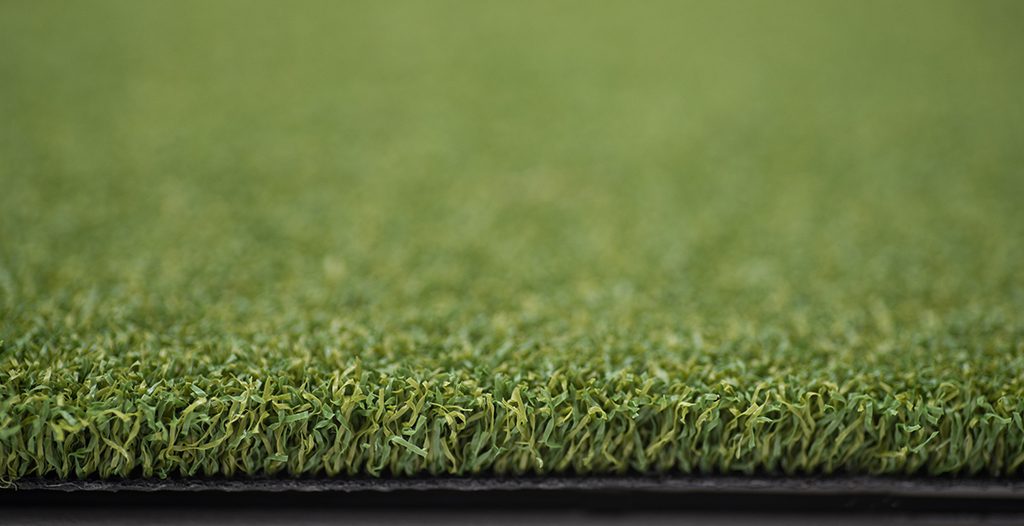
Modern artificial grass technology offers various pile heights and fiber types. 25mm artificial grass provides excellent performance for padel courts. This specification offers optimal softness without requiring infill. Additionally, UV stabilization ensures colors remain vibrant under South Africa’s intense sun.
Furthermore, 35mm artificial grass suits areas requiring extra cushioning. This pile height works well for multi-purpose sports facilities. The increased fiber density provides superior durability for high-traffic areas.
Maintenance Planning for Long-Term Value
Approved padel courts require ongoing maintenance to retain their value. However, artificial turf dramatically reduces these requirements. Unlike natural grass, synthetic surfaces don’t need mowing, watering, or fertilizing. This advantage saves thousands of rands annually in maintenance costs.
Nevertheless, regular brushing removes debris and maintains fiber orientation. Occasional rinsing eliminates dust and pollen buildup. Infill material requires periodic top-up to maintain proper support. These simple tasks preserve your court’s appearance and performance.
Moreover, tempered glass panels need regular cleaning. This maintenance ensures clear visibility for players. Steel frameworks benefit from annual inspections for rust or damage. Addressing minor issues promptly prevents expensive repairs later.
Timeline for Complete Padel Court Construction
Understanding the complete timeline helps you plan effectively. First, initial consultation and feasibility studies take 1-2 weeks. Subsequently, architectural design and technical drawings require 3-4 weeks. Then, municipal submission and approval typically span 3-6 months.
Following approval, site preparation and foundation work takes 2-3 weeks. Court materials procurement and delivery adds another 4-8 weeks for locally manufactured courts. Finally, installation and finishing touches require 2-3 weeks. Therefore, the entire process typically spans 6-10 months from start to finish.
However, heritage properties may require additional time for PHRAG approvals. Similarly, Building Line Relaxation applications extend the timeline. Therefore, starting the process early prevents disappointment and ensures timely completion.
Benefits of Professional Project Management
The complexity of padel court construction in Houghton Estate justifies professional project management. Experienced contractors coordinate all aspects from design through completion. They handle municipal liaison, contractor scheduling, and quality control.
Furthermore, professional project managers understand local regulations intimately. They anticipate potential issues and address them proactively. This expertise prevents costly mistakes and reduces stress throughout the construction process.
Additionally, comprehensive project management ensures all elements integrate seamlessly. Foundation work aligns with structural requirements. Drainage systems connect properly to municipal infrastructure. Surface installation meets international standards. This coordination delivers a finished product that exceeds expectations.
Conclusion
Padel court construction in Houghton Estate absolutely requires municipal approval. The National Building Regulations mandate this requirement for all permanent structures. Moreover, heritage considerations add complexity to the approval process in this prestigious neighborhood.
However, working with experienced professionals streamlines the entire journey. Proper planning, complete documentation, and expert guidance ensure successful approval. Subsequently, quality construction and professional artificial grass installation deliver a world-class playing facility.
Therefore, start your padel court project with thorough research and professional consultation. This approach protects your investment and delivers a compliant, high-performance sports facility. Your Houghton Estate property will benefit from increased value and recreational opportunities for years to come.
For expert guidance on artificial grass solutions for your padel court project, contact LawnKing Gardens today. Our team specializes in sports surfaces that meet international standards while complying with South African building regulations. Let us transform your vision into reality with professional installation and comprehensive support.
Keywords: padel court construction Houghton Estate, municipal approval padel court, building regulations Houghton Estate, artificial grass padel court, sports turf installation Johannesburg
Recent posts:
- How Long Does Tennis Court Construction Take in Bryanston and Morningside?
- Synthetic Grass vs Acrylic: Which Surface Works Best for Sandhurst Tennis Courts?
- What Construction Materials Are Best for Tennis Courts in Johannesburg’s Climate?
- How Much Does It Cost to Build a Padel Court in Rosebank and Hyde Park?
- What Are the Standard Dimensions for Tennis Court Construction in Sandton and Waterfall Estate?