Tennis Court Dimensions in Sandton
Building a tennis court in Sandton’s prestigious suburbs requires precise planning and accurate measurements. Property owners across Waterfall Estate and surrounding areas increasingly choose artificial grass for their tennis courts. This choice delivers consistent performance year-round while reducing maintenance demands significantly.
Understanding standard tennis court dimensions ensures your project meets international requirements. Moreover, these specifications guarantee optimal gameplay for both recreational and competitive matches.
Understanding Standard Tennis Court Measurements
A regulation tennis court measures 23.77 meters (78 feet) in length. This dimension remains consistent for both singles and doubles matches worldwide. The width, however, varies based on the match type you plan to accommodate.
Singles courts require a width of 8.23 meters (27 feet). Meanwhile, doubles courts expand to 10.97 meters (36 feet) to accommodate four players comfortably. The additional space creates opportunities for strategic play while ensuring player safety during dynamic rallies.
Total Playing Surface Area Requirements
The total playing area differs significantly between match formats. Singles courts occupy approximately 195.65 square meters (2,106 square feet). Conversely, doubles courts require 260.87 square meters (2,808 square feet) of playing surface.
However, these measurements represent only the court boundaries. You must allocate additional clearance space around the perimeter for safe gameplay. Professional standards recommend at least 6.4 meters (21 feet) behind each baseline. Similarly, you should provide 3.66 meters (12 feet) on both sides of the court.
This clearance zone protects players chasing balls beyond court boundaries. Additionally, it accommodates fencing, lighting installations, and spectator areas. The total space requirement reaches approximately 668.9 square meters (7,200 square feet) for residential installations.
Critical Court Dimensions and Line Markings
The service line sits exactly 6.4 meters (21 feet) from the net on both sides. This measurement creates two service boxes per side of the court. Each service box measures 6.4 meters in length and 4.1 meters (13.5 feet) in width.
The baseline defines the back boundary of the court. It spans the full width of the playing area at each end. The center mark intersects the baseline at its midpoint. This small vertical line helps players position themselves correctly during serves.
Doubles alleys run along the outer edges of singles courts. These strips measure 1.37 meters (4.5 feet) wide on each side. They extend the full 23.77-meter length of the court. Tournament regulations specify that all court lines should measure between 2 and 4 inches in width.
Net Specifications and Height Requirements
The tennis net divides the court into two equal halves. Net height varies slightly across its span to create optimal playing conditions. At the net posts, the height reaches 1.07 meters (3.5 feet). However, the center sags to 0.91 meters (3 feet).
This height differential influences ball trajectory and shot selection significantly. Players must adjust their technique when targeting different areas of the court. The net posts sit 0.91 meters (3 feet) outside the singles or doubles sidelines. This placement ensures proper net tension throughout matches.
Why Sandton Properties Choose Artificial Grass Tennis Courts
Properties across Waterfall Estate embrace artificial grass for superior performance characteristics. Artificial sports turf for tennis courts delivers consistency that natural surfaces cannot match. Every square meter performs identically regardless of weather conditions.
Gauteng’s climate creates challenges for traditional grass courts. Summer thunderstorms waterlog natural surfaces. Winter frost damages grass and delays morning matches. Meanwhile, artificial grass tennis courts eliminate weather-related cancellations entirely.
The advanced drainage systems channel water away rapidly. Players return to the court within minutes after heavy rainfall. This reliability proves invaluable for private clubs and residential facilities throughout Sandton.
Durability and Performance Benefits
Natural grass courts require constant maintenance and frequent repairs. In contrast, modern artificial turf withstands intensive use without developing worn patches. The surface maintains its integrity for over ten years with minimal upkeep.
Professional tournaments worldwide use artificial grass exclusively for good reason. The material provides predictable ball bounce throughout every match. Players experience consistent traction and response across the entire playing surface.
Tennis court construction professionals recognize these advantages. Commercial facilities maximize revenue by offering year-round availability. Residential properties enjoy premium amenities without hiring full-time groundskeeping teams.
Safety Considerations for Tennis Court Design
Player safety influences every dimension and specification in tennis court construction. The clearance zones prevent collisions with fencing and surrounding structures. Adequate space allows players to chase balls aggressively without injury risk.
Artificial grass surfaces offer superior shock absorption compared to hard courts. The cushioning reduces impact forces during falls and sudden directional changes. Premium installations incorporate specialized underlayers that protect joints during intense matches.
Surface consistency eliminates hidden hazards present in natural grass courts. Players never encounter unexpected holes, divots, or uneven patches. This uniformity reduces ankle injuries and provides confidence during competitive play.
Site Preparation and Foundation Requirements
Proper site preparation determines long-term court performance and durability. The construction process begins with thorough ground leveling and excavation. Engineers assess drainage patterns to prevent water accumulation underneath the playing surface.
A stable foundation typically consists of compacted crushed stone or gravel. This base layer must provide excellent drainage while supporting the surface material. Professional installers ensure precise grading to achieve optimal water runoff.
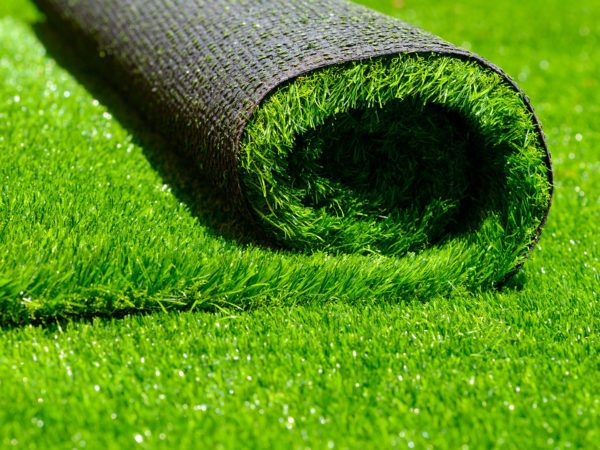
The artificial grass installation follows base construction. Technicians roll out the turf and secure it precisely to foundation specifications. Infill materials distribute evenly across the surface to provide cushioning and blade stability.
Cost Considerations for Waterfall Estate Properties
Initial investment for artificial grass exceeds natural grass installation costs. However, long-term economics favor synthetic surfaces overwhelmingly. Natural courts demand ongoing expenses for mowing, watering, fertilizing, and repairs.
Artificial grass eliminates these recurring maintenance costs completely. Water bills decrease dramatically in drought-prone Gauteng. Chemical treatments become unnecessary, reducing environmental impact significantly.
The extended lifespan of quality artificial turf justifies the upfront expense. Residential properties enjoy professional-grade facilities without commercial maintenance budgets. This value proposition attracts discerning homeowners throughout Sandton’s luxury estates.
Multi-Sport Versatility and Space Optimization
Modern properties increasingly demand versatile outdoor spaces. Tennis court dimensions accommodate multiple racquet sports effectively. Multi-sport facilities maximize property value by serving diverse recreational needs.
The same artificial turf performs excellently for tennis, badminton, and recreational activities. Families utilize the space throughout the day for various purposes. This flexibility justifies the substantial investment required for proper court construction.
Property developers across Waterfall Estate recognize this competitive advantage. Premium amenities attract buyers willing to pay substantial premiums. Well-designed tennis facilities become signature features that distinguish luxury developments.
Professional Installation Standards
Achieving regulation dimensions requires professional expertise and specialized equipment. DIY installations rarely meet international standards for competitive play. Experienced contractors understand subtle nuances that affect long-term performance.
LawnKing Gardens delivers comprehensive tennis court construction services throughout Sandton and Midrand. Their teams handle every phase from initial planning through final line marking. Professional installation guarantees compliance with International Tennis Federation specifications.
Quality workmanship protects your investment for decades. Proper seaming prevents surface irregularities that affect ball roll. Precise line placement ensures accurate gameplay boundaries. These details separate amateur projects from professional installations.
Maintenance Requirements for Artificial Tennis Courts
Artificial grass courts require minimal maintenance compared to natural alternatives. Regular brushing keeps fibers upright and evenly distributes infill materials. This simple task prevents flat spots that could affect ball bounce.
Occasional rinsing removes dirt and debris accumulated during normal use. Power washing addresses stubborn stains without damaging synthetic fibers. Monthly inspections identify small issues before they become major problems.
Professional maintenance programs optimize court longevity and performance. Scheduled servicing ensures your investment delivers consistent results year after year. This proactive approach maintains property value while ensuring player satisfaction.
Environmental and Sustainability Benefits
Water conservation matters tremendously in South Africa’s climate. Traditional grass courts consume thousands of liters weekly throughout summer months. Meanwhile, artificial surfaces require zero irrigation after installation.
Modern synthetic turf incorporates recycled materials and sustainable manufacturing practices. Many products qualify for green building certifications. End-of-life recycling programs minimize environmental impact further.
Eliminating chemical fertilizers and pesticides protects groundwater quality. Your tennis court becomes an environmentally responsible amenity. This sustainability appeals to environmentally conscious buyers and residents throughout Waterfall Estate.
Making the Right Choice for Your Property
Understanding standard tennis court dimensions represents the foundation of successful construction projects. Properties across Sandton and Waterfall Estate demand precision that meets international standards. Accurate measurements ensure optimal gameplay while maximizing space efficiency.
Artificial grass delivers unmatched performance, durability, and cost-effectiveness. The technology transforms residential tennis facilities into professional-grade amenities. Year-round availability and minimal maintenance create exceptional value for property owners.
Professional installation guarantees compliance with exacting specifications. Partnering with experienced artificial grass specialists ensures your project achieves its full potential. The investment delivers decades of recreational enjoyment while enhancing property value significantly.
For properties seeking premium outdoor amenities, regulation tennis courts with artificial grass surfaces represent the ultimate solution. The combination of precise dimensions, superior materials, and expert installation creates facilities that rival commercial clubs. This approach positions Sandton properties at the forefront of luxury outdoor living.
For more information about tennis court construction and artificial grass installation in Sandton, Waterfall Estate, Randburg, and Midrand, visit LawnKing Gardens or explore resources from the International Tennis Federation and United States Tennis Association.