Drainage Systems for Tennis and Padel Courts
Parktown North residents know the challenge of maintaining outdoor sports facilities. This historic Johannesburg suburb experiences unpredictable weather patterns throughout the year. Proper drainage systems make the difference between a playable court and a waterlogged disappointment.
Understanding how drainage systems work for tennis and padel courts helps property owners make informed decisions. These systems protect your investment while ensuring year-round playability. Moreover, they extend the lifespan of your court surface significantly.
Why Drainage Systems Matter for Sports Courts in Parktown North
Johannesburg’s summer storms arrive suddenly and intensely. Water accumulation damages court surfaces quickly without adequate drainage. Players face safety risks on wet, slippery surfaces that lack proper water management.
Standing water creates hazardous conditions where players can slip and fall. Furthermore, moisture seeps into foundation layers and weakens structural integrity over time. This leads to expensive repairs that could have been prevented.
The leafy streets of Parktown North present unique challenges. Tree roots compete for water underground while leaves clog drainage channels regularly. Consequently, sports courts in this area need robust drainage solutions designed for local conditions.
Understanding Surface Drainage Systems
Surface drainage works through gravity and strategic design. Courts feature a slight slope that directs water toward collection points. This slope typically measures around 1% to help water naturally drain away.
Channels run along court edges to capture runoff water. These channels connect to drainage outlets that move water away from playing surfaces. The system prevents pooling while maintaining a level playing field.
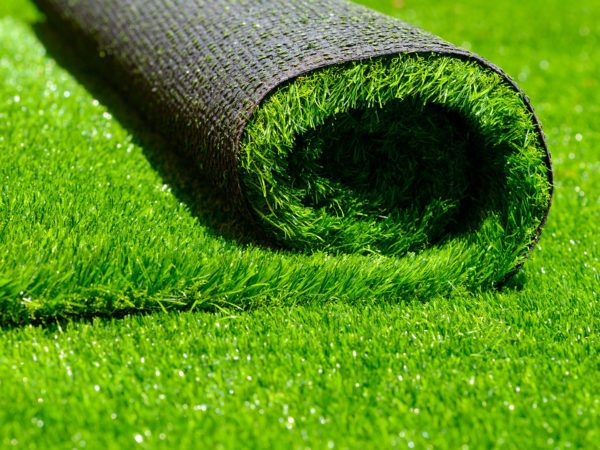
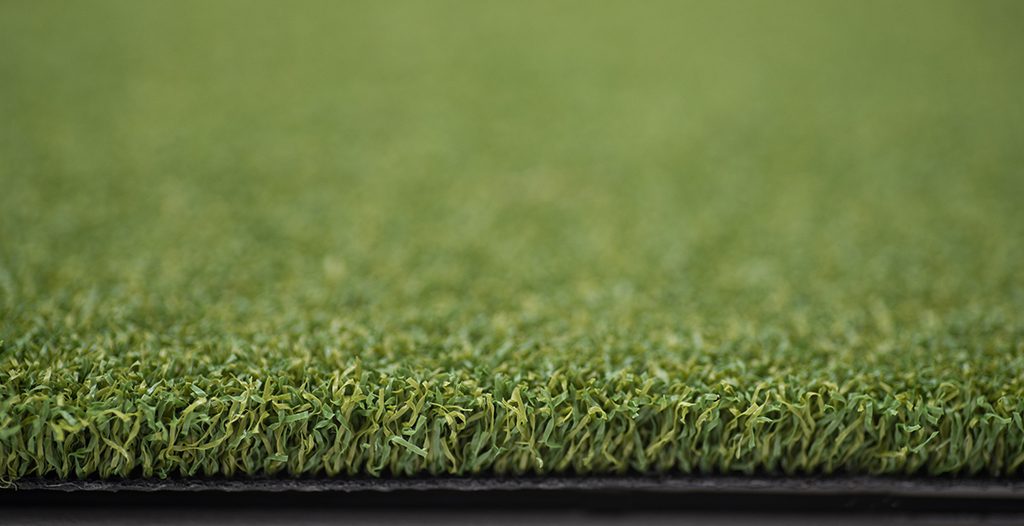
Artificial grass courts benefit from pre-punched drainage holes in their backing material. Water passes through the synthetic surface quickly and reaches subsurface layers efficiently. This design keeps the playing surface dry within minutes after rainfall.
Subsurface Drainage: The Hidden Foundation
Subsurface systems work beneath the visible court surface. Perforated pipes installed beneath the court collect water that seeps through surface layers. These pipes channel moisture away from the foundation permanently.
The base layer typically consists of crushed stone or gravel. This material ensures proper drainage and provides stability for the court structure. Water flows through this porous layer and reaches drainage pipes efficiently.
Parktown North’s older properties sometimes have challenging soil conditions. Clay-rich soils retain water and create drainage problems. Therefore, subsurface systems become essential for successful court installations in these locations.
Installation Process for Tennis and Padel Court Drainage
Professional installation begins with site assessment and preparation. Contractors evaluate soil composition, water table levels, and existing drainage patterns. They design systems that address specific site challenges effectively.
Ground preparation involves excavation and leveling work. Workers remove unstable soil layers to reach suitable subsoil. They create a slight slope across the entire court area for optimal water movement.
Base layers go down next in carefully compacted sections. Artificial turf installation requires particular attention to drainage details. Geotextile fabrics separate layers and prevent mixing of materials over time.
Drainage channels get positioned along court perimeters strategically. These connect to underground pipe networks that carry water to appropriate discharge points. The system must comply with local building regulations and stormwater management requirements.
How Artificial Grass Enhances Drainage Performance
Synthetic grass surfaces offer superior drainage compared to natural turf. The backing material features numerous drainage perforations that allow rapid water passage. Rain drains through artificial grass immediately rather than pooling on top.
Infill materials play a crucial role in drainage functionality. Sand and rubber granules create spaces between grass blades for water flow. These materials also provide cushioning while maintaining proper drainage channels throughout the surface.
Modern artificial grass products resist weather damage effectively. UV-stabilized fibers withstand Johannesburg’s intense summer sun without degrading. The materials remain permeable and functional for many years with minimal maintenance requirements.
Artificial surfaces eliminate mud problems entirely. Players enjoy consistent conditions regardless of recent rainfall. This makes artificial grass tennis courts particularly valuable in areas like Parktown North where weather patterns vary significantly.
Maintenance Requirements for Court Drainage Systems
Regular maintenance keeps drainage systems functioning optimally. Periodic inspections identify damage or blockages before they cause major problems. Property owners should schedule professional assessments annually at minimum.
Surface drains need clearing of debris regularly. Fallen leaves from Parktown North’s mature trees accumulate quickly in autumn months. Grass clippings, dirt, and organic matter also block drainage channels over time.
Brushing maintains artificial grass drainage capabilities. Stiff brushes redistribute infill materials and keep drainage pathways open. This simple maintenance task takes minutes but provides significant benefits for water management.
Professional artificial grass maintenance services offer comprehensive care programs. These include drainage system checks, infill replenishment, and debris removal. Investing in regular maintenance protects your court investment long-term.
Cost-Effectiveness of Proper Drainage Systems
Initial drainage installation adds to construction budgets. However, this investment pays dividends through reduced maintenance costs. Proper drainage prevents expensive repairs caused by water damage.
Courts with inadequate drainage require frequent resurfacing. Cracks develop as foundations shift and settle unevenly. Surface materials deteriorate faster when constantly exposed to standing water and moisture.
Artificial grass courts with proper drainage offer exceptional value. The synthetic grass surfaces from LawnKing require no watering or chemical treatments. Drainage systems reduce the already-minimal maintenance requirements even further.
Year-round playability increases court utilization rates significantly. Players book courts confidently knowing surfaces will be dry and safe. This makes properly drained courts more valuable investments for residential and commercial properties.
Climate Considerations for Parktown North Courts
Johannesburg experiences distinct wet and dry seasons annually. Summer thunderstorms deliver heavy rainfall in short bursts. Drainage systems must handle high water volumes quickly during these intense weather events.
Winter brings minimal rainfall but occasional cold snaps. Artificial grass remains resilient to cold weather conditions. Drainage systems prevent water from freezing in subsurface layers where it could cause damage.
The area’s altitude affects drainage design requirements. Parktown North sits at approximately 1,750 meters above sea level. This elevation influences rainfall patterns and evaporation rates that designers must consider.
Understanding these climate factors helps property owners choose appropriate drainage solutions. Systems designed for local conditions perform better and last longer than generic installations.
Professional Installation Matters for Long-Term Success
Experienced contractors understand Parktown North’s specific requirements. They know local soil types, water table depths, and weather patterns intimately. This knowledge ensures drainage systems work effectively from day one.
Professional artificial grass installation includes comprehensive drainage planning. Contractors coordinate surface and subsurface systems for optimal performance. They also ensure compliance with municipal regulations and building codes.
Quality materials make significant differences in system longevity. Professional installers source durable pipes, fittings, and drainage channels designed for sports applications. These components withstand constant use and environmental stresses effectively.
Warranties protect your investment when professionals handle installation work. Reputable companies stand behind their workmanship and materials. This provides peace of mind that your drainage system will perform as expected.
Environmental Benefits of Efficient Court Drainage
Proper drainage protects surrounding landscapes from erosion damage. Drainage systems reroute water away from court areas to prevent soil saturation. This preserves garden beds and prevents damage to nearby structures.
Artificial grass courts with good drainage conserve water resources significantly. These surfaces require no irrigation unlike natural grass alternatives. The environmentally-friendly synthetic turf eliminates water waste entirely while maintaining beautiful appearance.
Stormwater management benefits the broader Parktown North community. Well-designed court drainage reduces runoff into municipal systems during heavy rainfall. This helps prevent flooding and reduces strain on public infrastructure.
Permeable surfaces allow natural groundwater recharge where appropriate. Water filters through base layers and returns to aquifers gradually. This sustainable approach balances practical needs with environmental responsibility.
Future-Proofing Your Court Investment
Climate patterns continue evolving with increasing weather variability. Drainage systems designed with excess capacity handle future challenges better. Overbuilding drainage infrastructure costs little extra during initial construction but provides valuable resilience.
Technology advances improve drainage materials and design methods continually. Modern geotextiles and pipe systems outperform older alternatives significantly. Investing in current best practices ensures long-term court performance.
Property values benefit from well-maintained sports facilities. Courts with proper drainage attract buyers and tenants who appreciate quality amenities. This makes drainage systems smart investments for Parktown North property owners.
Regular upgrades keep older systems functioning effectively. Contractors can retrofit improved drainage components into existing courts. This extends facility lifespans without requiring complete reconstruction.
Choosing the Right Partner for Your Court Project
LawnKing Gardens brings extensive experience to sports court projects. Our team understands Parktown North’s unique requirements thoroughly. We design drainage systems that work reliably in local conditions year after year.
From high-quality artificial grass products to complete installation services, we provide comprehensive solutions. Our drainage designs integrate seamlessly with synthetic turf surfaces for optimal performance. We also offer ongoing maintenance services to keep your court in perfect condition.
Contact us today for a consultation about your tennis or padel court project. We’ll assess your property, discuss drainage options, and provide detailed recommendations. Let us help you create a sports facility that performs flawlessly regardless of Johannesburg’s weather.
Ready to install a tennis or padel court with superior drainage in Parktown North? Contact LawnKing Gardens for expert guidance and professional installation services that deliver lasting results.
Recent Posts:
- What Lighting Requirements Are Needed for Night Play on Fourways Tennis Courts?
- Do You Need Municipal Approval for Padel Court Construction in Houghton Estate?
- How Long Does Tennis Court Construction Take in Bryanston and Morningside?
- Synthetic Grass vs Acrylic: Which Surface Works Best for Sandhurst Tennis Courts?
- What Construction Materials Are Best for Tennis Courts in Johannesburg’s Climate?