Championship Tennis Court Installation
Installing a championship tennis court in Bryanston represents a significant investment in your property and sporting lifestyle. However, one question dominates every initial consultation: exactly how long will the entire process take? Understanding the timeline helps you plan effectively and sets realistic expectations for your project completion.
Understanding the Complete Tennis Court Installation Timeline
Most homeowners and facility managers in Bryanston discover that building a championship-quality tennis court requires patience and careful planning. The complete process typically spans between 8 to 12 weeks from initial consultation to the first serve. However, various factors can extend this timeframe significantly.
The installation journey divides into several distinct phases. Each phase plays a crucial role in delivering a court that meets championship standards. Rushing any single phase compromises the long-term quality and playability of your investment.
Phase One: Planning and Design Considerations
The planning phase typically consumes 1 to 2 weeks. During this period, professional contractors conduct comprehensive site assessments. They evaluate soil conditions, drainage requirements, and spatial constraints. This phase proves critical because poor planning leads to costly corrections later.
Bryanston’s unique topography presents specific challenges. The area features varied terrain that often requires extensive grading work. Properties on slopes need additional engineering to ensure proper drainage and level playing surfaces. Therefore, your contractor must account for these local conditions during initial planning.
Selecting the right surface material significantly impacts your timeline. Artificial grass tennis courts offer faster installation compared to traditional clay or hard courts. Moreover, synthetic surfaces eliminate the lengthy curing times that concrete-based courts demand.
Phase Two: Site Preparation and Ground Works
Site preparation typically requires 2 to 3 weeks. This phase involves clearing existing vegetation, removing debris, and excavating the area. Contractors must dig to depths between 300mm and 450mm to establish a stable foundation.
Ground preparation represents the most labor-intensive phase. Workers must ensure perfect leveling because even minor inconsistencies affect ball bounce and player safety. The process includes installing sophisticated drainage systems that prevent water accumulation during Gauteng’s intense summer thunderstorms.
Weather delays frequently impact this phase. Bryanston experiences unpredictable rainfall patterns, particularly during summer months. Heavy rains can halt excavation work for several days, pushing your timeline back by a week or more. Consequently, scheduling installation during drier winter months often proves more efficient.
The tennis court construction process requires precision at every stage. Professional contractors never compromise on foundation quality, even if it extends the timeline. This commitment ensures your court performs optimally for years to come.
Phase Three: Base Installation and Drainage Systems
Installing the base layer and drainage systems takes approximately 2 to 3 weeks. This phase involves laying crushed stone aggregate and compacting it to create a stable foundation. Multiple layers ensure proper water management and prevent settling that causes surface cracks.
Bryanston’s clay-rich soil demands extra attention during base preparation. Clay retains moisture, which can undermine court stability. Therefore, contractors install perforated drainage pipes beneath the base layer. These pipes channel water away from the playing surface, protecting your investment from water damage.
Modern artificial sports turf installations incorporate advanced drainage technology. The systems handle Johannesburg’s heavy summer downpours effectively. Players can return to the court within minutes after rainfall ends, maximizing usage throughout the year.
Concrete or asphalt bases require curing time. Hard court surfaces need 14 to 21 days for proper curing before surfacing begins. This waiting period extends your overall timeline but proves essential for structural integrity.
Phase Four: Surface Installation and Line Marking
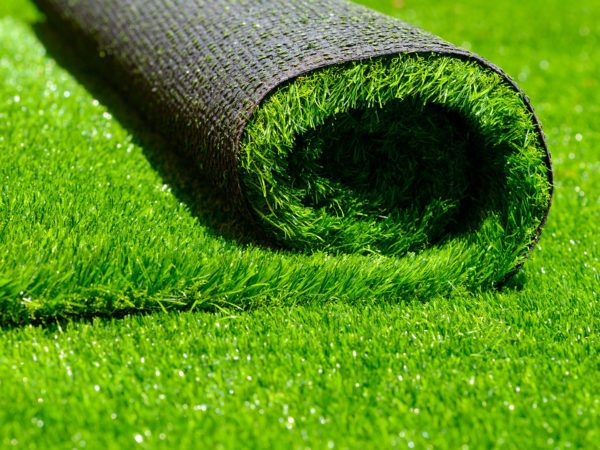
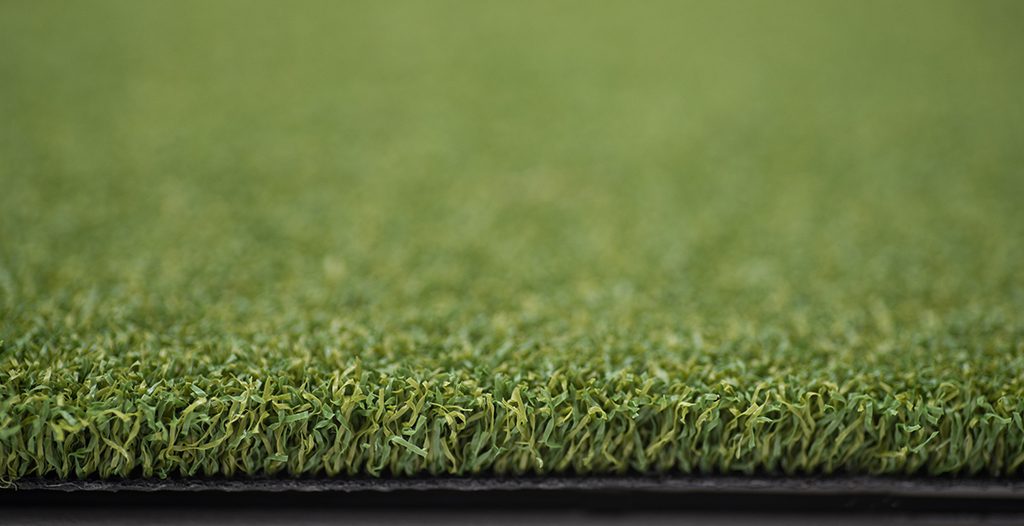
Surface installation duration varies significantly based on your chosen material. Artificial grass installations typically complete within 3 to 5 days. The process involves rolling out synthetic turf, securing seams, applying infill material, and grooming fibers to achieve uniform appearance.
Traditional hard court surfaces require multiple coating layers. Each layer needs adequate drying time before the next application. This process extends surface installation to 2 to 3 weeks. However, the result delivers the authentic feel that serious players appreciate.
Line marking demands precision and attention to detail. Championship courts must meet exact International Tennis Federation specifications. Professional installers use high-visibility paint that withstands heavy foot traffic and weather exposure. The marking process adds 2 to 3 days to your timeline.
Installing artificial grass for your tennis court offers consistent playability immediately after completion. Unlike natural surfaces that require establishment periods, synthetic courts deliver championship-quality performance from day one.
Phase Five: Fencing, Lighting, and Final Touches
Installing perimeter fencing typically requires 3 to 5 days. Standard tennis court fencing stands 3 to 4 meters high to contain balls and provide security. Contractors secure posts in concrete footings, then attach chain-link or welded mesh panels. The fencing must cure properly before applying tension to the mesh.
Lighting installation adds another 3 to 5 days to your project. Championship facilities demand adequate illumination for evening play. Electricians install poles, mount fixtures, and connect electrical systems. This work requires municipal electrical inspections, which can introduce additional delays.
Net posts, windscreens, and seating represent the final installation elements. These features enhance functionality and comfort. Installing these components typically completes within 2 to 3 days. However, custom features extend this timeframe.
The comprehensive artificial turf solutions for multi-sport facilities demonstrate how modern installations maximize versatility. Courts designed with proper infrastructure serve multiple sports and recreational activities effectively.
Weather-Related Delays and Seasonal Considerations
Bryanston’s climate significantly impacts construction timelines. Summer thunderstorms frequently interrupt outdoor work. Heavy rainfall saturates soil, making excavation impossible. Contractors must wait for ground conditions to improve before resuming work.
Winter offers more stable weather patterns. The dry season extends from May through August in Gauteng. Scheduling your installation during these months minimizes weather-related delays. However, occasional cold fronts can still impact concrete curing times.
Contractors typically add 1 to 2 weeks to timelines during summer months. This buffer accounts for anticipated weather interruptions. Planning for these delays prevents frustration and ensures realistic completion dates.
Professional contractors monitor weather forecasts closely. They adjust schedules proactively to maximize productive working days. This flexibility proves essential for maintaining project momentum despite unpredictable conditions.
Contractor Scheduling and Availability Factors
Contractor availability significantly influences your project timeline. Reputable tennis court specialists often maintain busy schedules, particularly during peak building seasons. Booking your project well in advance secures your preferred installation dates.
The artificial grass installation services offered by established companies typically require 4 to 8 weeks lead time. This period allows proper planning, material procurement, and crew scheduling. Rushing contractors rarely delivers quality results.
Projects requiring specialized equipment may face additional delays. Laser leveling systems, compaction machinery, and drainage installation tools represent substantial investments. Contractors schedule these resources across multiple projects, creating potential bottlenecks.
Communication with your contractor proves crucial throughout the process. Regular updates help you understand progress and anticipate any emerging delays. Transparent contractors provide realistic timelines rather than optimistic projections that disappoint.
Permit Applications and Municipal Approvals
Securing necessary permits often represents an overlooked timeline component. Bryanston falls under Johannesburg’s municipal jurisdiction, which requires building permits for tennis court construction. The application process typically takes 2 to 4 weeks.
Your contractor should handle permit applications on your behalf. Experienced professionals understand local requirements and expedite approvals. However, incomplete applications or non-compliant designs can extend this phase significantly.
Some properties have additional restrictions. Homeowners associations may impose specific requirements regarding court placement, fencing styles, or lighting. Reviewing these regulations during planning prevents costly revisions later.
Environmental impact assessments occasionally apply to larger facilities. These evaluations ensure construction doesn’t negatively affect local ecosystems. While rare for residential courts, commercial facilities may need environmental clearance before commencing work.
Comparing Installation Timelines: Artificial vs. Natural Surfaces
Artificial grass installations consistently deliver faster completion times. The entire process from groundwork to playability typically spans 6 to 8 weeks. This efficiency stems from eliminated curing times and simplified installation procedures.
Natural grass courts, while rare for tennis, require extensive establishment periods. Grass needs 8 to 12 weeks to develop adequate root systems. Players must avoid the surface during establishment, further delaying usability.
Hard court surfaces with acrylic coatings fall between these extremes. Total installation requires 8 to 10 weeks, including curing and coating applications. These surfaces deliver authentic play characteristics that competitive players appreciate.
The maintenance requirements for different surfaces also affect long-term usability. Artificial grass courts remain playable year-round with minimal maintenance. Natural surfaces require ongoing care that periodically limits access.
Real-World Timeline Examples from Bryanston Projects
Recent residential projects in Bryanston provide realistic timeline benchmarks. A standard single-court installation with artificial grass typically completed in 9 to 11 weeks. This timeframe included 2 weeks for planning, 5 weeks for construction, and 2 weeks for finishing work.
One notable project experienced a 3-week weather delay during November. Summer thunderstorms saturated the site, preventing excavation work. The contractor adjusted schedules and ultimately delivered a championship-quality court within 14 weeks total.
Commercial facilities with multiple courts face extended timelines. A recent two-court facility in nearby Sandton required 16 weeks from groundbreaking to completion. The project’s scale demanded additional coordination and phased construction approaches.
These examples demonstrate the importance of realistic planning. Adding buffer time to your schedule reduces stress and accommodates inevitable delays. Patient homeowners consistently report higher satisfaction with their completed courts.
Accelerating Your Installation Timeline
Several strategies can potentially shorten your installation timeline. Scheduling during dry winter months eliminates weather-related delays. The period from May through August offers optimal conditions for outdoor construction in Gauteng.
Selecting artificial grass significantly reduces waiting times. Unlike concrete surfaces that need curing, synthetic installations proceed continuously. The artificial turf for padel courts showcases how modern materials deliver immediate playability.
Pre-approved permits accelerate project commencement. Working with your contractor to submit applications early ensures approvals arrive before scheduled start dates. This preparation prevents construction crews from standing idle.
Having clear design decisions ready streamlines the planning phase. Contractors appreciate clients who understand their requirements and make prompt decisions. Indecision regarding surface types, colors, or features extends timelines unnecessarily.
Investment in Quality Takes Time
Championship tennis courts represent substantial investments. Rushing construction to save a few weeks often compromises long-term quality and performance. Patient clients who allow proper time for each phase consistently achieve superior results.
Professional contractors understand that quality workmanship cannot be rushed. Proper compaction, adequate curing times, and precise installation techniques demand time. These processes ensure your court performs optimally for decades.
The difference between a good court and an exceptional one often lies in attention to detail during installation. Experienced contractors never sacrifice quality for speed. This commitment to excellence justifies the extended timelines that championship installations require.
According to industry standards, tennis court construction typically requires 2 to 5 months for completion, depending on complexity and weather conditions. This timeframe ensures proper attention to every critical detail.
Planning Your Championship Court Installation
Understanding the complete timeline helps you plan your tennis court installation effectively. Most Bryanston projects complete within 8 to 12 weeks under favorable conditions. However, adding buffer time for weather delays and unforeseen challenges proves wise.
Working with experienced contractors who understand local conditions makes a significant difference. Companies like Lawn King bring specialized expertise in artificial grass installations for sports facilities throughout Randburg and Midrand.
The investment you make today creates decades of enjoyment for your family and friends. Championship-quality courts enhance property values while providing a private sporting venue. Taking adequate time during installation ensures you achieve these long-term benefits.
Start planning your tennis court project today. Contact professional contractors who can assess your specific site conditions and provide accurate timeline estimates. Your championship court awaits—it simply requires proper planning and realistic expectations.
Additional Resources
For more information about tennis court construction and artificial grass installations, explore these helpful resources:
- International Tennis Federation Court Construction Guidelines
- Sports Venue Calculator Tennis Court Guide
Transform your Bryanston property with a championship tennis court that delivers professional performance for years to come. The journey from bare ground to perfect playing surface requires time, but the results justify every week invested in quality construction.
Recent Posts:
- What Permits Do You Need for a Netball Court in Houghton Estate?
- Can You Build a Multi-Sport Court in Westcliff’s Sloped Properties?
- What Are the Best Hockey Court Surfaces for Hyde Park’s Climate?
- How Much Does a Professional-Grade Tennis Court Cost for Your Sandton Estate?
- How Do You Prepare the Base Foundation for Long-Lasting Padel Courts in Johannesburg?