Tennis Court Resurfacing
Tennis court resurfacing is an essential maintenance process that every court owner in Midrand, Kyalami, and Woodmead will eventually face. Whether you manage a residential court, commercial facility, or sports club, understanding when and how to renovate your tennis courts can save you significant costs while ensuring optimal playing conditions for years to come. This comprehensive guide explores the timing, costs, and processes involved in tennis court restoration and upgrades across these prime Johannesburg suburbs.
Understanding Tennis Court Resurfacing
Tennis court resurfacing involves restoring the playing surface to its original condition or upgrading it to meet modern standards. Over time, even the best-maintained courts experience wear from weather exposure, UV radiation, temperature fluctuations, and regular play. The Highveld climate presents unique challenges, with intense summer sun, occasional hail, and winter frost cycles that accelerate surface degradation.
The resurfacing process goes beyond simple cosmetic repairs. It addresses structural issues, improves drainage, restores proper ball bounce characteristics, and enhances player safety. For property owners in Midrand, Kyalami, and Woodmead, where tennis remains a popular recreational and competitive sport, maintaining court quality directly impacts property value and user satisfaction.
When Your Tennis Court Needs Resurfacing
Recognizing the signs that your tennis court requires resurfacing is crucial for timely intervention. Waiting too long can transform a straightforward resurfacing project into a complete reconstruction, significantly increasing costs. Most tennis courts require resurfacing every five to ten years, though this timeline varies based on usage intensity, maintenance practices, and environmental exposure.
Surface cracking represents the most obvious indicator. Small hairline cracks may seem insignificant initially, but they allow water penetration that undermines the base structure. During Gauteng’s freeze-thaw cycles, trapped moisture expands and contracts, widening cracks and creating dangerous playing conditions. If you notice cracks exceeding three millimeters in width or spreading across multiple court sections, resurfacing should be prioritized.
Fading and discoloration affect both aesthetics and functionality. UV exposure breaks down acrylic surfaces, causing color loss and reducing the surface’s protective qualities. When court lines become difficult to distinguish or the playing surface shows significant color variation, the protective coating has degraded beyond effective performance. This is particularly common in Midrand and Kyalami estates where courts receive full sun exposure throughout the day.
Drainage problems manifest as puddles that persist after rainfall or irrigation. Proper drainage is essential for court usability and structural integrity. Standing water accelerates surface deterioration and creates breeding grounds for algae and moss. If your court takes more than thirty minutes to drain after moderate rainfall, or if you notice low spots collecting water, the surface has likely settled unevenly and requires attention.
Surface texture changes impact playability significantly. A court surface that has become too smooth reduces traction and increases injury risk, while excessive roughness causes premature ball wear and inconsistent bounce. Running your hand across the surface should reveal a consistent, slightly textured feel. Any areas that feel noticeably different indicate localized wear requiring intervention.
The Tennis Court Resurfacing Process
The tennis court resurfacing process follows a systematic approach that ensures long-lasting results. Professional contractors begin with a comprehensive court assessment, examining not just the visible surface but also the underlying base structure, drainage systems, and surrounding areas. This evaluation determines whether simple resurfacing suffices or whether more extensive repairs are necessary.
Surface preparation forms the foundation of successful resurfacing. Contractors thoroughly clean the existing surface, removing all debris, vegetation, and loose material. Pressure washing eliminates stubborn dirt, mildew, and algae growth. Any existing coatings that have failed must be removed to ensure proper adhesion of new materials. This preparatory phase often reveals hidden damage requiring repair before resurfacing proceeds.
Crack repair and base preparation address structural issues before applying new surface coatings. Small cracks receive flexible sealants that accommodate minor movement without reopening. Larger structural cracks may require cutting out damaged sections and patching with appropriate materials. Low spots and drainage issues are corrected through strategic patching and grading. The goal is creating a stable, uniform base that supports the new surface system.
The application of new surface materials follows manufacturer specifications precisely. Modern tennis court surfaces typically consist of multiple layers, each serving specific functions. The base coat provides adhesion and fills minor surface imperfections. Middle coats build thickness and contribute to playing characteristics like speed and spin. The final color coat delivers the finished appearance while providing UV protection and wear resistance. Between each layer, adequate curing time ensures proper bonding and prevents premature failure.
Line marking completes the resurfacing process. Using permanent line paints formulated for tennis court surfaces, technicians carefully measure and apply regulation court markings. Precision matters here, as even small deviations from standard dimensions affect playability and competitive use. Many facilities take this opportunity to add additional line markings for multi-sport use, accommodating activities like pickleball or mini-tennis.
Artificial Grass: A Modern Alternative for Tennis Courts
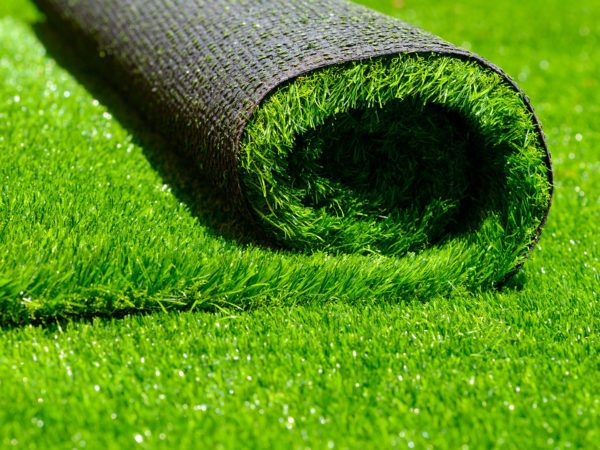
While traditional hard courts remain popular, artificial grass tennis courts have gained significant traction among Midrand, Kyalami, and Woodmead property owners. This innovative approach to tennis court construction and renovation offers compelling advantages that address many concerns associated with traditional surfaces.
Artificial turf tennis courts deliver exceptional year-round playability regardless of weather conditions. Unlike hard courts that become dangerously slippery when wet or uncomfortably hot under intense sun, quality artificial grass maintains consistent traction and temperature moderation. The surface remains playable within minutes of heavy rainfall, maximizing court availability for busy facilities and eager players.
Maintenance requirements decrease dramatically with artificial grass installations. Traditional hard courts demand regular cleaning, periodic repainting, and frequent crack monitoring. Artificial grass eliminates these tasks, requiring only occasional brushing and infill redistribution. There’s no need for annual resurfacing or line repainting. For estate managers and homeowners seeking reduced maintenance obligations, this represents substantial savings in both time and recurring costs.
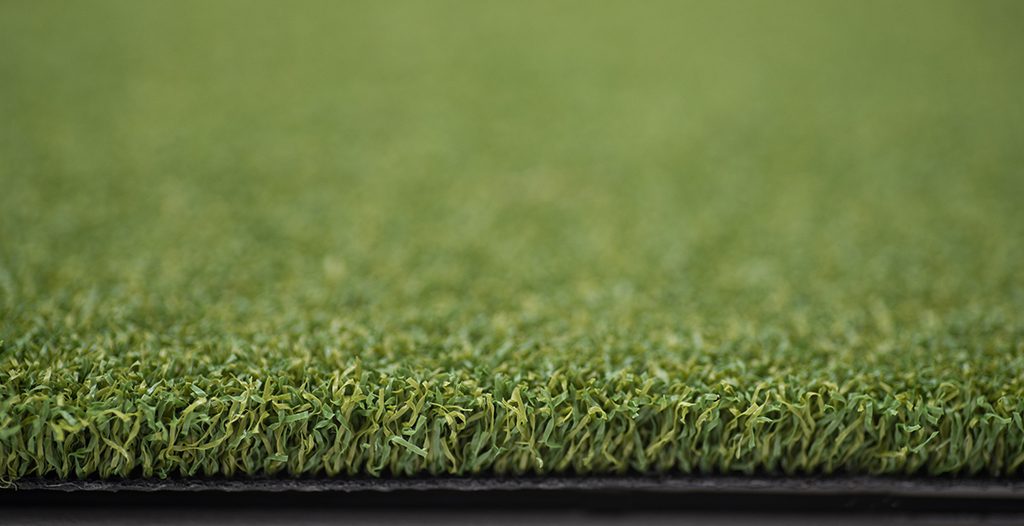
The playing characteristics of modern artificial sports turf for tennis courts rival traditional surfaces while offering unique benefits. Advanced synthetic fibers provide consistent ball bounce and controlled ball speed. The cushioned backing reduces joint stress, making artificial grass courts particularly appealing for older players or those with previous injuries. Players often describe the surface as forgiving yet responsive, combining the best aspects of clay and hard court play.
Durability extends the investment value of artificial grass tennis courts significantly. Quality installations from experienced providers like LawnKing Gardens’ tennis court services can last fifteen to twenty years with minimal maintenance. The synthetic fibers resist UV degradation, temperature extremes, and heavy use without showing the wear patterns that plague traditional surfaces. This longevity makes artificial grass an increasingly cost-effective option when evaluating total lifecycle costs.
Cost Considerations for Tennis Court Resurfacing
Understanding tennis court resurfacing costs helps property owners budget appropriately and make informed decisions. Pricing varies considerably based on court condition, chosen materials, surface type, and project complexity. Several factors influence the final investment required for bringing your tennis court back to optimal playing condition.
Court size and configuration represent the primary cost drivers. A standard tennis court measures approximately 668 square meters including surrounding areas. Larger facilities with multiple courts or non-standard dimensions proportionally increase material and labor requirements. Courts with complex drainage systems or elevated construction may require additional expertise and specialized equipment, affecting overall project costs.
The extent of repair work needed significantly impacts resurfacing budgets. Courts requiring only surface coating refresh represent the most economical scenario. When substantial crack repairs, base reconstruction, or drainage improvements become necessary, costs escalate accordingly. A thorough professional assessment provides accurate cost projections by identifying all required work before project commencement.
Material selection offers opportunities for cost management while maintaining quality. Basic acrylic systems provide functional performance at moderate cost, suitable for recreational facilities and residential courts. Premium systems incorporating cushioned layers, advanced pigments, or specialized additives command higher prices but deliver superior performance and extended service life. The nine compelling reasons for artificial turf tennis courts include long-term cost efficiency despite higher initial investment.
Labor costs in Midrand, Kyalami, and Woodmead reflect the skilled nature of tennis court work. Professional contractors bring specialized knowledge of surface preparation, material application, and quality control that DIY approaches cannot match. While professional installation increases upfront costs, it ensures proper execution that prevents premature failure and costly remediation. Reputable contractors provide warranties backing their workmanship, offering peace of mind and financial protection.
Typical resurfacing costs for traditional hard courts in the Johannesburg area range from R350 to R650 per square meter, depending on condition and specifications. A complete standard court resurfacing project might therefore cost between R230,000 and R430,000. Courts requiring extensive repairs or premium materials may exceed these ranges. Artificial grass installations typically cost R400 to R750 per square meter installed, with complete projects ranging from R270,000 to R500,000, but this represents a longer-lasting solution with reduced ongoing maintenance expenses.
Choosing the Right Time for Resurfacing
Timing tennis court resurfacing projects strategically maximizes results while minimizing disruption. Several factors influence optimal scheduling, from weather conditions to facility usage patterns. Planning ahead ensures project completion when courts can be taken offline with minimal impact on users.
Weather considerations are paramount in Gauteng’s climate. The ideal resurfacing window spans late winter through early summer, roughly August through November. During these months, temperatures remain moderate, rainfall occurs less frequently, and humidity levels support proper curing. Avoiding the peak summer rainy season prevents weather delays and ensures each coating layer cures completely before the next application. Winter work remains possible but requires careful monitoring of overnight temperatures that can affect curing.
Facility usage patterns should guide project scheduling. Schools and clubs typically prefer resurfacing during term breaks or off-season periods when court closure causes minimal disruption. Residential courts offer more flexibility, though homeowners often schedule work around major events or extended travel. For commercial facilities dependent on court availability for revenue, phased renovation of multiple courts allows maintaining some playable surfaces throughout the project.
The relationship between court age and resurfacing timing follows predictable patterns. New courts require their first resurfacing after approximately six to eight years, depending on usage and maintenance. Subsequent resurfacing intervals often shorten to five or six years as the underlying base ages. Establishing a regular maintenance schedule prevents minor issues from escalating into major structural problems requiring complete reconstruction.
Advanced planning provides cost and quality advantages. Booking reputable contractors during their less busy months often yields better pricing and more flexible scheduling. It also allows proper budgeting and approvals processing for institutional facilities. Last-minute emergency resurfacing typically costs more and limits material choices based on immediate availability.
Professional Installation versus DIY Approaches
The complexity of tennis court resurfacing makes professional installation the recommended approach for most situations. While motivated property owners might consider DIY options for cost savings, the technical requirements and specialized equipment needed typically favor professional contractors who deliver superior results with comprehensive warranties.
Professional contractors bring expertise spanning decades of combined experience. They understand how different materials perform under various conditions, recognize potential problems before they develop, and execute each phase according to industry best practices. This knowledge proves particularly valuable when addressing underlying issues that inexperienced observers might miss. The International Tennis Federation’s court construction guidelines emphasize the importance of qualified installation for achieving regulation standards.
Specialized equipment distinguishes professional installations from amateur attempts. Commercial-grade power washers, crack routing machines, precision measuring tools, and professional-grade spray equipment ensure consistent results impossible to achieve with consumer tools. The application technique for acrylic coatings requires specific equipment and practiced skill to achieve uniform thickness and texture. Artificial grass installations demand specialized cutting tools, seaming equipment, and infill spreading machines for professional-quality results.
Quality control and warranty protection represent significant advantages of professional installation. Reputable contractors guarantee their work, returning to address any issues that emerge during the warranty period. They source materials from established manufacturers and apply them according to specifications that ensure long-term performance. This accountability provides financial protection and peace of mind that DIY projects cannot match.
The time investment for proper tennis court resurfacing exceeds most homeowners’ availability and patience. A professional crew can complete a standard court in five to ten working days, weather permitting. The same project might stretch over months for weekend warriors, with each delay increasing the risk of weather damage or material contamination. For most property owners in Midrand, Kyalami, and Woodmead, the convenience and reliability of professional installation justify the investment.
Maintenance After Resurfacing
Proper maintenance following tennis court resurfacing extends the life of your investment and maintains optimal playing conditions. Establishing good habits immediately after project completion sets the foundation for years of trouble-free service. The maintenance requirements vary somewhat between traditional hard courts and artificial grass installations, but both benefit from regular attention.
For traditional acrylic surfaces, the initial curing period demands special care. Avoid using newly resurfaced courts for at least forty-eight to seventy-two hours after completion, though manufacturers may recommend longer periods depending on temperature and humidity. Early use before complete curing can damage the surface and void warranties. Once ready for play, implement a regular cleaning schedule that removes debris, prevents staining, and maintains proper traction.
Pressure washing represents the primary maintenance task for hard courts. Annual or bi-annual pressure washing removes accumulated dirt, algae, and mildew that compromise appearance and traction. Use moderate pressure settings to avoid damaging the surface coating. Follow pressure washing with applications of court cleaning solutions designed for acrylic surfaces. Avoid harsh chemicals that can degrade the coating or strip protective layers.
Crack monitoring and prompt repair prevent minor issues from escalating. Inspect your court quarterly, paying particular attention to high-stress areas like the baseline and service boxes. Seal small cracks immediately using flexible crack filler products. Address drainage problems as soon as they appear, as standing water accelerates surface deterioration and can undermine the base structure.
Artificial grass courts require different maintenance approaches, generally less intensive than traditional surfaces. Regular brushing redistributes infill material and maintains fiber orientation for optimal playability. Monthly brushing suffices for recreational courts, while high-use facilities might brush weekly. Remove organic debris promptly to prevent decomposition and potential odor issues. The specialized sports turf applications that LawnKing Gardens provides include comprehensive maintenance guidance specific to each installation.
Seasonal maintenance tasks keep courts performing optimally year-round. Before winter, ensure drainage systems function properly and repair any surface damage that might worsen during freeze-thaw cycles. Before summer, check that sun-exposed areas haven’t degraded and that lines remain clearly visible. This proactive approach minimizes surprise failures and extends the intervals between major resurfacing projects.
Selecting a Resurfacing Contractor in Midrand, Kyalami & Woodmead
Choosing the right contractor for your tennis court resurfacing project significantly influences outcomes and long-term satisfaction. The Johannesburg area hosts numerous contractors claiming tennis court expertise, but careful evaluation ensures you engage qualified professionals who deliver quality results backed by meaningful warranties.
Experience with local conditions should top your evaluation criteria. Contractors familiar with Gauteng’s climate understand how temperature swings, UV intensity, and seasonal rainfall affect different surface materials. They know which products perform reliably in local conditions and which require special handling. Ask potential contractors about their experience specifically with tennis courts in Midrand, Kyalami, and Woodmead, requesting references from recent projects in these areas.
Portfolio review provides tangible evidence of contractor capabilities. Request photographs and site visits to completed projects similar to yours. Evaluate the quality of line work, consistency of surface texture, and overall appearance. Speaking directly with previous clients reveals insights about contractor reliability, communication, problem-solving, and post-completion support. According to professional tennis court construction standards, adherence to recognized specifications ensures regulatory compliance and optimal performance.
Material quality and manufacturer relationships indicate contractor commitment to excellence. Established contractors maintain relationships with reputable surface manufacturers, accessing premium materials and technical support. They stay current with product developments and application techniques. Ask about the specific products proposed for your project, researching manufacturer specifications and warranty terms independently.
Comprehensive proposals and clear communication distinguish professional contractors from less reliable operators. Quality contractors provide detailed written proposals specifying all work to be performed, materials to be used, project timeline, and total costs. They welcome questions, explain their approach clearly, and address concerns thoroughly. Avoid contractors who pressure immediate decisions, provide vague verbal estimates, or seem reluctant to detail their process.
LawnKing Gardens brings extensive experience in both traditional tennis court construction and repair and modern artificial grass installations. Based in Randburg with strong presence throughout Midrand, Kyalami, and Woodmead, they understand local conditions and maintain relationships with property owners across these premium suburbs. Their commitment to quality materials, professional installation, and comprehensive customer support has established them as a trusted partner for tennis court projects throughout the region.
Making the Investment in Your Tennis Court
Tennis court resurfacing represents a significant investment that enhances property value, improves recreational opportunities, and ensures player safety. Whether you’re managing a single residential court or multiple commercial facilities in Midrand, Kyalami, or Woodmead, understanding the resurfacing process empowers informed decision-making that maximizes return on investment.
The choice between traditional hard court resurfacing and artificial grass conversion depends on your priorities, budget, and long-term vision. Traditional surfaces offer familiar playing characteristics at moderate cost, with established maintenance routines. Artificial grass provides reduced maintenance, consistent all-weather playability, and extended service life, though initial costs run higher. Both options deliver excellent results when properly installed and maintained.
Timing your resurfacing project strategically and selecting qualified contractors ensures successful outcomes. Don’t wait until minor deterioration becomes major structural failure. Regular inspections, prompt repairs, and scheduled resurfacing based on condition rather than arbitrary timelines protect your investment and maintain optimal playing conditions.
For property owners throughout Midrand, Kyalami, and Woodmead considering tennis court resurfacing or artificial grass conversion, professional guidance helps navigate options and ensures project success. Contact LawnKing Gardens to discuss your specific requirements, schedule a court assessment, and receive a comprehensive proposal tailored to your needs. Their team of tennis court specialists brings the expertise, equipment, and commitment to quality that transforms aging courts into premium playing surfaces that serve players well for years to come.
Whether you choose traditional resurfacing or embrace the benefits of modern artificial grass technology, investing in your tennis court enhances property enjoyment and value. With proper planning, quality materials, professional installation, and regular maintenance, your tennis court will continue providing recreational opportunities and competitive venues throughout Midrand, Kyalami, and Woodmead’s vibrant tennis community.
Recent Posts:
- Converting Unused Pool Areas or Large Gardens into Tennis Courts: Success Stories in Kempton Park & Benoni Estates
- Fencing and Privacy Options for Tennis Courts in Houghton, Westcliff & Parkview: Style Meets Function
- Tennis Court Drainage Systems: Preventing Water Damage in Randburg, Roodepoort & Northern Suburbs
- Adding Property Value: How Tennis Courts Impact Home Prices in Constantia Kloof, Dainfern & Blue Hills
- Maintaining Your Tennis Court Through Gauteng’s Seasons: Summer Heat, Winter Frost & Rainy Season Care