
Experts in
Tennis Courts
Looking For Tennis courts for Home, Complexes, Schools or Professional Sports Field?
Our Tennis Courts Services
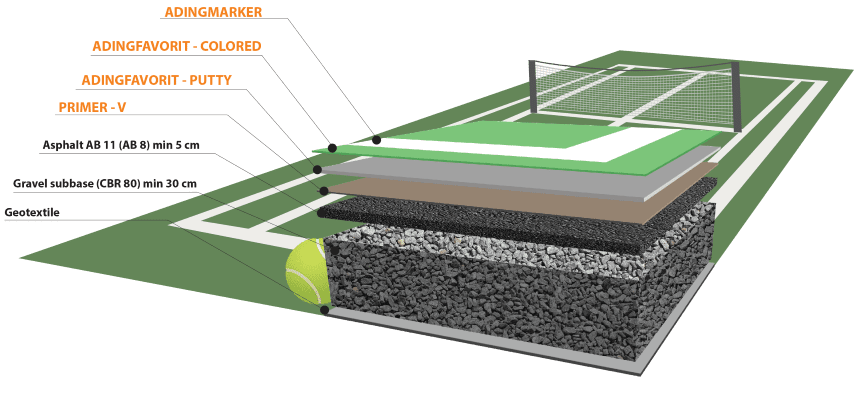
Construction
We have the teams and equipment for tennis court construction from start to finish.
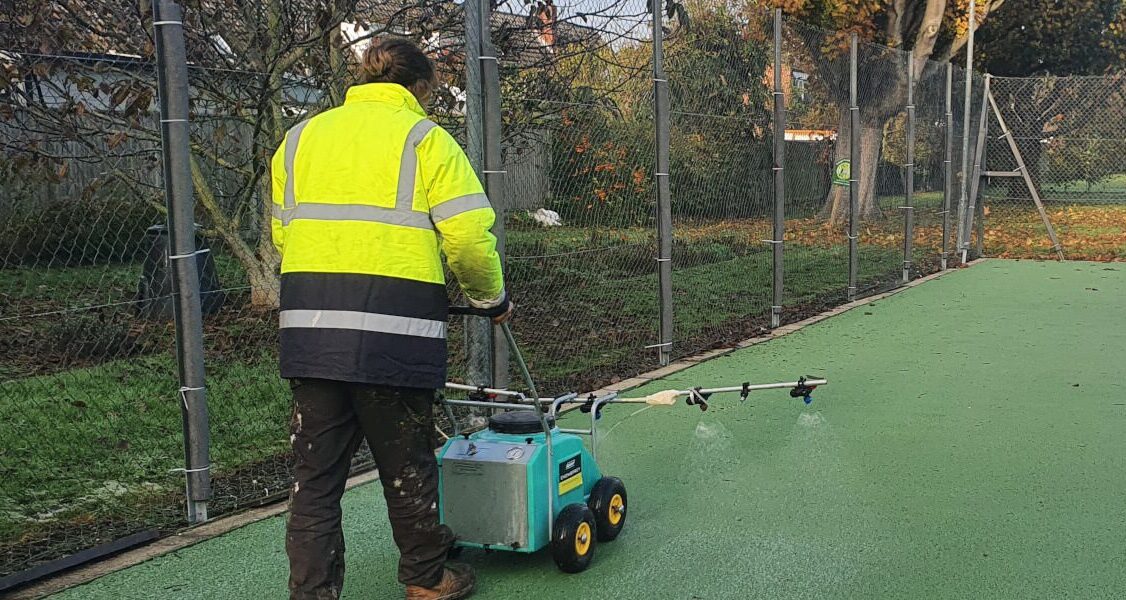
Maintenance
With all the traffic and constant battering, your tennis court requires a professional maintenance plan.
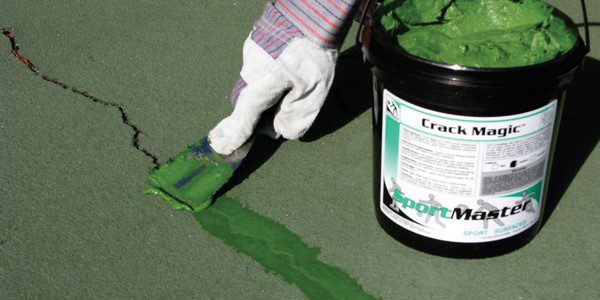
Repairs & Resurfacing
Crack happens and nets tears but worry not. We assist with timely and excellent tennis court repair services.
Comprehensive Guide to Tennis Court Construction
Phase 1: Initial Planning and Site Selection
**The foundation of any successful tennis court project rests on careful planning.** This crucial first step involves evaluating the location to determine whether it meets the required dimensions and environmental conditions.
Specifically, the site should be level, well-drained, and completely free from obstructions like trees or buildings that could interfere with play or create excessive shade. Additionally, you must verify local zoning regulations and secure all necessary permits before beginning construction. Furthermore, proper planning ensures a successful project and delivers a high-quality tennis court that functions excellently for years. Taking time during this phase prevents costly problems later.
Phase 2: Earthworks and Site Preparation
**After you select the site, the next critical step involves earthworks and site preparation.** During this phase, our crews clear the area of vegetation, rocks, and debris systematically. Subsequently, we grade the site to create a level playing surface.
Excavation may be necessary to remove excess soil and achieve the desired court elevation. Moreover, we compact the subgrade to provide a stable foundation. Finally, we install proper drainage systems to prevent water accumulation. This step is crucial for preventing future issues—such as cracking or unevenness—that compromise playing quality.
Phase 3: Base Construction for Court Stability
**A well-constructed base ensures the longevity and stability of your court.** Therefore, we take this phase extremely seriously. Typically, we lay a crushed stone base, followed by a layer of compacted gravel or additional crushed stone. This base layer provides excellent drainage and prevents water from pooling under the court surface.
The thickness of the base layer depends on soil conditions and drainage requirements specific to your site. Moreover, proper compaction of the base layers creates a solid and stable foundation. Additionally, this careful construction prevents costly repairs down the road. Our experienced team uses industry-standard techniques to deliver exceptional results.
Phase 4: Surfacing the Tennis Court
**The surfacing phase determines your court’s playing characteristics and durability.** Consequently, material selection requires careful consideration. The choice of surface material depends on the type of court you envision—whether hard courts, clay courts, or grass courts.
Hard courts typically consist of asphalt or concrete, with an acrylic coating applied to create a smooth and durable playing surface. In contrast, clay courts require a layer of crushed stone, followed by a top layer of fine clay. Alternatively, grass courts involve planting and maintaining a specific type of grass that provides suitable playing conditions. Additionally, the surfacing process includes painting the court lines and installing the net posts. Each surface type offers distinct advantages for different playing styles.
Phase 5: Installing Fencing and Lighting
**Fencing and lighting enhance both safety and usability of your tennis court.** These essential components serve multiple purposes. Specifically, fencing around the court prevents balls from leaving the playing area and provides security for players. The fencing should reach at least 10 feet high and consist of durable materials like chain link.
Furthermore, lighting is crucial for extending playtime into the evening and improving visibility. Therefore, we install high-quality, energy-efficient LED lights that ensure consistent and bright illumination. Proper placement of light fixtures is essential to avoid shadows and glare that could affect gameplay. Moreover, modern LED systems reduce energy costs while providing superior visibility. Consequently, your facility becomes usable well into the evening hours.
Phase 6: Marking the Court for Regulation Play
**Professional court markings ensure your facility meets regulation standards.** We paint court lines using high-visibility, durable paint that withstands weather conditions and heavy use. The lines include the baseline, service lines, center mark, and sidelines, which are all crucial for regulating play.
Precise measurements and careful application of the lines are necessary to ensure accuracy and compliance with international tennis standards. Moreover, regular maintenance of the court markings keeps them visible and intact over time. Therefore, we recommend repainting every 2-3 years depending on usage levels. Additionally, we can customize line colors to match your facility’s branding or aesthetic preferences.
Phase 7: Final Touches and Long-Term Maintenance Planning
The final phase brings your tennis court project to completion.** At this stage, we install the net, windscreens, and any additional features like seating or shade structures. The net must be adjustable and meet regulation height requirements.
Furthermore, windscreens reduce wind interference and provide privacy for players. Additionally, we develop a comprehensive maintenance plan to ensure longevity and consistent performance. Regular maintenance includes routine cleaning, surface repairs, and checking the integrity of the fencing and lighting systems. Consequently, proper maintenance keeps your court in top condition and extends its useful lifespan significantly. By following these detailed steps, we ensure a high-quality tennis court that provides a safe, durable, and enjoyable playing environment.
Tennis Court Repair & Maintenance
We offer a variety of surface options, each designed to enhance your playing experience. Hard courts provide consistent, fast play suitable for competitive matches. Clay courts offer excellent shock absorption and slower play speed. Grass courts deliver the classic tennis experience with unique playing characteristics.
Get A Free Quote!
FAQs
Whether you’re curious about features, a free estimate, or even site inspection, we’re here to answer any questions.
Q: What types of tennis courts do you construct?
A: LawnKing Gardens constructs a variety of tennis courts including hard courts, clay courts, and grass courts, each tailored to meet specific client requirements and preferences.
Q: How long does it take to build a tennis court?
A: The construction timeline for a tennis court typically ranges from 6 to 12 weeks, depending on factors such as weather conditions, site preparation needs, and the type of surface being installed.
Q: What is the process for constructing a tennis court?
A: Our construction process includes site selection and evaluation, earthworks and grading, base construction, surfacing, and installation of fencing, lighting, and final markings. Each step is carefully executed to ensure a high-quality, durable tennis court.
Q: Do you offer custom designs for tennis courts?
A: Yes, LawnKing Gardens provides custom design services to create a tennis court that meets your specific needs and aesthetic preferences. We work closely with you to design the perfect court for your location.
Q: What are the costs associated with building a tennis court? A: The cost of building a tennis court varies based on factors such as the type of surface, site preparation requirements, and additional features like lighting and fencing. Contact us for a detailed quote tailored to your project.
Tennis Court Maintenance
Q: How often should a tennis court be maintained?
A: Regular maintenance is crucial for the longevity and performance of your tennis court. We recommend routine maintenance every 6 months, with more intensive maintenance annually or as needed based on usage and surface type.
Q: What maintenance services do you offer?
A: LawnKing Gardens offers a comprehensive range of maintenance services, including surface cleaning, re-painting court lines, checking and repairing fencing, lighting inspections, and resurfacing.
Q: How can I prevent damage to my tennis court?
A: Regular maintenance, proper drainage systems, and immediate repair of any cracks or surface issues are key to preventing long-term damage. Additionally, using appropriate footwear and equipment can help maintain the court’s condition.
Q: What are common signs that my tennis court needs maintenance?
A: Common signs include visible cracks, fading or peeling paint, water pooling on the surface, and uneven playing areas. Regular inspections can help identify these issues early.
Q: Do you provide cleaning services for tennis courts?
A: Yes, we offer professional cleaning services to remove debris, moss, and other contaminants that can affect the playing surface. Regular cleaning helps maintain the court’s appearance and functionality.
Tennis Court Repair
Q: What types of repairs do you perform on tennis courts?
A: LawnKing Gardens performs a wide range of repairs, including crack filling, surface patching, re-coating, and addressing drainage issues. We also repair and replace fencing and lighting as needed.
Q: How do I know if my tennis court needs resurfacing?
A: Signs that your court needs resurfacing include significant wear and tear, persistent cracking, and a slippery or uneven surface. Resurfacing typically extends the life of your court and enhances playability.
Q: What is the process for repairing cracks in a tennis court?
A: Our crack repair process involves cleaning the affected area, filling the crack with a high-quality repair material, and smoothing the surface to ensure a seamless repair. We also reinforce the area to prevent future cracking.
Q: How long does it take to repair a tennis court?
A: The duration of repairs depends on the extent of the damage. Minor repairs can be completed in a few hours, while more extensive repairs, such as resurfacing, may take several days.
Q: Can repairs be done during any season?
A: While minor repairs can often be performed year-round, major repairs and resurfacing are best done in dry, warm weather to ensure optimal adhesion and curing of materials.
For more detailed information or to schedule a consultation, please contact LawnKing Gardens. Our team of experts is dedicated to providing top-quality tennis court construction, maintenance, and repair services tailored to your needs.
All our Locations
Tree Felling Randburg | Tree Felling Atholl | Tree Felling Dunkeld | Tree Felling Fairland | Tree Felling Fairlands | Tree Felling Ferndale | Tree Feling Hyde Park | Free Felling Inanda | Tree Felling Northcliff | Tree Felling Sandhurst | Tree Felling Strydjom Park | Tree Felling Greenside | Tree Felling Constantia Kloof | Tree Felling Douglasdale | Tree Felling Olivedale | Tree Felling Westcliff | Tree Felling Westdene | Tree Felling Linden | Tree Felling Blairgowrie | Tree Felling Centurion | Tree Felling Waterkloof | Tree Felling Weltevreden Park