Instant Lawn Care : First 30 Days Guide
Installing instant lawn is an exciting milestone for any homeowner in Randburg and Midrand, transforming your outdoor space with immediate visual impact. However, the success of your new instant lawn depends heavily on the care you provide during the crucial first 30 days. This comprehensive guide outlines week-by-week maintenance steps for both Kikuyu and LM Berea grass varieties, ensuring your investment flourishes into a lush, healthy lawn.
Understanding Your New Instant Lawn Investment
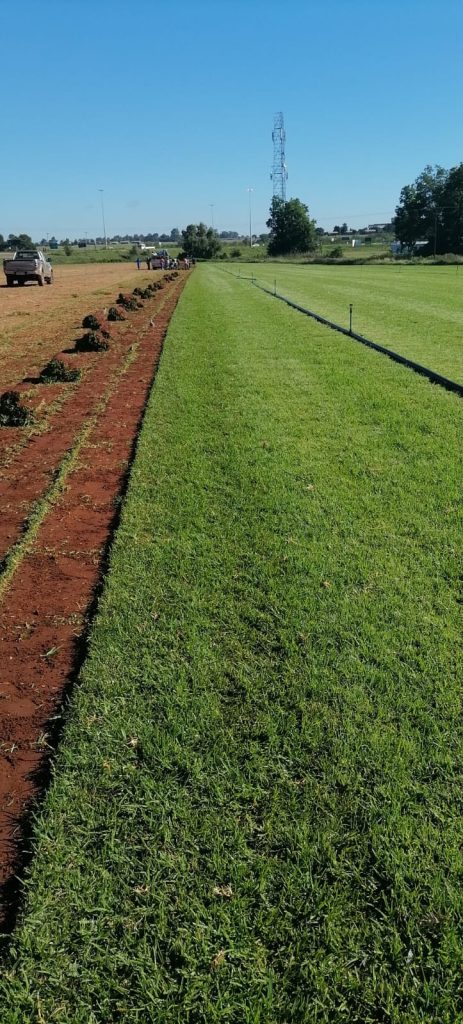
Instant lawn provides immediate transformation with quality grass varieties like weed-free Kikuyu Grass and sophisticated LM Berea Grass. Unlike traditional seeding methods, instant lawn requires specific care protocols during the establishment period to ensure proper root development and long-term health. The first month is critical for establishing strong root systems that will support your lawn’s resilience and beauty for years to come.
Professional installation from artificial grass specialists in Randburg sets the foundation, but your post-installation care determines the ultimate success. Whether you’ve chosen hardy Kikuyu grass for high-traffic areas or elegant LM Berea for shaded landscapes, understanding the specific needs of your grass variety is essential for optimal results.
Week 1: Establishing the Foundation (Days 1-7)
The first week following installation is the most critical period for your new instant lawn. During this phase, your primary focus should be maintaining consistent moisture levels while avoiding oversaturation that could lead to root rot or fungal issues.
Water thoroughly in both early morning and late afternoon for newly installed sod. Begin watering immediately after installation, ensuring the soil beneath reaches a depth of approximately 10-15 centimeters. Your watering schedule should consist of light, frequent applications rather than heavy soaking sessions.
For Kikuyu grass, water twice daily during the first week, applying approximately 10-15mm each session. The hardy nature of Kikuyu allows for slightly less frequent watering compared to more delicate varieties. LM Berea grass, being more suited to shaded areas, requires more careful moisture management with similar frequency but slightly reduced volume per session.
Monitor your lawn closely for signs of stress, including browning edges or lifting corners. These indicators suggest either inadequate watering or drainage issues that need immediate attention. Avoid walking on the lawn during this critical establishment period, as the roots are still securing themselves to the underlying soil.
Week 2: Strengthening Root Development (Days 8-14)
The second week marks a transition period where your instant lawn begins establishing deeper root connections. The watering schedule should consist of morning waterings every other day or every three days, but never let the grass completely dry out. This approach encourages roots to grow deeper in search of moisture, creating a more resilient lawn structure.
Reduce watering frequency to once daily, preferably in early morning between 6:00 and 8:00 AM. This timing allows maximum absorption while minimizing evaporation losses and reducing the risk of fungal diseases associated with evening watering. Apply approximately 20-25mm of water per session, ensuring penetration reaches the soil interface.
For both Kikuyu and LM Berea varieties, this week is crucial for root establishment. Kikuyu’s aggressive root system typically shows faster development, while LM Berea requires consistent moisture levels to support its more refined growth pattern. Inspect the edges and seams of your instant lawn regularly, looking for signs of proper integration.
Begin light foot traffic assessment by gently lifting corner sections to evaluate root attachment. If the turf lifts easily, continue restricted access and maintain current watering protocols. Some resistance indicates proper root development is occurring.
Week 3: Transitioning to Normal Care (Days 15-21)
Week three represents a significant milestone in your instant lawn care journey. Compared to the first 14 days, the watering cycles should be less frequent in the latter part of the month. Your lawn should now demonstrate visible signs of establishment, with roots extending into the prepared soil base.
Transition to every-other-day watering, increasing the volume to 25-30mm per session. This deeper, less frequent approach promotes robust root development while preparing your lawn for normal maintenance routines. Early morning watering remains optimal, but you may begin experimenting with timing based on your specific microclimate conditions.
Both grass varieties benefit from their first light fertilizer application during this period. Water your lawn a few days before fertilizing so your soil is ready to accept the fertilizer. Choose a balanced starter fertilizer with lower nitrogen content to avoid burning tender new growth. Apply according to manufacturer specifications, typically 50% of the recommended rate for established lawns.
Kikuyu grass may show signs of lateral growth during this period, indicating healthy establishment. LM Berea typically displays more vertical growth with increased density. Both responses are positive indicators of successful adaptation to your specific growing conditions.
Light maintenance activities can begin during week three, including gentle debris removal and inspection for potential pest issues. However, avoid heavy foot traffic and any mechanical stress that could disrupt the developing root system.
Week 4: Establishing Long-Term Success (Days 22-30)
The final week of the critical establishment period focuses on transitioning your instant lawn toward normal maintenance routines. Your grass should now demonstrate strong root attachment and show signs of new growth, indicating successful establishment.
The general rule for watering a lawn is 1 to 2 inches per week. Begin implementing this standard by watering twice weekly with deep soaking sessions of 35-40mm each. This approach supports the mature watering schedule your lawn will require throughout its lifespan.
Consider your first light mowing if grass height exceeds the recommended length for your variety. Kikuyu grass can typically handle mowing when it reaches 40-50mm height, while LM Berea should be maintained at 25-35mm. Use sharp mower blades and avoid removing more than one-third of the grass height in a single session.
Professional tree felling services in Ferndale or surrounding areas may be necessary if established trees create excessive shade or compete for nutrients. Proper light exposure is crucial for both grass varieties, though LM Berea tolerates partial shade better than Kikuyu.
Apply a second light fertilizer application if your grass shows signs of nutrient deficiency, such as pale coloring or slow growth. If it’s granular fertilizer, water right away to prevent burning and ensure proper nutrient uptake.
Monitoring and Troubleshooting Common Issues
Throughout the 30-day establishment period, vigilant monitoring helps identify and address potential problems before they become serious issues. Brown patches, lifting edges, or uneven growth patterns require immediate attention and often indicate watering, drainage, or soil preparation problems.
Professional consultation with landscaping specialists in Dunkeld and surrounding areas can provide valuable insights for addressing specific challenges. Every property presents unique conditions that may require customized care approaches beyond standard recommendations.
Regular inspection of irrigation systems ensures consistent water delivery across the entire lawn area. Uneven watering often results in patchy establishment and long-term maintenance challenges that could have been prevented with proper attention during the critical first month.
Setting the Stage for Ongoing Success
The intensive care provided during the first 30 days establishes the foundation for years of lawn enjoyment. Proper establishment procedures reduce long-term maintenance requirements while ensuring your investment in quality instant lawn continues providing value and beauty.
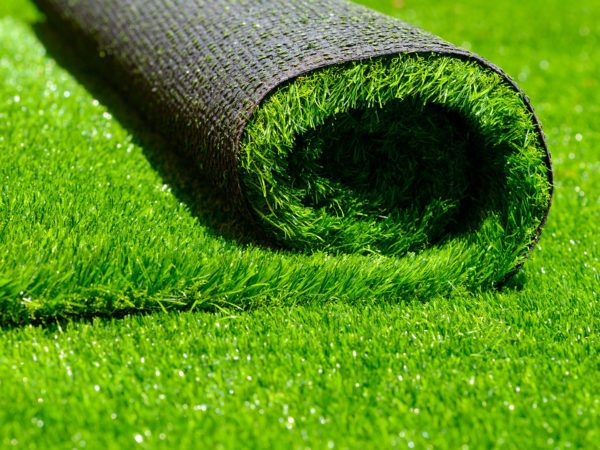
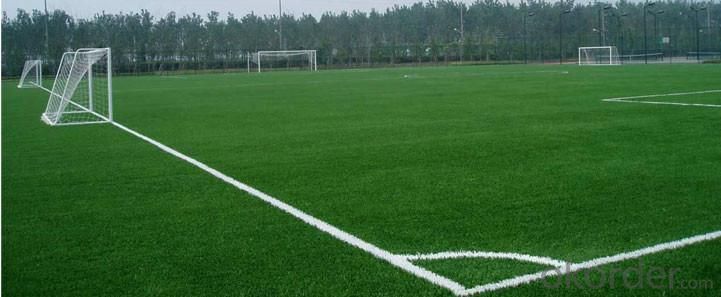
For homeowners considering artificial grass alternatives in Randburg for areas where natural grass struggles, the contrast with instant lawn care requirements becomes apparent. While artificial grass eliminates watering and fertilizing concerns, many homeowners prefer the authentic feel and environmental benefits of properly established natural grass.
Understanding the specific needs of your chosen grass variety, whether hardy Kikuyu or elegant LM Berea, ensures appropriate care decisions throughout the establishment period and beyond. Professional guidance from experienced landscaping companies provides valuable support for achieving optimal results.
The first 30 days of instant lawn care require dedication and attention to detail, but the rewards of a perfectly established lawn make the effort worthwhile. By following these week-by-week guidelines and adapting them to your specific conditions, you’re investing in the long-term health and beauty of your outdoor space.
For additional resources on lawn care and professional installation services, visit the University of California Agriculture Extension and Penn State Extension Turfgrass Program for research-based information on grass establishment and maintenance best practices.
Recent Posts:
- How to Repair Bare Patches in Your Kikuyu Instant Lawn: A Complete Guide for Randburg Homeowners
- Lawndressing Kikuyu Grass in Spring: Your Complete Guide to a Lush Green Paradise
- Controlling Kikuyu Grass Growth: Managing Your Instant Lawn’s Aggressive Nature
- LM Grass vs Kikuyu: Which Instant Lawn Variety Suits Your Climate?
- When and How to First Mow Your LM Grass Instant Lawn: Your Complete Guide to Perfect Timing and Technique