Common Pests Threatening Your Kikuyu Lawn in Johannesburg: Identification and Solutions
Understanding Kikuyu Grass Pests in Johannesburg’s Climate
Kikuyu grass (Pennisetum clandestinum) remains one of the most popular lawn choices in Johannesburg homes and businesses due to its hardiness and drought tolerance. However, even this resilient grass variety faces numerous pest challenges in Gauteng’s unique climate. Johannesburg’s warm summers and mild winters create ideal conditions for several lawn pests that can quickly transform your lush green carpet into a patchy, damaged landscape. Identifying these threats early can save your lawn from extensive damage and costly replacements. This comprehensive guide explores the most common pests affecting Kikuyu lawns in Johannesburg and provides effective solutions for maintaining a healthy, vibrant lawn throughout the year.
African Black Beetle: The Hidden Destroyer
The African Black Beetle (Heteronychus arator) represents one of the most destructive pests threatening Kikuyu lawns in Johannesburg. These beetles measure approximately 12-15mm in length with shiny black bodies and cause damage in both adult and larval stages. Adult beetles chew through grass stems at soil level, while their C-shaped white grubs feed on grass roots, causing sections of turf to die off completely.
Signs of African Black Beetle infestation include:
- Irregular brown patches that appear suddenly in your lawn
- Grass that can be easily pulled up due to severed roots
- Birds frequently pecking at your lawn (searching for grubs)
- Spongy feeling when walking across affected areas
Peak beetle activity occurs during Johannesburg’s warm summer months from October through March. Treatment options include targeted insecticides containing imidacloprid or biological controls such as entomopathogenic nematodes, which work particularly well in Johannesburg’s climate conditions.
Lawn Caterpillars: Nocturnal Grass Predators
Lawn armyworm (Spodoptera species) and lawn caterpillars present significant challenges to Kikuyu grass in Johannesburg gardens. These pests are the larval stage of various moth species and feed voraciously on grass blades, particularly during evening hours. A severe infestation can devastate large sections of Kikuyu lawn within days.
Johannesburg homeowners should watch for:
- Irregular patches of thinning grass that expand rapidly
- Visible caterpillars when examining grass in early morning or evening
- Small brown moths fluttering over the lawn at dusk
- Fine silk threads visible on grass blades
Controlling lawn caterpillars requires prompt action. Bacillus thuringiensis (Bt) provides an environmentally friendly solution that works effectively in Johannesburg’s climate. Chemical controls containing carbaryl or permethrin can address severe infestations. Regular mowing helps reduce moth egg-laying sites and improves treatment penetration.
Mole Crickets: Underground Devastators
Mole crickets have become increasingly problematic for Johannesburg’s Kikuyu lawns in recent years. These unusual insects have powerful front legs for tunneling and create extensive underground networks that damage grass roots and dry out the soil. Their activity intensifies during Johannesburg’s rainy season when soils become softer and easier to navigate.
Telltale signs of mole cricket activity include:
- Small, raised tunnels visible on the lawn surface
- Spongy, soft soil in affected areas
- Irregular dying patches despite adequate watering
- Increased bird activity focused on certain lawn areas
Control methods for mole crickets include targeted baits containing fipronil applied in the early evening when these pests are most active. Maintaining appropriate soil moisture levels helps minimize favorable conditions, as very wet soil particularly attracts these pests to Kikuyu lawns.
Lawn Grubs: Root Destroyers
Various lawn grub species, including the larvae of chafer beetles, affect Kikuyu grass throughout Johannesburg. These C-shaped white grubs feed on grass roots, causing widespread damage that appears as irregular brown patches across your lawn. The damage typically becomes most apparent during dry periods when plants are already stressed.
Johannesburg lawn owners should check for:
- Patches of dying grass that don’t respond to watering
- Grass that pulls up easily from the soil with minimal effort
- Visible white grubs when soil is turned over (3-4cm below surface)
- Increased activity from hadedas and other birds probing the lawn
Treatment options include milky spore disease, a biological control that works particularly well in Johannesburg’s warm climate, or targeted insecticides containing chlorantraniliprole. Application timing is crucial, with early summer treatments providing the best results before populations reach damaging levels.
Red Ants: The Persistent Invaders
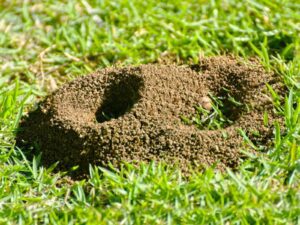
Red ants (Solenopsis species) create significant problems for Kikuyu lawns across Johannesburg. These aggressive insects establish colonies beneath the lawn, creating bare patches and soil mounds that damage mowers and affect lawn aesthetics. Their painful bites make lawn maintenance challenging and outdoor activities uncomfortable.
Identifying red ant problems in Kikuyu grass includes:
- Small, circular bare patches appearing in the lawn
- Visible soil mounds or small craters in the grass
- Ants swarming when the area is disturbed
- Burning or itching sensation when working in affected areas
Controlling red ants requires targeted bait treatments containing hydramethylnon or fipronil placed near active mounds. Granular insecticides broadcast across the lawn can address widespread infestations. Regular monitoring remains essential as colonies can quickly re-establish in Johannesburg’s favorable climate.
Preventative Maintenance for Kikuyu Lawn in Johannesburg
Preventing pest infestations in your Kikuyu lawn proves more effective than treating established problems. Johannesburg homeowners should implement these preventative measures:
- Maintain proper mowing height: Keep Kikuyu grass at 3-5cm tall to encourage deep root development and natural pest resistance.
- Practice appropriate irrigation: Water deeply but infrequently, preferably early morning, to promote strong root systems while avoiding fungal issues common in Johannesburg’s humidity.
- Regular aeration: Compacted soils common in Gauteng clay profiles create stress that makes Kikuyu more susceptible to pests. Annual aeration improves resistance.
- Balanced fertilization: Follow a fertilization program appropriate for Johannesburg’s seasons to maintain plant vigor without excessive growth.
- Monitor regularly: Check your lawn weekly for signs of pest activity, particularly during summer months when pest populations explode.
When to Call Professional Pest Control for Your Kikuyu Lawn
While many pest problems can be addressed with DIY methods, severe infestations require professional intervention. Consider contacting a professional lawn pest control service when:
- Multiple pest species are present simultaneously
- DIY treatments have proven ineffective after 2-3 weeks
- The infestation covers more than 30% of your lawn area
- You require environmentally sensitive solutions around pets or children
Professional pest controllers familiar with Johannesburg’s unique environmental conditions can provide targeted treatments that address specific pest species while minimizing environmental impact. Many offer seasonal treatment programs designed specifically for Kikuyu grass that prevent major outbreaks through strategic application timing.
Protecting Your Kikuyu Grass Investment
A healthy Kikuyu Grass Lawn adds significant value to Johannesburg properties while providing functional outdoor space for recreation and relaxation. Understanding the pest threats specific to our region allows homeowners to implement effective prevention and treatment strategies. With proper maintenance and vigilant monitoring, your Kikuyu lawn can remain vibrant and healthy throughout Johannesburg’s challenging climate conditions, providing years of enjoyment with minimal pest problems.
By identifying problems early and implementing appropriate controls, Johannesburg homeowners can conduct Kikuyu grass lawn pest control to maintain the lush, green lawns that make outdoor living spaces truly spectacular.
Recent posts: