Night Tennis Lighting Solutions
Night tennis transforms your playing experience in Waterfall. The right lighting allows you to enjoy matches after work and maximizes your court usage throughout the year. Modern LED technology now delivers tournament-quality visibility while dramatically reducing energy costs.
This guide explores the best lighting solutions for night tennis courts in Waterfall. We’ll help you understand which systems work best for your facility.
Understanding Night Tennis Lighting Requirements
Why Proper Lighting Matters
Good lighting directly impacts player performance and safety. Players need to track the ball accurately across the entire court. Poor lighting creates shadows, causes eye strain, and increases injury risk during play.
Tournament-quality visibility requires consistent illumination across every square meter. The ball moves fast during competitive play. Players must react within milliseconds to return shots effectively.
Lighting Standards for Different Play Levels
Different tennis facilities require different lighting intensities. Recreational courts need 200-300 lux for safe play. Club-level facilities should provide around 500 lux for competitive matches.
Professional venues demand 750+ lux to meet broadcasting standards. The uniformity ratio should reach 0.7 or higher across the court. This ensures even light distribution without dark spots.
LED vs Traditional Lighting Systems
The LED Advantage
LED technology revolutionizes tennis court lighting in Waterfall. These systems use 50-75% less energy than traditional metal halide fixtures. Your facility saves thousands of rands annually on electricity bills.
LEDs produce brighter, more natural light than older technologies. The color temperature ranges from 4000K to 5000K for optimal visibility. Players track the ball more accurately under this crisp, clear illumination.
Modern LED systems last over 200,000 hours with minimal maintenance. Traditional metal halide lights require frequent bulb replacements every few years. This creates ongoing maintenance costs and service interruptions.
Traditional Lighting Limitations
Metal halide and halogen systems struggle with several problems. They consume massive amounts of electricity during operation. Your energy costs remain high throughout the year.
These older technologies produce inconsistent light quality over time. Bulbs dim gradually as they age. Players experience reduced visibility during evening matches.
Traditional lights also take several minutes to reach full brightness. You can’t quickly illuminate the court when needed. LED systems provide instant, full-power illumination.
Energy Efficiency Benefits
Calculating Your Savings
Energy efficiency directly impacts your facility’s profitability. A typical court with 20 traditional 400-watt fixtures consumes 35,040 kWh annually. At current electricity rates, this costs approximately R50,000 per year.
Switching to 150-watt LED fixtures drops consumption to 13,140 kWh annually. Your energy costs fall to just R18,500 per year. This delivers R31,500 in annual savings with 62% energy reduction.
Environmental Impact
LED lighting aligns with sustainable facility management practices. Lower energy consumption reduces your carbon footprint significantly. Modern facilities can save 40 tonnes of CO2 emissions annually.
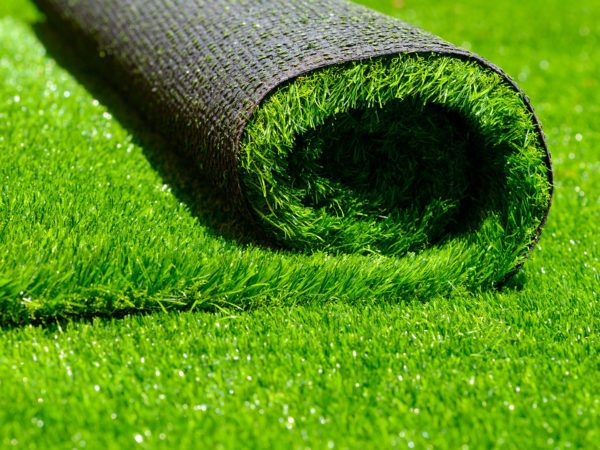
Water-efficient artificial grass tennis courts combined with LED lighting create truly eco-friendly venues. This combination attracts environmentally conscious players to your facility.
Creating Tournament-Quality Visibility
Achieving Optimal Illumination
Tournament-quality lighting requires careful planning and design. You need the right number of poles positioned strategically around the court. Most professional installations use 4, 6, or 8-pole configurations.
An 8-pole setup with 6-meter poles delivers excellent coverage. Each pole supports LED fixtures totaling 400-500 watts. This configuration produces average brightness of 750+ lux for competitive play.
Pole height significantly affects light distribution patterns. Taller poles create wider coverage areas with fewer shadows. Standard installations use 6 to 9-meter poles for optimal performance.
Eliminating Glare and Shadows
Glare-free illumination enhances player comfort during extended matches. LED fixtures use advanced optics to direct light precisely onto the court. This prevents light spill into neighboring properties.
Anti-glare design ensures clear visibility for both players and spectators. The focused light distribution minimizes light pollution in surrounding areas. This satisfies municipal lighting regulations in Waterfall.
Proper fixture positioning eliminates shadows across the playing surface. Players maintain clear sightlines regardless of ball position. This consistency improves match quality and player satisfaction.
Installation Considerations for Waterfall Facilities
Working with Professional Installers
Professional installation ensures optimal lighting performance and safety. LawnKing Gardens provides comprehensive tennis court construction services throughout Johannesburg. Their team handles everything from site assessment to final testing.
Expert installers understand local electrical codes and regulations. They position poles for maximum coverage without creating hazards. Professional work includes proper wiring, grounding, and weatherproofing.
Quality installation extends system lifespan and maintains warranty coverage. Amateur installations often create problems that cost more to fix later.
Integrating Lighting with Court Surfaces
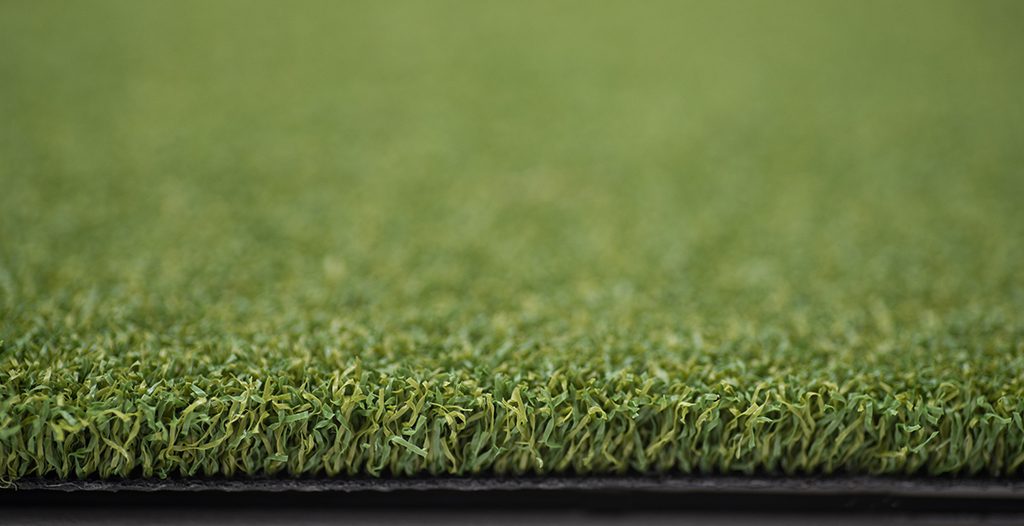
LED lighting works perfectly with modern artificial sports turf systems. The consistent surface reflects light evenly across the entire court. This creates predictable playing conditions day and night.
Building your tennis court with artificial grass offers year-round playability regardless of weather. Combined with LED lighting, your facility operates profitably throughout all seasons.
Artificial turf requires no mowing or watering maintenance. This complements the low-maintenance nature of LED lighting systems.
Smart Lighting Features and Controls
Modern Control Systems
Smart controls maximize energy savings and operational efficiency. Programmable timers automatically switch lights on at dusk and off at closing time. This prevents unnecessary energy consumption.
Dimming capabilities adjust light levels for different activities. Full brightness supports competitive play while reduced levels work for practice sessions. This flexibility reduces energy costs during non-peak hours.
Motion sensors can activate lights only when players arrive. Courts remain dark when not in use. This feature works well for recreational facilities with irregular usage patterns.
Remote Management
Cloud-based control systems allow remote monitoring and management. Facility managers adjust settings from anywhere using smartphone apps. This convenience simplifies operations for multi-court complexes.
Automated maintenance alerts notify you when fixtures need attention. Proactive maintenance prevents unexpected outages during scheduled matches. This reliability keeps players satisfied and returning regularly.
Maintenance and Longevity
LED System Durability
LED fixtures withstand harsh South African weather conditions effectively. Quality systems feature weatherproof housings with IP65 or higher ratings. Rain, dust, and temperature fluctuations won’t damage the components.
The modular design simplifies repairs when needed. Individual fixtures replace quickly without dismantling the entire system. This minimizes downtime and maintenance costs.
Most professional LED systems include 5-year warranties covering fixtures and components. Extended lifespans mean fewer replacements over decades of operation.
Maintenance Best Practices
Regular maintenance keeps your lighting system performing optimally. Clean fixtures quarterly to remove dust and debris accumulation. This maintains light output and prevents premature degradation.
Inspect mounting hardware annually for signs of wear or corrosion. Tighten loose connections before they create problems. Check alignment to ensure lights remain properly aimed at the court.
Keep vegetation trimmed around light poles to prevent obstruction. Schedule professional inspections every two years for comprehensive system assessment.
Cost Analysis and ROI
Initial Investment
LED tennis court lighting requires higher upfront investment than traditional systems. A complete 8-pole installation costs between R250,000 and R450,000 depending on specifications. This includes fixtures, poles, wiring, and professional installation.
However, this investment pays back through energy savings and reduced maintenance. Most facilities recover initial costs within 3-5 years of operation.
Long-Term Financial Benefits
Energy savings accumulate significantly over the system’s 20+ year lifespan. Your facility saves hundreds of thousands of rands in electricity costs. Eliminated maintenance expenses add substantial value.
Improved lighting attracts more players to your facility. Evening bookings increase revenue without adding operating costs. Tournament hosting becomes viable with professional-grade illumination.
The enhanced player experience builds loyalty and positive word-of-mouth marketing. Quality lighting differentiates your facility from competitors in Waterfall.
Choosing the Right Solution for Your Facility
Assessing Your Needs
Consider your primary use case when selecting lighting systems. Recreational facilities need different specifications than competitive venues. Budget constraints also influence equipment selection.
Evaluate available electrical capacity at your site. Some locations require electrical upgrades to support new lighting systems. Factor these costs into your project budget.
Think about future expansion plans for your facility. Scalable systems allow adding courts without complete redesign. This flexibility protects your investment as needs change.
Working with LawnKing Gardens
LawnKing Gardens specializes in comprehensive sports surface installations throughout Randburg and Midrand. Their experience includes lighting integration with artificial turf systems.
The team provides free consultations and site assessments for Waterfall facilities. They design custom solutions matching your specific requirements and budget. Professional project management ensures on-time, on-budget completion.
Contact LawnKing Gardens at 068 474 7303 to discuss your night tennis lighting project. Their expertise helps you create a facility that delights players and generates strong returns.
Conclusion
LED lighting technology transforms tennis facilities in Waterfall into profitable, year-round venues. The energy efficiency, superior visibility, and minimal maintenance create compelling advantages. Your investment in quality lighting pays dividends through increased usage and player satisfaction.
Modern LED systems deliver tournament-quality illumination while reducing operational costs dramatically. Combined with low-maintenance artificial grass surfaces, your facility operates efficiently regardless of weather conditions.
Take the next step toward enhancing your tennis facility today. Professional guidance from experienced installers ensures you select the optimal lighting solution. Your players deserve the best possible experience, and quality lighting makes that vision a reality.
Ready to upgrade your tennis court lighting in Waterfall? Contact LawnKing Gardens at 068 474 7303 or visit lawnking.co.za for expert consultation and competitive pricing on LED tennis court lighting systems.
LawnKing Gardens provides professional tennis court construction, artificial grass installation, and sports lighting solutions throughout Randburg, Midrand, and surrounding areas. With over 15 years of experience, they deliver tournament-quality facilities for private and commercial clients.
Recent Posts:
- Should Your Dainfern Golf Estate Home Include a Private Hockey Practice Area?
- How Long Does It Take to Install a Championship Tennis Court in Bryanston?
- What Permits Do You Need for a Netball Court in Houghton Estate?
- Can You Build a Multi-Sport Court in Westcliff’s Sloped Properties?
- What Are the Best Hockey Court Surfaces for Hyde Park’s Climate?