LM Grass Yellowing Causes and Solutions
Discovering that your newly installed LM grass is turning yellow can be both frustrating and concerning, especially after investing in what should be a lush, green lawn. At LawnKing Gardens, we’ve helped countless homeowners in Randburg and Midrand address this common issue with their instant lawns. Understanding why your LM grass is yellowing and implementing the right solutions quickly can save your investment and restore your lawn to its intended vibrant green appearance.
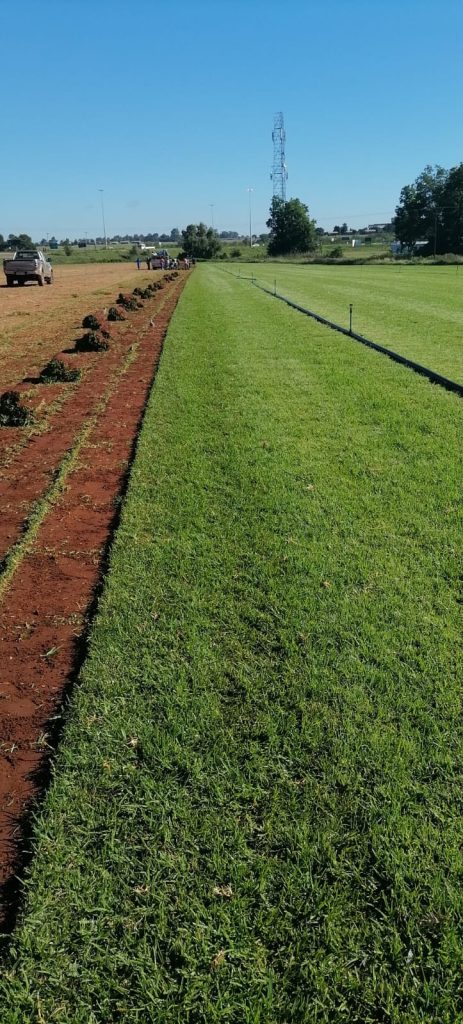
LM grass, also known as instant lawn or ready-to-lay turf, is designed to provide immediate results when properly installed and maintained. However, several factors can cause this premium grass to develop yellow patches or an overall yellowing appearance during the crucial establishment period. The good news is that most yellowing issues are entirely preventable and treatable when caught early.
Understanding LM Grass and Its Establishment Phase
LM grass represents a significant advancement in instant lawn technology, offering homeowners the luxury of an immediately established lawn surface. Unlike traditional seeding methods that require months to achieve full coverage, LM grass provides instant gratification with professional results. However, this convenience comes with specific care requirements, particularly during the first few weeks after installation.
The establishment phase for LM grass typically spans the first four to six weeks following installation. During this critical period, the grass roots are working to establish themselves in their new soil environment while the existing root system adapts to changed growing conditions. This transitional phase makes the grass particularly sensitive to environmental stressors, watering inconsistencies, and soil conditions that might not affect a fully established lawn.
Understanding that some degree of stress response is normal during establishment helps homeowners differentiate between expected adjustment symptoms and genuine problems requiring intervention. The key lies in recognizing when yellowing indicates a serious issue versus natural establishment stress that will resolve with proper care and patience.
Primary Causes of Yellowing in New LM Grass
Watering-Related Issues
Improper watering represents the most common cause of yellowing in newly installed LM grass. Both overwatering and underwatering can trigger yellow discoloration, though they affect the grass through different mechanisms. Overwatering creates waterlogged soil conditions that prevent proper root respiration, leading to root rot and subsequent yellowing of grass blades. The saturated soil environment also promotes fungal diseases that manifest as yellow patches spreading across the lawn surface.
Conversely, insufficient watering prevents the grass roots from accessing adequate moisture to support healthy growth and photosynthesis. When LM grass doesn’t receive consistent moisture during its establishment phase, the grass blades begin to yellow as the plant conserves energy and reduces its metabolic processes. This stress response often appears first in areas that receive more direct sunlight or wind exposure.
The timing and frequency of watering sessions also significantly impact grass health. Watering during the hottest parts of the day can create a magnifying effect that burns grass blades, while irregular watering schedules prevent the roots from developing predictable moisture uptake patterns. Establishing a consistent watering routine that provides deep, thorough irrigation while allowing soil drainage between sessions creates optimal conditions for healthy root establishment.
Soil Preparation and Drainage Problems
Inadequate soil preparation before LM grass installation frequently contributes to yellowing issues that appear weeks after the initial installation. Compacted soil prevents proper root penetration and limits water infiltration, creating conditions where surface water pools while deeper soil layers remain dry. This inconsistent moisture distribution stresses the grass and often results in patchy yellowing patterns across the lawn.
Poor drainage compounds soil preparation issues by creating waterlogged conditions that suffocate grass roots and promote disease development. When water cannot drain properly through the soil profile, it creates anaerobic conditions that kill beneficial soil organisms and encourage harmful pathogens. These conditions quickly manifest as yellowing grass that may progress to brown patches if drainage issues remain unaddressed.
Soil pH imbalances also contribute to yellowing by affecting nutrient availability and uptake. LM grass performs optimally in soil with a pH range between 6.0 and 7.0, where essential nutrients remain readily available for root absorption. Soil that is too acidic or alkaline can lock up nutrients, particularly iron and nitrogen, leading to deficiency symptoms that appear as yellowing grass blades.
Nutritional Deficiencies
Nitrogen deficiency represents the most common nutritional cause of yellowing in LM grass, particularly during the establishment period when the grass has high energy demands for root development. Nitrogen serves as a primary building block for chlorophyll production, and insufficient nitrogen availability quickly manifests as yellowing that typically begins with older grass blades before progressing to newer growth.
Iron deficiency creates a distinctive yellowing pattern where grass blades develop yellow coloration while leaf veins remain green, creating a striped or mottled appearance. This condition, known as iron chlorosis, often occurs in alkaline soils where iron becomes chemically bound and unavailable for plant uptake, despite adequate iron presence in the soil.
Other nutrient deficiencies, including potassium, magnesium, and sulfur shortages, can also contribute to yellowing symptoms, though these typically occur in conjunction with other stress factors. The interconnected nature of plant nutrition means that addressing one deficiency often requires a comprehensive approach to soil fertility management rather than targeting individual nutrients in isolation.
Environmental Stress Factors
Heat and Sun Exposure
Excessive heat and intense sunlight exposure can quickly overwhelm newly installed LM grass, particularly during summer months or in areas with limited natural shade. The combination of high temperatures and direct sun exposure increases water demand while potentially damaging grass blades through heat stress. This environmental pressure often manifests as yellowing that appears first in the most exposed areas of the lawn before spreading to adjacent sections.
The reflective heat from nearby structures, paved surfaces, or south-facing slopes can intensify heat stress beyond what ambient temperature readings might suggest. These microclimates create particularly challenging conditions for establishing LM grass and may require modified care approaches including increased watering frequency or temporary shade protection during peak heat periods.
Wind exposure compounds heat stress by increasing moisture loss through transpiration and physical stress on grass blades. Areas of the lawn exposed to consistent wind patterns often show yellowing symptoms earlier than protected sections, indicating the cumulative effect of environmental stressors on grass health during the establishment phase.
Seasonal Considerations
The timing of LM grass installation significantly influences the likelihood and severity of yellowing issues. Installation during extreme weather periods, whether excessively hot summer months or cold winter periods, places additional stress on the grass during its most vulnerable establishment phase. Understanding seasonal impacts helps homeowners adjust their care routines and set realistic expectations for grass performance.
Spring installations generally provide optimal conditions for LM grass establishment, with moderate temperatures and increasing daylight hours supporting healthy root development. However, spring weather can be unpredictable, with late frost events or unexpected heat waves potentially triggering yellowing in newly installed grass that hasn’t yet developed strong root systems.
Summer installations face the greatest risk of heat and drought stress, requiring intensive watering schedules and potentially temporary shade protection during the hottest parts of the day. The high evaporation rates and intense sun exposure during summer months demand vigilant monitoring and prompt responses to signs of stress to prevent widespread yellowing.
Quick Fixes and Immediate Actions
Adjusting Watering Practices
The first step in addressing yellowing LM grass involves evaluating and adjusting current watering practices to ensure optimal moisture levels without creating waterlogged conditions. Implementing a deep, thorough watering schedule that penetrates the entire root zone while allowing surface soil to dry between sessions promotes healthy root development and prevents both drought stress and overwatering issues.
Morning watering sessions provide optimal timing for grass health, allowing moisture to penetrate soil layers before daily heat increases evaporation rates. Early morning watering also ensures grass blades have time to dry before evening, reducing the risk of fungal diseases that thrive in persistently moist conditions. Avoiding midday watering prevents leaf burn from water droplets acting as magnifying lenses under intense sunlight.
Monitoring soil moisture at various depths helps determine appropriate watering frequency and duration for specific soil conditions and grass needs. Simple soil probes or screwdrivers can assess moisture penetration, while observing grass response to different watering schedules allows fine-tuning of irrigation practices for optimal results.
Soil Improvement Strategies
Addressing soil-related causes of yellowing may require both immediate interventions and longer-term soil improvement strategies. Core aeration can quickly improve drainage and reduce soil compaction in areas where surface water pools or soil feels excessively firm. This mechanical intervention creates channels for improved water infiltration and root penetration while incorporating organic matter into existing soil.
Applying a thin layer of quality compost or organic matter can improve soil structure and nutrient availability while supporting beneficial soil organisms that promote grass health. This organic amendment gradually improves soil drainage in heavy clay soils while increasing water retention in sandy soils that drain too quickly.
Soil pH testing and adjustment may be necessary in cases where nutrient deficiencies appear related to pH imbalances rather than actual nutrient shortages. Lime application can raise pH in acidic soils, while sulfur or organic matter can lower pH in alkaline conditions, though these adjustments should be made gradually over time rather than through dramatic single applications.
Nutrient Management Solutions
Addressing nutritional deficiencies requires targeted fertilizer applications based on specific deficiency symptoms and soil test results when possible. A balanced, slow-release fertilizer designed for establishing lawns provides steady nutrient availability without risking fertilizer burn that can worsen yellowing symptoms.
Iron supplementation through chelated iron products can quickly address iron chlorosis symptoms while soil pH modifications take effect over longer periods. These specialized iron products remain available for plant uptake even in alkaline soil conditions, providing immediate relief from iron deficiency symptoms.
Avoiding over-fertilization is equally important, as excessive nitrogen application can burn grass roots and create salt buildup in soil that worsens yellowing problems. Following manufacturer recommendations and applying fertilizers during cooler parts of the day with adequate soil moisture prevents fertilizer-related damage to stressed grass.
Professional Solutions and When to Seek Help
Signs That Require Professional Assessment
While many yellowing issues can be resolved through improved care practices, certain symptoms indicate more serious problems requiring professional evaluation and treatment. Rapidly spreading yellow patches, yellowing accompanied by foul odors, or grass that fails to respond to corrected watering and fertilization practices may indicate disease issues or severe soil problems beyond typical homeowner remedies.
Persistent yellowing despite consistent proper care practices suggests underlying issues that require diagnostic expertise to identify and address effectively. Professional lawn care specialists have access to advanced diagnostic tools and treatment options that may not be available to homeowners, along with experience identifying subtle signs that distinguish between various grass health issues.
Yellowing that occurs in distinct patterns, such as circular patches or lines following sprinkler patterns, often indicates specific problems requiring targeted professional treatments. These distinctive symptoms can help professionals quickly identify root causes and implement appropriate solutions rather than treating symptoms without addressing underlying issues.
Long-term Maintenance Planning
Developing a comprehensive maintenance plan helps prevent future yellowing episodes while supporting long-term grass health and appearance. Professional maintenance programs typically include seasonal fertilization schedules, periodic soil testing, and preventive treatments for common grass health issues before they manifest as visible problems.
Regular professional assessments can identify potential problems during early stages when interventions are most effective and least costly. These preventive approaches often prove more economical than emergency treatments for severely damaged grass while maintaining consistent lawn appearance throughout the growing season.
Understanding the specific needs of LM grass varieties and local growing conditions allows for customized maintenance approaches that address regional challenges and optimize grass performance. Professional guidance helps homeowners balance immediate grass health needs with long-term soil improvement goals for sustainable lawn management.
Prevention Strategies for Future Success
Proper Installation Practices
Preventing yellowing issues begins with proper installation practices that create optimal growing conditions for LM grass establishment. Thorough soil preparation, including appropriate grading for drainage and soil amendments to address pH and nutrient imbalances, provides the foundation for healthy grass growth and reduces the likelihood of establishment problems.
Quality LM grass selection from reputable suppliers ensures that the grass arrives in optimal condition and has been properly handled throughout the growing and harvesting process. Fresh grass with healthy root systems and appropriate moisture levels establishes more quickly and shows greater resistance to environmental stressors during the critical establishment period.
Professional installation services, such as those provided by LawnKing Gardens, ensure that proper techniques are followed throughout the installation process, from soil preparation through initial establishment care. Professional installers understand the specific requirements of different grass varieties and can adapt installation practices to local soil and climate conditions.
Establishing Maintenance Routines
Developing consistent maintenance routines from the moment of installation helps prevent many common causes of grass yellowing while promoting healthy establishment and long-term performance. These routines should include regular watering schedules, periodic soil moisture monitoring, and observation for early signs of stress or problems that require intervention.
Understanding the specific watering needs during different establishment phases allows homeowners to adjust care practices as the grass develops stronger root systems and becomes more resilient to environmental stressors. Initial intensive care gradually transitions to standard maintenance practices as the grass matures and establishes itself fully.
Creating maintenance schedules that account for seasonal variations and local climate patterns helps ensure that grass receives appropriate care throughout the year. These schedules should include provisions for adjusting practices during extreme weather periods or unexpected environmental stressors that may impact grass health.
Monitoring and Early Detection
Regular lawn monitoring helps identify potential problems during early stages when interventions are most effective and least disruptive to overall lawn health. Daily observations during the establishment period allow homeowners to quickly identify changes in grass color, growth patterns, or other indicators of developing problems.
Understanding normal variations in grass appearance during different growth phases helps distinguish between expected changes and symptoms requiring intervention. New LM grass may show temporary yellowing or other stress symptoms during initial establishment that resolve naturally with proper care, while persistent or worsening symptoms indicate problems requiring active management.
Keeping records of maintenance activities, weather conditions, and grass response patterns helps identify successful practices and potential problem triggers for future reference. This documentation proves valuable for troubleshooting future issues and optimizing maintenance approaches based on observed grass performance under various conditions.
Conclusion
Successfully maintaining healthy, green LM grass requires understanding the common causes of yellowing and implementing appropriate prevention and treatment strategies. Most yellowing issues stem from manageable factors such as watering practices, soil conditions, and environmental stressors that respond well to prompt intervention and improved care practices.
The establishment period represents the most critical time for preventing yellowing problems, when consistent care and monitoring can ensure successful grass establishment and long-term performance. Proper installation practices, appropriate maintenance routines, and early problem detection create the foundation for a beautiful, healthy lawn that provides years of enjoyment.
When yellowing problems persist despite proper care practices, professional assessment and treatment can identify underlying issues and implement targeted solutions for optimal results. Working with experienced lawn care professionals, such as the team at LawnKing Gardens, provides access to specialized knowledge and treatment options that ensure successful outcomes for your LM grass investment.
For expert installation and maintenance of LM grass in Randburg and Midrand, contact LawnKing Gardens for comprehensive lawn care solutions. Our experienced team specializes in artificial grass maintenance and proper LM grass care, ensuring your lawn remains healthy and vibrant throughout every season. We also offer solutions for common lawn problems and long-lasting artificial alternatives when natural grass solutions prove challenging.
For more information about lawn care solutions and professional grass installation services, visit our comprehensive range of artificial grass products and learn more about our expertise in sports turf applications. Contact LawnKing Gardens today for personalized lawn care advice and professional installation services in the Randburg and Midrand areas.
Recent posts: