Underground Irrigation
When considering enhancing your established Blairgowrie garden with modern irrigation solutions, the process of installing underground irrigation systems requires careful planning and expertise. For homeowners in this affluent Johannesburg suburb, understanding what to expect during the installation process can help ensure a smooth transition while preserving the integrity of your existing landscape investments.
Why Underground Irrigation Makes Sense for Blairgowrie Properties
Blairgowrie’s distinctive garden landscapes, with their mature trees and established plantings, present unique challenges when retrofitting irrigation systems. Unlike new construction projects where irrigation planning begins from scratch, working with established gardens requires a delicate approach that respects existing root systems and landscape features while delivering efficient water distribution.
The benefits of underground irrigation in established Blairgowrie gardens extend beyond mere convenience. These systems provide consistent water delivery, reduce water waste through targeted application, and eliminate the visual clutter of surface sprinklers and hoses. For properties featuring both natural and artificial grass installations, a properly designed irrigation system can accommodate mixed landscaping needs while maintaining the aesthetic appeal that Blairgowrie residents value.
Modern irrigation technology has evolved significantly, offering smart controllers that adjust watering schedules based on weather conditions, soil moisture sensors, and zone-specific programming. This precision becomes particularly valuable in established gardens where different plant varieties may have varying water requirements, from drought-tolerant indigenous species to water-loving non-native plants that many Blairgowrie gardens showcase.
Pre-Installation Assessment and Planning Phase
The success of any underground irrigation installation in established Blairgowrie gardens begins with a comprehensive site assessment. Professional installers must carefully map existing utilities, including electrical lines, gas pipes, and telecommunications cables that commonly run through suburban properties. This mapping process prevents costly damages and ensures compliance with municipal regulations.
Soil composition analysis plays a crucial role in system design, particularly in Blairgowrie where soil conditions can vary significantly across properties. Clay-heavy soils require different irrigation approaches compared to sandy or loamy areas, affecting everything from pipe depth to sprinkler head selection. Understanding these variations allows for customized zone creation that maximizes water efficiency while protecting established plant root systems.
The planning phase also involves detailed discussions about landscape preservation priorities. Homeowners must identify which existing features are non-negotiable, such as prize rose gardens, mature specimen trees, or established lawn areas that may benefit from instant lawn installation techniques for repairs. This collaborative approach ensures that the irrigation installation enhances rather than compromises the garden’s established character.
Water pressure and flow rate calculations determine the system’s capacity and zone configuration. Blairgowrie properties often feature varying elevations and distances from water sources, requiring careful hydraulic calculations to ensure adequate pressure reaches all irrigation points. This technical planning prevents issues like weak spray patterns or uneven coverage that could damage plant health over time.
The Installation Process: What Homeowners Can Expect
The actual installation of underground irrigation in established Blairgowrie gardens typically begins with careful excavation techniques designed to minimize disruption to existing plantings. Professional teams use specialized trenching equipment that creates narrow channels for pipe installation, reducing the overall impact on lawn areas and garden beds. Hand digging near sensitive root zones ensures that valuable trees and shrubs remain undisturbed throughout the process.
Pipe installation follows predetermined routes that avoid major root systems while maintaining optimal water distribution patterns. Modern irrigation systems utilize flexible polyethylene pipes that can navigate around obstacles without compromising system integrity. Strategic placement of control valves and manifolds ensures easy access for future maintenance while keeping these components discreetly hidden within the landscape design.
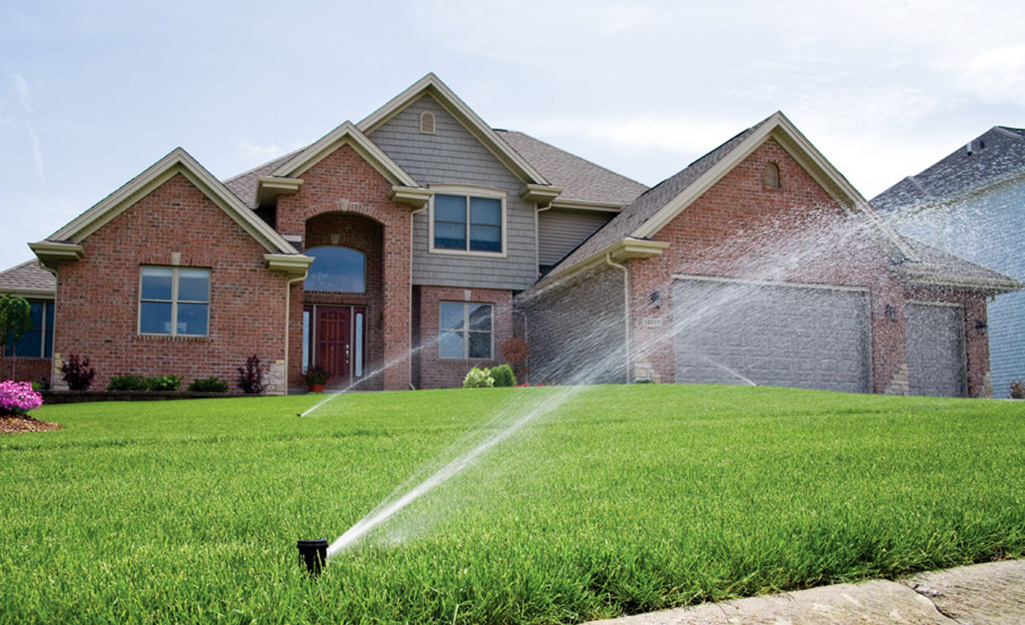
The installation of sprinkler heads and drip irrigation components requires precision to achieve proper coverage without overwatering or creating dry spots. Different zones may incorporate various irrigation methods, with landscaping areas receiving different treatments based on plant requirements and soil conditions. This zoned approach allows for customized watering schedules that support both water conservation and optimal plant health.
Electrical connections for control systems and automated timers complete the installation process. These connections must comply with local electrical codes while providing reliable operation in outdoor conditions. Weather-resistant controllers offer programming flexibility that accommodates seasonal changes and specific plant watering requirements throughout the year.
Protecting Existing Landscape Elements During Installation
One of the primary concerns for Blairgowrie homeowners is preserving the established beauty of their gardens during irrigation installation. Professional installers employ various techniques to minimize landscape disruption, including temporary plant relocation for particularly sensitive specimens and protective barriers around valuable garden features.
Root protection becomes especially critical when working around mature trees that define many Blairgowrie properties. Specialized techniques such as air spading and careful hand excavation near root zones prevent damage that could compromise tree health for years to come. Understanding root spread patterns helps installers route pipes safely while maintaining adequate water coverage for these important landscape elements.
For properties featuring artificial grass areas, installation requires coordination between irrigation needs and synthetic surface maintenance. Proper drainage considerations ensure that irrigation systems complement rather than interfere with artificial turf performance, maintaining the low-maintenance benefits that attract many homeowners to synthetic lawn solutions.
Temporary inconveniences such as limited garden access and construction noise are minimized through careful scheduling and efficient work practices. Most installations in established gardens can be completed within a few days to a week, depending on property size and system complexity. Clear communication about daily progress helps homeowners plan around any access limitations during the installation period.
Integration with Existing Garden Features
Successfully integrating underground irrigation with established Blairgowrie gardens requires understanding how new systems interact with existing landscape elements. Mature plantings may need gradual adjustment periods as root systems adapt to more consistent water availability. Professional installers provide guidance on transitioning established plants to automated irrigation schedules without causing shock or stress.
Coordination with existing hardscape features such as pathways, patios, and retaining walls requires careful planning to avoid structural interference. Pipe routing must consider thermal expansion, settling, and accessibility for future maintenance while preserving the aesthetic and functional integrity of established hardscape investments.
For gardens incorporating mixed planting styles common in Blairgowrie, irrigation zones must accommodate varying water requirements. Indigenous plants that thrive with minimal water need different treatment than non-native species requiring regular moisture. This diversity necessitates sophisticated controller programming that can deliver appropriate water amounts to each garden zone without waste or plant stress.
The integration process also considers existing garden maintenance routines and seasonal care requirements. Automated irrigation systems should complement rather than complicate established gardening practices, allowing homeowners to maintain their preferred level of garden involvement while benefiting from improved water management efficiency.
System Testing and Optimization
Once installation is complete, comprehensive system testing ensures optimal performance across all irrigation zones. This testing phase identifies any pressure imbalances, coverage gaps, or timing issues that could affect long-term system effectiveness. Professional installers conduct multiple test cycles to verify proper operation under various conditions and make necessary adjustments before homeowner handover.
Water distribution uniformity testing measures coverage patterns and application rates across different zones, ensuring that all planted areas receive appropriate moisture levels. This technical validation process helps prevent problems such as overwatering in some areas while others remain under-irrigated, a common issue that can damage established plantings.
Controller programming optimization takes into account seasonal variations, plant growth cycles, and local weather patterns typical to the Blairgowrie area. Initial programming provides a starting point that homeowners can adjust as they observe system performance and plant responses over time. Many modern controllers offer remote monitoring capabilities that allow for easy adjustments without physically accessing the control panel.
Post-Installation Care and Maintenance Expectations
Following installation completion, homeowners receive comprehensive training on system operation and basic maintenance requirements. Understanding how to adjust watering schedules, identify potential problems, and perform simple maintenance tasks ensures long-term system reliability and optimal garden health.
Regular maintenance schedules typically include seasonal inspections, sprinkler head cleaning, and controller programming updates to reflect changing weather patterns and plant needs. Professional maintenance services can handle more complex requirements such as system winterization, pipe repairs, and component replacements as needed over time.
For properties combining natural landscaping with artificial turf installations, maintenance routines must accommodate both irrigation system needs and synthetic surface care requirements. Proper coordination ensures that both landscape elements continue performing optimally throughout their service lives.
The investment in underground irrigation for established Blairgowrie gardens pays dividends through improved plant health, water conservation, and enhanced property value. Understanding what to expect during the installation process helps homeowners make informed decisions and prepare adequately for this valuable landscape improvement.
When selecting an irrigation installation partner, consider experienced providers who understand the unique requirements of established gardens and can deliver professional results with minimal landscape disruption. The right installation approach preserves your garden’s established beauty while adding modern convenience and efficiency that enhances your outdoor living experience for years to come.
For expert installation of underground irrigation systems that complement your established Blairgowrie garden, contact LawnKing Gardens for professional consultation and installation services. Our experienced team specializes in working with established landscapes while delivering modern irrigation solutions tailored to your specific garden needs.
Recent Posts:
- Drip Irrigation vs Sprinkler Systems: Which Works Best for Bromhof Gardens?
- Protecting Your Investment: Irrigation System Maintenance for Darrenwood and Fairlands Properties
- Smart Irrigation Controllers vs Traditional Timers
- Water-Efficient Irrigation Systems for Ferndale and Cresta Homes
- Best Instant Lawn Solutions for Large Properties in Randpark Ridge and Northcliff