Planting LM Grass in Randburg During June
June marks the heart of Randburg’s dry, frost-prone winter. It is the month when LM Berea grass naturally retreats into dormancy, conserving energy until warmer temperatures return. Planting LM grass in Randburg during June is therefore not just ill-timed — it actively works against the grass’s biology. However, this does not mean your outdoor space has to suffer through winter looking bare and neglected.
At LawnKing Gardens, Randburg and Midrand’s leading lawn and artificial grass specialists, we guide homeowners through exactly these kinds of seasonal decisions. Whether you are planning a future LM grass installation or considering a smarter, year-round solution, this post covers everything you need to know.
Why June Is Not the Right Time to Plant LM Grass in Randburg
Understanding Randburg’s Winter Climate
Randburg sits on the Highveld plateau at an elevation that produces cold, dry winters. June temperatures regularly drop to between 6°C and 18°C during the day, with overnight lows that frequently fall below freezing. In fact, across Gauteng, 80% of the province experiences frost by 1 June. Rainfall during June is nearly zero — sometimes just 3 to 5 mm for the entire month.
These conditions are the opposite of what newly planted LM Berea grass needs to establish itself. Successful root establishment requires consistent warmth, moisture, and active growth. June delivers none of these reliably.
LM Grass Dormancy in Winter
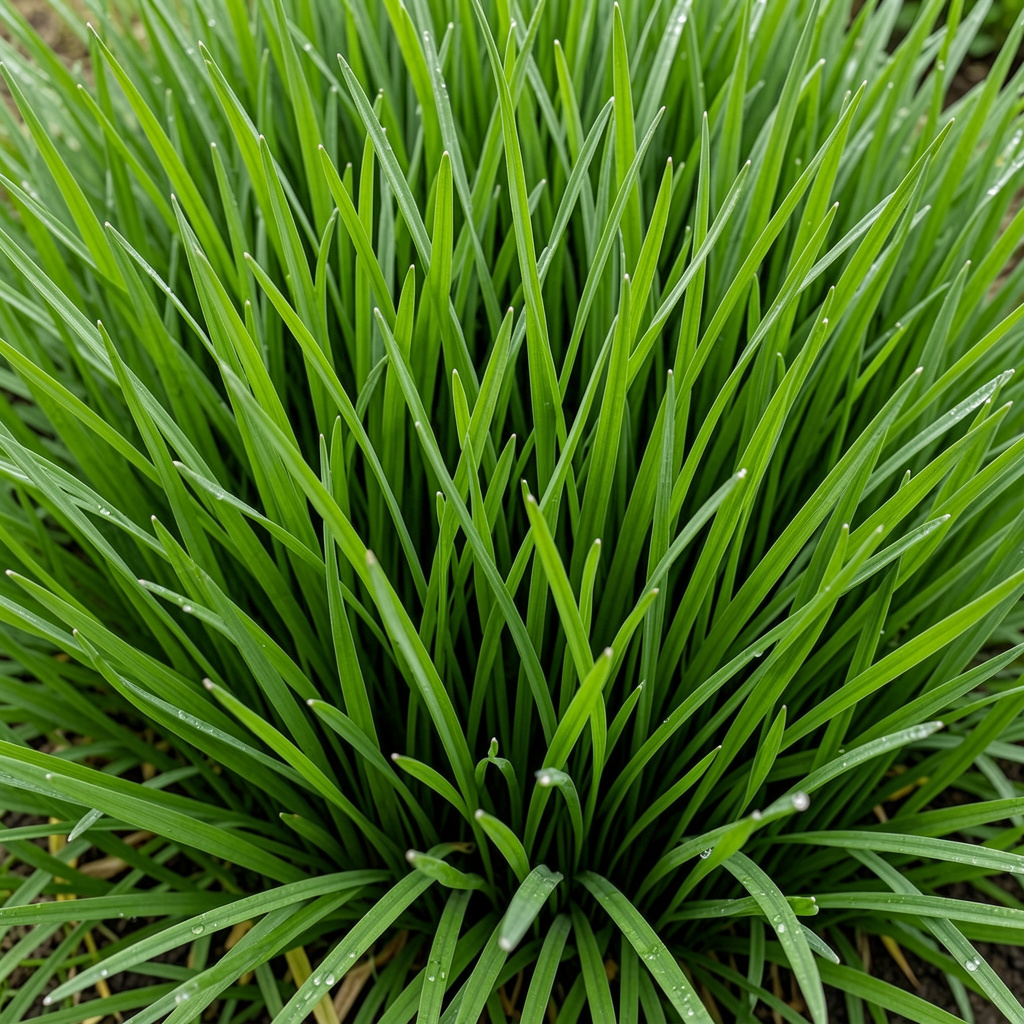
LM Berea grass is a warm-season, subtropical indigenous grass. When temperatures drop consistently below 12°C to 15°C, the plant enters dormancy — a natural survival response where it halts active growth, stops producing chlorophyll, and conserves its root energy. As LawnKing Gardens explains in their winter lawn guide, inland Highveld areas like Johannesburg and Randburg typically see LM grass enter full dormancy by late May or early June. Brown, straw-like blades are normal during this phase.
Consequently, planting new sods into this dormant state means the grass cannot establish any new root growth. The sods lie on the surface, unable to knit into the soil, and remain vulnerable to desiccation, frost burn, and failure. Furthermore, without rainfall or the warm moisture that supports rooting, even daily watering struggles to compensate.
Root Establishment Requires Warm, Active Conditions
A newly planted LM grass instant lawn typically needs two to four weeks of consistently warm conditions to establish properly. During this window, the roots must grow into the prepared soil and anchor the turf. As the LawnKing first mow guide notes, installation during extreme winter cold extends this establishment period significantly — and in many cases, the grass simply fails to root at all.
Therefore, June installations carry a high risk of total lawn failure, wasted money, and the need for complete reinstallation once summer arrives.
When Should You Plant LM Grass in Randburg?
The Optimal Planting Window
The best time to plant LM Berea grass in Randburg is between September and March — the spring and summer growing season. September and October are particularly ideal. Soil temperatures warm up, the first rains arrive, and the grass enters its most vigorous growth phase. Planting during this window gives the root system the best chance to establish quickly and strongly before any winter stress.
According to horticultural guidance for South African lawns, spring (September to November) and summer (December to February) offer the best combination of warm soil and stable moisture for warm-season grass establishment. This is especially true for LM Berea, which is a moderate grower that benefits from a long warm season to build a dense, well-rooted sward.
Autumn (March to April) is also an acceptable window. Temperatures moderate, the worst summer heat has passed, and the grass still has weeks of warmth to establish before dormancy. Avoid May onwards, as conditions deteriorate rapidly for new plantings.
What Makes LM Grass Worth the Wait
Despite the seasonal limitation, LM Berea remains one of the most popular instant lawn choices in Randburg and Midrand — and for good reason. As LawnKing’s LM Berea product page highlights, this indigenous grass tolerates up to 60% shade coverage, making it exceptional for gardens with mature trees or structures that block direct sunlight. It also handles Randburg’s intense summer heat through its creeping growth habit, recovering from drought and heat stress more effectively than many alternatives.
Moreover, LM Berea is the most low-maintenance natural grass variety available in South Africa. Because of its slower growth rate, you mow approximately once every 10 to 14 days during active growth rather than every week. For busy Randburg professionals, this is a significant quality-of-life benefit.
Its soft, spongy texture underfoot makes it especially popular around pool areas and family gardens. And although professional installation in Randburg starts from around R75 per square metre, the long-term savings in maintenance time and effort make it a worthwhile investment.
So What Do You Do With Your Lawn in June?
Maintain, Don’t Plant
June is not a planting month — it is a maintenance and planning month. If your LM grass is already established, the priority is protecting it through dormancy rather than encouraging new growth. Reduce foot traffic, especially after frosts. Stop fertilising, as the plant cannot absorb nutrients during dormancy. Water lightly and infrequently, just enough to prevent extreme soil dehydration, but avoid overwatering dormant grass.
LawnKing’s seasonal irrigation guide for Randburg recommends scaling back irrigation dramatically during the dry winter months. Deep, infrequent watering — roughly once a week — is far more effective than frequent shallow watering during this period.
Raise your mower cutting height slightly before the last autumn cut, so taller grass blades offer root insulation against frost. This simple step significantly reduces frost damage.
June Is Actually the Perfect Time to Plan Ahead
Rather than rushing a winter planting, use June to prepare your garden for a spring installation. Test your soil pH, address drainage problems, plan your irrigation layout, and get quotes from lawn specialists. By the time September arrives, you will be ready to lay your LM Berea sods under the best possible conditions.
Contact LawnKing Gardens now to get a free quote and schedule your spring lawn installation before the busy season begins.
The Smart Winter Alternative: Artificial Grass
Year-Round Green Without the Seasonal Constraints
Here is the reality many Randburg homeowners eventually discover: natural grass — no matter how good the variety — requires seasonal compromise. LM Berea turns brown and dormant in winter. It needs spring to re-establish its colour. And every cold season, the lawn goes through a cycle of stress, dormancy, and recovery that demands ongoing management.
Artificial grass eliminates all of that entirely.
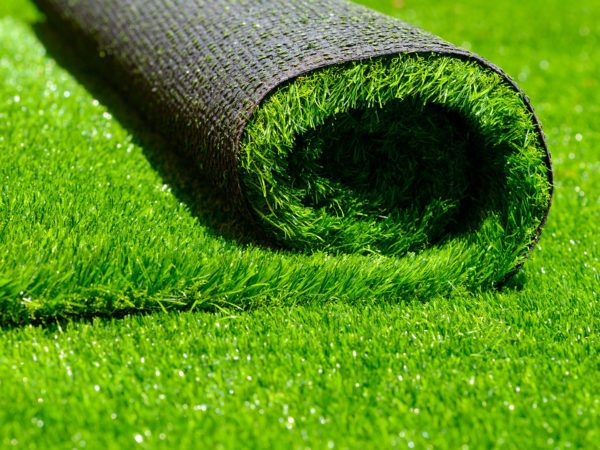
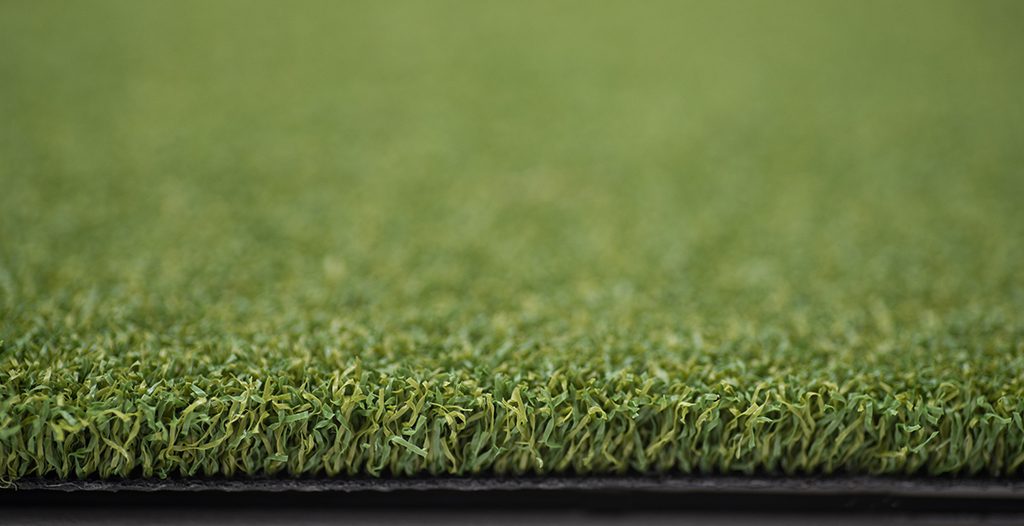
LawnKing’s premium artificial turf range stays vibrant green through every month of the year, regardless of frost, drought, or Highveld cold. There is no dormancy, no browning, and no seasonal replanting. As the LawnKing pros-and-cons guide on artificial grass in Randburg explains, Randburg’s dry winters and intense summer heat make it one of the most challenging climates for natural grass — and artificial turf simply sidesteps these challenges entirely.
The Water Savings Are Substantial
South Africa faces significant water scarcity challenges, and Gauteng water restrictions are an ongoing reality for most homeowners. Natural LM Berea grass demands consistent irrigation during its growing season. Artificial grass, by contrast, requires no regular watering beyond an occasional rinse. According to Easigrass South Africa, nearly 30 to 60% of household water consumption goes toward outdoor use — with almost half of that maintaining a natural lawn.
Switching to artificial turf therefore delivers real, measurable savings on monthly water bills, while contributing meaningfully to water conservation efforts in the region.
Low Maintenance, High Impact
Unlike natural grass, artificial turf requires no mowing, no fertilising, no weed control, and no seasonal replanting. A quick brush and occasional rinse keep it looking pristine year-round. For families, pet owners, and commercial properties in Randburg and Midrand, this represents a fundamental improvement in how much time and money goes into maintaining outdoor spaces.
LawnKing Gardens supplies and installs artificial grass across a wide range of applications — from residential gardens and pool surrounds to pet turf, playground turf, sports surfaces, and commercial properties. Whatever your outdoor challenge, there is a synthetic turf solution designed for it.
LM Grass vs Artificial Grass: Which Is Right for You?
Making the Decision for Your Randburg Property
Both LM Berea grass and artificial turf serve different needs, and the right choice depends on your property, your lifestyle, and your priorities.
LM Berea excels in shaded, semi-private gardens where the natural look and feel matters most. It is a beautiful, indigenous grass with outstanding shade tolerance, a soft texture underfoot, and good environmental credentials. As lawncareplus.co.za notes, LM Berea is particularly well-suited to gardens with mixed sun and shade exposure, creating a neat, dense surface that is soft underfoot. However, it comes with seasonal limitations, ongoing maintenance requirements, and water demands.
Artificial grass, on the other hand, is the better choice for high-traffic areas, pet zones, family gardens, commercial spaces, and any property where consistent, year-round aesthetics matter. It requires virtually no maintenance, uses no water, and looks identical in June as it does in January.
The good news is that LawnKing Gardens is fully equipped to help you with both. Their specialists assess your property, your shade conditions, your soil quality, and your lifestyle before recommending the most suitable solution.
Final Verdict: Skip June, Plan for Spring — or Go Artificial
June is not an ideal month for planting LM grass in Randburg. The combination of frost risk, dormant growth conditions, near-zero rainfall, and cold soil temperatures makes successful establishment virtually impossible. New sods planted in June are unlikely to root properly, and the investment is at serious risk of failing entirely.
Instead, plan your LM Berea installation for September through November when conditions are optimal. Alternatively, if year-round greenery and minimal maintenance are your goals, consider making the switch to a premium artificial turf solution with LawnKing Gardens.
Either way, do not wait until you are ready to plant to start the conversation. Get in touch with LawnKing Gardens today to plan your ideal lawn — on your timeline, for your property.
Recent Posts:
- Why does my Kikuyu Grass Keep Dying in Randburg?
- Does Artificial Grass for Sports Fields Meet SAFA Standards in South Africa?
- What Thickness of Rubber Wet Pour Is Required for Different Playground Equipment Heights?
- How Do You Clean and Sanitize Rubber Wet Pour Surfaces in Public Playgrounds?
- What Drainage Solutions Are Needed for Artificial Grass Fields in Johannesburg?