Which Artificial Grass Survives Lonehill’s Most Destructive Dogs
Lonehill homeowners with high-energy breeds face a common challenge. Your Belgian Malinois digs craters overnight. Your Husky transforms your lawn into a muddy disaster zone. Your Staffie’s powerful paws create brown patches faster than grass can grow. Natural lawns simply cannot keep up with these athletic, determined breeds.
Fortunately, the right artificial grass installation can end this cycle of destruction. However, not all synthetic turf handles aggressive dogs equally well. This guide reveals which artificial grass products survive Lonehill’s most destructive dog breeds and why pile height, backing strength, and drainage matter more than you think.
Understanding Your Dog’s Destructive Potential
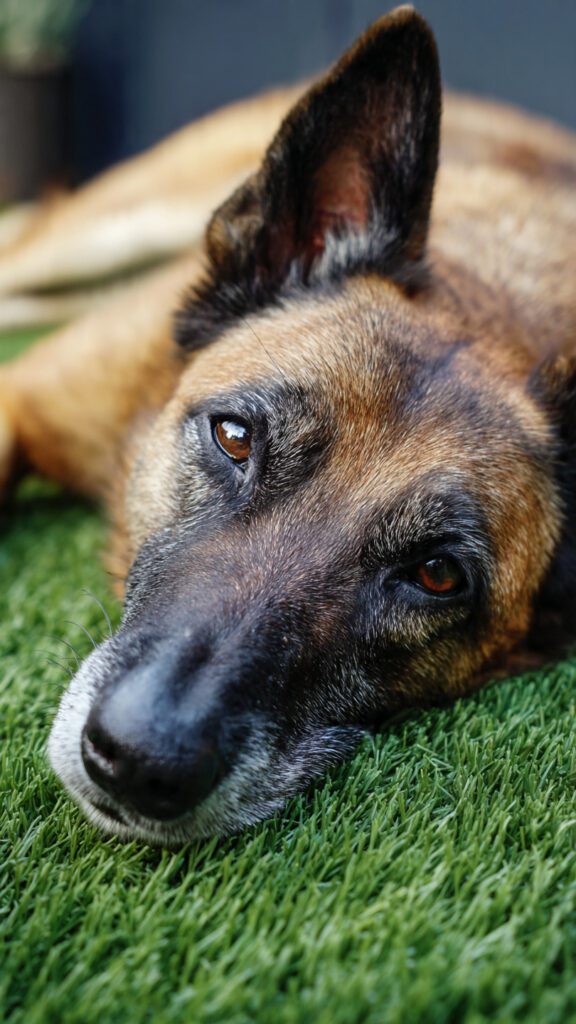
Different breeds challenge your lawn in unique ways. Belgian Malinois, bred for police and military work, possess incredible drive and energy. These dogs dig instinctively and run at full speed across your garden. Huskies, designed to pull sleds across frozen tundra, bring relentless stamina and a love for digging cooling holes. Staffordshire Bull Terriers combine muscular power with playful enthusiasm, creating concentrated wear patterns in their favorite spots.
Each breed demands specific artificial grass characteristics. Speed and sharp turns require durable backing. Digging behavior needs robust anchoring systems. Powerful jaws and claws call for resilient, recovery-focused fibers. Your artificial grass must match your dog’s destruction style, not just their size.
Why Standard Artificial Grass Fails with Powerful Breeds
Many homeowners discover too late that budget artificial grass cannot handle destructive dogs. Soft, pliable fibers flatten permanently under heavy paws. Weak backing materials tear when dogs dig or spin. Insufficient drainage traps odors and creates uncomfortable wet spots. Standard residential turf, designed for light foot traffic, crumbles under the demands of athletic working breeds.
Moreover, thin pile heights offer little cushioning for joints. Your Malinois lands hard after clearing your garden fence. Your Husky pounds the same path daily during zoomies. Your Staffie plays tug-of-war in concentrated areas. These behaviors destroy inferior products within months rather than years.
The Best Artificial Grass Pile Heights for Destructive Dogs
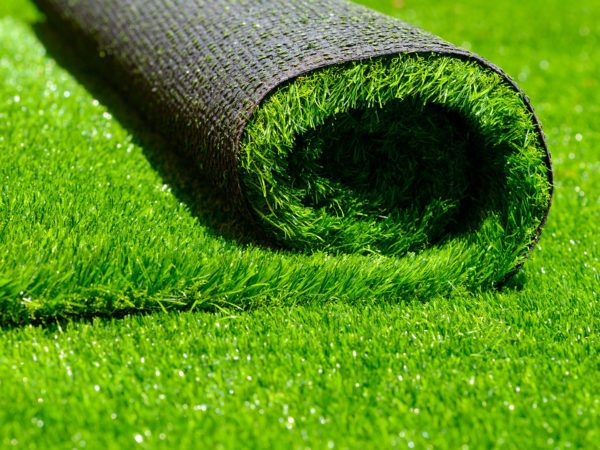
Pile height determines both durability and comfort for your dogs. 25mm artificial grass offers an excellent balance between resilience and softness. The relatively high pile provides cushioning for joints while the dense look withstands heavy traffic. The four-tone green stripes create a natural appearance that looks freshly mowed year-round.
However, 30mm artificial grass delivers superior luxury for dogs who spend significant time outdoors. This pile height suits Belgian Malinois who patrol your property and Huskies who sunbathe for hours. The extra thickness provides better joint support during high-impact landings and prolonged play sessions.
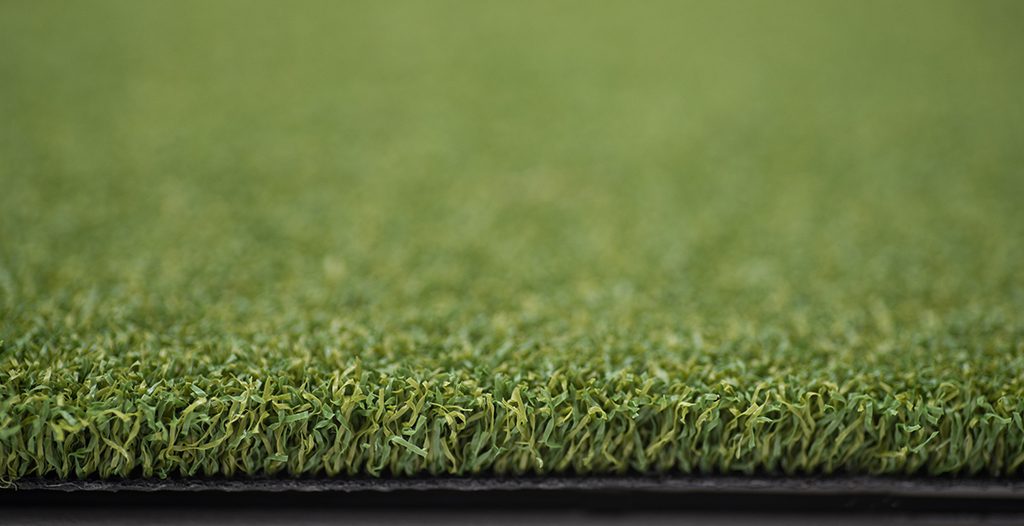
For the ultimate in durability and comfort, 35mm artificial grass represents the premium choice. This substantial pile height handles the most destructive behaviors while offering maximum comfort. Staffordshire Bull Terriers particularly benefit from this thickness during their powerful play sessions. The multi-filament surface delivers exceptional softness without requiring infill, simplifying maintenance considerably.
Critical Backing Features That Prevent Artificial Grass Failure
The backing determines whether your artificial grass survives or fails. Dual-layered, woven polypropylene backing provides essential stability. This construction keeps grass blades securely tufted even when dogs dig or scratch aggressively. Single-layer backing simply cannot withstand determined Belgian Malinois or persistent Huskies.
Additionally, pre-punched drainage holes prove crucial for Lonehill’s summer thunderstorms and dog urine management. Water must drain efficiently to prevent odor buildup and bacterial growth. Quality backing features a latex or polyurethane coating that enhances durability while maintaining proper drainage. This coating prevents wear and tear from constant paw traffic and prevents dogs from tearing through the backing material.
Furthermore, UV stabilization protects your investment from Gauteng’s intense sunlight. Quality backing materials resist degradation, maintaining their structural integrity for 15-20 years. Budget products fade and weaken within 2-3 years, requiring expensive replacement.
Why Drainage Speed Matters More Than You Think
Belgian Malinois, Huskies, and Staffies drink substantial water and urinate frequently. Poor drainage creates standing urine that generates overwhelming odors. Moreover, slow-draining artificial grass encourages bacterial growth, potentially causing skin infections in dogs who lie on damp surfaces.
Premium artificial grass features permeable backing with strategically placed drainage holes. Water percolates through immediately, preventing puddles and reducing odor potential. This rapid drainage proves particularly important for male dogs who repeatedly mark the same spots. Quick drainage prevents urine from pooling and concentrating in specific areas.
Quality drainage also extends artificial grass lifespan. Trapped moisture weakens backing materials and promotes mold growth. Proper drainage keeps fibers dry, preventing premature degradation. This feature becomes especially critical during Lonehill’s rainy season when natural grass turns into mud pits.
Material Composition: Why Polyethylene Beats Polypropylene
The yarn material determines how well artificial grass recovers from abuse. High-grade polyethylene fibers offer superior resilience compared to polypropylene alternatives. Polyethylene blades spring back after flattening, maintaining their upright position despite constant paw traffic. This recovery ability proves essential for areas where your Staffie plays tug-of-war or your Malinois practices agility maneuvers.
Polyethylene also provides a softer texture than polypropylene. This matters for dogs who spend hours lying on the grass. Huskies, despite their thick coats, appreciate comfortable surfaces during rest periods. The soft yarn ensures artificial grass remains pleasant for both active play and relaxation.
UV-stabilized polyethylene resists fading from sun exposure. Lonehill’s intense summer sun degrades inferior materials quickly. Quality polyethylene maintains its vibrant green color for years, ensuring your garden looks pristine despite daily dog activities.
Installation Quality: The Hidden Factor in Artificial Grass Longevity
Even premium artificial grass fails without proper installation. Professional installation begins with thorough base preparation. Installers remove existing soil and vegetation, creating a stable foundation. They then apply a compacted aggregate base that provides stability and promotes drainage. This preparation prevents the artificial grass from shifting when dogs run and turn sharply.
Proper seaming technique prevents visible joints and separation. Quality installers use strong adhesives and precise cutting to create seamless transitions. These joints must withstand dogs who instinctively find and investigate any weakness in the surface. Inferior seaming allows determined diggers to tear sections apart.
Edge securing prevents lifting and rolling. Belgian Malinois and Huskies will exploit any loose edge, potentially destroying entire sections. Professional installers use substantial securing methods that keep edges flat and intact. This attention to detail separates installations that last decades from those that fail within months.
Essential Maintenance for Dog-Friendly Artificial Grass
Regular maintenance extends artificial grass life substantially. Proper artificial grass care begins with removing solid waste promptly. Leaving feces on the surface encourages bacterial growth and attracts pests. Scoop waste immediately and rinse affected areas thoroughly with water.
Weekly hosing removes accumulated urine salts and prevents odor buildup. High-pressure rinsing proves particularly effective in areas where dogs urinate repeatedly. This simple maintenance step prevents the ammonia smell that develops in neglected artificial grass. Use enzyme cleaners specifically designed for synthetic turf when odors develop despite regular rinsing.
Monthly brushing maintains fiber position and prevents matting. Use a stiff broom or specialized turf brush to lift flattened areas. This grooming proves especially important in high-traffic zones where your dogs run daily. Brushing redistributes infill material if you’ve chosen to use it, maintaining proper support and cushioning throughout the surface.
Comparing Costs: Premium vs Budget Artificial Grass
Budget artificial grass costs R250-R350 per square meter installed. However, these products typically last only 3-5 years with destructive dogs. You’ll spend R400-R600 per square meter on quality artificial grass, but it lasts 15-20 years. The mathematics favor premium products overwhelmingly when you consider replacement costs and ongoing frustration.
Furthermore, premium artificial grass requires less frequent maintenance. Budget products flatten quickly, requiring constant brushing to maintain appearance. They also develop odors more readily, demanding expensive enzyme treatments. Quality products stay fresher and look better with minimal intervention.
Consider also the cost of replacing damaged natural grass repeatedly. You spend money on seed, fertilizer, and water without achieving lasting results. Premium artificial grass eliminates these recurring expenses while providing a consistently beautiful surface your dogs cannot destroy.
Real-World Performance: What Lonehill Dog Owners Report
Lonehill homeowners with Belgian Malinois report exceptional results with 30mm and 35mm artificial grass. These pile heights withstand the breed’s incredible energy and provide adequate cushioning for their athletic activities. Owners note that their dogs prefer the artificial grass to previous natural lawns, spending more time outdoors comfortably.
Husky owners particularly appreciate the mud elimination aspect. These dogs naturally dig cooling holes in natural grass, creating unsightly craters and tracking mud indoors. Quality artificial grass prevents this behavior while staying cool enough for comfort. The proper drainage eliminates the muddy disasters that previously plagued Lonehill gardens during summer storms.
Staffie owners emphasize durability in concentrated play areas. These dogs return to favorite spots repeatedly, creating intense wear patterns. Premium artificial grass maintains its appearance even in these high-use zones. The resilient fibers recover from flattening, preventing the thin, worn patches that develop in inferior products.
Climate Considerations for Lonehill Artificial Grass
Lonehill’s climate presents specific challenges for artificial grass. Summer temperatures reach 30°C regularly, potentially heating artificial grass surfaces uncomfortably. Quality products incorporate UV reflective technology that reduces surface temperature significantly. Some premium options stay up to 22 degrees cooler than standard artificial grass, ensuring your dogs remain comfortable during hot afternoons.
Additionally, Lonehill’s summer thunderstorms dump substantial rain quickly. Inferior drainage systems create standing water that takes hours to dissipate. Quality artificial grass drains so efficiently that you can use it immediately after heavy rainfall. Your dogs won’t track mud indoors because there isn’t any.
Winter brings Gauteng’s dry season with occasional frost. Quality artificial grass withstands these temperature fluctuations without cracking or becoming brittle. Budget products often fail during winter, developing visible damage when temperatures drop. UV-stabilized materials maintain their flexibility and appearance regardless of seasonal changes.
Special Features That Enhance Dog-Friendly Performance
Modern artificial grass incorporates antimicrobial technology that fights bacteria and odors. This feature proves particularly valuable for multiple-dog households or homes with male dogs who mark territory repeatedly. The antimicrobial properties help eliminate bacterial odors and prevent microbe buildup that creates unpleasant smells.
Some premium products include anti-static ingredients that prevent uncomfortable static electricity buildup. This matters for double-coated breeds like Huskies whose fur generates static easily. Anti-static artificial grass keeps your dogs more comfortable and reduces the annoying shocks that occur when they come indoors.
Cooling technologies represent another significant advancement. Specialized fibers reflect infrared radiation, reducing surface temperatures substantially. This technology allows your Belgian Malinois to train outdoors during midday heat without burning their paws. The cooling effect makes artificial grass comparable to natural grass for temperature comfort.
Installation Timing: When to Replace Your Lawn
Most Lonehill homeowners schedule artificial grass installation during winter months. The cooler weather makes installation more comfortable, and your dogs adapt to the new surface before summer’s peak outdoor season. Winter installation also allows any minor settling issues to resolve before heavy use begins.
However, don’t wait until your natural lawn becomes a complete disaster. Belgian Malinois, Huskies, and Staffies destroy natural grass progressively. The mud and brown patches worsen throughout the rainy season, creating increasingly unpleasant conditions. Schedule installation before your lawn reaches crisis stage.
Consider your dogs’ adjustment period when planning installation. Most dogs adapt to artificial grass within days, but some cautious animals need longer. Installing during a period when you’re home more often helps your pets transition comfortably. You can supervise their initial experiences and encourage positive associations with the new surface.
Making the Right Choice for Your Destructive Dogs
Belgian Malinois, Huskies, and Staffordshire Bull Terriers demand artificial grass that matches their intensity. Premium products with substantial pile heights (30mm-35mm) provide the durability and comfort these breeds require. Quality backing materials prevent damage from digging and scratching, while excellent drainage eliminates odor concerns.
Budget artificial grass cannot withstand these powerful breeds’ daily activities. The initial savings disappear quickly when you replace inferior products every few years. Premium artificial grass represents a genuine long-term investment that eliminates lawn frustration while providing your dogs with a superior outdoor surface.
Your destructive dogs deserve artificial grass engineered for their needs. The right product transforms your Lonehill garden from a muddy disaster into a pristine, maintenance-free space. Your dogs enjoy the comfort and durability, while you appreciate the consistently beautiful appearance and minimal upkeep requirements.
Ready to end your lawn battles with destructive dogs? Contact the artificial grass specialists who understand Lonehill’s unique challenges and your dogs’ specific needs. Premium installation combined with appropriate product selection ensures your garden survives even the most determined Belgian Malinois, Husky, or Staffie for decades to come.
Recent Posts:
- How Randburg’s Water Restrictions Made Synthetic Lawns a Financial No-Brainer (2025 Data)
- Why Direct-Import Artificial Grass Wholesalers in Roodepoort Fail After 18 Months: The Quality Gap
- Artificial Turf Installation Fees in Parkhurst: Why Quotes Vary by R15,000 for the Same Garden
- What Went Wrong: 5 DIY Artificial Grass Disasters We Fixed in Hyde Park
- Converting Your Joburg Tennis Court to Artificial Sports Turf: ROI Analysis for Private Estates