Bermuda Grass or Kikuyu
Johannesburg homeowners know the drill all too well. One moment the sky is clear and bright, the next moment golf ball-sized hail is pummeling your carefully maintained lawn while thunder crashes overhead. The unpredictable spring weather in Gauteng can wreak havoc on natural grass, leaving homeowners wondering which grass variety offers the best chance of survival and recovery. If you’re deciding between Bermuda grass or Kikuyu for your Randburg or Midrand property, understanding how each performs during and after severe weather events is crucial to making the right choice.
Understanding Johannesburg’s Challenging Weather Patterns
The Highveld climate presents unique challenges for lawn maintenance. Johannesburg experiences dramatic afternoon thunderstorms throughout spring and summer, often accompanied by devastating hailstorms that can shred grass blades, compact soil, and create waterlogged conditions. These sudden weather events test the resilience of any lawn, making grass selection a critical decision for long-term success.
While both Bermuda grass and Kikuyu are warm-season grasses suitable for Johannesburg’s climate, they respond very differently to physical damage and recovery demands. The grass variety you choose today will determine whether you’re replanting bare patches next month or enjoying a lush, recovered lawn. For many homeowners in the northern suburbs, this decision can mean the difference between constant lawn maintenance headaches and a worry-free outdoor space.
Kikuyu Grass: The Deep-Rooted Recovery Champion
When it comes to handling Johannesburg’s unpredictable weather, Kikuyu grass stands out as a remarkably resilient choice. This aggressive spreader has earned its reputation across South African gardens for good reason, particularly when extreme weather strikes.
Root Depth and Storm Resilience
One of Kikuyu’s most impressive features is its extraordinarily deep root system. While many grass varieties develop shallow roots that make them vulnerable to stress, Kikuyu can extend its roots up to three meters deep into the soil. This extensive underground network provides exceptional anchorage during heavy storms and allows the grass to access moisture and nutrients from deep soil layers that other grasses simply cannot reach.
When hailstones batter your lawn, causing immediate surface damage, Kikuyu’s deep root system remains intact beneath the soil. This underground infrastructure acts like a safety net, allowing the grass to rapidly regenerate new growth even when the visible portions have been severely damaged. The roots continue to sustain the plant, drawing up water and nutrients to fuel the recovery process that begins almost immediately after the storm passes.
Recovery Speed After Hail Damage
Perhaps Kikuyu’s greatest strength is its remarkable recovery speed following physical damage. After a severe hailstorm that shreds grass blades and leaves your lawn looking devastated, Kikuyu grass can bounce back with impressive vigor. The same aggressive growth habit that sometimes makes it challenging to contain becomes a tremendous asset during recovery periods.
Kikuyu spreads through both stolons (above-ground runners) and rhizomes (underground stems), creating a dense network that quickly fills in damaged areas. Within days of a hailstorm, you’ll notice new shoots emerging from the surviving root system. Within two to three weeks, areas that looked completely destroyed often show substantial regrowth. This rapid recovery means less bare soil exposed to erosion, fewer opportunities for weeds to establish, and a faster return to that lush green appearance every homeowner desires.
The grass’s vigorous growth rate during warm months means that minor to moderate hail damage often becomes barely noticeable within a month. Even severe damage that might kill other grass varieties typically results in full Kikuyu recovery within six to eight weeks, provided proper post-storm care is given.
Handling Waterlogged Conditions
Johannesburg’s thunderstorms don’t just bring hail; they often dump massive amounts of rain in short periods, creating waterlogged conditions that many grass varieties struggle to tolerate. Kikuyu demonstrates reasonable tolerance to temporary waterlogging, though it’s not its strongest attribute. The key advantage is that Kikuyu’s aggressive growth allows it to outcompete problems that arise in soggy conditions.
When soil stays saturated for extended periods, many grasses develop fungal issues or root rot. Kikuyu’s vigorous nature and dense growth habit help it push through these challenges more effectively than less robust varieties. Once drainage improves and conditions normalize, Kikuyu rapidly rebounds, filling in any thin spots that may have developed during the waterlogged period.
Bermuda Grass: The Wear-Resistant Alternative
Bermuda grass represents a different approach to lawn resilience. While it shares Kikuyu’s warm-season growth pattern and general suitability for Johannesburg’s climate, its performance during and after severe weather events differs significantly in several key aspects.
Root System and Structural Differences
Bermuda grass develops a moderately deep root system, typically extending 15 to 30 centimeters into the soil under ideal conditions. While this provides adequate drought resistance during normal conditions, it doesn’t offer the same storm resilience that Kikuyu’s deeper roots provide. The shallower root depth means Bermuda grass has less underground infrastructure to support recovery when above-ground portions suffer severe damage.
However, Bermuda compensates with an extremely dense growth habit and fine texture. The grass forms a tight mat that can help reduce the impact of hailstones somewhat, as the dense canopy distributes the force across a larger surface area. This dense growth also means that when damage does occur, the remaining healthy grass can provide good ground cover while recovery progresses.
Recovery Characteristics
Bermuda grass does possess good recovery capabilities, particularly when it comes to wear tolerance from foot traffic and use. The grass spreads through both stolons and rhizomes, similar to Kikuyu, allowing it to fill in damaged areas over time. However, the recovery speed after severe hail damage typically lags behind Kikuyu’s impressive regeneration rate.
After a significant hailstorm, Bermuda grass usually requires four to six weeks to show substantial recovery, and may need two to three months for complete restoration in severely damaged areas. This longer recovery window means your lawn may look rough for an extended period, and there’s increased risk of weed invasion in the bare spots that persist during the healing process.
The grass’s finer texture, while attractive in normal conditions, can actually be a disadvantage after hail damage. The delicate blades are more susceptible to shredding from large hailstones, and the damage may be more extensive across the lawn surface compared to the coarser, more resilient Kikuyu blades.
Limitations During Unpredictable Spring Weather
Bermuda grass faces particular challenges during Johannesburg’s unpredictable spring weather patterns. The grass breaks dormancy later than Kikuyu as temperatures warm, which means early spring hailstorms may catch Bermuda in a vulnerable state when it’s just beginning active growth. During this critical period, damage can be particularly severe and recovery painfully slow.
Additionally, Bermuda grass is less tolerant of extended waterlogged conditions compared to Kikuyu. When heavy thunderstorms create saturated soils for days at a time, Bermuda is more susceptible to fungal diseases and root problems. These issues compound any physical damage from hail, potentially leading to dead patches that require complete renovation rather than simple recovery.
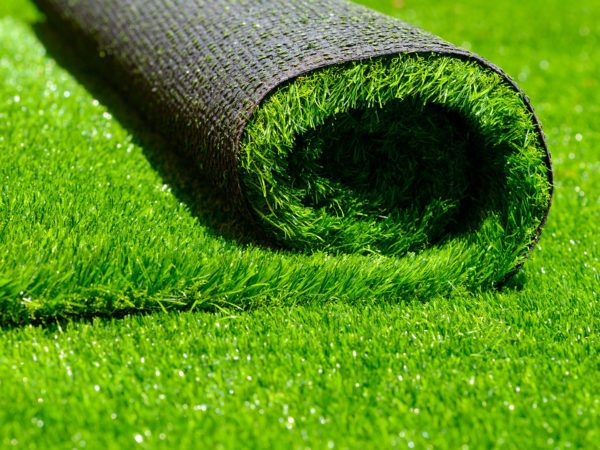
The Artificial Grass Solution: Ultimate Storm Protection
While we’ve focused on comparing natural grass varieties, it’s worth noting that many Randburg and Midrand homeowners are discovering a third option that eliminates weather-related lawn stress entirely. Artificial grass provides the ultimate solution for those tired of dealing with hail damage, recovery periods, and weather-related lawn maintenance challenges.
Modern synthetic turf withstands hailstorms, heavy rain, and extreme weather without any damage or recovery period needed. After the fiercest storm, you simply brush off any debris and your lawn looks perfect again. There’s no waiting for regrowth, no bare patches to repair, and no concern about establishing grass during unpredictable weather windows.
For families who want a consistently beautiful lawn regardless of what Johannesburg’s weather throws at them, artificial grass installation represents a practical, long-term investment. The technology has advanced dramatically, with premium products offering realistic appearance, excellent drainage, and durability that outlasts countless storm seasons.
Making Your Decision: Which Grass Suits Your Needs?
For most Johannesburg homeowners dealing with regular hailstorms and unpredictable thunderstorms, Kikuyu grass emerges as the clear winner for natural lawn applications. Its deep root system, rapid recovery speed, and aggressive growth habit make it exceptionally well-suited to bounce back from weather damage quickly and reliably.
Consider choosing Kikuyu grass if you want a natural lawn that can handle whatever weather comes its way with minimal intervention. The grass’s resilience means less stress during storm season, faster recovery after damage occurs, and overall lower maintenance requirements throughout the year. Its proven track record across South African gardens speaks to its ability to thrive despite challenging conditions.
Bermuda grass might be appropriate for specific applications where its fine texture and dense growth are priorities, and where the slower recovery time is acceptable. However, for general residential lawns in areas prone to hail damage, it typically doesn’t match Kikuyu’s performance.
For the ultimate peace of mind, particularly if you’re establishing a lawn in a high-exposure area or you’re simply tired of weather-related lawn stress, exploring artificial grass options might provide the perfect solution. The initial investment pays dividends in eliminated maintenance, no recovery periods, and a lawn that looks perfect 365 days a year regardless of weather.
Professional Installation Makes the Difference
Regardless of which option you choose, professional installation significantly impacts long-term performance and storm resilience. Proper soil preparation, grading for drainage, and expert establishment techniques ensure your lawn has the best possible foundation for handling severe weather events.
At Lawn King, we’ve spent years perfecting lawn installation across Randburg, Midrand, and surrounding areas. We understand exactly how Johannesburg’s weather impacts different grass varieties and can guide you toward the solution that best fits your property’s specific conditions and your maintenance preferences.
Whether you’re ready to install resilient Kikuyu grass that bounces back from every storm, or you’re interested in exploring low-maintenance artificial grass alternatives, our team provides the expertise and quality installation that sets your lawn up for long-term success. Don’t let another hail season catch you with a vulnerable lawn that requires extensive recovery efforts.
Contact Lawn King today for a free consultation and quote. Let us help you create the perfect outdoor space that withstands Johannesburg’s challenging weather while maintaining the beautiful appearance you deserve. Your storm-resilient lawn is just a phone call away.
For more information on grass varieties and lawn solutions for Johannesburg properties, visit lawnking.co.za or call 068 474 7303.
Recent Posts:
- LM Berea Grass vs All Seasons Evergreen: The Ultimate Lawn Showdown
- Tifsport vs Kikuyu Grass: Which Instant Lawn Is Best for Johannesburg’s Summer Heat?
- Multi-Sport Court Options: Tennis, Netball & Basketball Combined Courts for Families in Edenvale & Bedfordview
- Tennis Court Resurfacing: When and How to Renovate Courts in Midrand, Kyalami & Woodmead
- Converting Unused Pool Areas or Large Gardens into Tennis Courts: Success Stories in Kempton Park & Benoni Estates