Synthetic Lawns: Randburg’s Answer to Water Restrictions (2025)
Randburg residents are experiencing an unprecedented water crisis. Throughout 2025, water restrictions have tightened significantly. Consequently, homeowners are searching for sustainable alternatives to natural grass. The solution? Synthetic lawns offer both financial savings and water conservation.
Randburg’s 2025 Water Crisis Hits Home
Johannesburg Water implements strict overnight restrictions in Randburg. The system operates under Level 1 water restrictions. Moreover, daily throttling runs from 18:00 to 05:00 each morning. These measures affect thousands of households across the area.
The Randburg and Roodepoort systems face constant pressure. Infrastructure challenges compound the problem. Rand Water’s Eikenhof pump station experiences frequent disruptions. Therefore, residents endure poor water pressure regularly. In some cases, they face complete supply loss.
Recent maintenance work creates additional strain. From May through July 2025, major infrastructure upgrades occurred. The Palmiet System saw dramatically reduced pumping capacity. Consequently, Randburg residents experienced prolonged water shortages. Many areas went without water for days at a time.
The Financial Toll of Natural Grass During Restrictions
Natural lawns demand massive water consumption. A typical 100-square-meter lawn requires approximately 550,000 liters annually. However, Randburg’s restrictions make this impossible to maintain. Homeowners face difficult choices between compliance and lawn survival.
Garden watering is prohibited between 6am and 6pm. Hosepipes cannot wash driveways or paved areas. These restrictions effectively kill traditional lawns. Residents watch their gardens turn brown and patchy. The aesthetic appeal disappears completely.
Water bills skyrocket for those who attempt maintenance. Johannesburg Water charges escalating rates for higher consumption. Additionally, fines apply for violating restriction rules. The financial burden becomes unsustainable for most families.
Why Synthetic Lawns Solve the Water Restriction Problem
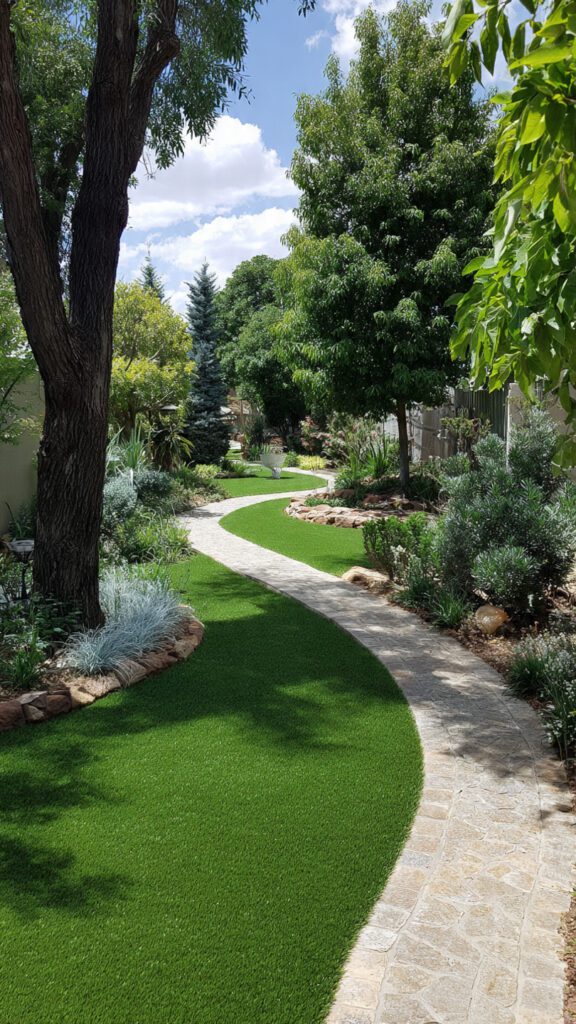
Synthetic lawns eliminate water dependency entirely. Once installed, they require zero irrigation. This makes them perfectly suited for Randburg’s current climate. Homeowners maintain lush, green lawns year-round without water.
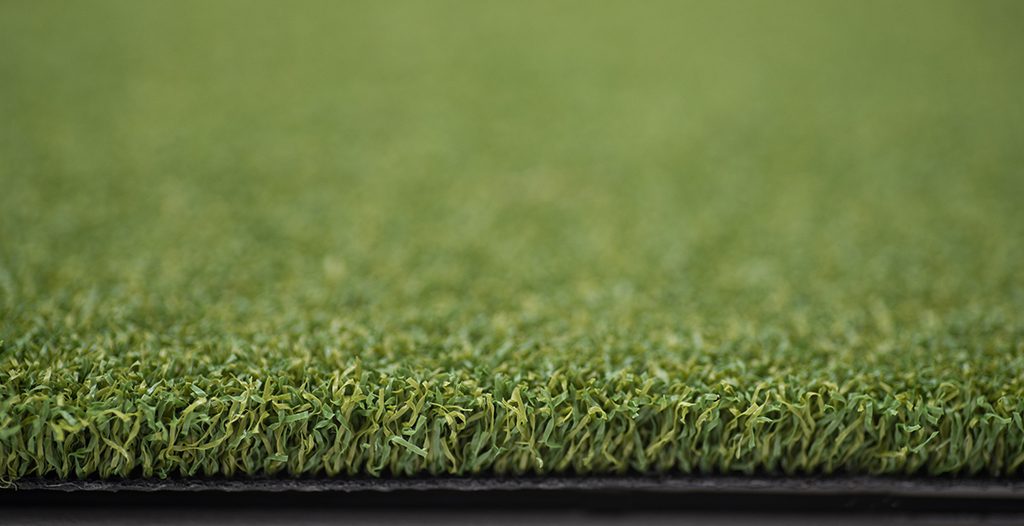
The technology behind modern artificial grass has advanced significantly. Premium products feature UV-stabilized fibers that resist fading. Four-tone green coloring creates realistic appearance. The result looks indistinguishable from natural grass.
Drainage systems ensure proper water management. Pre-punched backing allows rainwater to permeate naturally. Therefore, synthetic lawns don’t create runoff problems. They actually help manage stormwater effectively during rainfall.
Breaking Down the Financial Benefits
The cost savings start immediately after installation. Consider a standard 100-square-meter lawn in Randburg. Natural grass requires approximately 550,000 liters annually. At current Johannesburg Water rates, this translates to substantial expenses.
Water savings alone justify the investment. Synthetic lawns save between 55% to 90% on water bills. For Randburg residents, this means thousands of rand annually. Over a 15-year lifespan, savings exceed the initial installation cost.
Maintenance expenses disappear almost entirely. Natural lawns need regular mowing, fertilizing, and pest control. These services cost hundreds monthly. Synthetic lawns require only occasional brushing and rinsing. The maintenance savings compound quickly over time.
Real 2025 Data: What Randburg Residents Save
Johannesburg Water rates continue climbing in 2025. Level 1 restrictions remain firmly in place. Meanwhile, infrastructure challenges persist throughout the year. These factors make synthetic lawns increasingly attractive financially.
A 150-square-meter artificial lawn installation costs between R37,500 and R90,000. However, water savings begin immediately. Natural grass maintenance for the same area costs approximately R2,500 monthly. This includes water, mowing, fertilizer, and pest control.
Annual savings reach R30,000 or more for typical homes. Within three to four years, the installation pays for itself. Subsequently, homeowners enjoy pure profit through continued savings. Over 15 years, total savings can exceed R450,000.
Environmental Benefits Beyond Cost Savings
Water conservation becomes critical during drought conditions. Synthetic lawns preserve precious water resources for essential needs. Each installation saves approximately 550,000 liters annually. Across Randburg, this creates significant collective impact.
Natural grass requires harmful chemicals for maintenance. Fertilizers and pesticides pollute groundwater systems. These chemicals wash into storm drains during rainfall. Synthetic lawns eliminate this environmental hazard completely.
The carbon footprint reduces substantially as well. Lawn mowers emit greenhouse gases throughout their operation. Synthetic lawns need no mowing equipment whatsoever. This contributes to cleaner air quality across Randburg.
Choosing the Right Synthetic Lawn for Randburg
Pile height selection determines both appearance and functionality. Most Randburg homeowners choose between 25mm and 35mm options. Shorter pile heights work better for high-traffic areas. Longer options create more luxurious appearance and feel.
Quality matters significantly for longevity. Premium synthetic grass uses UV-stabilized polyethylene fibers. These materials withstand harsh South African sunlight. Inferior products fade quickly and require early replacement.
Proper installation ensures maximum lifespan. Professional installers prepare the base correctly. They ensure adequate drainage and secure anchoring. DIY installation often creates problems down the line. Therefore, professional installation provides better long-term value.
Installation Process and Timeline
The installation begins with site assessment and preparation. Professionals remove existing grass and level the ground. They install a proper drainage system underneath. This foundation proves critical for long-term performance.
A compacted base layer comes next. Crushed stone or aggregate provides stability. This layer also facilitates proper water drainage. Without it, water pooling can occur.
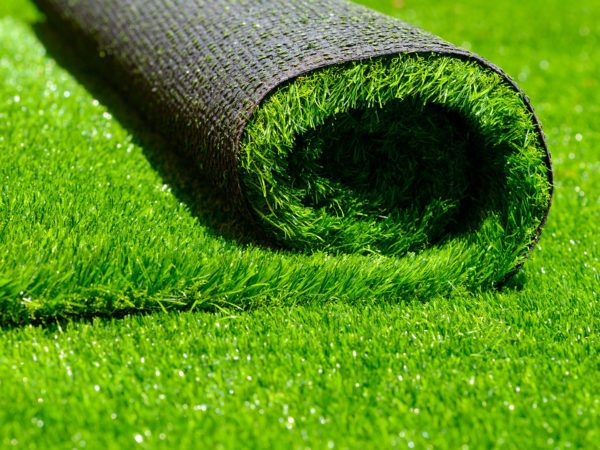
The synthetic grass rolls out across the prepared surface. Installers carefully seam sections together for invisible joints. Infill material spreads across the surface. This provides support and maintains upright blade position.
Most residential installations complete within two to three days. Larger properties may require additional time. However, the lawn becomes immediately usable after installation. No growing period or special care needed.
Maintenance Requirements and Costs
Synthetic lawns need minimal ongoing maintenance. Regular brushing keeps fibers standing upright properly. This takes only minutes per week. A stiff broom works perfectly for this task.
Occasional rinsing removes dust and debris. A garden hose provides sufficient water pressure. Pet owners may rinse more frequently. However, water usage remains negligible compared to natural grass.
Weed control around perimeter edges proves important. Occasional trimming prevents encroachment onto synthetic surface. Annual deep cleaning maintains optimal appearance. Professional cleaning services cost far less than traditional lawn care.
Total annual maintenance costs typically run under R2,000. This compares to R30,000 or more for natural grass. The financial advantage speaks clearly for itself.
Pet-Friendly Features for Randburg Families
Modern synthetic lawns accommodate pets excellently. Pet-friendly varieties feature enhanced drainage systems. Liquids drain quickly through the backing material. This prevents odor buildup and bacterial growth.
The surface remains comfortable for animals. Soft yarn construction prevents paw irritation. Dogs enjoy playing on synthetic surfaces. They don’t create muddy patches or worn spots.
Cleaning pet waste becomes simpler than natural grass. Solid waste removes easily from the surface. Occasional rinsing with enzymatic cleaner maintains freshness. Pet owners report significant improvement over natural lawns.
Sports and Recreation Applications
Families use synthetic lawns for various activities. Children play soccer, cricket, and general games safely. The consistent surface prevents trips and falls. Unlike natural grass, it doesn’t develop dangerous holes.
The surface performs well in all weather conditions. Rain doesn’t create muddy, unusable areas. Hot weather doesn’t brown or damage the grass. Year-round usability maximizes property value and enjoyment.
Sports facilities increasingly choose synthetic surfaces. The durability handles constant heavy use. Professional-grade products maintain appearance despite intensive activity. Maintenance requirements remain minimal throughout the year.
Property Value Impact
Real estate professionals note increasing buyer interest in synthetic lawns. Water-wise properties attract premium prices in Randburg. Buyers appreciate reduced ongoing costs immediately. They value turn-key, low-maintenance outdoor spaces.
The aesthetic appeal remains consistently high. Natural lawns deteriorate during restriction periods. Synthetic alternatives maintain perfect appearance year-round. This creates strong curb appeal for potential buyers.
Return on investment typically exceeds 80% at resale. Some properties recover full installation costs. The water-saving feature becomes major selling point. Forward-thinking buyers recognize long-term value proposition.
Addressing Common Concerns About Synthetic Lawns
Heat retention concerns arise frequently among homeowners. Modern synthetic grass manages heat better than older products. Light-colored varieties reflect more sunlight effectively. Regular rinsing during extreme heat provides additional cooling.
Durability questions receive positive answers from research. Premium products last 15-20 years in residential settings. UV stabilization prevents premature fading and deterioration. Warranties often cover 8-10 years of performance.
Environmental impact discussions consider full lifecycle. Manufacturing creates some carbon footprint initially. However, water savings and eliminated chemicals offset this quickly. Over the product lifetime, environmental benefits prove substantial.
Making the Financial Decision
Initial investment requires careful consideration and planning. However, the ROI timeline proves remarkably short. Most Randburg homeowners break even within four years. Subsequent years deliver pure savings and value.
Financing options make installation more accessible. Many companies offer payment plans for customers. The monthly payment often equals current lawn care costs. Therefore, budget impact remains neutral during payoff period.
Government rebates may apply for water-saving installations. Check with Johannesburg Water for current programs. Some municipalities incentivize synthetic lawn conversion. These programs reduce effective installation costs significantly.
Expert Installation Matters
Professional installation ensures optimal performance and longevity. Experienced installers understand Randburg’s specific soil conditions. They prepare proper drainage for local rainfall patterns. This expertise prevents future problems.
LawnKing specializes in Randburg and Midrand installations. Their team understands local water restriction challenges. They recommend appropriate products for specific applications. Professional guidance maximizes both appearance and value.
Warranty coverage depends on proper installation. DIY attempts often void manufacturer guarantees. Professional installation protects your investment fully. The small additional cost proves worthwhile long-term.
The Future of Landscaping in Randburg
Water scarcity will likely intensify in coming years. Climate change creates unpredictable rainfall patterns. Infrastructure challenges persist despite ongoing upgrades. Synthetic lawns represent practical adaptation to new reality.
More homeowners make the switch annually. The technology improves continuously with innovation. Prices become more competitive as demand increases. Early adopters enjoy maximum benefits from this trend.
Community impact grows as adoption spreads. Collective water savings help entire neighborhoods. Reduced strain on infrastructure benefits all residents. Synthetic lawns contribute to sustainable urban development.
Taking Action Today
Randburg’s water restrictions created clear financial imperative. Synthetic lawns deliver immediate and long-term savings. The technology performs excellently in local conditions. Installation proves straightforward with professional help.
The financial case speaks clearly for itself. Water savings alone justify the investment. Combined with maintenance cost reduction, ROI becomes compelling. Environmental benefits provide additional motivation for action.
Forward-thinking homeowners choose synthetic lawns now. They enjoy beautiful, green spaces year-round. Water bills drop dramatically from day one. Their properties increase in value accordingly.
Contact LawnKing for professional consultation today. Discover which synthetic lawn option suits your property best. Get accurate pricing for your specific requirements. Join thousands of satisfied Randburg residents who made the switch.
The water crisis made synthetic lawns essential. Financial benefits made them inevitable. Your perfect lawn awaits without water restrictions. Make the smart investment for your property today.
External Resources:
Recent Posts:
- Artificial Turf Installation Fees in Parkhurst: Why Quotes Vary by R15,000 for the Same Garden
- What Went Wrong: 5 DIY Artificial Grass Disasters We Fixed in Hyde Park
- Converting Your Joburg Tennis Court to Artificial Sports Turf: ROI Analysis for Private Estates
- Which Pet-Friendly Artificial Grass Prevents Urine Odor? Testing Results from 50 Fourways Installations