Water Savings with Artificial Turf in Golf Facilities
Golf estates and practice facilities across Woodmead, Midrand, and Kyalami face mounting pressure as water restrictions continue throughout Johannesburg. Meanwhile, course managers struggle to maintain pristine playing surfaces while adhering to strict conservation measures. Fortunately, the solution emerges clearly: artificial turf delivers substantial water conservation while ensuring year-round playability.
Understanding Water Restrictions in Johannesburg’s Golf Areas
Johannesburg operates under Level 1 water restrictions, with demand consistently exceeding available supply. Consequently, these restrictions directly impact golf facilities in premium suburbs where residents cannot water gardens between 6am and 6pm. Additionally, hosepipes cannot clean pavements or wash cars under current regulations.
For golf estates in Woodmead and Midrand, these restrictions create operational challenges since traditional grass practice areas demand constant irrigation. During drought periods, facilities face impossible choices between water conservation and course quality as natural turf requires consistent watering to maintain excellence.
Moreover, the situation intensifies during summer months when golf courses compete with residential areas for limited water resources. Specifically, areas like greater Midrand, President Park, Kaalfontein, and Ebony Park experience intermittent water supply due to system pressure. As a result, this inconsistency makes natural grass maintenance nearly impossible.
Calculating Annual Water Usage: Natural Grass vs Artificial Turf
Natural grass practice facilities consume staggering water volumes, with an 18-hole golf course using approximately 2.08 billion gallons of water per day on average. Similarly, practice areas, though smaller, still require substantial irrigation to maintain quality standards.
Typically, a golf practice facility spans 2,000 to 5,000 square meters and requires approximately 25mm of water weekly during peak growing season. Subsequently, this translates to 250 liters per square meter monthly, meaning a 3,000 square meter practice area consumes 750,000 liters monthly.
Furthermore, annual water requirements multiply significantly as a natural grass practice facility uses approximately 9 million liters yearly. This figure accounts for seasonal variations and irrigation inefficiencies, while water losses through evaporation increase these numbers further during hot summer months.
In contrast, converting to artificial turf eliminates irrigation entirely, with water savings reaching 100% for the converted area. Importantly, zero irrigation means zero water bills for maintenance while protecting facilities from restrictions and supply interruptions.
Financial Impact: Cost Savings During Water Restrictions
Water costs continue rising across Johannesburg, with municipal tariffs increasing annually and straining golf facility budgets. Currently, a practice facility using 9 million liters annually faces expenses between R135,000 and R180,000 yearly based on prevailing rates.
However, these figures exclude additional expenses such as irrigation system maintenance that adds thousands annually. Similarly, pump electricity consumption increases operational costs further, while labor for watering and monitoring adds salary expenses. On top of that, equipment repairs from constant use create ongoing expenditures.
Alternatively, artificial putting greens eliminate these recurring costs completely, with the initial investment paying for itself through eliminated water bills. In fact, most facilities achieve return on investment within 3-5 years, after which savings continue accumulating indefinitely.
Beyond water costs, consider the broader financial picture where natural grass requires fertilizers, pesticides, and regular maintenance. Therefore, artificial grass installation removes these ongoing expenses since the synthetic surface maintains quality without chemical treatments or constant care.
Environmental Benefits Beyond Water Conservation
Water savings represent just one environmental advantage, as artificial turf delivers multiple ecological benefits. Notably, eliminating pesticides and fertilizers reduces chemical runoff that contaminates waterways and harms local ecosystems.
Specifically, chemical fertilizers leach into groundwater supplies while pesticides affect beneficial insects and wildlife. Thus, natural grass maintenance contributes to environmental degradation, whereas converting to synthetic surfaces eliminates these negative impacts entirely.
Additionally, carbon footprint reduction becomes significant when facilities eliminate weekly mowing equipment that burns fossil fuels. Coupled with this, transportation for maintenance teams adds emissions that artificial turf eliminates completely since no mowing means zero emissions from maintenance equipment.
Moreover, the durability factor extends environmental benefits because quality artificial grass from LawnKing Gardens lasts 15-20 years with proper care. Therefore, this longevity reduces replacement frequency and associated waste while the initial environmental investment delivers decades of sustainable performance.
Year-Round Playability Without Irrigation
Johannesburg’s climate creates seasonal challenges for natural grass, with winter bringing brown, dormant turf. Simultaneously, summer heat stresses grass even with irrigation, while spring growth periods create uneven playing surfaces. In addition, fall transitions leave patchy, unpredictable conditions.
Conversely, artificial putting greens maintain consistent performance throughout every season, with the surface remaining identical in January and July. Consequently, temperature fluctuations don’t affect playing characteristics while specialized golf turf provides reliable ball roll regardless of weather.
Particularly problematic, rainfall creates issues for natural grass as heavy storms leave muddy, unplayable conditions. Extended wet periods promote disease and deterioration, forcing facilities to close practice areas and frustrating members while reducing revenue.
On the other hand, synthetic surfaces drain efficiently through specialized backing systems where heavy rain doesn’t create waterlogged conditions. As a result, practice continues within hours of severe weather, ensuring consistent facility access and member satisfaction.
Comparative Analysis: Woodmead vs Midrand Golf Facilities
Golf estates in Woodmead and Midrand face unique water challenges, with Woodmead’s established properties including several prestigious courses. These facilities compete for limited municipal water allocation, while aging infrastructure complicates water management further.
Meanwhile, Midrand’s newer developments incorporate modern water-saving approaches despite rapid growth that strains available resources. The Rem Allandale and President Park Reservoirs supply greater Midrand, though areas experience pressure from high demand. Accordingly, golf facilities must adapt to ensure operational continuity.
Remarkably, practice facilities in both areas benefit dramatically from artificial turf conversion since Woodmead estates eliminate dependence on unreliable municipal supply. Likewise, Midrand facilities future-proof operations against expanding residential demand while both areas gain competitive advantages through water independence.
Similarly, Kyalami golf properties share these benefits where prestigious courses require impeccable standards. Water restrictions threaten quality maintenance, yet artificial practice areas ensure consistent excellence without environmental compromise.
Installation Considerations for Practice Facilities
Converting practice areas requires professional expertise, as proper installation ensures optimal performance and longevity. Initially, the process begins with thorough site assessment where drainage evaluation determines necessary preparation work.
Subsequently, base preparation creates the foundation for successful installation since the existing surface requires removal and proper grading. A crushed stone base provides stability and drainage, while compaction ensures the surface won’t settle unevenly over time.
Furthermore, specialized golf turf differs significantly from landscaping varieties because putting green surfaces require specific pile heights and densities. Ball roll characteristics depend on precise specifications that professional suppliers understand completely.
Finally, seaming quality determines visual appearance and performance, where expert installers create invisible joints between turf sections. Proper infill application ensures consistent playing characteristics, with these details separating professional installations from amateur attempts.
Maintenance Requirements: Minimal Care, Maximum Performance
Artificial turf maintenance differs dramatically from natural grass care, as the requirements reduce to simple, periodic tasks. Regular brushing maintains fiber orientation and appearance, while debris removal keeps surfaces clean and attractive.
Specifically, monthly maintenance takes hours instead of constant daily attention since no irrigation system monitoring or adjustment occurs. Additionally, no fertilizer application schedules exist, and no pesticide treatments become necessary. Hence, the simplified approach reduces labor costs substantially.
Furthermore, professional cleaning occurs annually or semi-annually to remove accumulated organic matter and refresh infill material. The process takes hours and costs far less than ongoing natural grass maintenance, while specialized infill materials require occasional replenishment to maintain optimal performance.
Ultimately, long-term durability exceeds natural grass by significant margins where proper installation and basic maintenance ensure decades of reliable service. The surface withstands constant use without deterioration, and high-traffic areas don’t develop bare patches or compaction issues.
Technical Specifications for Golf Applications
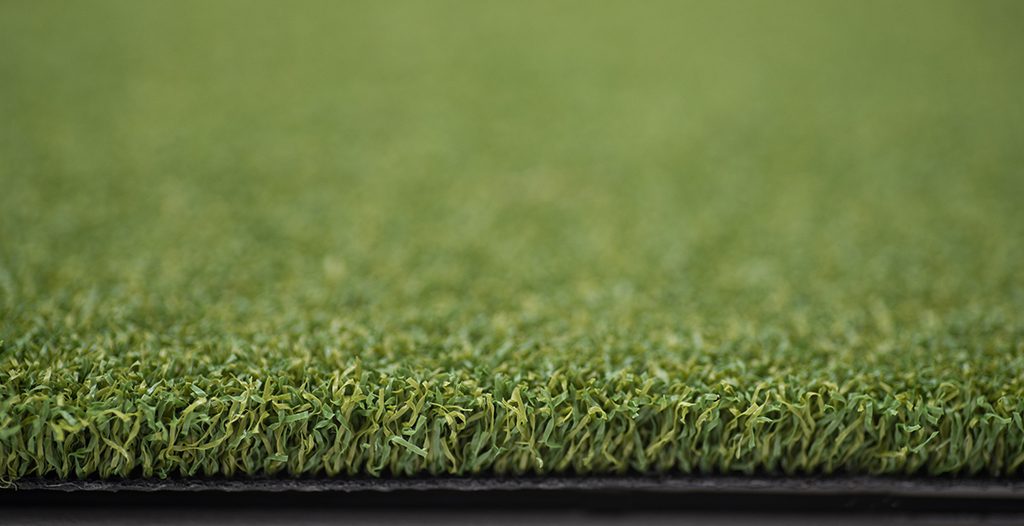
Golf-specific artificial turf requires precise engineering, with pile height determining ball speed and roll characteristics. Typically, putting greens use 10-13mm pile heights, whereas practice areas may incorporate slightly longer fibers for versatility.
Additionally, fiber composition affects performance and durability through modern synthetic grass using advanced polyethylene materials. These provide realistic appearance and excellent wear resistance, while UV stabilization prevents color fading under intense Johannesburg sun.
Moreover, backing systems ensure proper drainage and dimensional stability through multi-layer construction that includes drainage perforations and reinforcement. Quality backing prevents stretching and maintains installation integrity, thereby supporting consistent performance throughout the turf’s lifetime.
Finally, infill selection influences playing characteristics significantly where sand-based infills provide firmness and realistic ball response. Rubber components can add cushioning for player comfort, and professional suppliers recommend appropriate infill combinations based on specific application requirements.
Case Studies: Successful Conversions in Gauteng
Golf facilities throughout Gauteng demonstrate artificial turf benefits, with prestigious estates reporting dramatic water savings immediately following conversion. Practice area quality improves while maintenance demands plummet, creating win-win scenarios for management.
Naturally, members appreciate consistent playing conditions year-round while teaching professionals value reliable surfaces for instruction. Facilities maintain competitive advantages through superior practice amenities, and the investment delivers benefits across multiple operational areas.
Impressively, golf courses implementing water-saving measures achieve significant results where some facilities reduce usage by 35% through strategic decisions. Others cut consumption by 14% through irrigation system optimization, yet complete artificial turf conversion surpasses these results entirely.
Likewise, commercial practice facilities report similar success as driving ranges and short game areas benefit from synthetic surfaces. These installations withstand heavy use better than natural grass, and revenue increases through extended operating hours and improved conditions.
Selecting the Right Artificial Turf Provider
Professional installation determines long-term success, since experienced providers understand golf-specific requirements completely. LawnKing Gardens specializes in sports turf applications, including golf practice areas where their expertise ensures optimal results.
Importantly, quality materials distinguish superior installations from mediocre attempts as premium turf costs more initially but delivers better performance. Inferior products deteriorate rapidly and disappoint users, so the investment deserves high-quality materials throughout.
Furthermore, installation warranties protect facility investments where reputable providers stand behind their workmanship completely. Comprehensive warranties cover materials and installation for extended periods, thereby ensuring peace of mind and long-term value.
Additionally, local expertise matters significantly because Johannesburg’s climate presents unique challenges. Providers familiar with regional conditions design appropriate solutions, and understanding local water restrictions and environmental factors guides proper specification.
Future-Proofing Golf Facilities Against Water Scarcity
Water availability will likely worsen before improving, as climate change intensifies drought frequency and severity. Population growth increases competition for limited resources, so golf facilities must adapt to ensure long-term viability.
Consequently, artificial turf conversion represents strategic planning where facilities investing now gain competitive advantages over delayed competitors. Water independence ensures operational continuity regardless of restriction severity, and this foresight protects property values and member satisfaction.
Moreover, regulatory pressures will intensify around water usage as municipalities face difficult allocation decisions during shortages. Non-essential uses receive scrutiny and potential restrictions, whereas facilities demonstrating conservation leadership avoid regulatory targeting.
Increasingly, environmental responsibility influences consumer choices where members prefer facilities demonstrating ecological consciousness. Prospective residents evaluate estate amenities through sustainability lenses, and artificial grass installations signal environmental commitment and forward thinking.
Implementation Strategy for Golf Estate Managers
Converting practice facilities requires careful planning, with phased implementation minimizing disruption while managing costs. Priority areas include putting greens and high-traffic zones where these conversions deliver immediate benefits and demonstrate value.
Naturally, budget considerations influence implementation timing since capital improvement funds may require multi-year planning. However, water savings begin immediately following installation, so the financial return justifies prioritizing these projects.
Additionally, member communication ensures smooth transitions by explaining water conservation benefits that build support. Demonstrating improved playing conditions generates enthusiasm, while professional presentations addressing concerns preempt resistance.
Furthermore, contractor selection demands thorough evaluation where multiple quotes ensure competitive pricing. Reference checks verify quality and reliability, and established providers like LawnKing Gardens offer proven track records in Gauteng golf installations.
Maximizing Return on Investment
Comprehensive cost analysis reveals true financial benefits, with water savings forming the foundation of ROI calculations. Eliminated irrigation reduces municipal bills dramatically, while decreased maintenance costs compound savings further.
Significantly, labor reallocation improves operational efficiency as staff previously dedicated to practice area maintenance address other priorities. This productivity gain enhances overall facility management, and the operational improvements extend beyond simple cost reduction.
Moreover, revenue opportunities emerge from improved conditions where better practice facilities attract new members. Existing members increase usage due to consistent quality while teaching professionals prefer conducting lessons on reliable surfaces. Collectively, these factors drive membership growth and retention.
Finally, marketing advantages emerge from sustainability leadership as environmental responsibility resonates with modern consumers. Facilities promoting water conservation differentiate themselves competitively, and this positioning attracts environmentally conscious members and positive press coverage.
Taking Action: Converting Your Facility Today
The case for artificial turf conversion proves compelling, with water savings, cost reduction, and performance improvements justifying immediate action. Facilities delaying conversion sacrifice ongoing water expenses unnecessarily, whereas benefits begin accumulating immediately following installation.
Starting the conversion process requires simple initial steps where facilities should contact professional artificial turf specialists for site assessment. Discuss specific requirements and receive detailed proposals, then compare options and select appropriate solutions.
Undoubtedly, Johannesburg’s water challenges demand proactive responses since golf facilities cannot afford passive approaches. Converting practice areas to artificial turf represents smart, sustainable management, and the investment protects operations while demonstrating environmental responsibility.
Specifically, Woodmead, Midrand, and Kyalami golf facilities have clear paths forward where artificial turf technology eliminates water dependence completely. Year-round playability ensures member satisfaction regardless of weather, while financial savings improve bottom lines and support environmental stewardship.
Ultimately, the decision becomes straightforward when examining comprehensive benefits since water conservation reaches 100% for converted areas. Maintenance costs drop dramatically while quality improves, and playing conditions remain consistent throughout every season. Together, these advantages make conversion an obvious strategic choice.
According to the USGA’s research on golf water consumption, courses that implement water-saving strategies can significantly reduce their environmental footprint while maintaining playability. Additionally, sustainable golf initiatives worldwide demonstrate that artificial turf installations deliver measurable conservation results.
Therefore, golf facility managers must prioritize water independence by contacting LawnKing Gardens today to discuss conversion options. Professional assessment identifies optimal solutions for specific requirements, allowing facilities to begin saving water and money while improving practice facilities immediately.
Clearly, the future of golf in water-scarce regions depends on sustainable solutions where artificial turf represents proven technology delivering exceptional results. Your facility can lead conservation efforts while enhancing member experience, so take the first step toward water independence today.
Recent Posts: