Best Artificial Turf for Soccer Fields
Johannesburg sits at 1,753 meters above sea level. This altitude creates unique challenges for soccer field construction and maintenance. Sports complexes in Randburg and Roodepoort need artificial turf solutions that can handle these specific environmental conditions while delivering consistent performance year-round.
Understanding Johannesburg’s High-Altitude Environment
The high altitude in Johannesburg affects more than just player performance. It impacts how soccer fields function and wear over time. The thinner air creates specific demands on playing surfaces that facility managers must address.
How Altitude Impacts Artificial Turf Performance
Lower air pressure at altitude means the ball travels faster and bounces differently. Your artificial grass for soccer fields needs to compensate for these physics changes. The right turf system maintains consistent ball roll and bounce characteristics despite the altitude effects.
Temperature fluctuations prove more extreme at higher elevations. Johannesburg experiences intense UV exposure during summer days, followed by cold winter nights that can drop below freezing. Your synthetic turf must withstand these dramatic temperature swings without cracking, fading, or losing structural integrity.
Key Features of Superior Soccer Turf for High Altitude
Modern sports turf systems require specific characteristics to perform well in Johannesburg’s climate. These features separate professional-grade installations from basic synthetic grass solutions.
UV Resistance and Color Stability
The intense sunlight at altitude accelerates UV degradation. Premium artificial turf incorporates UV stabilizers directly into the fiber polymer structure. This technology prevents the grass from fading to pale green or brown within a few seasons. Quality manufacturers test their products under accelerated UV exposure conditions that simulate years of Johannesburg sunshine.
Look for turf with a minimum UV stability rating of 8,000 hours. This rating ensures your soccer field maintains its vibrant appearance for at least ten years of regular use. The investment in UV-resistant materials pays dividends through extended field lifespan and reduced replacement costs.
Temperature Tolerance and Fiber Durability
Quality soccer turf fibers resist thermal expansion and contraction. Polyethylene blends with polypropylene create the ideal balance between softness and durability. These materials maintain their shape through Johannesburg’s temperature extremes, from 30°C summer days to -5°C winter mornings.
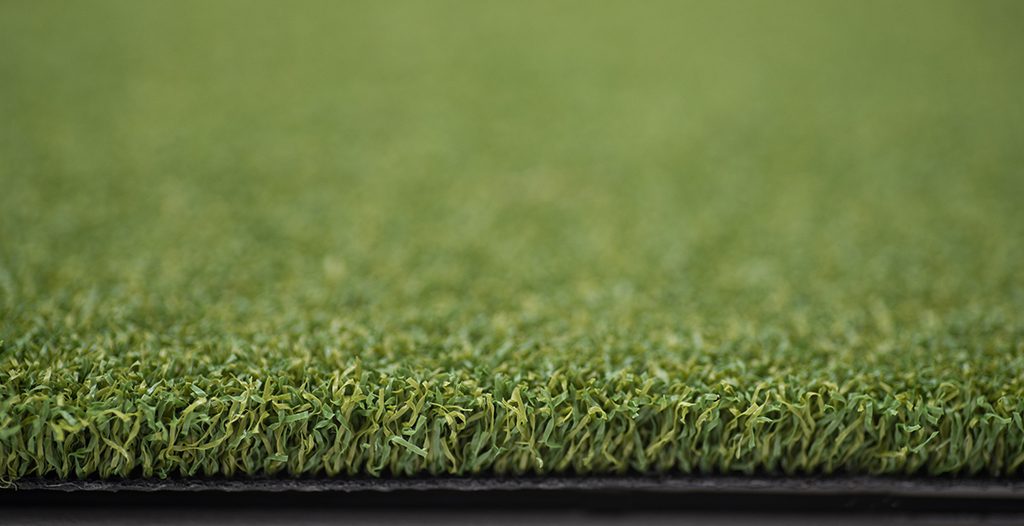
The fiber density matters significantly for performance. Professional soccer installations require at least 50,000 to 60,000 stitches per square meter. This density provides adequate cushioning while maintaining ball response characteristics that players expect. Sparse fiber counts lead to premature wear patterns and inconsistent playing conditions.
Optimal Pile Height for Soccer Applications
Installing artificial grass for school soccer fields requires careful consideration of pile height. This specification directly affects ball behavior, player traction, and maintenance requirements.
The 40mm to 50mm Sweet Spot
Most professional soccer organizations recommend pile heights between 40mm and 50mm for optimal performance. This range provides enough cushioning for player safety while maintaining fast ball roll speeds. Shorter piles compromise shock absorption, while longer piles create excessive friction that slows gameplay.
The pile height works in conjunction with infill materials to create the complete playing surface. Too much variation in either component disrupts the playing experience. Consistency across the entire field proves essential for fair competition and player confidence.
Matching Infill Systems to Altitude Conditions
Rubber crumb infill remains the industry standard for professional soccer installations. However, altitude affects how infill materials settle and compact over time. The lower air pressure can cause infill migration in high-traffic areas, creating uneven surfaces that require frequent maintenance.
Consider hybrid infill systems that combine rubber granules with sand or organic materials. These combinations provide better stability under Johannesburg’s environmental conditions. The added weight prevents excessive infill displacement during windy conditions, which occur frequently at altitude.
Drainage Considerations for Randburg and Roodepoort
Summer thunderstorms dump significant rainfall on Johannesburg in short periods. Your artificial turf system must evacuate water quickly to maintain playability throughout the rainy season.
Permeability Requirements
Professional soccer turf requires drainage rates of at least 300mm per hour. This specification ensures the field remains playable within minutes after heavy rainfall ends. The backing material must allow water to pass through while maintaining structural integrity under player weight and stress.
Base preparation proves equally important for effective drainage. A properly constructed sub-base with adequate slope prevents water pooling beneath the turf layer. This foundation protects your investment by preventing frost heave damage during winter months.
Installation Quality Makes the Difference
Even the best artificial turf fails to perform without proper installation. The installation process requires expertise, specialized equipment, and attention to detail that separates professional results from amateur attempts.
Professional Site Preparation
LawnKing Gardens begins every sports turf installation with comprehensive site assessment. The team evaluates soil conditions, existing drainage patterns, and site accessibility before recommending specific solutions. This thorough approach prevents costly mistakes and ensures long-term performance.
Ground leveling and compaction create the foundation for consistent playing characteristics across the entire field. Even minor variations in base height translate to noticeable differences in ball bounce and player footing. Professional installers use laser leveling equipment to achieve tolerances within 3mm across the entire playing surface.
Seam Quality and Field Uniformity
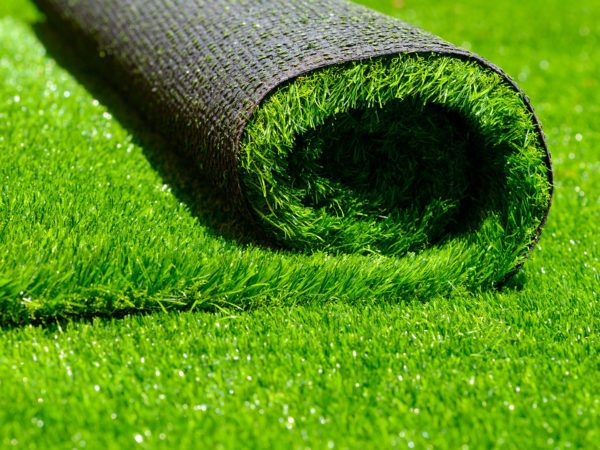
Artificial turf comes in rolls that require careful joining to create a seamless playing surface. The seaming process demands precision and proper adhesive application. Poor seams create visible lines, uneven surfaces, and potential trip hazards for players.
Quality installers orient turf rolls to match the direction of play. This orientation ensures consistent ball roll and player traction throughout the game. The grass pile leans slightly in one direction, affecting how the ball interacts with the surface. Strategic orientation optimizes these interactions for fair gameplay.
Maintenance Requirements for Longevity
Your investment in quality artificial turf deserves proper maintenance to maximize its lifespan and performance. Regular care prevents minor issues from becoming major problems that compromise playing conditions.
Weekly Maintenance Protocols
Brush the turf fibers weekly to maintain their upright position and prevent matting. This simple task keeps the playing surface looking fresh while ensuring consistent ball interaction. Power brooms designed specifically for artificial turf work most effectively without damaging the fibers.
Infill distribution requires monthly attention in high-traffic areas. Goalkeeper boxes and center circles experience concentrated wear that displaces infill material over time. Redistribute infill regularly to maintain consistent surface characteristics across the entire field.
Seasonal Deep Cleaning
Professional deep cleaning twice annually removes accumulated dirt, organic matter, and contaminants that affect drainage and performance. This process involves specialized equipment that agitates the turf pile while extracting debris without damaging the fibers or backing material.
Consider scheduling deep cleaning at the transition between wet and dry seasons. This timing maximizes field availability while addressing maintenance needs when they matter most. Spring cleaning prepares the field for summer use, while autumn maintenance ensures winter readiness.
Cost Considerations for Sports Complexes
Budget planning for artificial turf installation requires understanding both initial investment and long-term operational costs. The complete financial picture helps facility managers make informed decisions.
Initial Investment Factors
Quality soccer turf systems cost between R450 and R850 per square meter for materials and professional installation. This price range reflects variations in fiber quality, backing durability, infill systems, and warranty coverage. Premium products at the higher end deliver superior performance and extended lifespans that justify the additional investment.
A regulation-size soccer field measures approximately 7,140 square meters. Total installation costs therefore range from R3.2 million to R6.1 million for complete field construction. These figures include site preparation, drainage systems, shock absorption layers, and professional installation labor.
Long-Term Value Analysis
Compare artificial turf costs against natural grass maintenance over ten years. Natural grass requires regular mowing, fertilizing, irrigation, pest control, and periodic reseeding. These expenses accumulate to substantial amounts while limiting field availability during maintenance periods.
Artificial turf eliminates water consumption entirely, saving thousands of liters annually. Water restrictions in Johannesburg make this benefit increasingly valuable. Additionally, synthetic fields remain playable during wet weather when natural grass becomes muddy and damaged.
Why LawnKing Gardens Leads in Sports Turf Installation
Experience matters when installing professional sports surfaces. LawnKing Gardens brings over 16 years of expertise to every project in Randburg and surrounding areas.
Comprehensive Service Approach
The team handles every aspect of your project from initial consultation through final inspection. This integrated approach ensures quality control at every stage while providing single-point accountability for project success. You work with one team that understands your vision and delivers results that exceed expectations.
Site assessment includes soil testing, drainage evaluation, and usage pattern analysis. These insights inform custom solutions that address your specific needs rather than offering one-size-fits-all packages. Every facility presents unique challenges that require tailored approaches for optimal results.
Quality Materials and Warranty Protection
LawnKing Gardens partners with leading international manufacturers who meet FIFA Quality certification standards. These materials prove their durability through rigorous testing and real-world performance across thousands of installations globally. You receive the same turf technology used in professional stadiums worldwide.
Comprehensive warranties protect your investment against manufacturing defects and premature wear. Material warranties typically span 8 to 10 years, while installation workmanship guarantees cover 2 to 5 years. These protections provide peace of mind that your investment delivers lasting value.
Making the Right Choice for Your Facility
Selecting artificial turf for soccer fields requires balancing performance requirements, budget constraints, and maintenance capabilities. The right solution delivers years of reliable service while enhancing the playing experience for athletes at all levels.
Assessing Your Specific Needs
Consider how intensively you will use the field. Professional clubs training twice daily need more durable systems than recreational complexes hosting weekend games. Usage intensity directly impacts appropriate fiber density, backing strength, and infill specifications.
Think about your maintenance resources and capabilities. Some turf systems require more frequent attention than others. Match your selection to available maintenance staff and equipment to ensure the field receives proper care throughout its lifespan.
Getting Started with Professional Consultation
Contact LawnKing Gardens for a no-obligation site assessment and project estimate. The team visits your location to evaluate conditions, discuss your requirements, and recommend solutions that fit your budget and timeline. This consultation provides valuable insights whether you proceed immediately or plan for future installation.
Professional guidance helps you avoid costly mistakes while ensuring your investment delivers expected results. The difference between adequate and exceptional artificial turf often comes down to proper specification and installation quality. Working with experienced professionals protects your investment from the start.
Elevate Your Soccer Facility Today
Johannesburg’s altitude creates unique demands for soccer field construction. The right artificial turf system handles these challenges while delivering consistent, high-quality playing conditions year-round. Your athletes deserve a surface that enhances their performance and reduces injury risk.
LawnKing Gardens transforms ordinary spaces into exceptional sports facilities throughout Randburg, Roodepoort, and Greater Johannesburg. The combination of premium materials, expert installation, and comprehensive support ensures your soccer field investment pays dividends for years to come.
Ready to upgrade your soccer facility? Call LawnKing Gardens at 068 474 7303 for professional consultation and competitive pricing. Discover why leading sports complexes across Johannesburg trust LawnKing Gardens for their artificial turf installations.
For more information about artificial turf solutions, visit FieldTurf or explore FIFA Quality Programme standards for international specifications.
Read full post:
- Is Artificial Turf Safe for Children? What Sandton and Hyde Park Parents Need to Know
- How Artificial Turf for Hockey Fields Transforms Elite School Sports in Rosebank, Parktown, and Houghton
- What’s the ROI on Installing Artificial Turf for Cricket Pitches in Johannesburg’s Northern Suburbs?
- Why Are Private Schools in Sandton and Bryanston Switching to Artificial Turf for Multi-Sport Facilities?
- What Happens to Your Instant Lawn in Spring? Comparing Dormancy Patterns Across 5 Grass Types