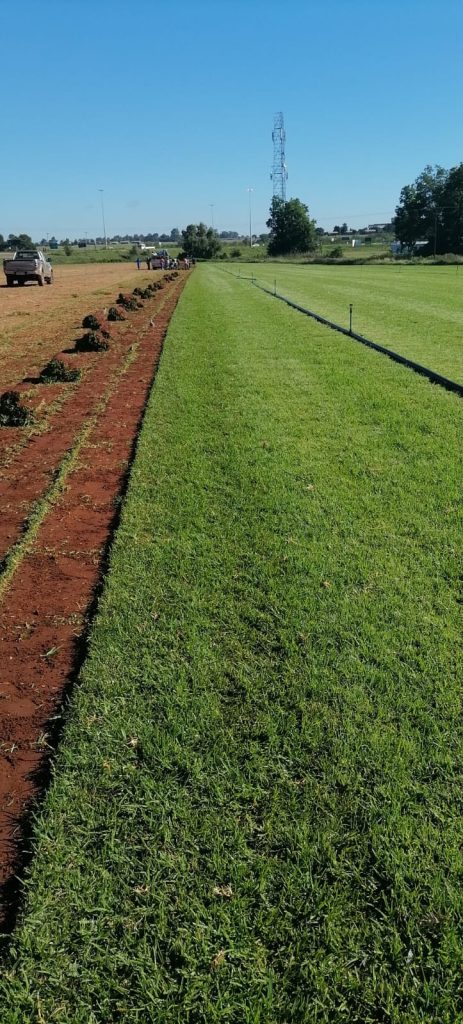
Instant Lawn Dormancy in Spring
Spring brings new life to gardens across Randburg and Midrand. However, not all instant lawn varieties respond the same way. Understanding how your grass emerges from winter dormancy helps you prepare for the growing season ahead.
Understanding Grass Dormancy in South Africa
Dormancy protects grass during harsh winter conditions. The process slows growth and changes leaf colour to conserve energy. Most warm-season grasses enter dormancy when temperatures drop below 10°C. Cool-season varieties behave differently.
Your instant lawn doesn’t die during winter. Instead, it enters a protective state. Growth stops, and the grass focuses energy on survival. The crown and root system remain alive underground, waiting for warmer conditions.
Spring Awakening: What Triggers Growth
Temperature plays the crucial role in awakening dormant grass. Soil temperatures matter more than air temperatures. When soil reaches 15-18°C consistently, warm-season grasses begin their spring recovery.
Daylight hours increase in spring. This signals grass to restart photosynthesis. Moisture from spring rains combines with warmth to trigger rapid growth. Your lawn transforms from brown to green within weeks.
Kikuyu Grass: The Early Spring Riser
Kikuyu grass dominates Gauteng gardens for good reason. This vigorous grower enters dormancy on the Highveld during winter months. The grass turns brown but springs back quickly.
Spring revival starts early with Kikuyu. Once temperatures rise above 15°C, green shoots emerge rapidly. The grass spreads aggressively through runners. Within four to six weeks, your lawn achieves full coverage again.
Early spring care matters for Kikuyu. Water deeply but infrequently to encourage root development. Avoid heavy foot traffic during the first two weeks. The grass needs time to strengthen after dormancy. Mowing should wait until the lawn reaches 5-6cm height.
Moreover, Kikuyu requires at least six hours of direct sunlight daily. This warmth accelerates spring recovery. The grass thrives in Randburg’s climate, making it a popular choice for instant lawn installations.
LM Berea Grass: The Shade-Tolerant Alternative
LM Berea grass behaves differently in spring. This indigenous variety shows moderate frost sensitivity. Winter dormancy affects LM grass more severely than Kikuyu, particularly in colder areas.
Spring recovery takes longer with LM grass. The creeping growth habit rebuilds coverage gradually. Green colour returns first in sunny patches, then spreads to shaded areas. Full recovery requires six to eight weeks.
Furthermore, LM grass tolerates up to 60% shade coverage. This makes it ideal for gardens with established trees. Spring growth accelerates once consistent warmth arrives. The grass benefits from regular watering during recovery.
LM Berea grass performs best with irrigation support in spring. The root system needs moisture to rebuild after winter stress. However, avoid overwatering, which causes shallow root development.
Evergreen Grass: The Year-Round Performer
Evergreen grass stands apart from other varieties. This mixture combines summer and winter growing species. The blend maintains better colour throughout winter months.
Spring brings renewed vigour to Evergreen grass. The warm-season components activate first, followed by increased growth from cool-season grasses. This combination provides seamless green coverage.
Transition periods prove easier with Evergreen grass. You won’t see dramatic brown-to-green changes. Instead, the lawn gradually brightens and thickens. Growth rates increase steadily through spring.
Additionally, Evergreen grass suits various soil types. This versatility makes establishment straightforward. Spring fertilisation boosts growth without overwhelming the mixed variety. The grass mixture resists disease better than monocultures.
TifSport Grass: The Premium Spring Performer
TifSport grass represents a premium bermudagrass hybrid. This variety enters winter dormancy like other warm-season grasses. However, spring recovery shows superior quality and density.
Spring green-up occurs rapidly with TifSport. The fine-textured leaves emerge uniformly. Dense growth patterns develop quickly once temperatures stabilise above 18°C. Full recovery takes four to five weeks.
TifSport requires consistent moisture during spring recovery. The grass benefits from light, frequent watering initially. Once established, water deeply but less often. This encourages deep root development for summer resilience.
The variety excels in high-traffic areas. Spring recovery proves consistent even after heavy winter use. Sports facilities and active family gardens benefit from TifSport’s durability.
Buffalo Grass: The Low-Maintenance Option
Buffalo grass offers another warm-season alternative. This variety enters dormancy later than other warm-season grasses. Spring awakening begins when soil temperatures reach 18-20°C consistently.
Recovery proceeds at a moderate pace. Buffalo grass prioritises root development over rapid leaf growth. Green colour returns gradually over six to eight weeks. Patience rewards you with a dense, durable lawn.
Water requirements stay lower with Buffalo grass. The variety tolerates spring dry spells better than Kikuyu or LM grass. This makes it suitable for water-conscious homeowners in Midrand and Randburg.
Spring Care Strategies for Different Grass Types
Each grass type needs specific spring attention. Timing matters more than most homeowners realise. Acting too early or too late affects recovery success.
Warm-Season Grass Care Timeline
Start preparations before green-up occurs. Remove debris and thatch when grass shows first green shoots. This allows light and warmth to reach emerging growth.
Wait until the grass reaches 5cm before the first mowing. Set mower blades higher than summer cutting height. Scalping damages recovering grass severely. Lower the cutting height gradually over subsequent mows.
Fertilisation timing proves critical. Apply nitrogen-based fertiliser when grass shows 50% green coverage. Earlier application wastes nutrients. Later application misses the peak growth window.
Mixed Variety Considerations
Evergreen grass requires adjusted spring care. The mixture contains active growth year-round. Light fertilisation begins earlier than pure warm-season varieties.
Mowing continues through winter with mixed varieties. Spring simply means increased mowing frequency. Adjust blade height to accommodate accelerated growth rates.
Common Spring Lawn Problems
Spring brings challenges beyond dormancy recovery. Understanding potential issues helps you respond quickly. Prevention works better than correction.
Uneven Recovery Patterns
Patchy green-up indicates underlying problems. Compacted soil prevents even growth. Shaded areas green up slower than sunny spots. Poor drainage creates wet pockets that delay recovery.
Aerate compacted areas before spring growth begins. This improves oxygen flow to roots. Consider artificial grass for permanently shaded areas where instant lawn struggles.
Weed Invasion During Recovery
Weeds exploit bare spots during spring. They germinate faster than recovering grass. Pre-emergent herbicides applied before spring prevent many problems.
Hand-pull weeds early before they establish. Avoid broad-spectrum herbicides during recovery. These products stress emerging grass. Spot treatments work better than blanket applications.
Pest Activity Increases
Warm spring weather activates lawn pests. Armyworms and cutworms attack new growth. Monitor your lawn regularly during recovery weeks.
Treat pest problems immediately. Damaged grass recovers slower than healthy turf. Integrated pest management combines monitoring with targeted treatments.
Optimising Spring Recovery Success
Professional preparation makes spring recovery smoother. Simple steps taken early multiply results throughout the growing season.
Start with soil testing before spring arrives. Nutrient deficiencies limit recovery potential. Correct pH and nutrient levels during late winter. This gives grass optimal conditions for spring growth.
Irrigation systems need spring maintenance. Check sprinkler coverage patterns. Replace damaged heads before peak growing season. Even water distribution prevents stress patterns.
Therefore, plan spring fertilisation based on grass type. Warm-season varieties need nitrogen when growth starts. Cool-season components in mixed grass benefit from early season feeding.
Professional Installation Advantages
Professional instant lawn supply and installation ensures proper establishment. Expert preparation creates ideal conditions for spring recovery. Soil grading, amendment, and variety selection all contribute to success.
LawnKing Gardens provides year-round installation services. Spring represents an optimal planting window. Grass establishes quickly in warming conditions. New installations achieve full coverage before summer heat arrives.
Moreover, professional advice helps match grass varieties to your specific conditions. Sun exposure, soil type, and intended use all influence variety selection. Expert recommendations prevent costly mistakes.
Making the Right Choice for Your Garden
Choosing the right instant lawn variety determines spring success. Consider your garden’s unique conditions. Sunlight, shade, traffic, and water availability all matter.
Kikuyu suits sunny, high-traffic areas in Randburg. The grass recovers quickly and handles family activities. LM Berea works better in shaded gardens with adequate irrigation. Evergreen provides year-round colour without dramatic seasonal changes.
Visit LawnKing Gardens for professional guidance. Their team understands Gauteng’s climate and soil conditions. They help homeowners select varieties that thrive in local conditions.
Conclusion: Spring Brings Lawn Renewal
Spring transforms dormant instant lawns across Randburg and Midrand. Understanding your grass type’s specific recovery pattern helps you provide proper care. Warm-season varieties like Kikuyu and TifSport green up rapidly. LM Berea takes longer but thrives in shade. Evergreen grass provides consistent coverage without dramatic changes.
Proper spring preparation determines summer lawn quality. Start with appropriate variety selection during installation. Continue with timely spring care matched to your grass type. The result? A lush, healthy lawn that enhances your property throughout the growing season.
For expert advice and professional installation, contact LawnKing Gardens. Their experience with local conditions ensures your instant lawn thrives year after year.
Resources:
- Oregon State University Forage Information System: Cool-season vs Warm-season Grasses
- Scotts Lawn Care: Understanding Warm Season Grasses
Recent Posts:
- Low-Maintenance Instant Lawns: Ranking Bermuda, Kikuyu, and LM Berea by Upkeep Requirements
- Shade-Loving Lawns: Which Grass Thrives Under Johannesburg’s Jacaranda Trees?
- Best Instant Lawn for High-Traffic Areas: Tifsport vs Bermuda Grass for Active Families
- All Seasons Evergreen Grass: Does It Really Live Up to Its Name? A Year-Long Review
- Kikuyu Grass Summer Survival Guide: Keeping Your Lawn Lush During Load Shedding