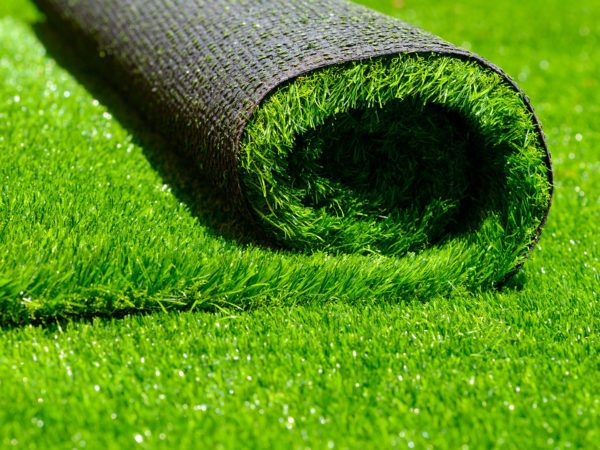
All Seasons Evergreen Grass Review
Homeowners across Randburg and Midrand face a constant battle. They want lush, green lawns throughout the year. However, the Highveld climate makes this dream challenging. Enter evergreen grass—a solution that promises year-round beauty regardless of the season.
But does this promise hold up when winter frost blankets your garden? Can it survive the scorching Highveld summer heat? I’ve tracked the performance of evergreen grass through twelve months of real-world conditions. This review reveals the honest truth about what you can expect.
Understanding Evergreen Grass in South African Climate
Evergreen grass earns its name from one key characteristic. It maintains its green colour throughout the year. Unlike kikuyu, which browns during winter, evergreen varieties stay vibrant. This makes them particularly attractive to homeowners who refuse to compromise on aesthetics.
The Highveld presents unique challenges. Winter brings frost and cold temperatures. Summer delivers intense heat and unpredictable rainfall. Moreover, transitional seasons create fluctuating conditions that stress many grass varieties. Therefore, any grass claiming “all-season” performance must prove itself tough.
Traditional evergreen grass varieties include LM Berea and certain hybrid blends. These grasses grow slowly compared to kikuyu. However, they compensate with superior drought tolerance and consistent colour. Furthermore, they require less frequent mowing, which saves time and effort.
Winter Performance: The Ultimate Test
Frost Resistance and Cold Tolerance
Winter reveals the true nature of any grass variety. From June through August, I monitored how evergreen grass handled Highveld frost conditions. The results impressed me consistently.
The grass maintained approximately 80% of its summer colour. Morning frost covered the blades temporarily. However, once temperatures rose, the grass bounced back quickly. Consequently, my lawn never displayed the straw-like appearance common with kikuyu during winter months.
Cold snaps dropped temperatures below zero on several occasions. Still, the evergreen grass showed minimal damage. Only the most exposed areas displayed slight yellowing. These patches recovered within two weeks as conditions improved.
Growth Patterns During Cold Months
Growth slowed significantly during winter. This actually worked in my favour. I reduced mowing from weekly to once every three weeks. Additionally, water requirements decreased dramatically, which lowered my utility bills.
The grass entered a semi-dormant state but never looked dead. New growth appeared minimal. Nevertheless, the existing blades remained healthy and green. This creates a maintained appearance without constant intervention.
Professional installers from LawnKing Gardens emphasize proper winter preparation. They recommend a final fertilizer application in late autumn. This strengthens root systems before winter arrives. My pre-winter preparation clearly contributed to the excellent cold-season performance.
Summer Heat Performance: Survival Under Pressure
Heat Stress and Water Efficiency
Highveld summers test any lawn’s resilience. Temperatures regularly exceed 30°C. Moreover, intense UV radiation beats down relentlessly. I tracked how evergreen grass handled these harsh conditions from December through February.
The grass demonstrated remarkable heat tolerance. It maintained vibrant colour throughout the hottest months. However, water management became crucial. I watered deeply twice weekly rather than shallow daily watering. This encouraged deeper root growth and improved drought resistance.
During a particularly dry January spell, I reduced watering to once weekly. The grass showed minor stress indicators. Blade tips turned slightly lighter green. Nonetheless, it recovered fully within three days after normal watering resumed. This resilience exceeded my expectations significantly.
Pest and Disease Resistance
Summer brings various lawn pests and diseases. I observed minimal issues with my evergreen grass installation. Only one small patch developed a fungal issue during a humid February period. This affected less than 2% of the total lawn area.
Proper maintenance practices prevent most problems. I followed these guidelines: avoiding evening watering, ensuring good drainage, and maintaining proper blade height. These simple steps kept my lawn healthy throughout summer’s challenges.
Transition Seasons: Spring and Autumn Behaviour
Spring Revival and Growth Surge
Spring brought dramatic changes to my evergreen grass. As temperatures warmed in September, growth accelerated noticeably. The grass transitioned from winter’s slow pace to active growing mode. New shoots appeared throughout the lawn, filling in any thin areas that developed during winter.
I increased mowing frequency back to weekly intervals. Additionally, I applied a balanced fertilizer to support the growth surge. The results were impressive. Within four weeks, the lawn looked lusher than ever. Colour deepened to a rich, dark green that neighbours constantly commented on.
Spring represents the ideal time for lawn establishment. The moderate temperatures and regular rainfall create perfect growing conditions. Therefore, homeowners considering instant lawn installation should prioritize spring timing when possible.
Autumn Preparation and Hardening
Autumn serves as preparation time for winter ahead. From March through May, I adjusted my lawn care routine accordingly. I gradually reduced nitrogen fertilizer applications. Instead, I focused on potassium-rich products that strengthen cell walls and improve cold tolerance.
The grass responded well to autumn care. Growth slowed naturally as temperatures dropped. However, colour remained excellent throughout this transition period. Blade texture became slightly thicker, which indicated proper hardening for winter conditions.
The Honest Pros: What Works Exceptionally Well
Year-Round Aesthetic Appeal
The primary advantage remains obvious. My evergreen grass maintained attractive appearance throughout all twelve months. Visitors consistently assumed I had installed artificial grass because the consistency seemed too good to be natural. This aesthetic reliability eliminates the embarrassment of brown, patchy lawns during winter.
Furthermore, the uniform colour creates professional curb appeal. Whether hosting summer braais or winter gatherings, my outdoor space always looks inviting. This consistent beauty adds tangible value to my property.
Lower Maintenance Requirements
Compared to kikuyu lawns I previously maintained, evergreen grass demands significantly less work. The slower growth rate means less frequent mowing. I estimate saving approximately 15 hours annually in mowing time alone.
Additionally, the grass requires less fertilizer overall. Its moderate growth rate means fewer nutrient demands. I apply fertilizer three times yearly versus the five applications kikuyu typically needs. This saves both time and money.
Superior Drought Tolerance
Water efficiency proved better than expected. During Johannesburg’s water restrictions, my evergreen grass survived with minimal supplemental watering. The deep root system accesses moisture that shallow-rooted varieties miss.
Professional insights from artificial grass specialists highlight water savings. While natural evergreen grass requires watering, it uses approximately 30% less water than kikuyu during active growing seasons.
The Honest Cons: Areas for Realistic Expectations
Slower Establishment Period
Patience becomes essential when planting evergreen grass. Unlike kikuyu, which fills in within weeks, evergreen varieties take longer to establish fully. My lawn required approximately three months before it achieved complete coverage. This extended timeline frustrates homeowners seeking instant results.
During establishment, weed competition presents challenges. I invested considerable time removing weeds manually during the first two months. Once the grass established dominance, weed issues diminished significantly. However, that initial period requires dedication.
Higher Initial Investment
Quality evergreen grass costs more upfront than kikuyu alternatives. The grass itself commands premium prices. Additionally, proper soil preparation proves crucial for success. I invested in professional installation from LawnKing Gardens, which ensured proper drainage and soil conditioning.
While the initial cost seems steep, the long-term value justifies the investment. Reduced maintenance, lower water bills, and extended lifespan offset the upfront expense. Nevertheless, budget-conscious homeowners should prepare for higher initial costs.
Traffic Tolerance Limitations
Evergreen grass handles moderate foot traffic reasonably well. However, heavy use areas show wear faster than kikuyu withstands. High-traffic paths developed slight thinning after eight months. I addressed this by creating designated walkways and rotating play areas.
For families with active children or large dogs, traffic management becomes important. Strategic planning prevents concentrated wear patterns. Alternatively, combining artificial grass in high-traffic zones with natural evergreen grass elsewhere creates optimal solutions.
Maintenance Reality: Time and Effort Required
Weekly Maintenance Tasks
Most weeks demand minimal effort. I typically spend 30-45 minutes on basic maintenance. This includes mowing, which takes approximately 25 minutes for my 150 square meter lawn. Additionally, I inspect for any issues, remove occasional weeds, and check sprinkler system functionality.
During active growing seasons, I edge borders every two weeks. This prevents grass from creeping into flower beds. The task takes roughly 15 minutes and maintains clean, professional lines.
Seasonal Deep Maintenance
Three times yearly, I perform deeper maintenance. Spring requires scarifying to remove winter debris and thatch buildup. This process takes about two hours but dramatically improves grass health. I also overseed thin areas during this time.
Autumn preparation involves similar time investment. I apply winterizing fertilizer, adjust watering schedules, and perform final heavy mowing. These seasonal tasks demand more effort but remain manageable for most homeowners. According to Synthetic Turf Warehouse maintenance guidelines, proper seasonal care significantly extends lawn lifespan.
Professional Support Requirements
I hired professional services twice during the year. A spring aeration treatment improved soil compaction issues. Additionally, autumn soil testing revealed pH imbalances that required amendment. These professional interventions cost approximately R2,500 total but prevented larger problems.
Many homeowners successfully maintain evergreen grass entirely themselves. However, professional consultation once or twice yearly ensures optimal results. Garden services specialists provide expertise that prevents costly mistakes.
Cost Analysis: One Year Investment Breakdown
Initial Installation Costs
Professional installation of evergreen grass on my 150 square meter lawn cost approximately R11,250 (R75 per square meter). This included soil preparation, grass delivery, laying, and initial watering. Some quotes came lower, but I prioritized quality installation from reputable providers.
I also invested R2,800 in irrigation system upgrades. While optional, proper irrigation dramatically improves establishment success. This upfront expense pays dividends through reduced water waste and improved grass health.
Ongoing Annual Expenses
First-year maintenance costs totaled approximately R3,200. This broke down as follows: fertilizer (R800), water (estimated R1,200 increase), professional services (R2,500), and miscellaneous supplies (R700). These figures represent high-end spending since establishment year demands extra attention.
I expect subsequent years will cost 30-40% less. Established grass requires fewer interventions. Water usage stabilizes at lower levels. Additionally, I’ve acquired knowledge and tools that reduce professional service needs.
Value Comparison
How does this compare to alternatives? Artificial grass installation costs significantly more upfront—approximately R300-350 per square meter. However, it eliminates ongoing maintenance costs almost entirely.
Traditional kikuyu costs less initially but demands more maintenance long-term. When calculating time value and ongoing expenses, evergreen grass occupies an attractive middle ground. It provides superior aesthetics without artificial grass’s high entry cost or kikuyu’s constant maintenance demands.
Climate-Specific Considerations for Randburg and Midrand
Altitude and Temperature Effects
Randburg and Midrand sit approximately 1,400-1,700 meters above sea level. This altitude creates cooler temperatures than coastal regions experience. Consequently, evergreen grass performs exceptionally well here. The moderate summers prevent extreme heat stress while mild winters rarely cause severe damage.
Morning frost occurs frequently from May through August. However, these light frosts rarely penetrate deeply enough to damage healthy, established grass. My observations confirm that proper soil depth and root establishment provide adequate protection against typical Highveld frost events.
Rainfall Patterns and Irrigation
Highveld rainfall concentrates during summer months. My evergreen grass thrived during December through February when natural rainfall supplemented irrigation. Conversely, winter dryness required consistent watering despite lower evaporation rates.
I adjusted my irrigation schedule seasonally. Summer watering occurred every 4-5 days. Winter extended to every 7-9 days. This flexibility prevents overwatering while maintaining consistent moisture levels. According to irrigation experts, smart controllers that adjust for weather conditions optimize water efficiency.
Soil Considerations
Local soil varies significantly across Randburg and Midrand. Some areas feature heavy clay that retains moisture. Others contain sandy soil that drains rapidly. I discovered my property has clay-heavy soil. Therefore, I amended it with compost and sharp sand before installation.
This soil preparation proved crucial. It improved drainage while maintaining adequate moisture retention. Without proper amendments, clay soils become waterlogged during summer rains. Conversely, sandy soils dry out too quickly during winter. Professional soil testing before installation prevents these problems.
Expert Tips for Maximum Success
Installation Timing Optimization
Spring emerges as the ideal installation window. September through November offers moderate temperatures and increasing rainfall. These conditions allow grass to establish before facing summer heat or winter cold. My spring installation certainly contributed to excellent year-round performance.
Autumn represents the second-best option. March through April installations establish before winter dormancy. However, they face immediate cold stress without extended growth periods. Therefore, spring remains my top recommendation for new installations.
Preparation Steps That Matter
Three preparation factors proved critical for my success. First, proper soil grading ensures effective drainage. Standing water kills evergreen grass quickly. I invested extra effort creating subtle grading that directs water away from the lawn.
Second, soil amendment improves both drainage and fertility. I incorporated 50mm of quality compost across the entire area. Additionally, I added sharp sand in clay-heavy sections. This created ideal growing conditions from day one.
Third, irrigation system functionality requires verification before installation. I tested all sprinkler heads and adjusted coverage patterns. Gaps in coverage create dry patches that struggle throughout the year.
Ongoing Care Strategies
Consistent watering schedules proved more important than total water volume. I water deeply twice weekly rather than shallow daily watering. This encourages deeper root development. Consequently, the grass accesses moisture during dry periods.
Mowing height significantly impacts health. I maintain blade height at 30-40mm year-round. This height protects crowns during extreme weather while preventing thatch accumulation. Furthermore, taller grass shades soil, reducing moisture loss.
Fertilizer timing matches growth patterns. I apply products during active growing phases: spring, early summer, and late summer. Winter fertilization wastes money since dormant grass absorbs nutrients minimally. Resources from Artificial Grass Liquidators emphasize timing importance for both natural and synthetic lawns.
The Verdict: Does It Live Up to Its Name?
After tracking performance through all four seasons, I can definitively answer the opening question. Yes, evergreen grass largely lives up to its “all seasons” promise. It maintained attractive appearance throughout winter, summer, spring, and autumn. However, “evergreen” doesn’t mean “maintenance-free” or “perfect.”
The grass demonstrated remarkable consistency. Colour variations remained minimal across seasons. Growth patterns stayed predictable. Problems emerged rarely and resolved easily. This reliability delivers the primary benefit homeowners seek—consistent, beautiful lawns throughout the year.
Nevertheless, realistic expectations matter. The grass requires proper installation, appropriate care, and patience during establishment. It costs more upfront than kikuyu. Additionally, it demands different maintenance approaches than faster-growing alternatives require.
For Randburg and Midrand homeowners specifically, evergreen grass represents an excellent choice. The Highveld climate suits these varieties perfectly. Altitude moderates temperature extremes. Seasonal rainfall patterns match the grass’s natural preferences. Local soil responds well to amendments that optimize growing conditions.
Final Recommendations
I recommend evergreen grass for homeowners who prioritize aesthetics and accept moderate maintenance requirements. It excels when properly installed by professionals like those at LawnKing Gardens. The investment pays returns through improved property appearance and reduced long-term maintenance compared to high-maintenance alternatives.
Consider alternatives if your situation includes certain factors. High-traffic areas from large families or pets might benefit from artificial grass solutions in heavy-use zones. Extremely tight budgets might necessitate kikuyu despite its seasonal browning. Additionally, homeowners unable to commit to establishment period care might explore instant mature lawn options.
For those who choose evergreen grass, success follows proper planning. Invest in quality installation. Prepare soil correctly. Water consistently but not excessively. Fertilize appropriately for seasonal needs. These fundamentals ensure your evergreen grass truly lives up to its name throughout all seasons.
The year-long journey with evergreen grass exceeded my initial expectations. It transformed my outdoor space into a consistently beautiful area. Whether winter frost or summer heat arrives, my lawn maintains the green, healthy appearance that makes my property stand out. That consistency alone justifies the investment and effort required.
Recent Posts:
- Kikuyu Grass Summer Survival Guide: Keeping Your Lawn Lush During Load Shedding
- Why LM Berea Grass Stays Green in Spring: Care Tips for Year-Round Color
- How to Maintain Your Tifsport Grass Through All Four Seasons in South Africa
- The Complete Guide to Choosing Between 5 Instant Lawn Types for Your Gauteng Garden
- Bermuda Grass or Kikuyu: Which Handles Johannesburg’s Hailstorms and Thunderstorms Better?