LM Berea Grass Care Guide
Homeowners in Randburg and Midrand consistently choose LM Berea grass when they want the perfect lawn solution. This indigenous South African grass variety maintains vibrant green color throughout all seasons. Moreover, it has earned its reputation as one of the most reliable options for creating stunning landscapes.
During spring months, LM Berea grass remains lush and appealing while other grass types struggle to establish their full beauty. Understanding why this grass maintains its verdant appearance during spring will transform your outdoor space. Additionally, learning the proper care techniques to sustain this color year-round creates a luxurious green sanctuary that becomes the envy of your neighborhood.
Whether you’re considering instant lawn installation or want to optimize your existing LM Berea grass, this comprehensive guide provides professional insights. Furthermore, these strategies will help you achieve the perfect lawn for your property.
Understanding LM Berea Grass and Its Natural Spring Resilience
What Makes LM Berea Grass Unique
Scientists know LM Berea grass as Dactyloctenium australe. This indigenous evergreen creeping perennial thrives in South African conditions. The grass variety originates from the coastal regions of KwaZulu-Natal and Mozambique. There, it adapted to flourish in diverse environmental conditions.
Consequently, the natural resilience of LM Berea grass makes it particularly well-suited for Gauteng properties. These include properties in Randburg, Midrand, Sandton, and surrounding northern suburbs.
How LM Berea Grass Stays Green During Spring
Several inherent biological characteristics enable LM Berea grass to stay green during spring. Unlike many introduced grass species that go dormant during cooler months, LM Berea grass maintains active growth throughout the year when you provide adequate care.
The grass forms a dense sward through its stoloniferous growth pattern. This means it spreads horizontally through above-ground runners. These runners quickly fill in bare patches and create a thick, continuous carpet of green.
Spring Conditions That Enhance LM Berea Grass
Spring in Gauteng brings optimal conditions for LM Berea grass to showcase its full potential. The combination of warming temperatures, increased rainfall, and longer daylight hours triggers vigorous growth in this grass variety.
The cellular structure of LM Berea grass contains higher concentrations of chlorophyll during active growth periods. This results in that deep, rich green color homeowners desire. Additionally, the grass’s moderate leaf width and slightly twisted leaf margins create a textured appearance. This texture catches light beautifully and enhances the visual appeal of the green color.
Natural Adaptation to Local Climate
The indigenous nature of LM Berea grass means it evolved to handle the specific challenges of South African climates. This includes the transition from winter to spring. While some grass varieties experience stress during temperature fluctuations, LM Berea grass adapts smoothly to these changes. Therefore, it maintains consistent color and vigor.
This adaptability makes it an excellent choice for properties with varying microclimates. These include areas with partial shade from buildings or established trees.
The Science Behind Year-Round Green Color in LM Berea Grass
Understanding Chlorophyll Production
Maintaining vibrant green color throughout the year requires understanding the physiological processes that govern grass health. LM Berea grass achieves its lasting green color through efficient photosynthesis, proper nutrient uptake, and effective water management systems within its cellular structure.
Furthermore, the grass’s ability to perform well in both full sun and shaded conditions sets it apart from many other lawn varieties. This makes it a versatile option for diverse landscape designs.
Chlorophyll production forms the foundation of any grass’s green color. LM Berea grass excels in this regard. The grass maintains active chlorophyll synthesis throughout most of the year when you provide adequate sunlight, water, and nutrients.
During spring, conditions become optimal. Chlorophyll production then reaches peak levels. This results in the intensely green appearance that makes lawns look professionally maintained. Moreover, the grass’s broad leaves provide ample surface area for photosynthesis. This ensures efficient energy production that supports healthy growth and color retention.
The Role of Nitrogen in Green Color
Nitrogen plays a crucial role in maintaining the green color of LM Berea grass. This essential macronutrient forms a primary component of chlorophyll molecules and proteins necessary for grass growth.
When LM Berea grass receives appropriate nitrogen levels through proper fertilization, it sustains the deep green color homeowners value. However, balanced nutrition proves equally important. Over-fertilization can lead to excessive growth, increased water requirements, and potential disease susceptibility.
Root System Efficiency and Color Retention
The root system of LM Berea grass efficiently absorbs water and nutrients from the soil, although it remains relatively shallow compared to some other varieties. This efficiency allows the grass to maintain color even during periods of moderate stress.
The creeping growth habit means the grass continuously sends out new growth points. Therefore, fresh, vibrant green leaves always emerge to replace older foliage. This regenerative capacity contributes significantly to the grass’s ability to maintain consistent color throughout the seasons.
How Soil pH Affects Grass Color
Proper soil pH directly influences the green color of LM Berea grass. This grass variety performs optimally in slightly acidic to neutral soils, typically within a pH range of six to seven.
When soil pH falls within this range, the grass can maximize nutrient availability. This allows it to access the iron, magnesium, and other micronutrients necessary for maintaining healthy green color. Regular soil testing and pH adjustment prevent the yellowing or pale green appearance that indicates nutrient deficiency.
Essential Spring Care Tips for Optimal LM Berea Grass Color
Why Spring Care Matters Most
Spring presents the perfect opportunity to implement care practices that ensure your LM Berea grass maintains vibrant green color throughout the year. The warming temperatures and increased moisture availability during this season create ideal conditions for establishing maintenance routines.
These routines promote healthy growth and stunning visual appeal. Professional care during spring sets the foundation for year-round lawn success. Consequently, these strategies will help you achieve exceptional results.
Proper Mowing Techniques for LM Berea Grass
Setting the Right Mowing Height
Mowing practices significantly impact the appearance and health of LM Berea grass. You should never cut this surface-running grass variety too short. Doing so can damage the stolons and expose the lawn to stress, weed invasion, and disease.
The optimal mowing height for LM Berea grass ranges from thirty-five to fifty millimeters. This height allows the grass to maintain adequate leaf surface for photosynthesis while developing a dense, carpet-like appearance.
Following the One-Third Rule
During spring, growth rates increase. Therefore, you may need to mow your LM Berea grass more frequently to maintain the desired height. Always follow the one-third rule. This means you should never remove more than one-third of the grass blade length in a single mowing session.
Cutting too much at once stresses the grass. It can result in a scalped appearance with brown patches that detract from the overall green color. Sharp mower blades prove essential for clean cuts that heal quickly. This prevents the ragged, brown-tipped appearance that dull blades cause.
Varying Your Mowing Pattern
The mowing pattern also deserves attention for maintaining an attractive LM Berea lawn. Vary your mowing direction with each session. This prevents the grass from developing a grain or leaning in one direction, which can create an uneven appearance.
This practice also ensures that stolons spread in all directions. As a result, it promotes denser coverage and richer green color. Leave grass clippings on the lawn after mowing. They decompose quickly and return valuable nutrients to the soil, which supports continued green color development.
Strategic Watering for Vibrant Green Color
Understanding Water Requirements
Water management proves critical for maintaining the lush green appearance of LM Berea grass throughout spring and beyond. While this grass variety demonstrates moderate drought tolerance once established, consistent moisture availability ensures optimal color and growth.
The shallow root system of LM Berea grass means it benefits from regular watering. This keeps the top soil layer consistently moist without becoming waterlogged.
Determining the Right Amount of Water
During spring, aim to provide your LM Berea grass with approximately twenty-five to thirty millimeters of water per week. You can achieve this through either rainfall or irrigation. Deep, infrequent watering encourages the grass to develop stronger root systems.
This approach works better than frequent, shallow watering that keeps moisture near the surface. Early morning watering works best. It allows grass blades to dry before evening, which reduces the risk of fungal diseases that can affect appearance and health.
Using Smart Irrigation Systems
Installing or upgrading to a smart irrigation system can significantly improve water efficiency. Meanwhile, it ensures your LM Berea grass receives consistent moisture for maintaining green color.
Modern irrigation controllers adjust watering schedules based on weather conditions, soil moisture levels, and seasonal requirements. Consequently, this eliminates the guesswork from lawn care. Proper irrigation not only maintains color but also reduces water waste and lowers maintenance costs over time.
Recognizing Water Stress Signs
Monitor your lawn for signs of water stress. These appear as a blue-gray tint to the grass or footprints that remain visible long after walking on the lawn. These indicators suggest the grass needs water to maintain its vibrant green color.
Conversely, waterlogged conditions can lead to yellowing, fungal growth, and root problems. These compromise grass health and appearance. Striking the right balance ensures your LM Berea grass maintains its characteristic deep green color throughout the year.
Spring Fertilization for Enhanced Green Color
Timing Your Spring Fertilization
Fertilization during spring provides LM Berea grass with the nutrients necessary for vigorous growth and intense green color. As temperatures warm and growth accelerates, the grass’s nutrient demands increase significantly.
A well-timed spring fertilization program replenishes soil nutrients depleted during the previous growing season. Furthermore, it supports the burst of growth that occurs during this period.
Choosing the Right Fertilizer
For LM Berea grass, a balanced fertilizer with a ratio such as three-one-two (nitrogen-phosphorus-potassium) provides appropriate nutrition for spring application. The higher nitrogen content supports leaf growth and green color development.
Meanwhile, phosphorus and potassium contribute to root development and overall plant health. Apply fertilizer at the recommended rate, typically around twenty to thirty grams per square meter. This avoids over-fertilization that can damage the grass or promote excessive growth requiring increased maintenance.
Benefits of Slow-Release Fertilizers
Slow-release fertilizers offer advantages for LM Berea grass maintenance. They provide a steady supply of nutrients over an extended period rather than a sudden burst that can stress the grass.
This gradual release supports consistent green color without the rapid growth spurts that necessitate more frequent mowing. Organic fertilizer options, such as compost or well-rotted manure, also provide valuable nutrients. Additionally, they improve soil structure and microbial activity.
Optimal Application Timing
Apply fertilizer when soil temperatures reach approximately fifteen degrees Celsius and the grass shows active growth. This typically occurs in early to mid-spring for Gauteng regions.
Avoid fertilizing during extremely hot, dry periods or when heavy rain forecasts predict storms. These conditions can lead to fertilizer burn or nutrient runoff that fails to benefit your lawn.
Addressing Common Challenges to LM Berea Grass Color
Why Problems Occur
Even with proper care, LM Berea grass may occasionally experience issues that affect its green color and overall appearance. Understanding these challenges and implementing appropriate solutions ensures your lawn maintains its vibrant appearance throughout spring and beyond.
Professional intervention from experts at LawnKing Gardens can address persistent problems. They can restore your lawn to optimal condition.
Managing Shade Conditions for Consistent Color
Understanding Shade Tolerance
LM Berea grass’s reputation for shade tolerance makes it an excellent choice for properties with mature trees or structures that create shadowed areas. However, even this adaptable grass variety requires adequate light for maintaining optimal green color.
In deep shade conditions, LM Berea grass may develop a lighter green appearance or thinner growth compared to areas receiving more sunlight. Managing these shade challenges involves both cultural practices and realistic expectations about grass performance.
Improving Light Penetration
For areas with moderate shade, selective tree pruning can increase light penetration to the lawn surface. This supports better color and density in LM Berea grass. Remove lower branches that cast dense shadows or thin tree canopies to allow dappled sunlight to reach the grass.
This provides sufficient energy for photosynthesis and green color development. Professional tree services can assess your property and recommend pruning strategies. These benefit both your trees and lawn.
Adjusting Maintenance in Shaded Areas
In heavily shaded areas where improving light levels proves impossible, adjust your maintenance practices. This helps LM Berea grass perform optimally within available conditions.
Raise the mowing height in shaded areas. This provides more leaf surface for capturing limited light, which supports better photosynthesis and color retention. Additionally, reduce foot traffic in shaded zones. This prevents compaction and stress that can further compromise grass health and appearance in challenging growing conditions.
Considering Alternatives for Deep Shade
For extremely shaded locations where even LM Berea grass struggles to maintain acceptable appearance, consider alternatives. These include shade-tolerant ground covers or professional artificial grass installation.
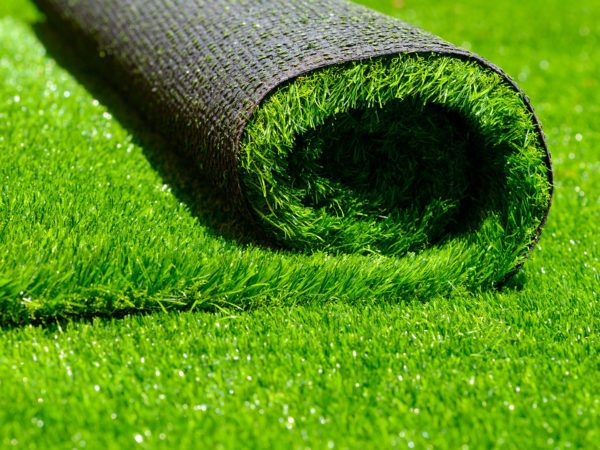
High-quality artificial grass maintains perfect green color regardless of light conditions. Therefore, it offers a practical solution for areas where natural grass faces insurmountable challenges while still creating an attractive outdoor environment.
Preventing and Treating Discoloration Issues
Identifying Nutrient Deficiencies
Yellowing or browning of LM Berea grass indicates underlying issues that require attention to restore vibrant green color. Nutrient deficiencies, particularly nitrogen and iron, commonly cause yellowing in grass. This results in a pale or chlorotic appearance that detracts from lawn aesthetics.
Conduct a soil test to identify specific nutrient deficiencies. This allows targeted treatment that addresses the root cause rather than applying unnecessary amendments.
Treating Iron Deficiency
Iron deficiency specifically causes a yellowing pattern where grass blades show green veins with yellow tissue between them. Experts call this condition interveinal chlorosis. This issue often occurs in alkaline soils where iron becomes less available to plants.
Apply iron chelate or acidifying soil amendments to correct this deficiency. This restores the deep green color characteristic of healthy LM Berea grass. Results typically appear within a few weeks as new growth emerges with proper coloration.
Managing Fungal Diseases
Fungal diseases occasionally affect LM Berea grass. They create brown patches or rings that interrupt the uniform green appearance. These issues often develop during periods of high humidity, excessive moisture, or poor air circulation around grass plants.
Improve drainage, adjust watering practices to promote faster drying, and ensure adequate spacing for air movement. These steps help prevent fungal problems. When diseases do occur, appropriate fungicide applications and cultural modifications typically restore grass health and color.
Controlling Pest Damage
Pest damage can also compromise LM Berea grass color and appearance. Various insects, including lawn caterpillars and beetle larvae, feed on grass roots or blades. This creates irregular brown patches or thinning areas.
Regular lawn inspections help detect pest problems early when treatment proves most effective. Integrated pest management strategies combine cultural practices with targeted treatments when necessary. This controls pest populations while minimizing environmental impact and supporting healthy green grass.
Seasonal Maintenance Calendar for Year-Round LM Berea Grass Color
Why Seasonal Adaptation Matters
Maintaining consistent green color in LM Berea grass throughout the year requires adapting care practices to seasonal conditions and growth patterns. Following a structured maintenance calendar ensures your lawn receives appropriate attention during each season.
This supports optimal health, appearance, and color retention. Consequently, this approach transforms lawn care from a reactive process of addressing problems to a proactive strategy. This strategy prevents issues before they impact grass quality.
Spring Maintenance Focus
Early Spring Assessment and Preparation
Spring represents the most critical period for establishing practices that support year-round green color in LM Berea grass. Begin the season with a thorough lawn assessment. Identify areas that need attention such as bare patches, compacted soil, or drainage issues.
Early spring provides an excellent opportunity for core aeration if soil compaction has occurred. This improves water infiltration and root development that support vibrant green color.
Weed Prevention Strategies
Apply pre-emergent weed control in early spring before soil temperatures trigger weed seed germination. Preventing weed establishment maintains the uniform green appearance of your LM Berea lawn. It also eliminates competition for water and nutrients that could compromise grass health.
Follow label directions carefully to ensure products work appropriately for use on LM Berea grass. Apply at the correct timing for maximum effectiveness.
Mid to Late Spring Topdressing
Mid to late spring proves ideal for topdressing LM Berea grass with a thin layer of quality compost or screened soil. This practice introduces organic matter that improves soil structure. It also enhances nutrient availability and supports beneficial microbial activity.
Topdressing also helps level minor surface irregularities. Furthermore, it provides a favorable environment for new stolon development. This promotes denser coverage and richer green color. Work the topdressing material into the grass canopy with a rake or by dragging a piece of flexible fencing across the lawn surface.
Summer Through Winter Considerations
Summer Heat Management
As summer progresses, adjust your LM Berea grass care to address heat stress and increased water demands. Maintain consistent moisture levels through regular irrigation, as discussed earlier. Avoid fertilization during extreme heat periods that could stress the grass.
Continue regular mowing at appropriate heights. Consider raising cutting height slightly during the hottest weeks. This provides extra protection for grass crowns and maintains green color under challenging conditions.
Autumn Preparation for Winter
Autumn presents another opportunity for fertilization. This prepares LM Berea grass for winter and supports early spring green-up. A fall application of fertilizer with moderate nitrogen content helps the grass store nutrients for the cooler months ahead.
This ensures it emerges from winter with vigor and color. This timing also takes advantage of favorable growing conditions. Temperatures moderate and moisture levels typically increase in many Gauteng areas.
Winter Protection and Minimal Intervention
Winter maintenance for LM Berea grass focuses on minimal intervention and protection from unnecessary stress. Reduce foot traffic on the lawn, particularly when frost appears. Walking on frozen grass can damage plant tissues and create brown footprints that persist until spring growth begins.
Continue monitoring moisture levels. Winter drought can stress LM Berea grass despite its relative dormancy during this period. While growth slows significantly, maintaining adequate soil moisture supports plant health and faster spring recovery.
Comparing LM Berea Grass to Alternative Lawn Solutions
Making Informed Decisions
When selecting the optimal lawn solution for your Randburg or Midrand property, understand how LM Berea grass compares to alternatives. This helps you make an informed decision that meets your specific needs, preferences, and site conditions.
Each lawn type offers distinct advantages and considerations. Evaluating these factors ensures you choose the option that provides the best combination of appearance, maintenance requirements, and long-term satisfaction.
LM Berea Grass Versus Other Natural Grass Varieties
Comparing Shade Tolerance and Growth Habits
LM Berea grass occupies a unique niche among South African lawn grasses. It offers superior shade tolerance compared to popular alternatives like Kikuyu grass. Meanwhile, it maintains a more refined appearance than some other shade-adapted varieties.
Kikuyu grass, while extremely hardy and wear-resistant, tends to be more invasive. It requires aggressive management to prevent it from spreading into garden beds and other areas. LM Berea grass, with its less aggressive growth habit, provides easier containment. Nevertheless, it still offers excellent coverage and wear tolerance for family lawns.
Evaluating All Seasons Evergreen Grass
All Seasons Evergreen grass represents another alternative worth considering for year-round color. This blend typically combines multiple grass species to provide consistent appearance across varying conditions. While effective, these blends may lack the specific shade tolerance that makes LM Berea grass particularly valuable.
This matters for properties with mature landscaping or architectural features creating shadowed areas. LM Berea grass’s indigenous nature also means it requires less intervention to thrive in local conditions. This contrasts with introduced species that may struggle with South African climate variations.
Understanding Establishment Timeframes
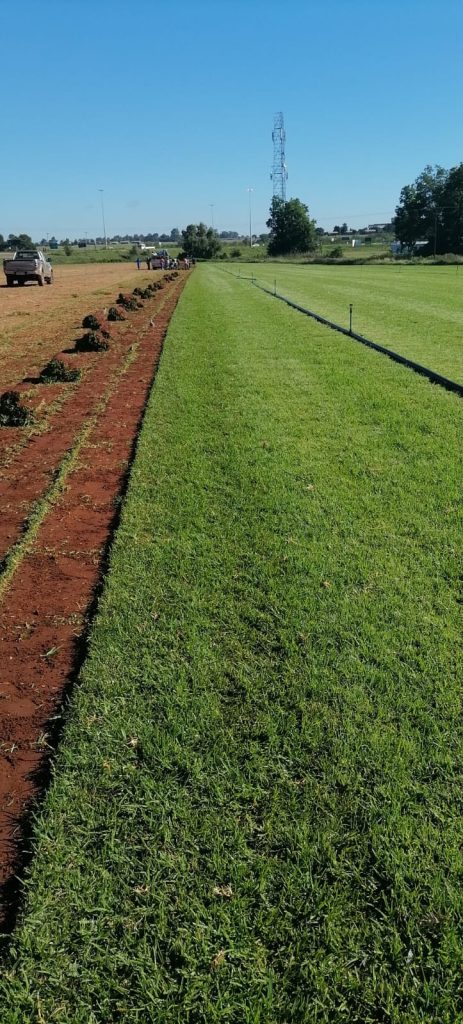
The initial establishment period for LM Berea grass deserves consideration when comparing options. Installing instant LM Berea lawn from a quality supplier provides immediate results. This transforms bare soil into an established green lawn within days.
This instant gratification, combined with proper post-installation care, means you can enjoy vibrant green color throughout spring and beyond. You avoid the extended waiting period that establishing grass from seed or sprigs requires.
Natural LM Berea Grass Versus Artificial Turf Options
Weighing Aesthetic and Practical Benefits
The decision between natural LM Berea grass and artificial turf involves weighing different priorities and practical considerations for your specific situation. Natural LM Berea grass provides authentic appearance, pleasant natural texture underfoot, and environmental benefits.
These benefits include oxygen production, temperature moderation, and soil erosion prevention. The living grass responds to seasons. It offers the subtle color variations and growth patterns that many homeowners value as part of their outdoor living experience.
Advantages of Artificial Grass
Artificial grass from LawnKing Gardens offers compelling advantages for specific applications. This proves particularly true in areas where natural grass faces challenges or where maintenance requirements become burdensome.
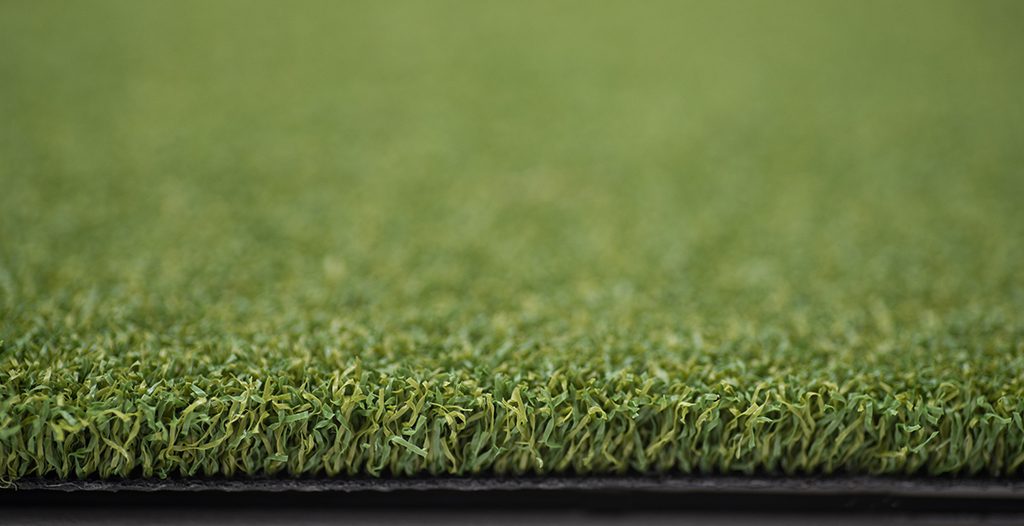
High-quality synthetic turf maintains perfect green color year-round regardless of shade, drought, or heavy use. Therefore, it eliminates concerns about seasonal variations or stress-related discoloration. For busy families or individuals with limited time for lawn maintenance, artificial grass provides an attractive, low-maintenance alternative. It requires no mowing, fertilizing, or irrigation.
Comparing Long-Term Costs
Cost considerations differ between these options over various timeframes. Natural LM Berea grass typically involves lower initial installation costs. This especially applies when compared to premium artificial turf products.
However, ongoing maintenance expenses for natural grass accumulate over years of ownership. These include water, fertilizers, equipment, and time investment. Artificial grass requires higher upfront investment but dramatically reduces long-term maintenance costs. Consequently, it potentially offers better value for some property owners over extended periods.
Environmental Impact Considerations
Environmental considerations also factor into this comparison. Natural LM Berea grass actively contributes to ecosystem health through photosynthesis. It provides habitat for beneficial organisms and natural cooling effects that reduce urban heat island impacts.
Artificial grass eliminates water consumption and chemical inputs associated with lawn maintenance. However, it involves petroleum-based manufacturing and eventual disposal considerations. For environmentally conscious property owners, supporting local instant lawn suppliers who cultivate grass sustainably provides an eco-friendly option. Companies like LawnKing Gardens maintain living green spaces through sustainable practices.
Professional Installation and Maintenance Services
Benefits of Expert Support
While homeowners can manage many aspects of LM Berea grass care with proper knowledge and commitment, professional services provide valuable expertise and efficiency. This applies to both installation and ongoing maintenance.
Partnering with experienced lawn care specialists ensures your investment in LM Berea grass delivers maximum value. This occurs through optimal establishment, consistent appearance, and long-term health that supports vibrant green color throughout every season.
Expert Instant Lawn Installation for Immediate Results
Why Professional Installation Matters
Professional instant lawn installation transforms your property rapidly. It provides an established LM Berea grass lawn that begins delivering visual impact immediately. This eliminates the need for months of establishment from seed.
The expertise that companies like LawnKing Gardens in Randburg offer ensures proper site preparation, quality turf selection, and correct installation techniques. These promote rapid rooting and seamless integration of turf sections for a uniform, professional appearance.
Comprehensive Site Preparation
Professional site preparation includes assessing and addressing drainage issues. It also involves correcting soil pH when necessary, removing debris and weeds thoroughly, and grading the surface. This ensures proper water flow away from structures.
This foundation work, while often overlooked by inexperienced installers or DIY approaches, makes the difference between success and struggle. It determines whether a lawn thrives for years or faces persistent challenges requiring costly intervention. Professional installers understand the specific requirements of LM Berea grass. Therefore, they prepare sites accordingly.
Ensuring Turf Quality and Freshness
The quality of instant lawn turf varies significantly between suppliers. Professional installers source their products from reputable farms that maintain optimal growing conditions. These farms harvest turf at the ideal stage of development.
Fresh turf installation, completed within hours of harvesting, provides the best establishment results. Experienced installers also ensure turf sections lay with tight seams and appropriate staggering patterns. Immediate watering prevents stress and supports rapid rooting for consistent green color development.
Ongoing Maintenance Programs for Sustained Excellence
Advantages of Professional Maintenance
Establishing a relationship with professional lawn maintenance services provides peace of mind. Your LM Berea grass receives consistent, expert care tailored to seasonal requirements and specific site conditions.
Comprehensive maintenance programs typically include regular mowing at appropriate heights and frequencies. They also feature scheduled fertilization based on grass needs and soil conditions, irrigation system monitoring and adjustment, and proactive problem identification. This occurs before issues become severe.
Access to Professional Equipment and Products
Professional maintenance services also provide access to commercial-grade equipment and products. These may prove impractical for individual homeowners to purchase and maintain. Professional-grade mowers deliver superior cutting quality compared to typical residential equipment. This promotes better grass health and appearance.
Access to professional-grade fertilizers, soil amendments, and treatment products ensures your LM Berea grass receives optimal care. This care benefits from the latest advances in turfgrass management.
Expert Knowledge and Early Problem Detection
The knowledge and experience that professional maintenance companies bring to your property proves invaluable. Trained technicians recognize subtle signs of stress, disease, pest activity, or nutrient deficiency. They identify these long before these issues become visible to untrained observers.
Early intervention prevents minor problems from developing into major aesthetic or health issues. These would compromise the green color and overall appearance you value in your LM Berea lawn.
Making Your Decision: Creating the Perfect Green Space
Understanding Your Options
Achieving and maintaining vibrant green color in LM Berea grass throughout spring and beyond requires understanding the grass’s natural characteristics. It also involves implementing appropriate care practices and making informed decisions about installation and maintenance approaches.
Whether you choose to manage your lawn independently or partner with professional services, this comprehensive guide empowers you. It helps you create the outdoor space you envision for your Randburg or Midrand property.
Why Choose LM Berea Grass
The indigenous nature of LM Berea grass, combined with its exceptional shade tolerance and year-round color potential, makes it an outstanding choice for South African gardens. This grass variety rewards proper care with consistent performance. It requires less intensive management than many alternatives while delivering superior aesthetic results in conditions where other grasses struggle.
For properties with varied light conditions, mature landscaping, or family members who value both appearance and usability, LM Berea grass provides an ideal solution.
Taking Action This Spring
Spring represents the optimal season for establishing new LM Berea grass or implementing improved care practices for existing lawns. The favorable growing conditions during this period support rapid establishment, vigorous growth, and intense green color development. This sets the stage for year-round satisfaction.
Whether you’re considering instant lawn installation, renovating tired existing turf, or simply optimizing your maintenance approach, spring offers the best opportunity. You can achieve exceptional results that enhance your property’s value and your outdoor living enjoyment.
Getting Professional Support
For expert guidance, quality instant LM Berea lawn, or professional artificial grass solutions that provide year-round green color, contact LawnKing Gardens. They serve Randburg, Midrand, and surrounding Gauteng areas.
Their experienced team provides personalized consultations, competitive pricing, and professional installation. This ensures your outdoor space achieves the beautiful, vibrant green appearance you desire throughout every season.
Transform Your Property Today
Transform your property with the enduring beauty of LM Berea grass. Discover why this indigenous variety continues to be the preferred choice for discerning homeowners. These homeowners value both aesthetics and practicality.
With proper care informed by the strategies outlined in this guide, your lawn will maintain its lush green color from spring through winter. It provides a stunning backdrop for outdoor activities, enhances your property’s curb appeal, and creates the inviting outdoor environment that makes your house truly feel like home.
About LawnKing Gardens
LawnKing Gardens specializes in instant lawn installation, artificial grass solutions, irrigation systems, and tree services. They serve Randburg, Midrand, and surrounding Gauteng areas as a premier landscaping company. With over 16 years of industry experience, their qualified experts deliver uncompromised excellence in every project. Contact LawnKing Gardens at 068 474 7303 or visit lawnking.co.za for a free consultation and quote.
External Resources:
- Royal Horticultural Society – Lawn Care Calendar
- University of California Agriculture – Lawn Management
Recent Posts:
- How to Maintain Your Tifsport Grass Through All Four Seasons in South Africa
- The Complete Guide to Choosing Between 5 Instant Lawn Types for Your Gauteng Garden
- Bermuda Grass or Kikuyu: Which Handles Johannesburg’s Hailstorms and Thunderstorms Better?
- LM Berea Grass vs All Seasons Evergreen: The Ultimate Lawn Showdown
- Tifsport vs Kikuyu Grass: Which Instant Lawn Is Best for Johannesburg’s Summer Heat?