Shade-Loving Lawns
Every October, thousands of jacaranda trees transform Johannesburg into a purple paradise. These magnificent trees create one of the city’s most iconic seasonal displays. However, they present a unique challenge for homeowners trying to maintain lush, green lawns beneath their expansive canopies.
If you’ve struggled to grow healthy grass under your jacaranda trees in Randburg, Midrand, or anywhere across Johannesburg’s northern suburbs, you’re not alone. The key to success lies in choosing the right shade-tolerant grass variety. This grass must thrive despite limited sunlight.
At Lawn King Gardens, we’ve spent over sixteen years helping Johannesburg homeowners transform shaded spaces into verdant green sanctuaries. Through extensive experience installing instant lawn in Randburg and surrounding areas, we’ve discovered which grass varieties perform best under jacaranda tree shade. In this comprehensive guide, we’ll compare three popular grass options and reveal which one truly excels in low-light conditions.
Understanding the Jacaranda Shade Challenge
Why Growing Grass Under Jacarandas Proves Difficult
Before we dive into specific grass varieties, you need to understand why growing lawn under jacaranda trees presents such a challenge. Jacaranda trees, with their broad, spreading canopies, create varying degrees of shade throughout the day and across seasons.
During summer, when these trees reach full leaf, they block up to sixty to seventy percent of available sunlight. This filtered, dappled shade means grass underneath receives significantly less light than lawn growing in open, sunny areas.
Additional Competition Factors
Furthermore, the challenge extends beyond just shade. Jacaranda trees compete directly with grass for water and nutrients in the soil. They draw resources through their extensive root systems.
Additionally, the fallen flowers, leaves, and seed pods create a barrier. This barrier prevents sunlight from reaching the grass. It may also harbor moisture that encourages fungal growth.
Despite these challenges, you can create a beautiful lawn under jacaranda trees. Success comes when you select the right grass variety specifically bred for shade tolerance.
Kikuyu Grass: The Sun-Lover’s Struggle in Shade
Why Kikuyu Grass Dominates South African Gardens
Kikuyu grass has long been a favorite across South Africa. This hardy variety demonstrates remarkable durability, aggressive growth rate, and ability to withstand heavy foot traffic. It creates a dense, weed-resistant lawn that recovers quickly from damage. This makes it ideal for family gardens and high-traffic areas.
However, when it comes to growing under jacaranda trees, Kikuyu grass faces significant limitations. Homeowners need to consider these carefully.
Kikuyu’s Light Requirements
Kikuyu grass fundamentally loves the sun. It requires at least six to eight hours of direct sunlight daily to maintain its characteristic lush, green appearance and vigorous growth.
In full sun, this grass thrives magnificently. It spreads rapidly through its runner system. Consequently, it creates that enviable carpet-like lawn texture.
However, when you plant it under the canopy of jacaranda trees, Kikuyu grass struggles considerably. With only thirty to forty percent of available sunlight reaching the ground beneath mature jacarandas, Kikuyu grass experiences stunted growth. You’ll notice thinning patches and a general decline in health and vitality.
Performance in Moderate Shade
In moderate shade conditions where some sunlight penetrates during certain times of the day, Kikuyu grass may survive. Nevertheless, it will never achieve the thick, luxurious growth it produces in full sun.
The grass becomes leggy as it stretches toward available light. This creates an uneven, sparse appearance rather than the dense mat homeowners desire.
During winter months when jacarandas go dormant and allow more light through, Kikuyu grass may show some recovery. Unfortunately, the summer growing season coincides with when jacarandas display full leaf. This timing means grass most needs sunlight for optimal photosynthesis and growth precisely when it receives the least.
Best Use Cases for Kikuyu
For properties with jacaranda trees, Kikuyu grass works best in specific areas. Choose areas where the tree canopy remains sparse or where morning or afternoon sun consistently reaches the ground for several hours daily.
However, for those deeply shaded areas directly under the center of the canopy, Kikuyu grass simply isn’t the right choice. Property owners in Ferndale, Linden, or Bryanston who have installed Kikuyu grass under jacarandas often find themselves disappointed with the results. This happens despite proper watering and fertilization regimes.
LM Berea Grass: The Shade Champion
Why LM Berea Dominates Shaded Areas
When it comes to growing grass under Johannesburg’s beloved jacaranda trees, LM Berea grass stands out as the undisputed champion of shade tolerance. Breeders specifically developed this sophisticated grass variety for South African conditions with shade tolerance as a primary objective. This makes it the ideal choice for properties dominated by large trees like jacarandas.
Unlike its sun-loving counterparts, LM Berea grass possesses a unique ability. It thrives with as little as forty percent of available sunlight. Moreover, it tolerates up to sixty percent shade coverage while still maintaining healthy, attractive growth.
The Science Behind LM Berea’s Shade Success
The secret to LM Berea grass’s exceptional shade performance lies in its biological adaptation. This grass variety has evolved to maximize photosynthesis efficiency under low-light conditions. Its leaves capture and utilize limited sunlight more effectively than other grass species.
The blades tend to be slightly broader than Kikuyu grass. This provides greater surface area for light absorption. Additionally, the plant’s metabolism has adapted to function optimally with reduced light levels.
This means that even in the deep shade beneath a mature jacaranda’s summer canopy, LM Berea grass continues to photosynthesize. It grows and maintains its vibrant green color consistently.
Additional Benefits Beyond Shade Tolerance
Beyond its remarkable shade tolerance, LM Berea grass offers several additional advantages. These make it perfect for upscale Johannesburg properties.
The grass creates a fine-textured, elegant lawn with a softer feel underfoot compared to the coarser Kikuyu grass. Its deep green color remains consistent throughout the growing season. This provides a prestigious, manicured appearance that complements the architectural sophistication of homes in Sandhurst, Hyde Park, and other distinguished suburbs.
Furthermore, the grass grows at a moderate pace. This means less frequent mowing compared to aggressive Kikuyu grass. Its relatively low maintenance requirements make it attractive to homeowners who prefer a beautiful lawn without constant upkeep.
Performance in Mixed Light Conditions
LM Berea grass performs particularly well in the mixed light conditions that jacaranda trees create. In areas where morning sun penetrates before afternoon shade takes over, or where dappled light filters through the canopy throughout the day, this grass variety truly excels.
During winter months when jacaranda trees drop their leaves and allow more light through, LM Berea grass takes advantage of the increased sunlight. It strengthens its root system in preparation for the following growing season. This seasonal adaptation makes it perfectly suited to Johannesburg’s climate and the growth patterns of jacaranda trees.
The Investment Value
The investment in LM Berea grass pays dividends for homeowners struggling with shaded areas. While it may cost more per square meter than Kikuyu grass, the long-term success and reduced maintenance requirements make it economically sensible. This holds especially true for properties with significant tree coverage.
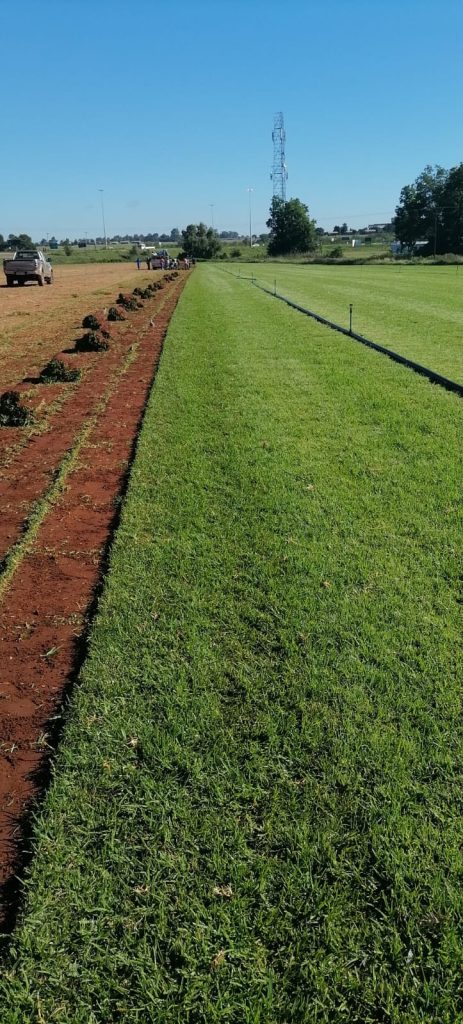
At Lawn King Gardens, we’ve installed countless square meters of LM Berea instant lawn in shaded gardens across Randburg. The results consistently exceed homeowner expectations.
Properties that previously had bare patches or struggling grass under jacarandas transform dramatically. They become lush, green landscapes that remain beautiful throughout the year.
All Seasons Evergreen Grass: The Versatile Alternative
Understanding the Evergreen Blend
All Seasons Evergreen grass occupies an interesting middle ground between sun-loving Kikuyu grass and shade-tolerant LM Berea grass. This variety consists of a carefully balanced mixture of summer-growing and winter-growing grass species.
The blend creates a lawn that maintains year-round greenness regardless of seasonal temperature changes. The mixture typically includes species like perennial ryegrass, fescues, and sometimes small amounts of Kikuyu grass. Each component contributes different characteristics to create a versatile, resilient lawn option.
The Year-Round Green Advantage
The primary advantage of All Seasons Evergreen grass lies in its name. It maintains consistent green appearance throughout every season.
While pure Kikuyu grass may brown during colder Johannesburg winters and even LM Berea grass shows some seasonal color variation, Evergreen grass remains verdant year-round. This continuous green color results from the blend of grass species. Cool-season varieties stay active during winter months. Meanwhile, warm-season components thrive during summer.
For homeowners who prioritize aesthetic consistency and cannot tolerate any seasonal browning, this characteristic makes Evergreen grass highly appealing.
Shade Tolerance Performance
When it comes to shade tolerance under jacaranda trees, All Seasons Evergreen grass demonstrates moderate capability. It performs better in shade than Kikuyu grass. However, it doesn’t quite match the exceptional low-light performance of LM Berea grass.
The mixed nature of Evergreen grass means some component species handle shade better than others. This creates somewhat uneven results depending on which species dominate in any particular area of the lawn.
In light to moderate shade where approximately fifty to sixty percent of sunlight penetrates, Evergreen grass can maintain acceptable growth and appearance. However, in deep shade directly under the densest parts of jacaranda canopies where light levels drop below fifty percent, Evergreen grass struggles similarly to Kikuyu grass.
Best Applications for Mixed Conditions
The versatility of Evergreen grass makes it valuable for properties with mixed light conditions. If your garden includes both sunny open areas and moderately shaded sections under jacarandas, Evergreen grass can perform adequately across both zones.
This eliminates the need to install different grass varieties in different areas. The uniform appearance throughout the property appeals to many homeowners who prefer visual consistency.
The grass also demonstrates good wear resistance. It recovers reasonably well from damage, though not as aggressively as Kikuyu grass.
Maintenance Considerations
Maintenance requirements for All Seasons Evergreen grass fall somewhere between Kikuyu and LM Berea grass. The growth rate stays moderate. This requires regular but not excessive mowing.
The blend of species tends to resist certain pests and diseases better than monoculture lawns. However, the mixed composition does mean that fertilization and watering need careful management. You must ensure all component species receive adequate nutrition without overfeeding any one type.
In shaded areas, Evergreen grass benefits from slightly higher nitrogen applications. This compensates for reduced photosynthesis. Nevertheless, you must take care not to encourage disease in the lower light, potentially more humid conditions under tree canopies.
When Evergreen Makes Sense
For Johannesburg homeowners specifically dealing with jacaranda trees, Evergreen grass works best as a compromise solution. Consider it when budget constraints prevent installing specialized shade-tolerant varieties like LM Berea grass in shaded zones and sun-loving varieties elsewhere.
It provides acceptable results across varying light conditions rather than optimal results in any specific situation. Properties in areas like Northcliff, Fairland, or Boskruin with scattered jacaranda trees creating patchy shade patterns might find Evergreen grass offers the practical versatility they need.
Making the Right Choice for Your Johannesburg Property
Factors to Consider
Selecting the ideal grass variety for your jacaranda-shaded garden ultimately depends on several factors. These factors remain specific to your property and priorities.
The density of your tree canopy plays a crucial role. Consider the amount of sunlight that penetrates at various times of day. Your budget, maintenance expectations, and aesthetic preferences all contribute to the decision.
Understanding these factors helps ensure your investment in instant lawn creates a beautiful, sustainable landscape. This landscape will thrive for years to come.
The Clear Winner for Dense Shade
For properties with mature jacaranda trees creating dense, consistent shade throughout the growing season, LM Berea grass remains the clear winner. Its exceptional shade tolerance, elegant appearance, and proven performance under South African jacarandas make it worth the higher initial investment.
Homeowners in prestigious Johannesburg suburbs who demand a consistently beautiful lawn regardless of challenging growing conditions should look no further than LM Berea grass. The variety performs magnificently in those difficult under-canopy areas where other grasses fail. Consequently, it transforms previously problematic spaces into lush green carpets.
Strategic Combination Approach
If your property features mixed lighting conditions, consider a strategic approach. Some areas receive full sun, some remain shaded, and transitional spaces fall in between.
A combination of different grass varieties might deliver optimal results. Installing LM Berea grass specifically in the heavily shaded areas under jacarandas while using Kikuyu grass in full-sun zones creates a tailored solution. This maximizes each variety’s strengths.
This approach requires more planning and slightly higher installation costs. However, the long-term results justify the investment through superior performance in all areas of your garden.
The Middle-Ground Solution
For homeowners prioritizing year-round green color and working with moderate shade conditions, All Seasons Evergreen grass offers a viable middle-ground solution. While it won’t match LM Berea’s shade performance or Kikuyu’s sun-loving vigor, it provides acceptable results across varying conditions.
It includes the added benefit of consistent seasonal color. This versatility makes Evergreen grass particularly suitable for rental properties or situations where simplified maintenance takes priority over optimized performance.
Budget Realities
Budget considerations also influence grass selection. While Kikuyu grass represents the most economical option per square meter, installing it in shaded areas where it will struggle creates false economy. Poor results and potential replacement costs negate the initial savings.
The moderate price increase for Evergreen grass or the higher cost of LM Berea grass becomes economically sensible when you consider several factors. Superior performance, reduced maintenance requirements, and longer lifespan make these varieties deliver better value in challenging conditions.
Expert Installation and Care Tips from Lawn King Gardens
Soil Preparation Essentials
Successfully establishing any grass variety under jacaranda trees requires more than simply selecting the right species. Proper installation, initial care, and ongoing maintenance significantly influence whether your lawn thrives or merely survives.
At Lawn King Gardens, our sixteen years of experience installing instant lawns across Randburg and surrounding areas have taught us valuable lessons. We gladly share these insights about creating successful shaded lawns with Johannesburg homeowners.
Foundation Work Matters
Soil preparation forms the foundation of any successful lawn installation. However, it becomes particularly critical in shaded areas.
Jacaranda trees extract considerable nutrients and moisture from the soil. This means the ground beneath them often becomes depleted over time.
Before installing instant lawn, we recommend testing your soil pH and nutrient levels. Then amend the soil accordingly. Adding quality compost improves soil structure. It enhances moisture retention and provides slow-release nutrients that support both grass and tree health.
In compacted areas where jacaranda roots dominate the surface layer, careful cultivation helps. You must work without damaging major roots to create space for grass roots to establish.
Optimal Installation Timing
Timing your lawn installation strategically enhances success rates under jacaranda trees. The optimal installation window occurs during early spring. This happens just as temperatures warm but before jacaranda trees develop their full summer canopy.
This timing allows instant lawn to establish strong root systems. It benefits from increased light availability and moderate temperatures.
Installing during autumn as jacaranda trees begin losing leaves also works well. This gives grass several months of improved light conditions to develop robust roots before facing the challenge of full summer shade.
Water Management Strategies
Water management requires special attention for grass growing under jacaranda trees. While shade reduces evaporation and might suggest reduced watering needs, remember that jacaranda roots actively compete with grass for available moisture.
Newly installed instant lawn under trees needs consistent watering to establish roots. You must adjust irrigation schedules to account for both reduced evaporation from shade and increased competition from tree roots.
Deep, infrequent watering encourages grass roots to grow downward rather than staying shallow. This helps them access moisture below the primary jacaranda root zone.
However, exercise caution about overwatering. Reduced air circulation and sunlight in shaded areas can promote fungal diseases if the lawn remains constantly wet.
Fertilization for Shade Conditions
Fertilization practices must adapt for shade conditions. Grass growing in reduced light produces less energy through photosynthesis. This means it utilizes nutrients somewhat differently than grass in full sun.
We recommend using a balanced fertilizer with a slightly higher nitrogen ratio. This compensates for reduced photosynthetic capacity. However, apply it at reduced rates compared to sunny areas to avoid promoting excessive soft growth. Soft growth becomes susceptible to disease.
Slow-release fertilizers work particularly well under jacarandas. They provide steady nutrition without the feast-or-famine cycles that stress shade-growing grass.
Mowing Height Optimization
Mowing height significantly impacts shade grass health. Grass in low-light conditions benefits from maintenance at the taller end of the recommended height range for its variety.
Taller grass blades provide greater surface area for capturing limited sunlight. This supports better photosynthesis and overall plant health.
For LM Berea grass under jacarandas, maintaining a mowing height of forty to fifty millimeters makes a difference. This proves better than scalping down to thirty millimeters. It creates a noticeable improvement in lawn vigor and appearance.
Always ensure your mower blades stay sharp. Clean cuts heal faster and resist disease better than tears from dull blades. This becomes particularly important in the potentially more humid environment under tree canopies.
Managing Jacaranda Debris
Managing fallen jacaranda debris requires regular attention during blooming and leaf-drop seasons. While a light scattering of purple flowers creates Instagram-worthy photos, thick accumulations cause problems.
Allowing flowers, leaves, and seed pods to remain on your lawn blocks sunlight. It traps moisture and encourages fungal problems.
Regular light raking or using a leaf blower to clear debris keeps your grass healthy. It prevents the formation of dead patches. This maintenance becomes particularly important during October and November when jacaranda blooms fall prolifically.
When Natural Grass Isn’t the Answer: The Artificial Alternative
Recognizing Extreme Shade Situations
Despite best efforts with shade-tolerant varieties, some Johannesburg properties face extreme shade conditions. Maintaining healthy natural grass becomes impractical in these situations.
Multiple large jacaranda trees creating deep, year-round shade, combined with heavy foot traffic or challenging soil conditions, sometimes create impossible environments. Even the most shade-tolerant grass struggles here.
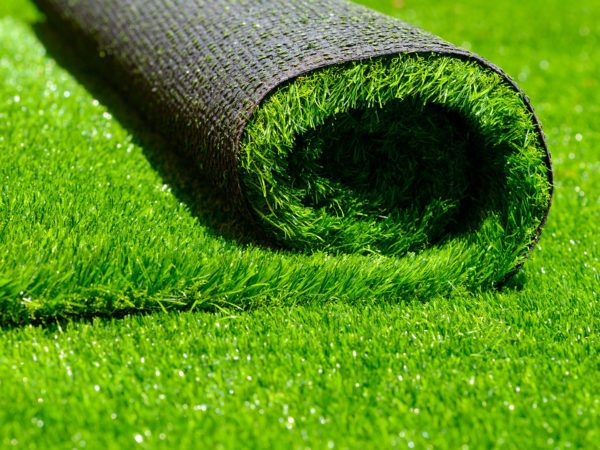
In these situations, property owners need not resign themselves to bare earth or perpetually struggling lawns. Modern artificial grass solutions from Lawn King Gardens offer an attractive, maintenance-free alternative. This remains green and beautiful regardless of shade levels.
Modern Artificial Grass Realism
Today’s premium artificial grass bears little resemblance to the obviously fake, plastic-looking products of decades past. Advanced manufacturing techniques create synthetic turf with remarkable realism.
These products feature varied blade heights, multiple green tones, and thatch layers that mimic natural grass convincingly. When professionals install quality artificial grass in shaded areas under jacaranda trees, it creates lush green spaces. These remain beautiful year-round without the challenges of maintaining natural grass in difficult conditions.
The solution works particularly well in courtyards, entertainment areas, or side yards. These locations experience deep shade that makes natural grass nearly impossible.
Maintenance-Free Benefits
Artificial grass eliminates the ongoing maintenance demands that natural grass requires. No mowing, fertilizing, or complex watering schedules means more time enjoying your outdoor space. You spend less time maintaining it.
In shaded areas where natural grass requires careful attention to stay healthy, artificial grass simply stays green and attractive. It remains beautiful regardless of neglect.
The durability of modern synthetic turf also handles foot traffic far better than struggling shade grass. This makes it ideal for frequently used areas under pergolas or outdoor entertainment spaces shaded by jacaranda canopies.
Strategic Landscape Integration
For Johannesburg homeowners considering artificial grass, understanding perspective helps. It represents a different aesthetic choice rather than a last resort.
While nothing truly replicates the feel and experience of natural grass, high-quality synthetic turf creates attractive, functional green spaces. It works in locations where natural grass faces insurmountable challenges.
Many property owners choose strategic combinations. They install natural grass in areas with adequate sunlight while using artificial grass in deeply shaded zones or high-traffic areas. This creates landscapes that balance aesthetics, functionality, and practicality.
Transform Your Shaded Garden with Expert Help
Success Is Within Reach
Creating a beautiful, thriving lawn under Johannesburg’s iconic jacaranda trees doesn’t require magical powers or endless frustration. With the right grass variety matched to your specific shade conditions, proper installation techniques, and appropriate ongoing care, even challenging shaded areas can flourish.
These spaces become lush green areas that enhance your property’s beauty and value. The key lies in understanding that shade-growing grass requires different varieties and care approaches compared to traditional sun-loving lawns. Then you implement those strategies with patience and consistency.
Partner with the Experts
At Lawn King Gardens, we specialize in transforming difficult landscaping situations into stunning successes. Our team has extensive experience assessing shade conditions, recommending appropriate grass varieties, and professionally installing instant lawns.
These lawns thrive in challenging environments across Randburg, Midrand, and throughout Johannesburg’s northern suburbs. Whether you need LM Berea grass for heavily shaded areas, a combination approach using different varieties in different zones, or advice on maintaining existing grass under your jacaranda trees, our experts provide the knowledge and service you need.
Take the Next Step
We invite you to visit our online store to explore our complete range of instant lawn varieties and artificial grass options. Alternatively, contact us directly for a personalized consultation about your specific property.
Our team can assess your jacaranda shade situation and recommend the optimal grass variety. We provide transparent pricing for supply and installation. Additionally, we answer any questions you have about creating the beautiful lawn you’ve envisioned.
Transform those challenging shaded areas from frustration into pride with expert help from Johannesburg’s trusted instant lawn specialists.
Get Started Today
Don’t let jacaranda shade prevent you from enjoying a beautiful lawn. Contact Lawn King Gardens today at 068 474 7303 or visit us online to discover how we can help you create the perfect shade-loving lawn for your Johannesburg property.
From Ferndale to Sandhurst, from Northcliff to Bryanston, we’ve helped countless homeowners overcome the jacaranda shade challenge. We’re ready to help you achieve the same success.
Looking for more information about grass varieties and lawn care? According to the University of Florida’s Environmental Horticulture Department, understanding tree shade patterns helps determine appropriate plantings beneath them. The Royal Horticultural Society also provides excellent resources about selecting shade-tolerant grass varieties for challenging garden conditions.
Recent Posts:
- Best Instant Lawn for High-Traffic Areas: Tifsport vs Bermuda Grass for Active Families
- All Seasons Evergreen Grass: Does It Really Live Up to Its Name? A Year-Long Review
- Kikuyu Grass Summer Survival Guide: Keeping Your Lawn Lush During Load Shedding
- Why LM Berea Grass Stays Green in Spring: Care Tips for Year-Round Color
- How to Maintain Your Tifsport Grass Through All Four Seasons in South Africa