Artificial Turf for Hockey Fields
Elite schools across Johannesburg’s premier suburbs are making a decisive shift. They’re replacing traditional grass hockey fields with advanced artificial turf systems. This transformation delivers consistent playing conditions while addressing critical water management concerns.
Why Leading Schools Choose Artificial Turf for Hockey Fields
The decision to install artificial turf for hockey fields stems from multiple practical factors. Johannesburg’s water challenges have forced educational institutions to rethink their approach to sports facilities. Meanwhile, schools need surfaces that meet international standards and provide year-round playability.
St John’s College, St Mary’s School, and King Edward VII School represent just a few institutions that recognize these benefits. They understand that modern hockey demands precision surfaces that natural grass simply cannot provide consistently.
The Johannesburg Water Crisis Connection
Water scarcity drives many infrastructure decisions in Gauteng. Traditional grass hockey fields consume thousands of liters weekly. Furthermore, they require constant irrigation during dry winter months when hockey season peaks.
Sports turf solutions eliminate this concern entirely. Schools install water-based systems that require minimal irrigation only during play. This approach reduces water consumption by up to 90% compared to natural grass alternatives.
Educational administrators now prioritize sustainability alongside performance. Therefore, artificial turf for hockey fields addresses environmental responsibility while maintaining elite playing standards.
Understanding FIH Standards for Hockey Surfaces
The International Hockey Federation sets rigorous benchmarks for competitive play. Schools investing in premium facilities must meet these standards to prepare athletes adequately.
Global and National Category Requirements
FIH certifies four distinct field categories, with water-based Global surfaces designed for top-level national and lower international competitions. These surfaces provide the fastest ball speeds and most consistent bounce characteristics.
Elite schools typically choose between two main systems:
Water-Based Systems deliver the fastest gameplay. They require pre-match watering to activate optimal sliding properties. Players experience lightning-quick ball movement that mirrors Olympic-level conditions.
Sand-Dressed Systems offer excellent durability with moderate water requirements. These surfaces suit schools running multiple sports programs. They balance performance with practical maintenance considerations.
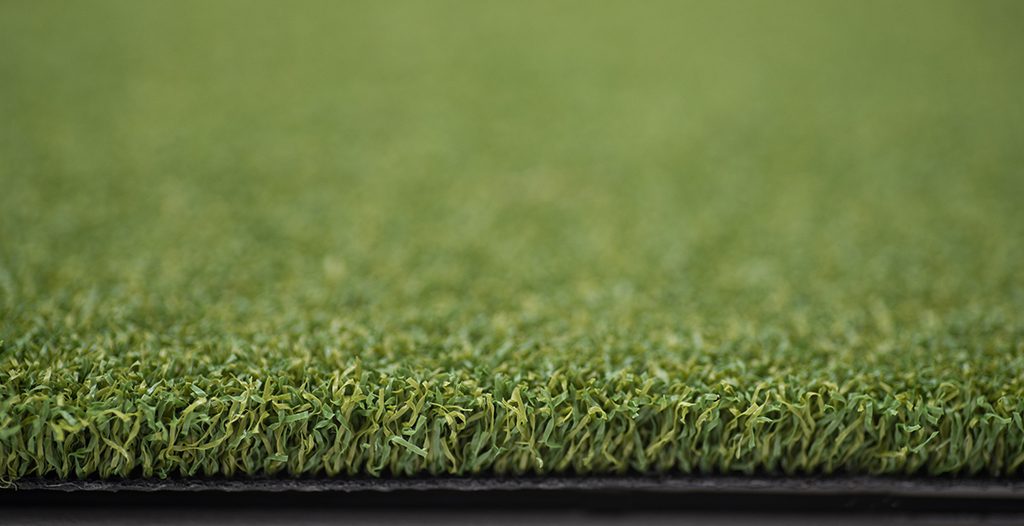
Professional hockey surfaces incorporate specific pile heights between 12mm and 18mm. This precise range ensures balls roll smoothly while players maintain confident footing.
Performance Metrics That Matter
FIH testing evaluates several critical factors. Ball roll distance measures how far a hockey ball travels across the surface under standardized conditions. Ball rebound height determines how predictably balls bounce during aerial play.
Additionally, surface hardness impacts player safety during falls. Modern artificial turf for hockey fields balances these elements expertly. Athletes train on surfaces that replicate match-day conditions consistently.
Ball Speed Consistency Across Seasons
Natural grass deteriorates rapidly under intensive use. Bare patches develop along shooting lanes. Uneven growth creates unpredictable ball behavior. Seasonal weather changes compound these problems further.
Artificial turf eliminates these variables completely. Players experience identical ball speeds whether practicing in April or competing in August. This consistency accelerates skill development dramatically.
Training Advantages for Student Athletes
Coaches structure drills knowing surface response remains constant. Passing accuracy improves when players trust the playing surface. Shot placement becomes more predictable as ball behavior stays uniform.
Schools installing artificial grass for school sports fields report measurable improvements in team performance. Athletes develop muscle memory that translates directly to competitive matches.
Moreover, practice schedules become more flexible. Teams train regardless of weather conditions. Rain doesn’t create muddy patches that force cancellations.
Player Safety Features Built Into Modern Systems
Student welfare drives every facility decision at elite schools. Parents and administrators demand surfaces that minimize injury risks while maximizing performance.
Advanced Shock Absorption Technology
Modern artificial turf for hockey fields incorporates specialized underlayers. These shock pads reduce impact forces during falls by up to 40%. Athletes recover faster from tackles and slides.
The systems also provide consistent traction patterns. Players won’t encounter slippery mud patches or loose divots. Ankle and knee injuries decrease when footing remains predictable.
Hockey turf installations include proper drainage systems that prevent water pooling. Standing water creates hazardous conditions that quality synthetic surfaces eliminate completely.
Temperature Management Considerations
Johannesburg’s altitude moderates extreme heat compared to coastal regions. However, summer afternoon temperatures still demand attention. Premium artificial turf systems incorporate cooling technologies that reduce surface temperatures significantly.
Lighter color selections reflect more solar radiation. Infill materials now include temperature-reducing additives. These innovations keep playing surfaces comfortable even during midday practices.
Installation Excellence in Rosebank and Parktown
Geographic location influences installation requirements. Rosebank and Parktown sit on Johannesburg’s northern ridges where soil composition varies considerably.
Site Preparation Requirements
Professional installers assess drainage patterns before breaking ground. Highveld clay soils require extensive base preparation. Poor drainage leads to surface failure within months.
Artificial turf installation specialists excavate existing grass and topsoil completely. They establish compacted stone bases that provide stable foundations. Proper grading ensures water flows away from playing areas efficiently.
Additionally, perimeter edging systems keep turf secured permanently. These borders prevent lifting during temperature fluctuations. They also create clean sight lines that enhance visual appeal.
Timeline and Disruption Management
Schools coordinate installations during holiday breaks. A standard hockey field conversion takes 3-4 weeks from excavation to completion. Planning minimizes disruption to academic calendars and sports schedules.
Quality contractors maintain strict project timelines. They understand schools need facilities operational for specific seasons. Therefore, they structure work phases to meet critical deadlines consistently.
Long-Term Value and Maintenance Efficiency
Initial investment costs concern financial decision-makers understandably. However, lifecycle analysis reveals compelling economic advantages for artificial turf for hockey fields.
Cost Comparison Over 10 Years
Natural grass fields require constant inputs. Weekly mowing, fertilization programs, pest control, irrigation systems, and seasonal overseeding accumulate quickly. Maintenance staff dedicate significant hours to field upkeep.
Artificial surfaces reduce these ongoing expenses dramatically. Schools eliminate mowing completely. Fertilizers and pesticides become unnecessary. Water bills drop by thousands of Rands monthly.
Artificial grass maintenance involves weekly brushing and periodic deep cleaning. These tasks take minimal time compared to natural grass care routines.
Durability That Justifies Investment
Premium hockey turf systems last 10-15 years with proper care. They withstand 40+ hours of weekly use without significant degradation. Natural grass requires complete renovation every 2-3 years under similar usage patterns.
Furthermore, synthetic surfaces maintain appearance throughout their lifespan. Schools avoid embarrassing bare patches visible in aerial photographs. Prospective families touring campuses see immaculate facilities year-round.
Why Rosebank, Parktown, and Houghton Schools Lead This Trend
These established suburbs host Johannesburg’s most prestigious educational institutions. Schools compete fiercely for top students and athletes. Facilities directly impact enrollment decisions and sporting success.
Competitive Advantage in School Sports
Inter-school hockey competitions attract significant attention in these communities. Teams training on inferior surfaces face disadvantages when competing against schools with premium facilities. Parents recognize this disparity when selecting schools.
Moreover, provincial and national selectors notice which schools consistently produce skilled players. Quality training environments correlate directly with athlete development. Therefore, schools invest in facilities that give students every possible advantage.
Artificial grass in Randpark Ridge and surrounding areas demonstrates this commitment to excellence. Educational institutions understand facility quality reflects overall institutional standards.
Meeting Modern Parent Expectations
Contemporary parents research extensively before choosing schools. They evaluate facilities alongside academic programs. Hockey-playing families specifically assess field quality during campus visits.
Schools showcasing FIH-standard artificial turf signal serious athletic commitment. They demonstrate willingness to invest significantly in student experiences. This message resonates powerfully with prospective families.
Environmental Stewardship Through Smart Choices
Elite schools embrace sustainability as core institutional values. They teach environmental responsibility while modeling these principles through operational decisions.
Water Conservation Impact
Johannesburg faces recurring water restrictions. Schools consuming excessive water for sports fields attract criticism justifiably. Artificial turf for hockey fields demonstrates environmental leadership.
A single natural grass hockey field uses approximately 150,000 liters monthly during growing season. Synthetic alternatives reduce this to minimal maintenance watering. Schools redirect saved water toward essential campus needs.
Additionally, eliminating chemical treatments protects groundwater quality. Fertilizers and pesticides don’t leach into soil when schools use artificial surfaces. This approach aligns with broader sustainability commitments.
Reduced Carbon Footprint
Maintenance equipment generates significant emissions. Mowers, trimmers, and irrigation pumps burn fuel or consume electricity continuously. Synthetic turf eliminates most mechanical maintenance entirely.
Schools reduce their carbon footprints measurably through this single facility upgrade. They quantify these benefits in sustainability reports that enhance institutional reputation.
Choosing the Right Artificial Turf System
Not all synthetic hockey surfaces perform equally. Schools must understand technical specifications before making investment decisions.
Water-Based vs Sand-Dressed Comparisons
Water-based surfaces are primarily used for international and top-level national competitions. They provide fastest ball speeds and smoothest playing characteristics. However, they require consistent pre-match watering.
Sand-dressed systems offer practical advantages for schools managing multiple sports. They accommodate training loads that exceed 50 hours weekly. Maintenance requirements stay manageable even with intensive use.
Elite schools with dedicated hockey programs typically choose water-based systems. Institutions running diverse sports programs often prefer sand-dressed versatility.
Pile Height and Density Considerations
Pile height dramatically affects gameplay. Shorter piles (12-14mm) create faster surfaces that reward skilled players. Taller piles (16-18mm) slightly slow ball speed while providing cushioning.
Density matters equally. Higher stitch rates create more durable surfaces with consistent ball roll. 25mm artificial grass options demonstrate how pile specifications impact performance across applications.
Schools should consult experienced suppliers who understand hockey-specific requirements. Generic sports turf rarely meets FIH standards for competitive play.
Installation Process and Timeline Expectations
Understanding installation phases helps schools plan effectively. Proper execution determines long-term performance and durability.
Phase One: Site Assessment and Preparation
Professional installers evaluate existing conditions thoroughly. They test soil composition, measure drainage patterns, and identify underground utilities. This groundwork prevents costly surprises during construction.
Excavation follows assessment. Contractors remove existing grass, topsoil, and unsuitable base materials. They establish proper elevations that promote water runoff. Precision at this stage determines whether surfaces drain effectively long-term.
Phase Two: Base Construction and Turf Installation
Crushed stone bases get compacted in layers. Each layer receives testing to verify density standards. Inadequate compaction leads to settling that damages turf surfaces later.
Once bases cure, installers position turf rolls carefully. They align fiber directions consistently across the field. Seams receive specialized treatment that makes joints virtually invisible.
Phase Three: Infill Application and Final Preparation
Sand infill gets distributed evenly across the surface. Specialized equipment brushes fibers upright while working material into the pile. This process determines final playing characteristics.
Testing verifies the surface meets FIH performance standards. Ball roll distances, rebound heights, and hardness measurements must fall within specified ranges. Schools receive certification documentation upon successful completion.
Maintenance Programs That Protect Your Investment
Artificial turf for hockey fields requires regular care despite reduced maintenance compared to grass. Proper programs extend lifespan and maintain playing quality.
Weekly Maintenance Requirements
Brushing removes debris and keeps fibers upright. Power brooms work most efficiently for large areas. This task takes 30-40 minutes weekly for standard hockey fields.
Infill redistribution prevents compaction in high-traffic zones. Goalmouth areas and center midfield receive heaviest use. Regular leveling maintains consistent playing characteristics across the entire surface.
Seasonal Deep Cleaning
Professional cleaning services remove accumulated contaminants twice yearly. Specialized equipment extracts particles that regular maintenance misses. This process refreshes appearance and optimizes performance.
Additionally, seam inspections identify potential issues before they worsen. Early repairs cost far less than extensive damage remediation. Preventive maintenance protects schools’ substantial investments effectively.
Conclusion: Leading Schools Set the Standard
Elite educational institutions in Rosebank, Parktown, and Houghton recognize artificial turf for hockey fields as essential infrastructure. These surfaces deliver consistent performance, enhance player safety, and address environmental concerns simultaneously.
Schools choosing premium systems meeting FIH standards position their hockey programs for sustained success. They provide athletes with training environments that develop skills transferable to provincial and national competition.
Moreover, they demonstrate institutional commitment to sustainability through dramatic water conservation. This leadership resonates with environmentally conscious families selecting schools for their children.
The transformation happening across Johannesburg’s premier schools reflects broader trends in sports facility management. Natural grass no longer meets demands of modern hockey programs. Artificial turf for hockey fields represents the present and future of elite school athletics.
Contact LawnKing Gardens today to discuss how premium artificial turf systems can transform your school’s hockey program. Our specialists understand FIH requirements and deliver installations that exceed expectations consistently.