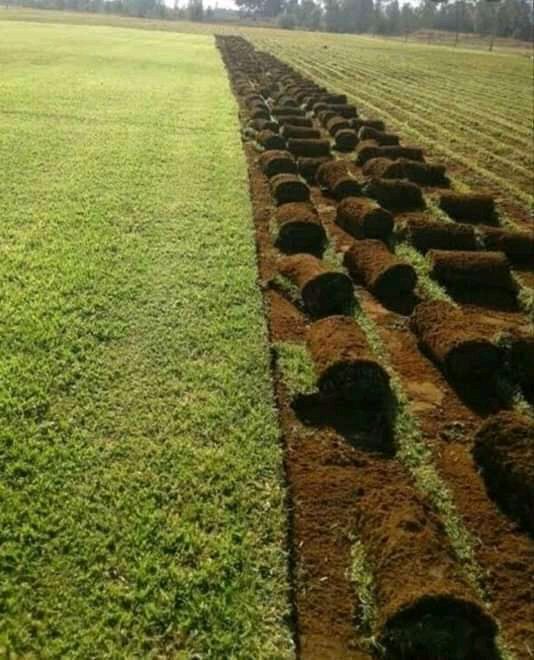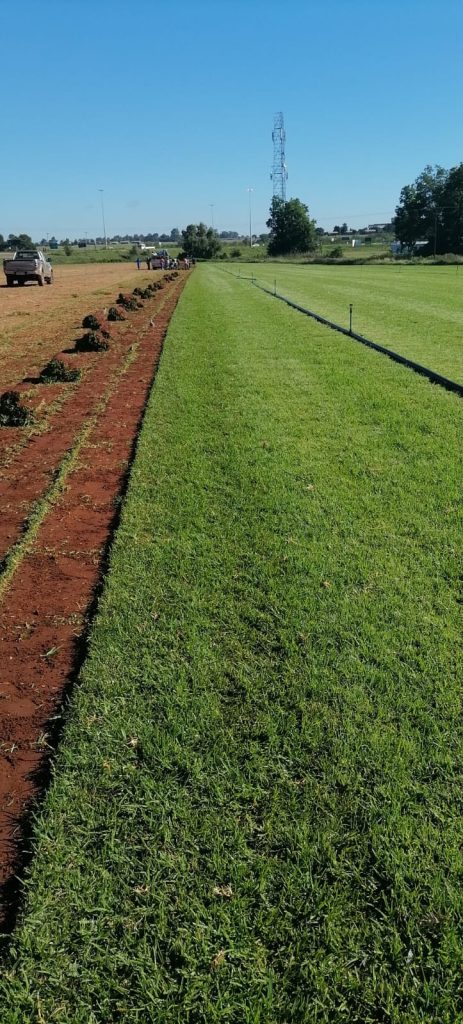
Kikuyu Grass Installation in Johannesburg
If you’re considering installing Kikuyu grass Instant Lawn in the Randburg or Midrand area, timing is one of the most critical factors for success. Weather, soil temperature, moisture, and lawn care resources all play into how well the turf establishes, how quickly it recovers from stress, and how much work is needed in the early months. In this article we’ll compare Spring vs Autumn installation windows in the Johannesburg region, and explain which is “better” under different circumstances. LawnKing, based locally, has a wealth of experience installing and caring for Kikuyu lawns here in Gauteng, so we’ll draw on their guidance plus global best-practice.
What is Kikuyu Grass & How It Behaves in Johannesburg
Kikuyu (Pennisetum clandestinum) is a warm-season grass species, well suited to Johannesburg’s climate: hot summers, mild winters with periodic frost, and moderate rainfall (higher in summer).
Some key traits:
-
Fast growth in warm seasons; it recovers quickly from damage, erosion, or wear.
-
Enters dormancy in cold (frosty) and/or dry periods. In many cases the grass will brown in winter but resume active growth once conditions warm. LawnKing’s product description of Kikuyu Instant Lawn notes this: “it is normally dormant in areas that experience frost and will reshoot at the first sign of spring.” LawnKing Gardens
-
Tolerant of drought, disease, heavier foot traffic, etc., though like all lawns it needs good soil preparation, watering, mowing, and pest/weed control. LawnKing has several blog posts on caring for pests and doing lawn dressing. LawnKing Gardens+2LawnKing Gardens+2
What Spring Installation Offers
In Johannesburg, spring typically spans September to November. As temperatures begin to rise, daylight increases, and soil warms up—creating good conditions for Kikuyu to establish.
Advantages of installing in Spring:
-
Warm soil, increasing moisture. Soil temperatures are rising which helps root growth. Rainfall tends to pick up, helping with irrigation without placing the burden entirely on artificial watering.
-
Long growing season ahead. From spring through summer, Kikuyu has its main growth period. Installing in spring gives the lawn its best chance to develop a strong root system, cover fully, and settle before winter dormancy.
-
Better recovery. If any damage happens (due to birds, pests, mistakes), the warm period ahead allows faster recovery.
-
Less risk of frost damage during initial establishment phase, as the sensitive root/shoot system will be more robust by the time colder weather arrives.
Challenges or disadvantages:
-
Spring can bring more variable weather: sometimes heavy rains can lead to soil compaction or washing. The soil may still be a bit cold early in spring for instant lawn or seed.
-
More initial watering is required to establish the lawn before consistent rain kicks in.
-
Weed pressure may be higher (weeds are growing too), so more effort required in weed control during establishment.
LawnKing’s “Lawndressing Kikuyu Grass in Spring” post provides specific tips about aeration, soil preparation and fertilisation for lawns being established or rejuvenated in spring. LawnKing Gardens
What Autumn Installation Offers
Autumn in Johannesburg generally runs March to May. As summer heat begins to wane, conditions moderate.
Advantages of installing in Autumn:
-
Moderate temperatures, less heat stress. The intense summer heat has passed, so the lawn establishment phase is under milder conditions which reduces stress on young turf.
-
Rainfall may still be sufficient depending on the year, with less risk of drought stress. Soil is still warm from summer, which is helpful for growth (especially root growth).
-
Reduced weed competition compared to spring: many seasonal weeds slow down as temperatures drop, making it easier for the Kikuyu to get a foothold without being crowded out.
-
Less mowing pressure / maintenance in early establishment, since growth rates are still good but not as explosive as midsummer.
Challenges or disadvantages:
-
As winter approaches, your lawn has less time to establish before colder/dormant period sets in. If roots and shoots are not strong by then, lawn might suffer browning (though this is normal for Kikuyu).
-
Risk of early frost damage during the tail end of autumn if installation is too late, especially if young shoots are exposed.
-
Less daylight and cooler nights may slow growth, so things like mowing, fertilising etc. need to be carefully managed.
LawnKing’s “Kikuyu Grass Installation in Randburg: Complete Cost Breakdown and Timeline” resource mentions that autumn installations, typically from March to May, provide ideal growing conditions with moderate temperatures and increasing rainfall patterns. LawnKing Gardens+1
Which is Better for Randburg & Midrand?
Given both seasons’ pros and cons, what is the best time for Randburg and Midrand? The answer depends on your priorities, schedule, and resources.
Here are some guidelines:
-
If your priority is fast establishment and a very full, lush lawn before the next winter, then spring is generally better. It allows more time to heal, grow, and strengthen.
-
If you prefer to avoid the worst of summer heat, reduce watering and maintenance stress, or you have limited access to turf or labour during summer, then autumn can be a very good alternative.
-
If installing in early autumn (March to early April), you get a “sweet spot”: the soil is warm, days are still long, rainfall still fairly reliable, and the heat stress is waning.
-
Avoid installing too late in autumn because you risk not having enough warmth for roots to establish deeply before winter, which can lead to weak lawns that suffer from cold stress, frost, or even winter pests/fungal issues.
Best Practices Regardless of Season
Whichever season you choose, to maximise success, you’ll want to follow best installation and maintenance practices. LawnKing emphasises several in its blog posts and product / service offerings:
-
Site preparation: remove weeds, grade/level, test and adjust soil (‘Lawndressing’). LawnKing does site prep as part of Instant Lawn service. LawnKing Gardens+1
-
Soil amendments and drainage: ensure soil is loose, with good organic matter; avoid compaction.
-
Adequate irrigation: newly laid Kikuyu needs moisture; watering schedules vary through seasons.
-
Fertilisation: when grass is actively growing (spring or autumn), apply suitable starter fertiliser, including nitrogen to promote green-up and root growth.
-
Mowing & weed control: mow often enough to prevent thatch, but avoid scalping. Control weeds early so they don’t outcompete the young turf. LawnKing’s “Detection of Lawn Pests and Lawn Pest Control” and “Why Choose Kikuyu Grass for Instant Lawn” are useful resources. LawnKing Gardens+1
-
Timing your first major interventions: e.g. aeration, topdressing, and fertiliser boosts should be scheduled when the lawn has settled (not immediately after laying). LawnKing’s “Lawndressing Kikuyu Grass in Spring” gives guidance. LawnKing Gardens
Summary Comparison: Spring vs Autumn for Kikuyu Installation
| Factor | Spring (Sept-Nov) | Autumn (Mar-May) |
|---|---|---|
| Soil Temperature / Warming Soils | Improving, warming; good for root growth | Still warm from summer but cooling gradually |
| Rainfall / Moisture | Increasing rainfall, but early spring may still be dry | Often moderate rainfall after summer; moisture more dependable |
| Risk of Heat Stress on Young Grass | High if installation in late spring as summer approaches | Lower heat stress; milder daytime temps |
| Establishment Time Before Winter | Plenty of time if early-to-mid spring | More limited time; risk if too late in autumn |
| Weed Pressure | High (many weeds germinate in warm conditions) | Lower than spring but depends on area and rainfall |
| Frost Risk During Establishment | Lower | Risk increases as winter comes closer if installed too late |
| Maintenance Requirements | High (watering, mowing, pest control) | Moderate; still demands attention but less extreme stress |
Conclusion: What We Recommend for LawnKing Customers
For homeowners in Randburg and Midrand considering Kikuyu grass Instant Lawn, here’s a recommendation:
-
Best overall time: Early spring, ideally from mid-September to late October, is most reliable for achieving a strong, lush Kikuyu lawn by summer and to withstand winter dormancy without issues.
-
Good alternative: Early to mid-autumn (March to early April) works well if you cannot install in spring, particularly if you can ensure good moisture, protect against early frost, and carry out strong site prep.
-
Times to avoid: Very late autumn (May onward), midwinter, or the height of summer unless you have reliable irrigation and willing maintenance, because of risks (frost, heat stress, slow establishment).
LawnKing’s Instant Lawn services, especially their Kikuyu Grass (Instant Lawn) – 1m² offer, include soil preparation, weed removal, fertilisation, etc. LawnKing Gardens+1 Working with experts who know local soils, water schedules, frost patterns, will greatly reduce risk.
Recent Posts:
- LM Berea Grass Installation: Is It Worth the Extra Cost in Randburg?
- Why Sandton Garden Centres Recommend LM Grass Over Kikuyu for Shaded Areas
- The Ultimate Guide to Kikuyu Grass Care for Johannesburg Home Owners
- LM Grass vs Artificial Grass: Which Should Roodepoort Residents Choose?
- What Makes LM Berea Grass Perfect for Fourways Estate Properties?