Tennis Court Lighting Solutions
When the sun sets over Johannesburg’s northern suburbs, your tennis court doesn’t have to go dark. For tennis enthusiasts in Melrose, Rosebank, and Parktown North, proper tennis court lighting solutions transform your court into a year-round sporting facility that accommodates busy schedules and maximizes your investment. Whether you’ve installed premium artificial grass surfaces or maintain traditional courts, the right lighting system ensures every match is played under optimal conditions.
The demand for quality tennis court lighting in these affluent suburbs has grown significantly as professionals and families seek flexibility in their playing schedules. After all, when you’ve invested in a beautiful tennis court at your home or club, you want to use it whenever the opportunity arises, not just during daylight hours. Modern LED lighting systems have revolutionized how we approach sports lighting, offering energy-efficient solutions that satisfy both performance requirements and neighborhood harmony.
Understanding Tennis Court Lighting Requirements
Proper tennis court lighting isn’t simply about illuminating the playing surface. The Illuminating Engineering Society recommends specific standards for recreational and competitive play, with minimum light levels ranging from 30 to 75 foot-candles depending on the level of competition. For residential courts in areas like Melrose and Parktown North, most homeowners find that 50 foot-candles provides excellent visibility for social and competitive matches without creating excessive brightness.
The uniformity of light distribution matters just as much as the overall brightness. Players need to track the ball seamlessly across the entire court without encountering dark spots or glare zones. This becomes particularly important on artificial grass tennis courts, where the synthetic surface can create different reflective properties compared to clay or hard courts. Quality lighting design accounts for these variables, ensuring the playing experience remains consistent regardless of where the ball travels.
Beyond the technical specifications, your tennis court lighting solutions must integrate harmoniously with the surrounding environment. Properties in Rosebank and Parktown North often sit in close proximity to neighboring homes, making light spill and glare control essential considerations. Modern lighting systems incorporate shields, precise aiming, and smart controls that keep illumination where it belongs while maintaining good relations with your community.
LED Systems: The Gold Standard for Modern Tennis Courts
LED technology has become the undisputed choice for tennis court lighting solutions across Johannesburg’s northern suburbs. These systems deliver numerous advantages over traditional metal halide or high-pressure sodium fixtures that once dominated sports lighting installations. The initial investment in LED lighting pays dividends through reduced energy consumption, minimal maintenance requirements, and superior light quality that enhances the playing experience.
The energy efficiency of LED systems represents their most compelling financial benefit. A typical four-pole tennis court lighting setup using traditional metal halide fixtures might consume 8,000 to 12,000 watts of power during operation. Comparable LED systems achieve the same or better illumination levels while drawing only 3,000 to 5,000 watts. For tennis courts that operate several evenings per week, this efficiency translates into substantial savings on electricity bills, particularly important given South Africa’s rising energy costs.
LED fixtures also produce light that more closely mimics natural daylight, with better color rendering properties that help players track the ball accurately. The instant-on capability means no warm-up period when you switch on your court lights, and you can implement dimming controls to adjust brightness based on the type of play or training occurring. Many homeowners in Melrose appreciate the ability to run lights at lower levels for casual practice while maintaining full brightness for competitive matches.
The longevity of LED tennis court lighting eliminates the frequent bulb replacements that plagued older systems. Quality LED fixtures typically operate for 50,000 to 100,000 hours before requiring replacement, compared to 10,000 to 20,000 hours for metal halide lamps. This extended lifespan reduces maintenance costs and eliminates the inconvenience of dark fixtures interrupting play. When you’ve invested in creating the perfect playing surface with premium artificial grass solutions from specialists like Lawn King, you want lighting that matches that quality and reliability.
Energy Efficiency and Environmental Considerations
The environmental impact of tennis court lighting extends beyond immediate energy consumption. LED systems contribute to reduced carbon emissions through their efficiency, supporting sustainability goals that resonate with environmentally conscious residents in Rosebank and Parktown North. The absence of mercury and other hazardous materials in LED fixtures also simplifies disposal and reduces environmental risk compared to older lighting technologies.
Smart lighting controls enhance energy efficiency even further by ensuring lights operate only when needed. Timer systems, motion sensors, and smartphone-controlled switches allow precise management of operating hours. Some homeowners install astronomical timers that adjust automatically for seasonal changes in sunset times, while others prefer manual control to accommodate varying schedules. Integration with home automation systems provides seamless operation, allowing you to control tennis court lighting alongside other outdoor features.
Solar-powered options represent an emerging frontier in tennis court lighting solutions, particularly appealing given South Africa’s abundant sunshine. While completely solar-powered systems capable of illuminating full-sized tennis courts remain expensive, hybrid approaches that supplement grid power with solar charging during peak sunlight hours offer practical compromises. These systems provide backup power during load shedding episodes, ensuring your court remains playable even during utility disruptions.
The reduced heat output of LED fixtures creates additional environmental benefits. Traditional sports lighting fixtures radiate significant heat, contributing to localized temperature increases around the court. LED systems run substantially cooler, maintaining more comfortable conditions for players and reducing stress on surrounding vegetation. This matters particularly for courts surrounded by landscaping or those adjacent to outdoor entertainment areas where temperature control enhances overall enjoyment.
Neighbor Considerations and Light Management
Installing tennis court lighting in residential areas like Melrose and Parktown North requires thoughtful consideration of how illumination affects neighboring properties. Light trespass, where artificial light spills beyond property boundaries, represents the primary concern for residents living near illuminated sports facilities. Properly designed systems incorporate shields, cutoffs, and precise aiming to contain light within the playing area and prevent unwanted illumination of adjacent homes.
The International Dark-Sky Association provides guidance on responsible outdoor lighting that balances functional needs with environmental and community considerations. Full cutoff fixtures that direct light downward rather than allowing upward spill reduce sky glow and minimize impact on neighboring properties. When designing your tennis court lighting solutions, working with experienced installers who understand these principles ensures compliance with local regulations while maintaining positive neighborhood relationships.
Operating hours represent another critical aspect of being a considerate neighbor. Many homeowners establish reasonable cutoff times for court lighting, typically between 9:00 and 10:00 PM on weeknights and perhaps extending an hour later on weekends. Communicating with immediate neighbors about your intended usage patterns before installation demonstrates respect and often prevents future conflicts. Some residents even invite neighbors to use the court occasionally, transforming a potential point of friction into a community amenity.
Modern LED systems offer advantages for neighbor relations beyond their directional light output. The instant-on and instant-off capability means no extended warm-up or cool-down periods that keep lights burning longer than necessary. The absence of flickering or humming that characterized older lighting technologies eliminates potential annoyances. When combined with quality artificial grass installations that maintain pristine appearance and reduce maintenance noise, your tennis court becomes a valued property feature rather than a neighborhood concern.
Installation Considerations for Northern Johannesburg
The specific characteristics of properties in Melrose, Rosebank, and Parktown North influence tennis court lighting installation approaches. Many homes in these areas feature established landscaping, swimming pools, and outdoor entertainment spaces that require careful integration with new lighting infrastructure. Professional installers assess sight lines, existing structures, and underground utilities to develop lighting plans that achieve performance goals without compromising other property features.
Pole placement and height significantly impact light distribution and aesthetic integration. Standard tennis court lighting employs four poles positioned at corners or along the sides of the court, with pole heights typically ranging from 18 to 25 feet for residential installations. Properties with space constraints might utilize six shorter poles that achieve adequate illumination with less imposing structures. The goal is balancing performance requirements with visual integration that complements your property’s existing architecture and landscaping.
Electrical infrastructure requirements vary based on system specifications and distance from existing power sources. LED systems’ reduced power consumption often allows installation on existing circuits, though dedicated circuits with appropriate overcurrent protection ensure optimal performance and safety. Trenching for underground wiring should coordinate with other hardscaping projects to minimize landscape disruption. Many homeowners schedule lighting installation to coincide with tennis court construction or renovation, creating efficiency through coordinated project management.
The same attention to quality that guides artificial grass selection should inform lighting system choices. Premium fixtures with robust construction withstand Johannesburg’s climate variations, including intense summer sun, occasional hail, and winter temperature fluctuations. Marine-grade components and proper weatherproofing extend system life and maintain performance. While initial costs for quality systems exceed budget alternatives, the long-term reliability and performance justify the investment for serious tennis enthusiasts.
Lighting Design for Different Court Surfaces
The type of tennis court surface influences lighting design considerations, with artificial grass courts offering unique advantages for residential installations. Synthetic surfaces maintain consistent color and texture that doesn’t vary with moisture or seasonal changes, allowing lighting designers to optimize fixtures for stable reflective properties. This consistency ensures predictable performance year-round, unlike clay courts that can appear dramatically different when wet or dry.
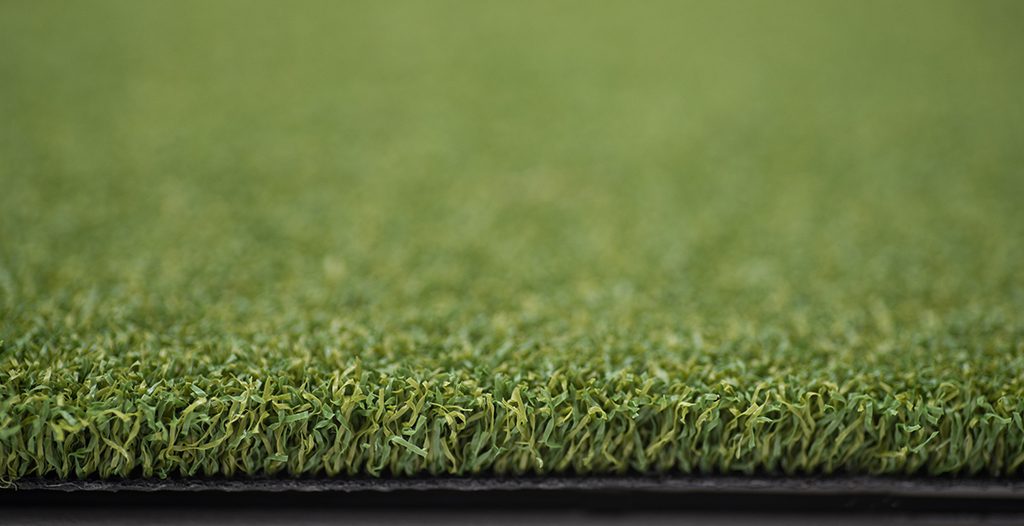
Artificial grass tennis courts from providers like Lawn King incorporate specific fiber designs and infill materials that influence light reflection. Quality synthetic surfaces use fibers engineered to minimize glare while maintaining vibrant appearance under both natural and artificial light. The consistent playing surface also eliminates shadows created by irregular textures found on some natural grass or poorly maintained courts, enhancing visibility and player performance.
Color temperature selection affects how players perceive the ball and court surface. Most tennis court lighting installations utilize fixtures in the 4000K to 5000K range, producing neutral to slightly cool white light that provides excellent color rendering without harsh bluish tones. This spectrum works particularly well with the green tones of artificial grass surfaces, creating natural appearance that reduces eye strain during extended play sessions.
Glare control becomes paramount for player safety and enjoyment. Properly aimed fixtures position light sources outside players’ normal sight lines while delivering adequate illumination across the entire court surface. Anti-glare shields and precision optics direct light precisely where needed, preventing the momentary blindness that occurs when players look toward poorly controlled light sources. Quality installations allow players to look up and track lobs without encountering disabling brightness.
Maintenance and Long-Term Performance
One of LED tennis court lighting solutions’ most appealing aspects is their minimal maintenance requirements compared to traditional systems. The extended operational life of LED fixtures means years of reliable service without bulb replacements. However, periodic cleaning and inspection ensure optimal performance throughout the system’s lifespan. Dust, pollen, and environmental contaminants accumulate on fixture lenses, gradually reducing light output and efficiency.
Annual maintenance typically includes inspecting mounting hardware, checking electrical connections, cleaning fixture lenses, and verifying proper aiming. Many homeowners schedule this service during the off-season or coordinate it with regular artificial grass maintenance to minimize disruption to playing schedules. Professional maintenance providers can identify minor issues before they become significant problems, protecting your investment and ensuring consistent performance.
Monitoring system performance helps identify gradual degradation that might otherwise go unnoticed. LED fixtures experience gradual lumen depreciation over their operational life, typically losing 20-30% of initial output by the end of their rated lifespan. This degradation occurs so gradually that regular users might not perceive the change until comparing current conditions with newly installed systems. Light meters can measure actual illumination levels, confirming whether your system continues meeting recommended standards.
Documentation of your lighting system’s specifications, warranty information, and maintenance history provides valuable reference for future service needs. Recording fixture models, installation dates, and electrical configurations assists technicians in sourcing correct replacement parts if needed. While LED systems require minimal intervention, having comprehensive documentation simplifies any necessary repairs and helps maintain your property’s value. Quality installations include as-built drawings showing pole locations, wiring routes, and control panel specifications.
Smart Controls and Automation
Modern tennis court lighting solutions extend beyond the fixtures themselves to encompass sophisticated control systems that enhance convenience and efficiency. Smart switches allow remote operation from smartphones or tablets, enabling you to turn lights on while driving home from work or shut them off from inside your house after play concludes. Integration with home automation platforms like Control4 or Crestron provides seamless operation alongside other smart home systems.
Scheduling capabilities ensure lights operate only during intended hours without requiring manual intervention. You can program different schedules for weekdays versus weekends, automatically adjusting for seasonal sunset time variations. Some systems include astronomical timers that calculate sunset times based on geographic location and date, maintaining consistent operational patterns relative to natural light conditions. These features prevent accidentally leaving lights on overnight, saving energy and extending fixture life.
Dimming controls offer flexibility for different activities and player skill levels. Running lights at 70% brightness might suffice for casual practice sessions, while competitive matches warrant full illumination. Some systems incorporate preset scenes that recall specific brightness levels with a single button press. Advanced installations can include occupancy sensors that automatically illuminate the court when players arrive and dim lights after a period of inactivity, though manual override capabilities ensure players control final decisions.
According to research from the Lighting Research Center, smart lighting controls can reduce energy consumption by 30-50% compared to simple on/off switching by optimizing operating patterns to actual usage needs. For tennis courts that might otherwise remain fully illuminated whenever turned on, dimming capabilities matched to activity requirements deliver meaningful efficiency gains. These savings compound over years of operation, improving the financial return on your lighting investment.
Professional Installation Versus DIY Approaches
The complexity of tennis court lighting systems typically warrants professional installation, particularly for homeowners without electrical expertise. Licensed electricians understand local building codes, safety requirements, and proper installation techniques that ensure reliable, code-compliant systems. Professional installers also carry liability insurance that protects homeowners from accidents or property damage during installation, providing peace of mind that DIY projects cannot match.
Lighting design represents another area where professional expertise delivers value. Experienced designers use specialized software to model light distribution across your specific court dimensions and configuration, accounting for pole positions, fixture specifications, and surrounding structures. This modeling predicts actual performance before installation begins, allowing adjustments to optimize results. DIY approaches typically rely on generic spacing recommendations that may not account for your property’s unique characteristics.
However, technically skilled homeowners who understand electrical systems and possess proper tools can successfully install tennis court lighting, particularly when using complete lighting kits designed for DIY installation. These packages include pre-selected fixtures, poles, mounting hardware, and detailed instructions that simplify the installation process. Obtaining necessary electrical permits and arranging inspections remains crucial even for DIY projects to ensure code compliance and safety.
Cost considerations often motivate DIY approaches, with professional installation typically adding 30-50% to total project costs compared to purchasing materials alone. However, the value proposition shifts when considering potential mistakes, safety risks, and the time investment required for proper installation. Many homeowners find that professional installation provides better long-term value, particularly when bundling tennis court lighting with other projects like artificial grass installation where coordinated professional services deliver superior results.
Enhancing Property Value Through Quality Lighting
Well-designed tennis court lighting represents more than a functional upgrade—it’s a property enhancement that appeals to prospective buyers and increases market value. Homes in Melrose, Rosebank, and Parktown North with illuminated tennis courts demonstrate exceptional attention to outdoor amenities, positioning properties as premium offerings in competitive real estate markets. The ability to play tennis year-round regardless of daylight hours represents a tangible lifestyle benefit that resonates with active families.
The quality of your lighting installation signals overall property maintenance and attention to detail. Professional-grade LED systems with clean installations, proper shielding, and smart controls indicate that homeowners invested in lasting solutions rather than temporary fixes. This quality consciousness extends to other property features, creating positive impressions that influence buyer perceptions and willingness to pay premium prices.
Energy efficiency credentials increasingly influence property values as buyers seek homes with lower operating costs and environmental responsibility. LED tennis court lighting demonstrates commitment to sustainable practices while reducing monthly utility expenses—a combination that appeals to environmentally conscious buyers and fiscally minded purchasers alike. Documented energy consumption data and maintenance histories provide quantifiable evidence of these benefits during property marketing.
The aesthetic integration of lighting systems with overall property design enhances curb appeal and outdoor entertainment spaces. Thoughtfully positioned poles that complement architectural elements, proper landscape lighting integration, and cohesive design language create polished presentations that elevate property perceptions. When combined with pristine artificial grass tennis court surfaces and well-maintained surrounding areas, quality lighting completes a compelling package that distinguishes your property in competitive markets.
Conclusion: Illuminating Your Tennis Future
Tennis court lighting solutions transform how you experience your court, extending playing opportunities throughout the year regardless of work schedules or seasonal daylight variations. For residents of Melrose, Rosebank, and Parktown North, LED lighting systems offer energy-efficient, neighbor-friendly solutions that enhance property value while supporting active lifestyles. The combination of superior light quality, minimal maintenance requirements, and smart control capabilities makes modern LED systems the clear choice for residential tennis court illumination.
Successful implementations balance technical performance requirements with aesthetic integration and community considerations. Working with experienced professionals ensures your lighting system meets illumination standards while respecting neighboring properties and local regulations. Whether you’re installing lights on an existing court or planning a complete tennis facility with premium artificial grass surfaces from Lawn King, thoughtful lighting design completes the package and maximizes your investment.
The evolution of LED technology and smart controls continues improving tennis court lighting capabilities while reducing costs and energy consumption. Today’s systems offer performance that was unattainable just a decade ago, with fixtures that deliver decades of reliable service. For tennis enthusiasts who refuse to let sunset end their playing day, quality lighting solutions open new possibilities for enjoyment, competition, and family activity right in your own backyard.
As you consider tennis court lighting for your property, focus on systems that align with your playing patterns, property characteristics, and long-term goals. The right installation delivers years of enhanced tennis experiences while maintaining harmony with your neighborhood and supporting environmental responsibility. With proper planning and quality components, your illuminated court becomes a centerpiece of outdoor living that serves your family and enhances your property for years to come.