Artificial Grass Safety for Kids’ Play Areas
Parents across Randburg and Midrand constantly seek safe outdoor spaces for their children. The question of whether artificial grass is safe for children’s play areas concerns every family considering this popular landscaping solution. This comprehensive guide explores the safety aspects of artificial grass for South African playgrounds and play spaces.
Understanding Artificial Grass Safety Standards
Modern artificial grass has evolved significantly from its early days. Today’s synthetic turf products meet rigorous international safety standards. Manufacturers design these surfaces specifically with children’s safety in mind.
Quality artificial grass products undergo extensive testing. These tests evaluate impact absorption, chemical composition, and durability. South African suppliers now provide products that meet or exceed global safety benchmarks.
What Makes Artificial Grass Safe?
High-quality artificial grass contains no toxic chemicals or harmful substances. Premium products use polyethylene and polypropylene materials. These materials resist UV damage and maintain their integrity over time.
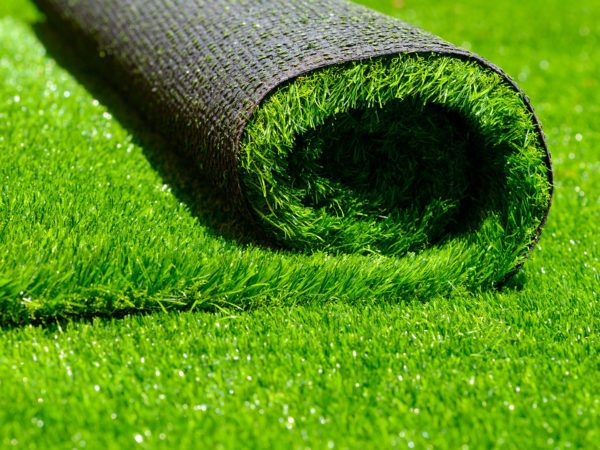
The 25mm artificial grass from reputable suppliers features soft, cushioned fibers. These fibers provide a comfortable surface for children to play on. The density and pile height contribute to both comfort and safety.
Professional installation matters tremendously. Proper artificial grass installation ensures adequate drainage and a level surface. This prevents water pooling and reduces tripping hazards.
Key Safety Benefits for Children
Superior Fall Protection
Falls cause the majority of playground injuries. Artificial grass offers excellent impact absorption compared to hard surfaces. The cushioned surface reduces injury severity when children fall.
Quality artificial grass includes shock-absorbing underlayers. These layers increase the Critical Fall Height (CFH). Professional installations can achieve CFH ratings up to 10 feet, allowing for taller play equipment while maintaining safety standards.
The consistent surface prevents injuries from uneven ground. Natural grass develops holes and bare patches over time. Artificial grass maintains a uniform playing surface throughout its lifespan.
Clean and Hygienic Play Environment
Artificial grass eliminates mud and dirt tracking. Children play on a clean surface regardless of weather conditions. This cleanliness reduces exposure to harmful bacteria and parasites.
The synthetic surface prevents grass stains on clothing. Parents appreciate the reduced laundry challenges. Children enjoy cleaner play without constant supervision about getting dirty.
Modern artificial grass includes antimicrobial properties. These properties inhibit bacterial growth and maintain hygiene. Regular rinsing keeps the surface fresh and safe for daily play.
Chemical Safety and Non-Toxic Materials
Parents rightfully worry about chemical exposure. Quality artificial grass products contain no harmful chemicals. Reputable manufacturers avoid using lead, heavy metals, and toxic substances.
Premium artificial grass products are designed to be safe for children and pets, exceeding safety standards for playground surfaces with verified testing for fall protection and impact absorption.
South African climate presents unique challenges. Intense UV radiation requires specialized materials. Quality products feature UV-resistant fibers that don’t break down or release harmful particles.
When selecting artificial turf for installation, verify the manufacturer’s safety certifications. Look for products that meet international standards. Ask suppliers about chemical testing and safety documentation.
Temperature Considerations in South African Climate
Summer temperatures in Gauteng can be intense. Artificial grass does heat up in direct sunlight. However, this concern applies to all outdoor surfaces during hot weather.
Modern artificial grass technology addresses heat concerns. Light-colored fibers reflect more sunlight than darker varieties. Proper installation with adequate drainage helps dissipate heat more effectively.
Simple solutions manage surface temperature. Spraying the artificial grass with water cools it quickly. Shade structures over play areas provide additional protection. Scheduling outdoor play during cooler hours ensures comfortable conditions.
Natural grass also becomes hot during summer months. The key difference is artificial grass cools down rapidly when shade covers it. Parents can easily test surface temperature before allowing children to play barefoot.
Durability and Maintenance for Play Areas
Children play vigorously on outdoor surfaces. Artificial grass withstands heavy foot traffic better than natural grass. The synthetic fibers spring back after compression, maintaining their appearance and cushioning properties.
How long artificial grass lasts depends on quality and installation. Premium products serve families for 15 to 25 years. This longevity makes artificial grass a cost-effective investment for children’s play spaces.
Maintenance requirements are minimal. Regular brushing removes debris and keeps fibers upright. Occasional rinsing maintains cleanliness. These simple tasks take far less time than mowing and maintaining natural grass.
The permeable backing allows water to drain efficiently. South Africa experiences seasonal rainfall. Proper drainage prevents water pooling that could create slipping hazards.
Addressing Common Safety Concerns
Allergen Reduction
Many children suffer from grass allergies. Natural grass releases pollen that triggers allergic reactions. Artificial grass eliminates this problem entirely.
The synthetic surface doesn’t harbor pollen, mold, or other allergens. Children with sensitivities play comfortably on artificial grass. This benefit significantly improves outdoor time for affected families.
Pest Prevention
Natural grass attracts insects and pests. Ticks, fleas, and other insects hide in grass blades. These pests pose health risks to children and pets.
Artificial grass doesn’t provide habitat for these creatures. The synthetic material doesn’t support insect life cycles. Families enjoy pest-free play areas without chemical treatments.
Pesticide-Free Environment
Maintaining natural grass requires fertilizers and pesticides. These chemicals pose health risks to children. Young children often put hands in mouths after touching grass.
Artificial grass eliminates the need for chemical treatments. Children play on a completely pesticide-free surface. This protection gives parents peace of mind about chemical exposure.
Professional Installation Matters
Safety depends heavily on proper installation. DIY installations might miss critical safety elements. Professional installers understand the requirements for children’s play areas.
Expert artificial turf installation includes proper base preparation. This foundation ensures stability and drainage. Installers create a level surface free from bumps or depressions.
Qualified professionals select appropriate underlayment materials. Shock-absorbing pads enhance safety for active play. These underlayers increase impact protection significantly.
Seaming requires expertise to prevent tripping hazards. Professional installers create seamless transitions between turf sections. They secure edges properly to prevent lifting or movement.
Choosing the Right Artificial Grass Product
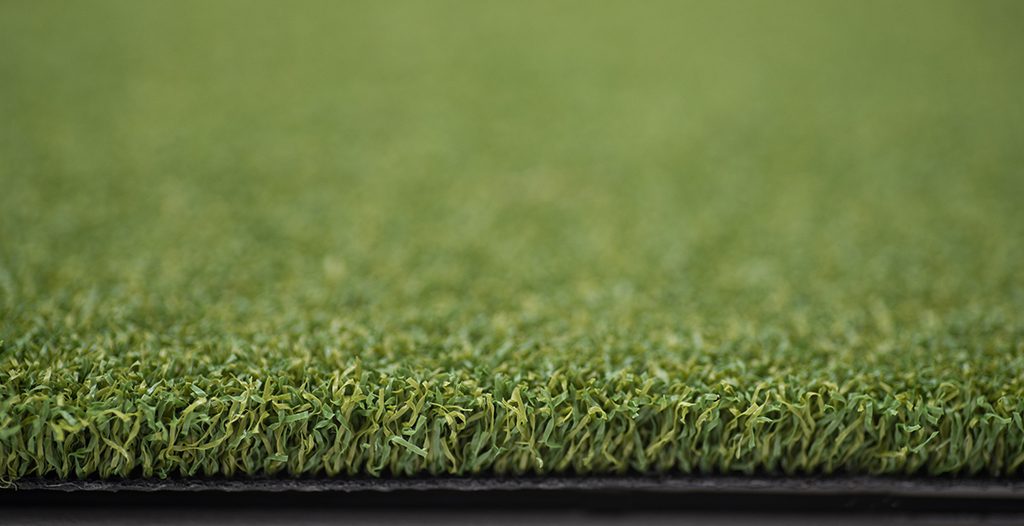
Not all artificial grass products suit children’s play areas equally. Pile height affects safety and comfort. Shorter piles work well for ball games. Longer piles provide more cushioning for play equipment areas.
Fiber density impacts durability and feel. Denser products withstand heavy use better. They also provide better cushioning for falls.
Backing material quality determines drainage and stability. Multi-layer backing systems last longer and perform better. They prevent fiber loss and maintain structural integrity.
Companies like Lawn King in Randburg and Midrand offer guidance on selecting appropriate products. Their expertise helps families choose the best artificial grass for their specific needs.
Comparing Artificial Grass to Other Play Surfaces
Versus Natural Grass
Natural grass develops bare patches in high-traffic areas. These uneven surfaces increase tripping risks. Artificial grass maintains consistency regardless of use intensity.
Weather affects natural grass significantly. Drought creates hard, dangerous surfaces. Heavy rain produces muddy conditions. Artificial grass performs consistently in all weather conditions.
Versus Hard Surfaces
Concrete and paving offer zero impact absorption. Falls on these surfaces often result in serious injuries. Artificial grass provides substantial cushioning that protects children.
Hard surfaces become extremely hot in summer sun. They retain heat longer than artificial grass. The synthetic surface cools more quickly when shade covers it.
Versus Rubber Mulch
Rubber playground surfaces have raised concerns about potential exposure to harmful substances and lack the required safety testing that would prove their safety for children during regular use. Artificial grass offers a more natural appearance while meeting safety standards.
Real-World Applications in South Africa
Schools across Gauteng increasingly choose artificial grass for playgrounds. These institutions prioritize student safety and require surfaces that withstand constant use.
Daycare centers benefit from the low-maintenance nature of artificial grass. Staff spend less time on grounds maintenance and more time supervising children.
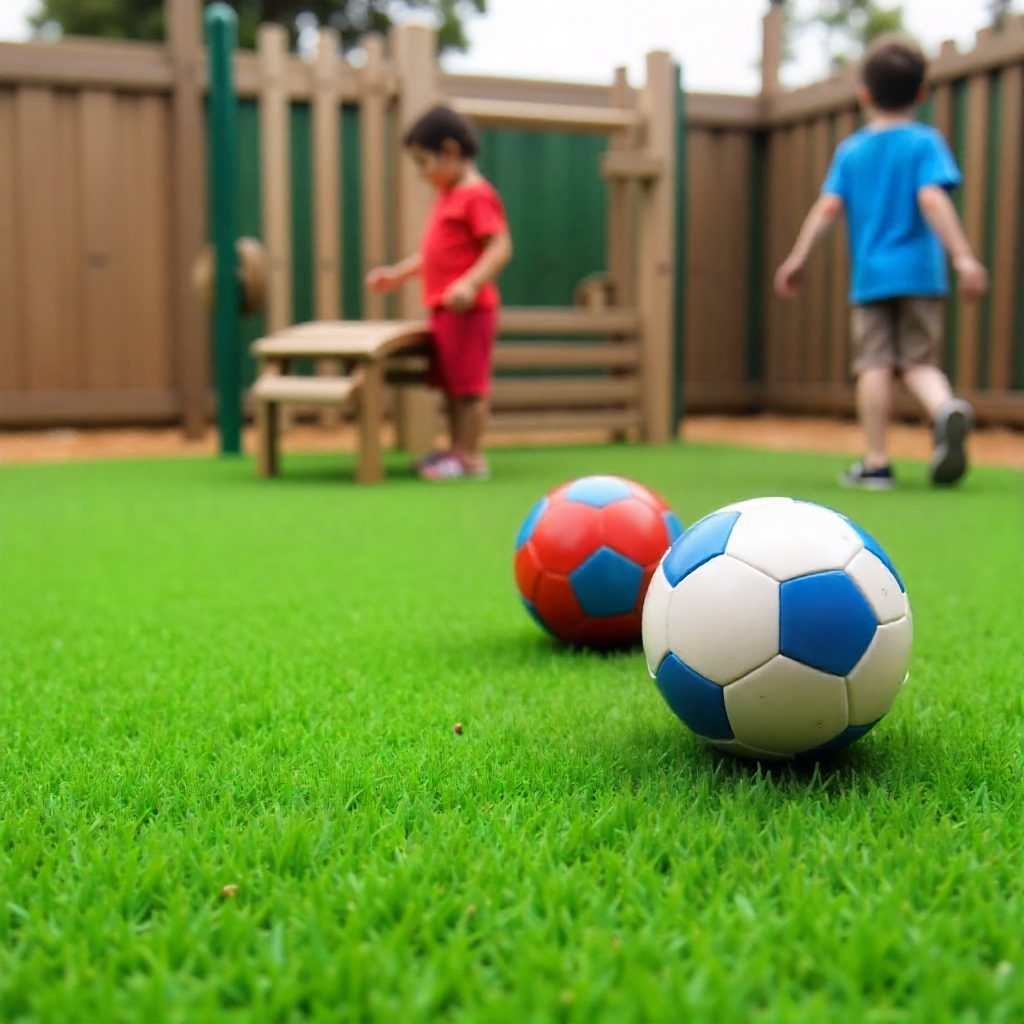
Residential properties in Randburg and Midrand feature artificial grass play areas. Families create safe spaces where children play freely without constant supervision about ground conditions.
Sports facilities use specialized artificial turf for various activities. These surfaces provide consistent performance for organized sports and casual play alike.
Making the Safe Choice
Parents must evaluate all aspects of outdoor play safety. Artificial grass provides numerous advantages over traditional surfaces. The key lies in selecting quality products and ensuring professional installation.
Research manufacturers thoroughly. Ask about safety certifications and testing results. Verify that products meet international standards for playground surfaces.
Choose experienced installers with proven track records. Professional installation guarantees proper base preparation, drainage, and seaming. These elements directly impact safety and longevity.
Consider the specific needs of your play area. Different activities require different product specifications. Professional suppliers help identify the best solutions for your situation.
Conclusion
Artificial grass is safe for children’s play areas when properly selected and installed. Modern products meet rigorous safety standards and offer numerous benefits over natural grass and other surfaces. The synthetic turf provides excellent impact absorption, eliminates chemical treatments, and creates a consistently safe playing environment.
South African families in Randburg, Midrand, and throughout Gauteng can confidently choose artificial grass for their children’s play spaces. The investment provides years of worry-free outdoor play while reducing maintenance demands and water consumption.
Quality matters tremendously in artificial grass selection. Partner with reputable suppliers who understand safety requirements and provide certified products. Professional installation ensures your investment protects your children while creating beautiful, functional outdoor spaces.
Transform your outdoor play area into a safe haven where children thrive. Contact Lawn King today to discuss artificial grass options for your family’s needs.
External Resources:
Recent Posts:
- How Long Does Rubber Wet Pour Surfacing Last on Johannesburg Playgrounds?
- Putting Greens vs. Pool Surrounds vs. Play Areas: Matching Turf Pile Height to Your Craighall Property Zones
- Belgian Malinois, Huskies, and Staffies: Which Artificial Grass Survives Lonehill’s Most Destructive Dogs?
- How Randburg’s Water Restrictions Made Synthetic Lawns a Financial No-Brainer (2025 Data)
- Why Direct-Import Artificial Grass Wholesalers in Roodepoort Fail After 18 Months: The Quality Gap