How to Clean and Sanitize Rubber Wet Pour Playground Surfaces
Public playgrounds serve as vital community spaces where children play, explore, and develop essential social skills. However, maintaining these spaces requires careful attention to cleanliness and safety. Rubber wet pour surfaces have become the gold standard for playground flooring throughout Randburg, Midrand, and the greater Gauteng region. These surfaces provide excellent impact absorption and durability. Yet, they require proper maintenance to remain safe and hygienic for children.
At LawnKing Gardens, we understand that playground safety extends beyond installation. Therefore, this comprehensive guide explores effective methods for cleaning and sanitizing rubber wet pour surfaces to ensure your playground remains a safe haven for children.
Understanding Rubber Wet Pour Playground Surfaces
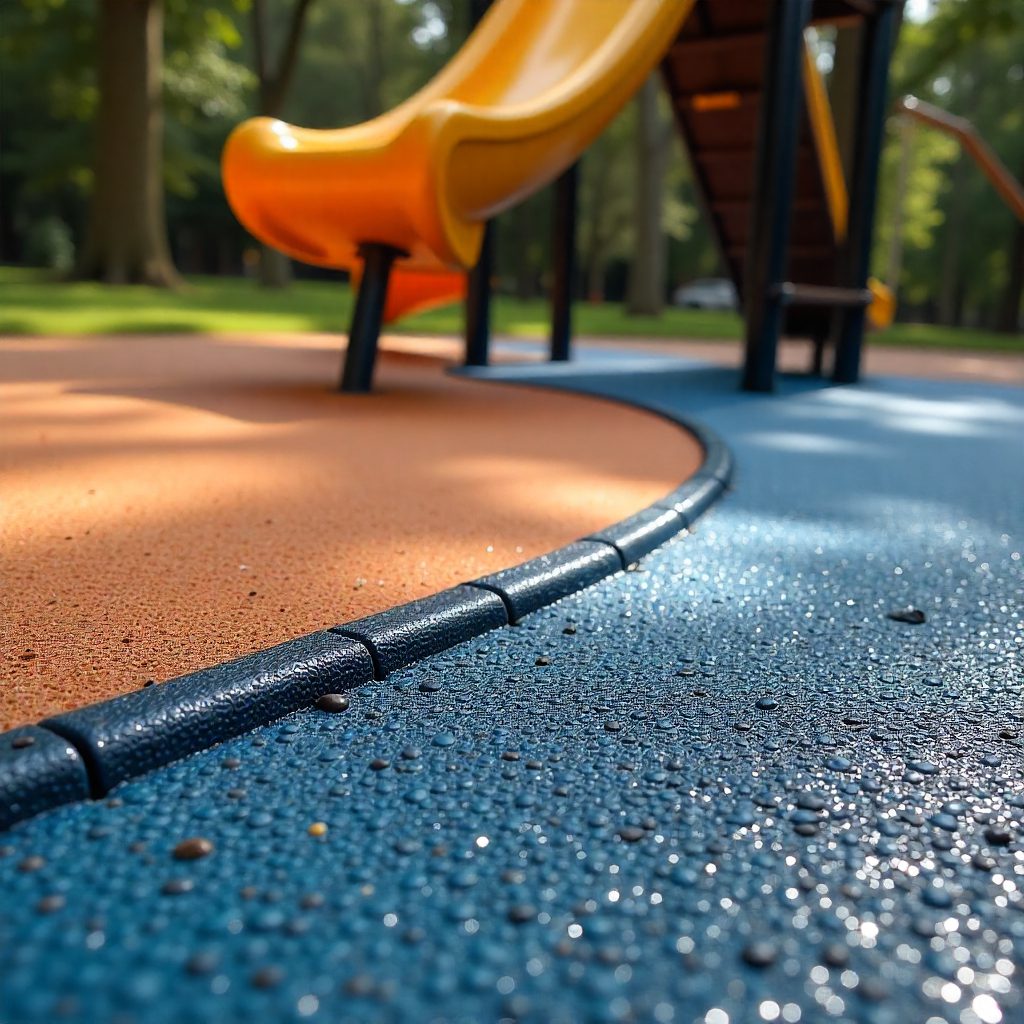
Rubber wet pour surfaces consist of two distinct layers that work together to create a safe play environment. The bottom layer contains recycled rubber granules mixed with polyurethane binder, providing essential shock absorption. Meanwhile, the top layer features colored EPDM (Ethylene Propylene Diene Monomer) rubber granules that create attractive, customizable designs.
This porous surface allows water to drain efficiently, preventing puddles and reducing slip hazards. However, this same porous nature means that dirt, bacteria, and organic matter can penetrate deep into the surface structure. Consequently, regular cleaning becomes essential for maintaining both appearance and safety standards.
Why Regular Cleaning Matters for Playground Safety
Many playground managers underestimate the importance of systematic cleaning protocols. Nevertheless, several compelling reasons make regular maintenance absolutely critical for rubber wet pour surfaces.
Preventing Slip Hazards
Algae, moss, and organic buildup transform surfaces into dangerous slip zones. These growths thrive in shaded areas where sunlight rarely reaches the ground. Moreover, poor drainage areas accelerate this problematic growth. Children running across slippery surfaces face increased injury risks that proper cleaning effectively eliminates.
Maintaining Hygiene Standards
Young children frequently sit, crawl, and play directly on playground surfaces. Without regular sanitization, bacteria and germs accumulate rapidly in high-traffic areas. Furthermore, bodily fluids, food spills, and animal droppings create unsanitary conditions. Professional artificial grass maintenance techniques apply similarly to rubber surfaces, emphasizing the importance of routine hygiene protocols.
Extending Surface Lifespan
Neglected surfaces deteriorate faster than well-maintained ones. Dirt and organic matter break down the polyurethane binder that holds rubber granules together. Subsequently, this degradation leads to surface cracking, discoloration, and premature wear. Regular cleaning protects your investment and delays costly replacement expenses.
Preserving Visual Appeal
A dirty, stained playground discourages use and reflects poorly on facility management. Clean, vibrant surfaces create inviting spaces that encourage active play. Additionally, well-maintained playgrounds demonstrate your commitment to community wellbeing and safety standards.
Essential Cleaning Supplies You’ll Need
Proper equipment makes cleaning rubber wet pour surfaces significantly more efficient and effective. Therefore, gather these essential supplies before beginning any cleaning project:
A soft-bristled broom or commercial leaf blower removes loose debris without damaging the surface. Alternatively, a shop vacuum with appropriate attachments works excellently for textured areas. You’ll also need a garden hose with adjustable pressure settings or a low-pressure power washer. However, avoid high-pressure washing equipment that can dislodge rubber granules.
Mix cleaning solutions using pH-neutral detergent, mild dish soap, or white vinegar diluted with warm water. Harsh chemicals damage rubber surfaces and cause discoloration. Soft-bristled scrub brushes, microfiber mops, and clean cloths complete your cleaning toolkit. For sanitization, invest in playground-specific sanitizers designed for porous rubber surfaces.
Step-by-Step Cleaning Process for Rubber Wet Pour Surfaces
Establishing a consistent cleaning routine ensures optimal results while minimizing surface damage. Follow this systematic approach for thorough, effective cleaning.
Remove Loose Debris First
Start every cleaning session by clearing visible debris from the entire surface area. Use your leaf blower or soft broom to sweep away leaves, twigs, dirt, and litter. This initial step prevents debris from being ground into the surface during wet cleaning. Pay special attention to corners, edges, and areas beneath playground equipment where debris accumulates.
Apply Your Cleaning Solution
Mix your chosen cleaning solution in a bucket following appropriate dilution ratios. For general cleaning, combine mild detergent with warm water at a ratio of approximately one tablespoon per gallon. Alternatively, create a natural cleaning solution using equal parts white vinegar and water.
Apply the solution generously across the rubber surface using a mop or garden sprayer. Ensure complete coverage, particularly in heavily soiled areas. Allow the solution to sit for 10-15 minutes, giving it time to break down dirt and grime effectively.
Scrub Problem Areas Thoroughly
Focus your scrubbing efforts on visibly stained or heavily soiled sections. Use your soft-bristled brush with gentle, circular motions to lift embedded dirt. Avoid aggressive scrubbing that might damage the protective top layer or dislodge rubber granules.
For stubborn stains, reapply cleaning solution and allow additional dwell time before scrubbing again. Patience yields better results than forceful scrubbing that risks surface damage.
Rinse Completely and Allow Proper Drying
Thorough rinsing removes all cleaning solution residue that could attract dirt or create slippery conditions. Use your garden hose on a low-pressure setting to rinse the entire surface systematically. Continue rinsing until water runs clear and no soap bubbles remain visible.
Allow the surface to air dry completely before reopening the playground to children. Depending on weather conditions, drying typically takes 2-4 hours. Good drainage systems, similar to those used in our soccer field construction projects, accelerate the drying process significantly.
Tackling Specific Cleaning Challenges
Different types of contamination require specialized cleaning approaches. Therefore, understanding how to address specific challenges ensures comprehensive surface care.
Removing Moss and Algae Growth
Moss and algae create the most dangerous conditions on rubber wet pour surfaces. These organisms thrive in damp, shaded areas and make surfaces dangerously slippery. Combat this growth by trimming overhanging trees to increase sunlight exposure.
For existing growth, apply a moss-killing solution specifically formulated for playground surfaces. Alternatively, use a diluted bleach solution (one part bleach to ten parts water) applied carefully to affected areas. Allow the solution to work for 15-20 minutes, then scrub thoroughly and rinse completely. Never mix cleaning chemicals, as dangerous reactions can occur.
Sanitizing Bodily Fluid Contamination
Accidents happen frequently in playgrounds, requiring immediate sanitization protocols. First, remove solid waste using disposable materials while wearing protective gloves. Next, generously apply a white vinegar and water solution (equal parts) to saturate the contaminated area completely.
Allow the vinegar solution to sit for 10-15 minutes, effectively neutralizing bacteria and odors. Scrub the area with a clean brush, then rinse thoroughly with plenty of fresh water. Finally, apply a playground-safe sanitizer designed for porous rubber surfaces. Dispose of all cleaning materials in sealed bags to prevent cross-contamination.
Dealing with Chewing Gum Removal
Chewing gum creates stubborn adhesion problems on rubber surfaces. Use dry ice or commercial freezing spray to harden the gum completely. Once frozen, carefully chip away the gum using a plastic scraper, avoiding metal tools that might gouge the surface. Apply a small amount of vegetable oil to dissolve any remaining residue, then clean the area with standard cleaning solution.
Professional Deep Cleaning Recommendations
While regular maintenance prevents most problems, professional deep cleaning provides benefits beyond routine care capabilities. Schedule professional services at least annually, particularly for high-traffic playgrounds.
Professional cleaners use specialized equipment that reaches deep into the porous surface structure. They extract embedded contaminants that routine cleaning cannot address effectively. Additionally, professionals assess surface condition, identifying wear patterns and potential repair needs before they become safety hazards.
LawnKing Gardens offers comprehensive maintenance services similar to our garden services program. Our team understands the specific requirements of rubber playground surfaces and uses appropriate techniques that preserve surface integrity while ensuring thorough cleaning.
Maintenance Schedule for Optimal Results
Consistency creates the foundation for effective playground surface maintenance. Develop a regular schedule based on playground usage intensity and environmental factors.
Daily inspections should include visual checks for hazards, loose debris removal, and immediate response to contamination incidents. Weekly maintenance involves thorough sweeping or blowing, spot cleaning of stains, and weed control around surface edges.
Monthly deep cleaning includes full surface washing with appropriate cleaning solutions, moss and algae treatment in susceptible areas, and thorough sanitization of high-touch zones. Annual professional servicing should encompass comprehensive deep cleaning, surface resealing if necessary, and detailed condition assessments.
Adjust this schedule based on specific conditions at your playground. Areas with heavy tree coverage require more frequent moss treatment. Similarly, high-traffic playgrounds need more regular sanitization than lightly used facilities.
What to Avoid When Cleaning Rubber Surfaces
Certain cleaning practices cause more harm than good when applied to rubber wet pour surfaces. Understanding these pitfalls helps you maintain surface integrity while cleaning effectively.
Never use high-pressure washers exceeding 1500 PSI, as powerful jets dislodge rubber granules and damage the polyurethane binder. Avoid harsh chemical cleaners containing solvents, petroleum products, or strong acids and alkalis. These substances erode rubber surfaces and cause permanent discoloration.
Do not scrub with stiff wire brushes or metal implements that gouge and tear the protective top layer. Refrain from using lawnmowers or wheeled equipment near surface edges, as mechanical damage occurs easily. Finally, never leave standing water on the surface, as prolonged moisture exposure promotes moss growth and binder degradation.
Connecting Playground Maintenance to Overall Landscaping
Playground surface care integrates naturally with comprehensive landscape management strategies. At LawnKing Gardens, we recognize that beautiful, functional outdoor spaces require coordinated maintenance approaches.
Just as we maintain vibrant LM Berea grass installations throughout Randburg and surrounding areas, rubber playground surfaces benefit from regular, knowledgeable care. Our experience with artificial grass products provides valuable insights into synthetic surface maintenance across various applications.
Moreover, proper drainage systems prove crucial for both natural turf and rubber playground surfaces. The same principles we apply in sports field construction ensure your playground drains efficiently, reducing maintenance requirements and extending surface lifespan.
Recognizing When Repairs Become Necessary
Even with excellent maintenance, rubber wet pour surfaces eventually show wear that requires professional repair. Recognizing these signs early prevents minor issues from becoming major safety hazards.
Watch for visible cracks, tears, or separation between rubber layers that create trip hazards. Note areas where rubber granules have worn away, exposing the base layer beneath. Observe sections that remain persistently damp despite good weather, indicating drainage problems. Additionally, significant fading or discoloration beyond normal aging suggests binder degradation requiring attention.
When you identify these issues, contact experienced professionals immediately. Small repairs cost significantly less than complete surface replacement, making early intervention financially prudent.
Creating a Safer Play Environment for Randburg Communities
Maintaining clean, safe playground surfaces demonstrates your commitment to child safety and community wellbeing. Regular cleaning protocols, combined with proper maintenance practices, ensure rubber wet pour surfaces remain attractive, hygienic, and safe for years of active play.
At LawnKing Gardens, we serve Randburg, Midrand, and surrounding Gauteng communities with comprehensive landscaping solutions. Our expertise extends from instant lawn installation to artificial grass systems and now includes valuable guidance for playground surface maintenance.
Take Action for Your Playground Today
Don’t wait for visible problems to develop before implementing proper cleaning protocols. Start establishing your maintenance routine today using the guidelines outlined in this comprehensive guide. Your efforts directly impact the safety and enjoyment of countless children who depend on clean, well-maintained playground spaces.
For professional assistance with playground maintenance, artificial grass installation, or any landscaping needs throughout Randburg and Midrand, contact LawnKing Gardens at 068 474 7303. Visit our contact page or explore our full range of services at lawnking.co.za.
Remember, clean playgrounds create healthy communities. By investing time and effort into proper rubber wet pour surface maintenance, you protect children’s health, extend your facility’s lifespan, and demonstrate responsible stewardship of valuable community resources.
For additional insights on maintaining synthetic surfaces and creating beautiful outdoor spaces, explore our comprehensive resources on artificial grass maintenance and general landscaping services. Together, we can create safer, more inviting playgrounds throughout South Africa’s Gauteng region.
LawnKing Gardens proudly serves Randburg, Midrand, and surrounding areas with premium landscaping solutions including instant lawn, artificial grass, irrigation systems, and professional maintenance services. Contact us today for expert guidance on all your outdoor space needs.
Recent Posts:
- What Drainage Solutions Are Needed for Artificial Grass Fields in Johannesburg?
- Is Rubber Wet Pour or Artificial Grass Better for High-Traffic Playground Areas?
- How Long Does Artificial Grass Installation Take for a Standard Sports Field?
- What Fall Height Protection Does Rubber Wet Pour Provide for School Playgrounds?
- Can Rubber Wet Pour Withstand Johannesburg’s Summer Heat and Winter Frost?