Red Flags to Watch For
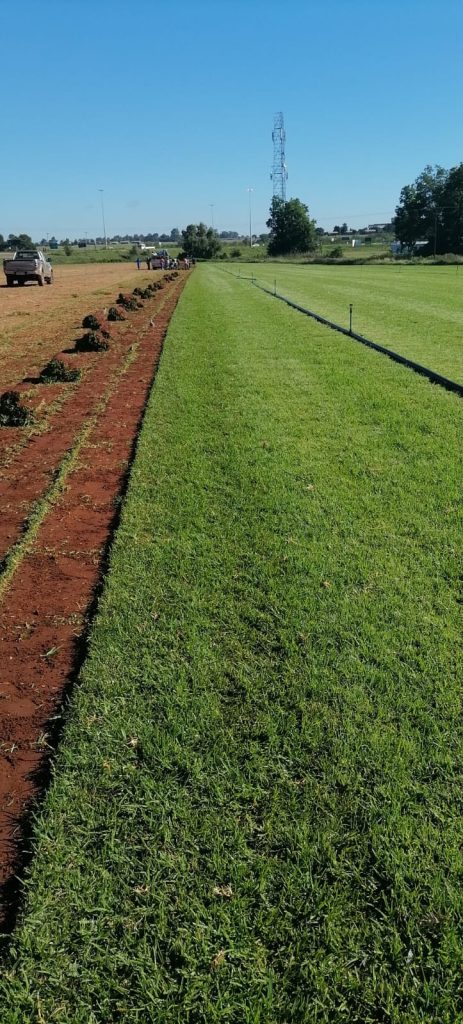
When you invest in instant lawn for your Randburg or Midrand property, you expect lush, green results that transform your outdoor space immediately. However, even the most carefully planned instant lawn installation can encounter challenges that threaten the health and appearance of your new grass. Recognizing these red flags early can mean the difference between a thriving lawn and a costly replacement project.
By understanding what to look for during the critical establishment period, homeowners across Gauteng can protect their investment and ensure their instant lawn develops into the beautiful, durable surface they envisioned. This comprehensive guide explores the most common instant lawn establishment problems and explains how to spot and solve them before they escalate.
Understanding Poor Root Development
Root development is the cornerstone of successful instant lawn establishment, yet it is often overlooked by property owners. Weak roots typically manifest within the first few weeks after installation and can severely compromise your lawn’s long-term health.
Spongy or unstable turf underfoot is one of the clearest signs of poor root penetration. A properly anchored lawn feels firm, while grass that shifts or “floats” suggests inadequate root-to-soil contact. Another red flag is how easily turf sections can be lifted. After just one to two weeks, healthy turf should resist gentle pulling. If entire sections lift without resistance, the roots are not taking hold.
Yellowing or browning edges are another common symptom, usually caused by insufficient access to soil nutrients and water. If left untreated, this stress rapidly spreads across larger sections of the lawn.
Professional instant lawn installation services focus heavily on soil preparation and proper aftercare to minimize these risks.
Identifying Lifting Edges and Seam Separation
Lifting edges are one of the most visible establishment problems. They often occur when wind exposure, temperature fluctuations, or uneven soil contact interfere with proper rooting. Once edges lose moisture contact, they dry out faster, worsening the lifting problem.
Seam separation—gaps forming between turf rolls—can also compromise both aesthetics and lawn health. While these gaps may seem minor at first, they often widen due to foot traffic, weather, and settling. Causes include poor installation techniques, uneven edges, or inadequate soil preparation.
Moisture balance is key. Turf that dries out too quickly or remains waterlogged will struggle to establish. Professional installers know how to adapt techniques to local conditions, reducing the risk of these issues.
Recognizing Pest and Disease Issues Early
Newly installed lawns are especially vulnerable to pests and diseases because of the stress of transplantation. If left unchecked, these problems can devastate your investment.
Fungal diseases often show as circular or irregular patches of thinning or dead grass. They thrive in areas with poor air circulation, excess moisture, or drainage issues. Early morning inspections often reveal subtle signs such as discoloration, odd growth patterns, or even fuzzy growth on blades.
Insect damage presents differently. Cutworms and larvae, for example, create small patches of grass cut at soil level. Populations can surge quickly under favorable conditions, leading to rapid lawn deterioration.
Grubs are especially destructive because they attack the roots directly. Warning signs include soft, spongy patches, increased bird activity (as they feed on grubs), and turf that peels back like carpet.
Prevention is far more cost-effective than treatment. Good soil preparation, proper watering, and routine monitoring help reduce risks. Professional garden services often include pest checks and preventative treatments to keep lawns safe.
Water Management Problems and Solutions
Getting watering right is one of the biggest challenges for new lawns. Both under- and overwatering can cause serious issues.
Overwatering leads to soggy soil, yellowing grass, fungal growth, and weak roots. It may also cause foul odors as roots suffocate.
Underwatering creates dry, stressed patches that first turn light green, then yellow, and finally brown. Turf edges often show symptoms before the middle sections.
Inconsistent watering is particularly harmful as it produces weak, shallow root systems and uneven growth.
Installing a professional irrigation system ensures consistent, controlled watering tailored to local conditions. This reduces risks and promotes strong, deep root development.
Soil Preparation and Drainage Concerns
Even the best turf will fail if the soil beneath it isn’t properly prepared. Compacted soil blocks root penetration and water infiltration, while poor drainage suffocates roots and encourages fungal growth.
Signs of soil problems include pooling water, slow drainage, foul odors, or grass that struggles in certain patches despite proper care. Soil chemistry can also play a role—imbalances in pH or nutrients can block root development.
Professional soil testing and preparation address these hidden challenges, creating the right foundation for healthy, lasting growth.
When to Call Professional Help
Some lawn issues go beyond DIY fixes. Persistent problems that don’t respond to watering adjustments or basic pest control often signal deeper soil or drainage issues. Rapidly spreading problems should also trigger immediate professional attention.
Professional maintenance services can diagnose underlying causes, prevent escalation, and save you from expensive replacements.
Grass Selection, Installation Standards, and Seasonal Factors
Choosing the right grass for Gauteng’s climate is vital. Kikuyu is durable and drought-tolerant once established but needs careful watering during rooting. LM grass offers premium quality but requires precise management.
Installation standards are just as important—proper ground prep, handling, and timing make the difference between success and failure. Seasonal timing also matters:
-
Spring provides ideal conditions but comes with increased pest pressure.
-
Summer requires intensive watering and monitoring.
-
Autumn allows strong root growth in warm soil with less stress on blades.
-
Winter can succeed with care, though frost protection may be needed.
Monitoring and Maintenance During Establishment
The first month after installation is critical. Daily inspections during the first week help detect issues early. Adjust watering as conditions change, and limit traffic to protect fragile roots.
Transitioning from establishment care to normal maintenance should be gradual. Rushing this process risks stressing the lawn, while extending it unnecessarily may cause overdependence on intensive care.
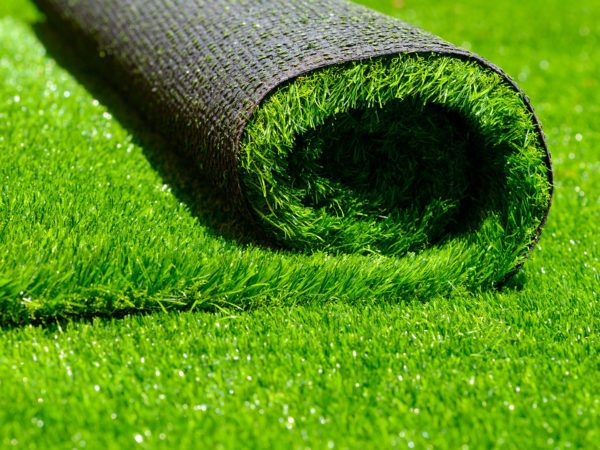
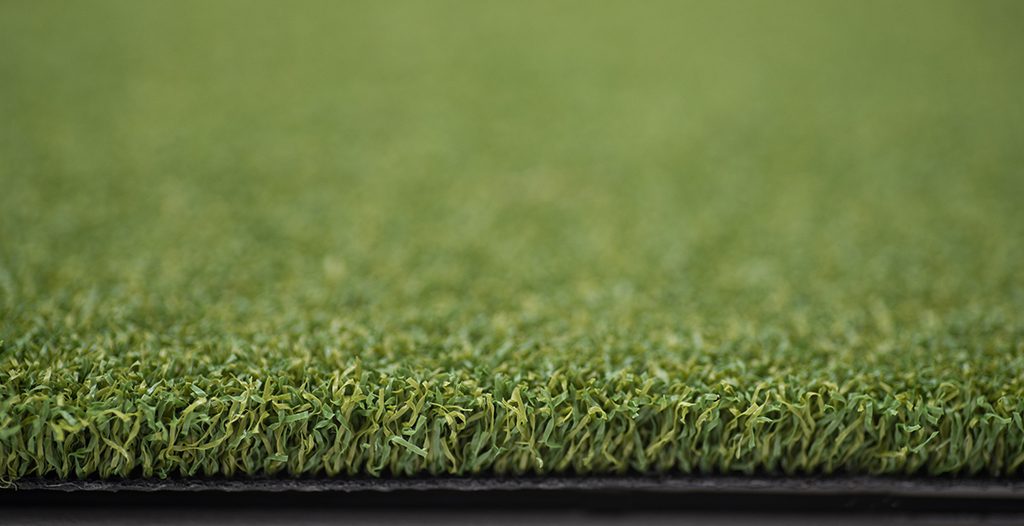
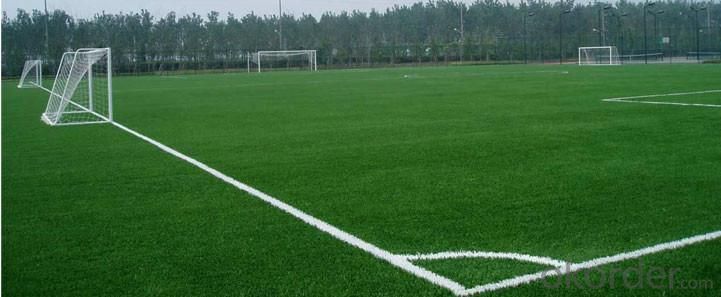
For homeowners who want a low-maintenance alternative, professional artificial grass solutions offer consistent results without the challenges of natural turf.
Conclusion
Achieving a thriving instant lawn in Randburg or Midrand requires attention to detail, timely intervention, and consistent monitoring. From root development and seam separation to pests, diseases, and water management, every stage of establishment demands care.
When challenges arise, early professional guidance often saves money and protects your investment. Whether you choose natural turf or artificial alternatives, understanding these red flags ensures your outdoor space delivers beauty and value for years to come
Recent Posts:
-
- The First 30 Days: Essential Care Steps for Your New Instant Lawn
- How to Repair Bare Patches in Your Kikuyu Instant Lawn: A Complete Guide for Randburg Homeowners
- Lawndressing Kikuyu Grass in Spring: Your Complete Guide to a Lush Green Paradise
- Controlling Kikuyu Grass Growth: Managing Your Instant Lawn’s Aggressive Nature