Tennis Court Surfaces in Johannesburg
Choosing the right tennis court surface for your property in Bryanston, Lonehill, or anywhere across Johannesburg’s highveld region requires careful consideration. The decision between hard court, clay, and grass surfaces goes beyond personal preference. It directly impacts durability, maintenance requirements, and playing performance.
As specialists in artificial grass and sports turf solutions serving Randburg and Midrand, we understand the challenges that Johannesburg’s weather presents. The highveld climate brings intense UV radiation, dramatic temperature fluctuations, unpredictable rainfall patterns, and occasional hailstorms. These conditions can wreak havoc on poorly chosen surfaces.
Property owners investing in tennis courts need solutions that withstand these conditions while delivering consistent performance throughout the year. This comprehensive guide examines each surface type through the lens of Johannesburg’s environmental realities.
Understanding Johannesburg’s Highveld Climate Challenges
Unique Environmental Conditions
Johannesburg sits at approximately 1,750 meters above sea level. This creates a unique set of environmental conditions that affect tennis court surfaces differently than coastal or lower-altitude regions. The highveld climate is particularly demanding for outdoor sports facilities.
Intense UV Radiation and Temperature Extremes
The highveld experiences intense sunshine with some of the highest UV radiation levels in South Africa. This accelerates the deterioration of certain materials and causes fading in colored surfaces. Summer temperatures can soar above 30 degrees Celsius. Winter mornings often dip below freezing.
These temperature swings create expansion and contraction cycles that stress court surfaces. The variations occur not just seasonally but often within a single day. Temperature differences of 15 to 20 degrees between morning and afternoon are common.
Challenging Rainfall Patterns
Rainfall patterns add another layer of complexity. The region receives most precipitation during summer afternoon thunderstorms. These downpours can be intense and localized. They test drainage systems and can cause erosion or surface damage if courts aren’t properly designed.
The dry winter months bring their own challenges. Dust accumulation and surface cracking become issues in materials that lack flexibility. The occasional hailstorm, while infrequent, can cause catastrophic damage to inadequately protected surfaces.
Location-Specific Considerations
For tennis court owners in suburbs like Bryanston and Lonehill, these climate factors are critical. Surface selection cannot be based solely on international standards or preferences from other regions. What works beautifully in coastal Durban or Cape Town may struggle under Johannesburg’s harsh highveld conditions. The right choice must balance performance characteristics with environmental resilience and practical maintenance requirements.
Hard Court Tennis Surfaces for Johannesburg Conditions
Construction and Design
Hard court surfaces have become increasingly popular for residential and community tennis facilities across Johannesburg. These surfaces typically consist of asphalt or concrete bases topped with acrylic coating systems. They provide the playing characteristics tennis players expect.
Durability in Highveld Conditions
The fundamental advantage of hard courts in the highveld climate lies in their structural stability. Modern hard court systems designed for South African conditions incorporate UV-resistant acrylic coatings. These withstand the intense highveld sunshine without significant fading or surface degradation.
A properly constructed hard court with quality materials can last fifteen to twenty years with minimal intervention. The surface handles temperature fluctuations reasonably well. Thermal expansion joints must be incorporated during construction to prevent cracking. When damage does occur, repairs are generally straightforward.
Performance Characteristics
The rigid base provides consistent ball bounce and pace. This makes them suitable for players of all skill levels. Unlike natural surfaces, hard courts don’t require daily grooming or complex maintenance protocols. This appeals to busy homeowners and facilities with limited groundskeeping resources.
Maintenance Requirements
The maintenance requirements for hard courts align well with Johannesburg’s climate patterns. Regular sweeping removes dust and debris. Periodic pressure washing keeps the surface clean and maintains proper friction characteristics. The non-porous nature of hard courts means water drains relatively quickly after summer storms.
Winter maintenance is minimal. The surface doesn’t suffer from frost damage in the way grass courts might. The acrylic coating requires reapplication every five to seven years to maintain optimal playing characteristics and appearance.
Drawbacks to Consider
Hard courts aren’t without drawbacks for highveld conditions. The surface can become uncomfortably hot during peak summer afternoons. Sometimes it reaches temperatures that make barefoot contact painful. The rigid surface also places more stress on players’ joints compared to softer alternatives.
Best Applications
For property owners in Bryanston and Lonehill considering hard courts, the investment makes particular sense for year-round play. Low maintenance is a priority for many homeowners. The predictable performance and longevity justify the initial construction costs. Professional tennis court construction services ensure proper base preparation and drainage systems that are critical for long-term success.
Clay Court Tennis Surfaces in the Highveld
The Appeal of Clay Courts
Clay courts hold a romantic appeal for tennis enthusiasts. They conjure images of Roland Garros and the distinctive red surface that has hosted countless memorable matches. However, the reality of maintaining clay courts in Johannesburg’s highveld climate presents significant challenges.
Construction and Playing Characteristics
Traditional clay courts consist of crushed brick or shale topped with a layer of fine particles. The slower ball speed and higher bounce of clay courts favor baseline players and create longer rallies. The softer surface reduces impact on joints and muscles. This makes clay an attractive option for players concerned about long-term physical wear from tennis.
The Moisture Challenge
The fundamental challenge with clay courts in Johannesburg stems from the region’s extreme dryness during winter months. Clay surfaces require consistent moisture levels to maintain proper playing characteristics and prevent excessive dust. During Johannesburg’s dry season, daily watering becomes necessary.
This conflicts with water conservation efforts and adds substantially to maintenance costs. The intense highveld sun rapidly evaporates surface moisture. This creates a cycle of constant attention that many property owners find unsustainable.
Rainfall and Drainage Issues
Summer thunderstorms present the opposite problem. Heavy rainfall can wash away the fine top layer of clay. This creates uneven playing surfaces and requires regular replenishment of materials. Proper drainage becomes absolutely critical.
After significant rain events, clay courts typically need several hours or even a full day to dry sufficiently for safe play. This limits court availability during the wet season.
Intensive Maintenance Demands
Maintenance demands for clay courts far exceed those of hard courts or modern artificial alternatives. Daily grooming with specialized equipment is necessary to redistribute the clay material. Lines must be regularly redrawn as they blur from playing activity and grooming. The courts require rolling to compact the surface and frequent addition of new material.
Cost Considerations
The cost implications of clay court maintenance in Johannesburg cannot be understated. Beyond the initial construction expense, which typically exceeds that of hard courts, owners face ongoing costs. These include water, materials, equipment, and labor. Many residential clay courts have been converted to hard courts or artificial surfaces after owners discovered the true cost involved.
Limited Practical Value
For most property owners in suburbs like Bryanston and Lonehill, the practical realities of clay court ownership make them a difficult choice to justify. The high maintenance requirements, substantial water consumption during drought-prone periods, and susceptibility to weather damage create ongoing headaches.
Grass Tennis Courts and Highveld Realities
The Traditional Appeal
Grass tennis courts represent the traditional surface of the sport. They evoke Wimbledon’s pristine Centre Court and tennis heritage. The fast-paced, low-bouncing characteristics of grass create a unique playing experience. However, the dream of a personal grass court must be tempered by the harsh realities of Johannesburg’s challenging highveld environment.
Extreme Maintenance Requirements
Natural grass courts require nearly perfect growing conditions. The grass must be kept at a precise height, typically between 8 to 10 millimeters. This demands specialized mowing equipment and expertise. The surface needs consistent moisture levels, extensive fertilization, and pest and disease management.
Climate Incompatibility
Johannesburg’s climate makes these already substantial challenges exponentially more difficult. The region’s grass species that tolerate the highveld’s temperature extremes don’t possess the fine texture and density required for tennis courts. Cool-season grasses that might provide better playing characteristics struggle during Johannesburg’s hot summers.
The intense UV radiation damages grass more quickly than in other regions. Winter frosts can create brown patches that take weeks to recover.
Water Requirements
Water requirements for grass tennis courts conflict directly with Johannesburg’s water scarcity issues. A single grass court may require thousands of liters of water weekly during peak growing season. This makes it an environmentally questionable choice for the region. Water costs alone can exceed what many property owners anticipated.
Limited Playing Season
The playing season for grass courts in Johannesburg would be frustratingly limited. The surface deteriorates rapidly with use, showing wear patterns within days of regular play. Recovery time between playing sessions means the court sits unused for extended periods. Winter dormancy further reduces availability.
Property owners might realistically only have a properly playable grass court for a few months per year. This hardly justifies the enormous maintenance investment.
Specialist Requirements
Professional groundskeeping becomes non-negotiable for grass courts. Yet specialists with the specific knowledge required for maintaining tennis-quality grass surfaces are rare in South Africa. The specialized equipment needed represents significant capital investment beyond the initial court construction.
Practical Reality
For these compelling reasons, grass tennis courts remain extremely rare in Johannesburg’s residential properties. Most existing examples are found at exclusive clubs with dedicated groundskeeping teams and substantial budgets. The combination of environmental unsuitability, maintenance complexity, water requirements, and limited playing availability makes grass courts impractical for nearly all private property owners.
The Artificial Grass Alternative for Johannesburg Tennis Courts
Modern Technology Advantages
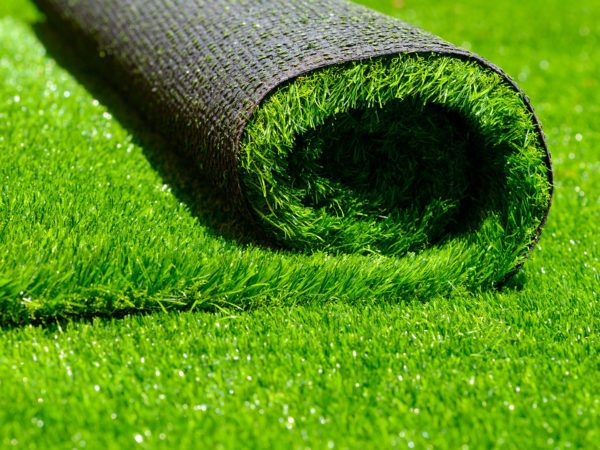
Given the challenges associated with traditional tennis court surfaces, artificial grass has emerged as an increasingly popular alternative. Modern artificial turf systems designed specifically for tennis applications address many of the shortcomings of natural surfaces. They deliver consistent performance that withstands our region’s environmental extremes.
Evolution of Artificial Surfaces
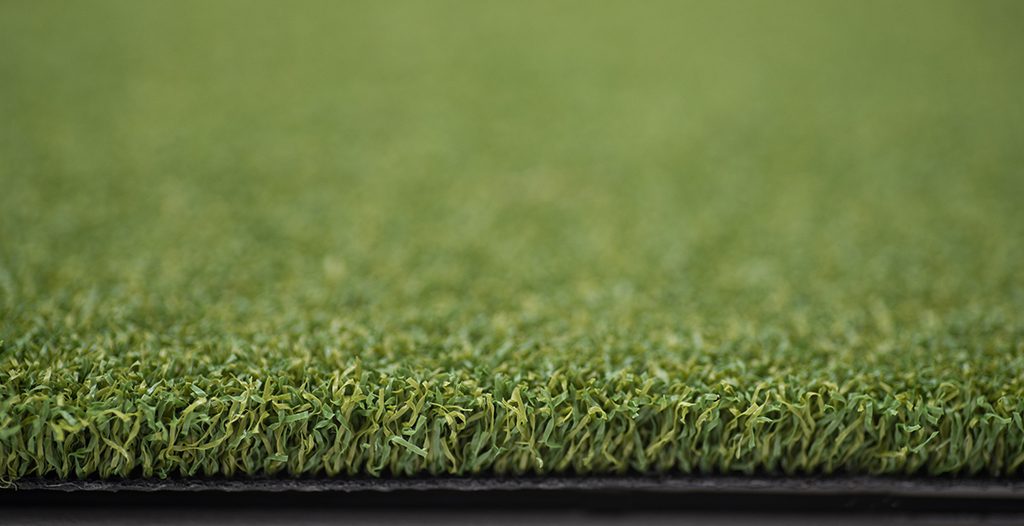
Artificial grass tennis courts have evolved dramatically from early generations of synthetic surfaces. Contemporary systems feature specially engineered fibers that provide appropriate ball bounce characteristics. They offer adequate traction and comfortable playing surfaces that reduce joint stress. The technology has advanced to closely replicate the playing experience of natural grass while eliminating virtually all the maintenance headaches.
Exceptional Durability
The durability advantages of artificial grass in Johannesburg’s climate cannot be overstated. Quality artificial turf systems incorporate UV stabilizers that prevent degradation and fading. The synthetic fibers withstand temperature fluctuations without cracking or structural damage. They perform consistently whether it’s a frosty winter morning or scorching summer afternoon.
Unlike natural grass that shows wear patterns and requires recovery time, artificial surfaces maintain their appearance and playability regardless of usage levels.
Water Conservation Benefits
Water conservation represents perhaps the most significant environmental benefit of artificial grass tennis courts. In a region where water scarcity increasingly concerns both authorities and conscientious property owners, eliminating thousands of liters required monthly makes artificial turf an environmentally responsible choice. The surface requires no irrigation system installation or ongoing water costs.
Minimal Maintenance Requirements
Maintenance requirements for artificial grass tennis courts amount to a fraction of what other surfaces demand. Regular brushing keeps the fibers upright and maintains consistent playing characteristics. Periodic removal of debris and leaves keeps the surface clean.
Unlike natural grass that requires mowing, fertilization, pest control, and disease management, artificial turf needs only basic care. Any property owner can handle it without specialized knowledge or equipment. The surface remains playable immediately after rain.
Playing Characteristics
The playing characteristics of modern artificial sports turf for tennis courts provide a medium-paced surface with predictable ball bounce. This suits players of various styles and skill levels. The slightly softer surface compared to hard courts reduces impact on joints while maintaining enough firmness for consistent performance.
Players adapt quickly to the surface. The year-round consistency means practicing on your home court directly translates to improved match performance.
Long-Term Cost Effectiveness
Cost considerations favor artificial grass when evaluating total ownership expenses over time. While the initial installation investment may exceed basic hard court construction, the dramatically reduced maintenance costs provide savings. Artificial grass typically achieves cost parity within a few years.
Factor in water savings, elimination of chemical treatments, no mowing or specialized equipment needs, and minimal repair requirements. The long-term financial advantage becomes clear. Quality artificial grass installations can last fifteen to twenty years with proper care.
Aesthetic Appeal
The aesthetic appeal of artificial grass tennis courts enhances property value and enjoyment beyond purely functional aspects. The consistently green, well-groomed appearance creates an attractive focal point for outdoor spaces. The surface integrates beautifully with landscaping. Property owners can customize color schemes and line markings to create distinctive, personalized courts.
Optimal Choice for Highveld
For property owners in Bryanston and Lonehill considering tennis court construction, building your tennis court using artificial grass offers the optimal combination. It provides performance, durability, and practicality for Johannesburg’s highveld climate. The technology has matured to the point where artificial grass represents not a compromise but often the superior choice.
Making the Right Choice for Your Bryanston or Lonehill Property
Evaluating Your Priorities
The decision about tennis court surfaces ultimately depends on your specific priorities, budget, and commitment to maintenance. However, when objectively evaluating the options through the lens of Johannesburg’s highveld climate conditions, clear patterns emerge.
Hard Court Assessment
Hard courts represent the traditional choice for good reason. They offer durability and relatively low maintenance that suits busy property owners. The predictable playing characteristics and ability to withstand temperature extremes make them reliable performers.
However, the surface can become uncomfortably hot during summer. It requires periodic resurfacing and offers less forgiveness on joints compared to softer alternatives. For properties where budget constraints are paramount, hard courts remain viable options.
Clay Court Reality
Clay courts, while romantically appealing, present maintenance challenges that most private property owners in Johannesburg find overwhelming. The constant battle against drying conditions, vulnerability to heavy rain, and daily grooming requirements make them impractical choices. Unless you have dedicated staff, unlimited water access, and genuine passion for the clay court experience specifically, they will likely lead to frustration.
Grass Court Limitations
Grass courts exist primarily in the realm of fantasy for Johannesburg property owners. The maintenance complexity, water requirements, limited playing season, and fundamental incompatibility with highveld growing conditions make them unrealistic choices. The enormous resources required rarely justify the limited periods when the court achieves playable condition.
Artificial Grass as the Optimal Solution
Artificial grass emerges as the optimal solution for most Johannesburg tennis court projects. This is particularly true in affluent northern suburbs like Bryanston and Lonehill where property owners seek premium facilities without excessive maintenance burdens.
The combination of durability in harsh conditions, minimal water requirements, and consistent year-round performance makes it ideal. Reduced maintenance needs and long-term cost effectiveness make artificial turf the smart choice for the highveld climate. Modern artificial grass systems deliver excellent playing characteristics that satisfy serious players while providing aesthetic appeal that enhances property values.
Quality Matters
When selecting artificial grass for tennis courts, quality matters enormously. Inferior products degrade quickly under Johannesburg’s intense UV radiation. They develop inconsistent bounce characteristics and may require premature replacement.
Working with experienced artificial grass specialists ensures proper product selection and professional installation. Appropriate base preparation and drainage systems become critical. Guidance on maintenance practices maximizes the lifespan and performance of your investment.
Foundation Importance
The foundation beneath any tennis court surface proves critical to long-term success. This is particularly true in Johannesburg’s climate with its temperature swings and occasional heavy rainfall. Proper sub-base construction with adequate drainage prevents settling, cracking, and water accumulation that plague poorly built courts.
Understanding artificial turf sub-base requirements becomes essential. This ensures your court performs as expected for decades rather than requiring expensive repairs within a few years.
Conclusion: Investing Wisely in Your Tennis Court Future
A Significant Investment
Creating a tennis court at your Bryanston or Lonehill property represents a significant investment in your lifestyle, health, and property value. The surface you choose will influence your satisfaction with that investment for years to come.
Given Johannesburg’s challenging highveld climate, the choice requires careful analysis. Consider the intense UV radiation, dramatic temperature fluctuations, variable rainfall, and water conservation concerns. The decision between hard court, clay, and grass surfaces needs thorough evaluation.
Clear Winner for Highveld Conditions
Hard courts offer proven durability and low maintenance but lack the environmental benefits and playing comfort of newer alternatives. Clay courts present romantic appeal but practical maintenance nightmares in the highveld environment. Grass courts remain largely impractical dreams for private property owners given Johannesburg’s climate realities.
Artificial grass has evolved into the superior choice for most Johannesburg tennis court projects. It combines the best characteristics of traditional surfaces while eliminating their major drawbacks. The technology delivers consistent playing performance and withstands environmental extremes. It requires minimal maintenance, conserves water, and provides excellent long-term value.
Expert Support and Guidance
At LawnKing Gardens, we specialize in helping property owners throughout Randburg, Midrand, Bryanston, and Lonehill create tennis courts that perform beautifully in our highveld climate. Our experience with artificial grass maintenance and care ensures your court remains in optimal condition year after year.
Our understanding of sports turf applications means you receive expert guidance throughout the planning and installation process.
Transform Your Property
The right tennis court surface transforms your property into a private sporting venue. Family and friends gather for competition, exercise, and enjoyment. By choosing surfaces optimized for Johannesburg’s unique climate conditions, you ensure that investment delivers satisfaction and performance for decades to come.
Whether you’re planning a new court or considering resurfacing an existing facility, understanding how different surfaces perform in the highveld environment empowers confident decisions. These align with your priorities and lifestyle.
Additional Resources
For more information about tennis court construction options and to discuss which surface best suits your specific property, explore comprehensive resources. Visit tennis court surface guides from the USTA for playing insights. The International Tennis Federation provides surface classifications that help inform your decision.
Your perfect tennis court awaits. With the right surface choice, you’ll enjoy years of play without the maintenance headaches that plague poorly matched court surfaces in Johannesburg’s demanding highveld climate.
Recent Posts:
- How Much Does It Cost to Build a Tennis Court in Sandton, Fourways & Hyde Park? A Complete Price Breakdown for 2025
- How to Choose Pavers That Increase Your Melville Property Value
- DIY Paver Installation vs Professional: Real Costs for Emmarentia Homeowners
- Brick Pavers vs Stone Pavers: What’s Trending in Hyde Park Homes?
- Paver Maintenance: How to Keep Your Rosebank Driveway Looking New