Artificial Turf Options for Indoor Cricket Nets and Soccer Facilities in Sandton and Midrand
Elite sports academies across Sandton, Midrand, and Woodmead increasingly turn to artificial turf for their indoor training facilities. The demand for year-round training spaces continues to grow. Athletes need consistent playing surfaces that perform regardless of weather conditions. Indoor sports facilities now offer the perfect solution for serious training programs.
Why Indoor Sports Facilities Choose Artificial Turf
Indoor training centers in Johannesburg’s northern suburbs face unique challenges. Weather disruptions halt outdoor training sessions. Natural grass struggles in climate-controlled environments. Maintenance costs spiral out of control. Artificial turf from LawnKing Gardens eliminates these problems completely.
Year-round training becomes possible. Athletes train on consistent surfaces every single day. Performance improves when playing conditions remain predictable. Elite academies in Sandton and Midrand recognize this advantage. They invest in quality indoor facilities that deliver results.
Shorter Pile Options Perfect for Indoor Use
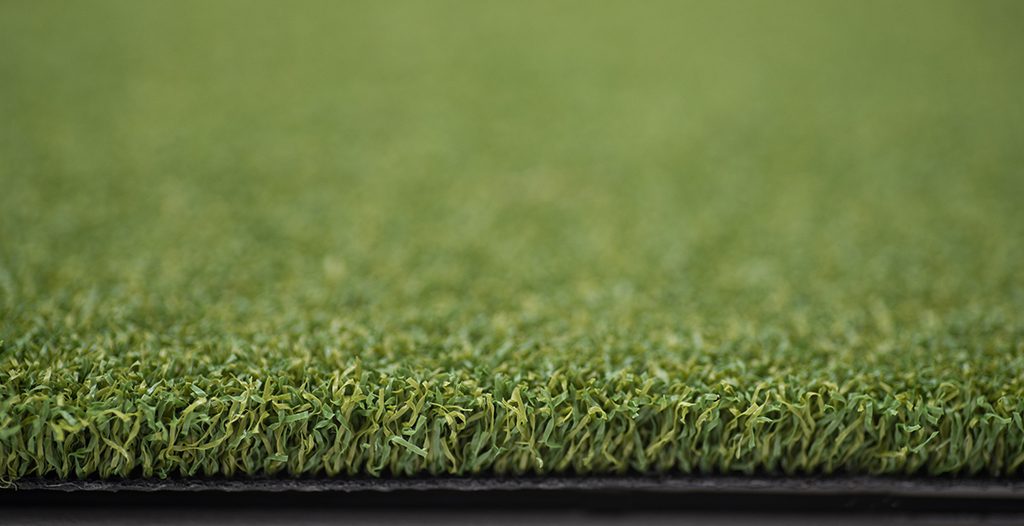
Indoor facilities require specific turf characteristics. Shorter pile heights work best in enclosed spaces. The 25mm artificial grass option provides excellent performance for indoor applications. This pile height delivers optimal ball roll for soccer training. Cricket nets benefit from the consistent bounce characteristics.
The 30mm artificial turf variety offers slightly more cushioning. Both options eliminate the need for infill in many indoor applications. This feature reduces maintenance requirements significantly. Dust and debris stay minimal in climate-controlled environments.
Shorter pile heights provide additional benefits. Athletes move naturally across the surface. Footwork drills become more effective. Ball control improves with predictable surface interaction. Training quality increases substantially compared to outdoor alternatives.
Shock Pad Requirements for Indoor Training Facilities
Shock absorption matters tremendously for indoor sports facilities. Concrete subflooring creates hard impacts without proper underlayment. Quality shock pads protect athletes from injuries during intense training sessions.
Foam-based shock pads work exceptionally well for indoor installations. Rubber shock pads offer similar benefits with enhanced durability. Thickness typically ranges from 10mm to 15mm for soccer facilities. Cricket nets may use slightly thinner options depending on usage intensity.
The shock pad serves multiple purposes. It cushions impacts during falls and slides. The underlayment extends the lifespan of the artificial turf surface. Proper shock absorption reduces player fatigue during extended training sessions. Elite academies understand this investment pays dividends in athlete performance.
Indoor facilities benefit from shock pads in other ways too. Sound absorption improves significantly with proper underlayment. Climate control systems work more efficiently. The combination creates optimal training environments for serious athletes.
Ceiling Height Considerations for Cricket Nets
Cricket nets demand specific spatial requirements. Indoor facilities must accommodate full batting strokes. Bowling deliveries reach considerable heights during their trajectory. Minimum ceiling heights typically start at 6 meters for basic training.
Professional academies in Sandton require even more clearance. Elite facilities install ceilings at 7.5 to 9 meters. This height allows proper ball flight simulation. Batsmen practice authentic shot selection. Bowlers develop proper release points without restrictions.
Cricket pitches with artificial turf provide consistent bounce characteristics. The synthetic surface eliminates variable bounce from worn natural pitches. Training quality improves dramatically with predictable playing conditions. Ball behavior becomes reliable for both fast and spin bowling.
Lighting placement works in conjunction with ceiling height. Fixtures mount high enough to avoid interference. Shadow patterns minimize across the playing surface. These details matter for serious cricket development programs.
Small-Sided Soccer Court Specifications
Indoor soccer training facilities vary in size based on available space. Five-a-side courts typically measure 25 meters by 16 meters. Seven-a-side facilities expand to 50 meters by 32 meters. Smaller training areas focus on technical skill development.
Wall placement requires careful consideration. Some facilities incorporate rebound walls for passing drills. Others maintain traditional boundaries with perimeter fencing. The choice depends on training methodology and space constraints.
Installing artificial grass for soccer facilities follows specific guidelines. Surface preparation ensures proper drainage even indoors. Seaming requires precision for consistent ball roll. Line marking must meet official specifications for competitive training.
Shorter pile artificial turf excels for small-sided games. Ball speed remains appropriate for confined spaces. Players develop quick decision-making skills. Technical ability improves through repetitive high-quality touches.
Ventilation Needs for Indoor Sports Facilities
Climate control separates exceptional facilities from average ones. Indoor sports centers require robust ventilation systems. Air circulation prevents heat buildup during intense training sessions. Humidity control protects the artificial turf surface from moisture problems.
Fresh air exchange rates typically range from 6 to 10 complete cycles per hour. This rate maintains comfortable training conditions year-round. Carbon dioxide levels remain healthy for athletic performance. Temperature regulation keeps spaces between 15 and 20 degrees Celsius.
Ventilation design affects artificial turf performance significantly. Proper airflow prevents condensation on synthetic fibers. The playing surface stays dry and consistent. Athletes maintain traction throughout training sessions.
Elite academies in Midrand invest heavily in ventilation infrastructure. Sports turf facilities function optimally with proper environmental controls. Training quality remains high regardless of outdoor weather conditions.
Artificial Turf Performance in Climate-Controlled Environments
Climate control offers distinct advantages for artificial turf installations. Temperature stability extends surface lifespan considerably. UV degradation becomes nonexistent in indoor facilities. Synthetic fibers maintain their structural integrity for extended periods.
Consistent moisture levels prevent fiber breakdown. The turf resists microbial growth in controlled environments. Maintenance requirements decrease substantially compared to outdoor installations. Facilities save money on long-term upkeep costs.
Playing characteristics remain remarkably stable. Ball bounce stays predictable across all seasons. Traction levels never vary due to weather changes. Athletes train with confidence in surface consistency. Performance development accelerates when training conditions stay optimal.
LawnKing Gardens specializes in artificial turf solutions for indoor sports facilities. Their expertise spans cricket nets, soccer courts, and multi-sport applications. Each installation receives customized attention based on facility requirements. Professional installation ensures surfaces perform to specifications.
Multi-Sport Flexibility in Indoor Facilities
Many Sandton and Woodmead facilities serve multiple sports. Artificial turf provides exceptional versatility for varied activities. Cricket nets convert to soccer training areas efficiently. Line configurations change based on daily scheduling needs.
The same surface accommodates fitness training programs. Speed and agility drills work perfectly on quality artificial turf. Strength and conditioning exercises benefit from consistent footing. Facility operators maximize space utilization and revenue potential.
Tennis court applications demonstrate turf versatility further. Some facilities incorporate artificial grass tennis surfaces alongside other sports areas. The material performs excellently across different athletic requirements. Investment value increases through multi-purpose functionality.
Maintenance Requirements for Indoor Artificial Turf
Indoor installations require minimal maintenance compared to outdoor fields. Regular brushing keeps fibers upright and performing well. Weekly debris removal maintains surface cleanliness. These simple tasks preserve playing quality for years.
Deep cleaning occurs quarterly in most facilities. Specialized equipment removes accumulated dust and particles. The process takes minimal time compared to natural grass maintenance. Facilities remain operational during cleaning procedures.
No watering, fertilizing, or mowing ever occurs. These savings add up tremendously over facility lifespans. Staff focus on athlete development rather than groundskeeping. Training quality improves when resources concentrate on core programs.
Investment Considerations for Indoor Sports Facilities
Initial costs for quality artificial turf installations range significantly. Materials, shock pads, and professional installation drive total investment. However, long-term value exceeds comparable natural grass facilities.
Operational savings begin immediately after installation. Water bills disappear completely for artificial surfaces. Fertilizer and pesticide costs eliminate entirely. Maintenance staff requirements decrease by 70 to 80 percent.
Facility utilization increases dramatically with artificial turf. Training schedules run independently of weather conditions. Revenue potential multiplies through consistent availability. Elite academies recognize these financial advantages quickly.
Choosing the Right Artificial Turf Partner
Facility operators need experienced partners for successful installations. LawnKing Gardens brings extensive expertise to indoor sports projects. Their team understands the unique requirements of cricket nets and soccer facilities. Each installation receives careful planning and execution.
Professional installation ensures optimal performance from day one. Proper subflooring preparation prevents future problems. Seaming techniques eliminate irregularities in playing surfaces. Quality control measures guarantee surfaces meet specifications.
Contact LawnKing Gardens at 068 474 7303 for indoor facility consultations. Their experts assess your space and recommend optimal solutions. Transform your Sandton or Midrand facility into a premier training destination. Elite athletes deserve exceptional training environments that deliver consistent results.
Ready to elevate your indoor sports facility? Explore LawnKing Gardens’ sports turf solutions and discover how artificial turf transforms training programs across Johannesburg’s northern suburbs.
Recent Posts:
- Can Artificial Turf Support Multiple Sports? Solutions for Schools in Bedfordview and Edenvale
- What’s the Installation Timeline for Artificial Turf Soccer Fields at Schools in Fourways and Sunninghill?
- How Do Residential Estates in Dainfern and Blair Atholl Maintain Multi-Sport Artificial Turf Fields?