Best Construction Materials for Tennis Courts
Johannesburg’s unique climate presents specific challenges for tennis court construction. Therefore, choosing the right materials becomes critical for long-term performance. The city experiences intense summer heat, occasional frost in winter, and dramatic temperature fluctuations throughout the year. Moreover, water restrictions and seasonal rainfall patterns significantly impact material selection decisions.
Understanding Johannesburg’s Climate Challenges
Johannesburg sits at high altitude on the Highveld plateau. Consequently, the city receives intense UV radiation year-round. Summer temperatures often exceed 30°C, while winter nights can drop below freezing. Additionally, afternoon thunderstorms during summer months bring heavy rainfall within short periods. These conditions demand construction materials that withstand extreme temperature variations.
Furthermore, the region’s water scarcity makes low-maintenance surfaces increasingly valuable. Traditional grass courts struggle during drought periods. Meanwhile, artificial alternatives continue gaining popularity across Gauteng’s sporting facilities.
Hard Court Surfaces: The Proven Choice
Hard courts dominate tennis facilities worldwide for good reason. These surfaces use an asphalt or concrete base with acrylic coating layers. Subsequently, they deliver excellent durability and consistent ball bounce characteristics.
Benefits of Acrylic Hard Courts
Acrylic surfaces excel in Johannesburg’s climate because they resist UV damage effectively. The material maintains structural integrity through temperature extremes. Additionally, proper drainage systems prevent water accumulation during summer storms.
Hard courts require minimal maintenance compared to natural grass options. Players enjoy predictable ball behavior across the entire playing surface. Professional tournaments, including the Australian Open and US Open, use acrylic surfaces exclusively.
However, these surfaces can become uncomfortably hot during peak summer months. Therefore, lighter color selections help reduce heat absorption. Regular resurfacing every five to seven years maintains optimal playing conditions.
Artificial Grass: The Modern Alternative
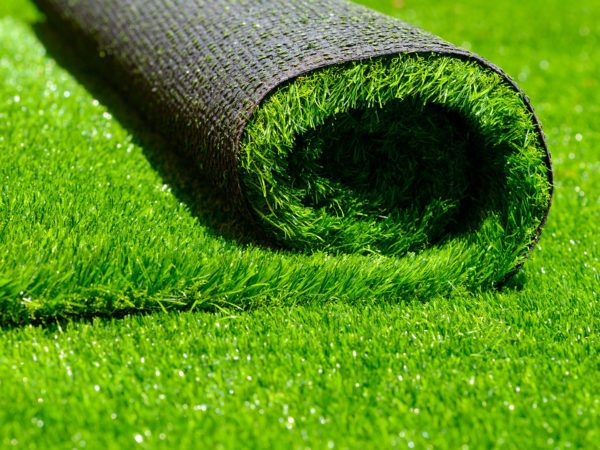
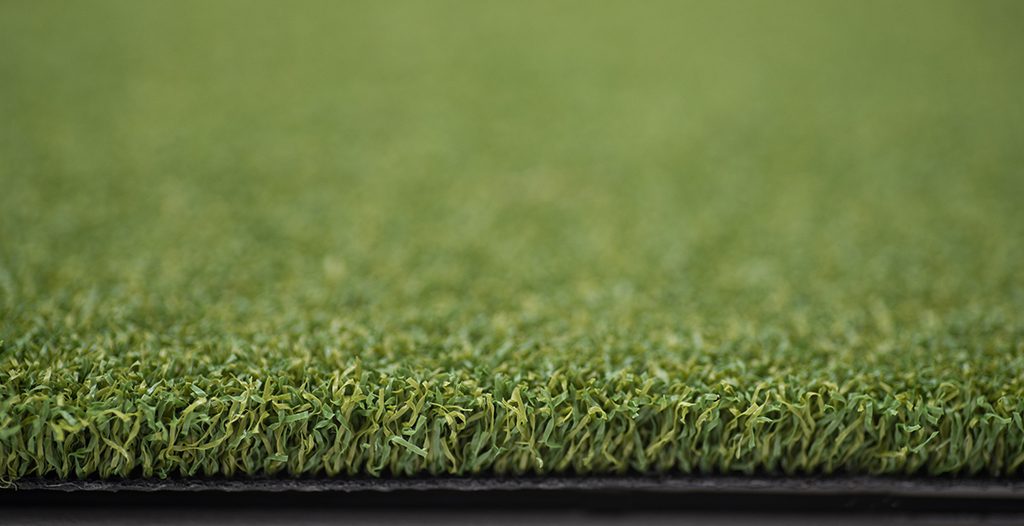
Artificial grass tennis courts have revolutionized sports facilities across Johannesburg and Midrand. This innovative material delivers year-round playability without water requirements. Moreover, synthetic turf eliminates the extensive maintenance demands of natural grass surfaces.
Why Artificial Grass Works for Johannesburg
Johannesburg’s water restrictions make artificial grass increasingly practical. The material requires no irrigation, mowing, or fertilization. Furthermore, artificial sports turf maintains consistent performance regardless of weather conditions.
Modern synthetic surfaces provide excellent shock absorption properties. Players experience reduced joint stress during intense matches. Additionally, the uniform playing surface ensures predictable ball bounce and reliable traction.
Premium artificial grass withstands Johannesburg’s harsh UV exposure effectively. The fibers resist fading and degradation over many years. Consequently, facilities enjoy attractive courts without ongoing chemical treatments or water consumption.
Installation Considerations
Professional installation ensures optimal performance and longevity. The process begins with proper site preparation and drainage system installation. A stable crushed stone base provides the foundation. Subsequently, installers lay the artificial grass and secure it permanently.
Infill materials, typically sand or rubber granules, stabilize the surface. These materials help maintain fiber position and provide additional cushioning. Tennis court construction requires precision to achieve professional-grade results.
Proper drainage becomes especially important for Johannesburg’s summer thunderstorms. Well-designed systems quickly remove water from the playing surface. Therefore, matches continue soon after rainfall without extended delays.
Clay Courts: Traditional but Challenging
Clay courts offer a slower playing surface that suits certain playing styles. However, this option presents significant challenges in Johannesburg’s climate. Red clay requires constant moisture to maintain proper consistency. Therefore, water restrictions make clay courts increasingly impractical.
Additionally, clay surfaces demand extensive daily maintenance. Staff must water, roll, and brush the courts regularly. Wind can disturb the playing surface, requiring frequent repairs. Consequently, operational costs exceed those of artificial alternatives significantly.
Comparing Material Performance
Different materials perform distinctly in Johannesburg’s environmental conditions. Hard courts provide durability and consistency with moderate maintenance requirements. They handle temperature extremes effectively but can retain heat during summer.
Artificial grass eliminates water consumption entirely while delivering year-round playability. The material resists weather damage and maintains appearance without chemical treatments. Furthermore, sports turf offers versatility for multi-sport applications.
Clay courts require intensive maintenance and significant water resources. These factors make them less viable during drought periods. Moreover, installation costs often exceed those of synthetic alternatives over time.
Temperature and UV Resistance
Johannesburg’s high altitude intensifies UV radiation exposure dramatically. Therefore, materials must incorporate UV stabilization for long-term durability. Quality artificial grass features UV-resistant fibers that maintain color vibrancy.
Acrylic coatings on hard courts should include UV-stabilized formulations. This protection prevents premature cracking and surface degradation. Additionally, lighter colors reflect more sunlight, reducing surface temperatures.
Temperature fluctuations cause expansion and contraction in construction materials. Proper installation techniques account for these movements. Expansion joints in concrete bases prevent crack formation during seasonal changes.
Drainage Systems: Critical for Success
Effective drainage separates successful tennis courts from problematic installations. Johannesburg’s summer storms deliver intense rainfall within short timeframes. Therefore, courts must quickly shed water to maintain playability.
Professional installations incorporate multiple drainage layers. The foundation uses graded stone that allows water percolation. Subsequently, surface materials feature perforated backing for rapid water movement.
Proper slope ensures water flows away from the playing surface efficiently. Courts require gradients sufficient for drainage without affecting ball bounce. Additionally, perimeter drainage systems capture runoff before it reaches surrounding areas.
Cost Considerations and Long-Term Value
Initial construction costs vary significantly between surface materials. Hard courts typically require substantial investment in base preparation and surfacing. However, they deliver decades of service with appropriate maintenance.
Artificial grass installation involves higher upfront costs than natural alternatives. Nevertheless, the elimination of water, fertilizer, and mowing expenses creates long-term savings. Facilities recover their investment through reduced operational costs over time.
Maintenance requirements directly impact total ownership costs. Natural surfaces demand continuous labor and resource inputs. Meanwhile, synthetic options require only periodic brushing and occasional cleaning.
Environmental Impact and Sustainability
Water conservation represents a critical concern for Johannesburg properties. Artificial grass eliminates irrigation requirements entirely, saving thousands of liters annually. This benefit becomes increasingly valuable during drought periods and water restrictions.
Furthermore, synthetic surfaces require no pesticides, herbicides, or fertilizers. These chemicals often contaminate groundwater and harm local ecosystems. Therefore, artificial alternatives support environmental sustainability goals.
Modern manufacturing processes increasingly use recycled materials for artificial grass production. Many products feature recyclable components at end-of-life. Consequently, facilities can minimize environmental footprints while maintaining premium playing surfaces.
Professional Standards and Compliance
The International Tennis Federation establishes construction standards for competitive facilities. Courts must meet specific requirements for dimensions, surface characteristics, and safety features. Professional installations ensure compliance with these guidelines.
Surface materials must deliver consistent ball bounce and appropriate pace ratings. Players depend on predictable court behavior for competitive play. Additionally, proper construction prevents injury risks from uneven surfaces or inadequate drainage.
Facilities hosting tournaments require ITF-certified surfaces. This certification validates that courts meet international performance standards. Working with experienced contractors ensures your facility achieves necessary certifications.
Choosing the Right Material for Your Facility
Several factors influence optimal material selection for tennis court projects. Climate conditions represent the primary consideration for Johannesburg installations. Additionally, budget constraints, intended use, and maintenance capabilities affect decisions.
Recreational facilities prioritize low maintenance and year-round availability. Therefore, artificial grass solutions often provide the best value. These surfaces deliver consistent performance without extensive resource requirements.
Competitive venues may prefer hard courts for their universal acceptance. Professional players train on similar surfaces worldwide. However, synthetic alternatives increasingly gain recognition for tournament play.
Maintenance Requirements by Material
Hard courts require regular cleaning to remove dirt and debris. Periodic pressure washing maintains surface appearance and traction. Additionally, resurfacing every five to seven years restores optimal playing characteristics.
Artificial grass demands minimal upkeep compared to natural alternatives. Regular brushing redistributes infill materials and maintains fiber position. Occasional rinsing removes dust and pollen accumulation. Furthermore, high-traffic areas may require infill replenishment periodically.
Clay courts necessitate daily maintenance for acceptable playing conditions. Staff must water, drag, and roll surfaces before each use. Lines require frequent repainting to maintain visibility. Consequently, labor costs significantly exceed those of synthetic options.
Installation Timeline and Process
Tennis court construction follows a systematic process regardless of surface material. Site preparation begins with clearing and leveling the designated area. Subsequently, contractors install drainage systems and prepare the foundation layers.
Base construction requires careful grading and compaction. Multiple stone layers create a stable, permeable foundation. This phase typically consumes the majority of construction time.
Surface installation proceeds once the base cures properly. Hard courts receive multiple acrylic coating layers. Artificial grass requires precise seaming and infill distribution. Professional installers complete most projects within two to four weeks, depending on site conditions.
Making the Final Decision
Johannesburg’s climate clearly favors materials that resist UV damage and temperature extremes. Additionally, water conservation concerns make irrigation-dependent surfaces less practical. Artificial grass emerges as an increasingly attractive option for modern facilities.
The combination of zero water requirements, minimal maintenance, and year-round playability delivers exceptional value. Furthermore, synthetic surfaces align with environmental sustainability goals while reducing operational costs.
However, hard courts remain viable for facilities with adequate maintenance budgets. These surfaces provide familiar playing characteristics and universal acceptance. Ultimately, the best choice depends on your specific requirements, budget, and long-term goals.
Expert Installation Services
Professional installation ensures your tennis court investment delivers optimal performance. Experienced contractors understand Johannesburg’s unique climate challenges. They implement proven techniques for drainage, base preparation, and surface installation.
Lawn King serves Randburg, Midrand, and surrounding areas with comprehensive tennis court solutions. Their team provides expert consultation, quality materials, and professional installation services. From initial planning through final completion, they ensure your facility meets the highest standards.
Transform your property with a tennis court designed specifically for Johannesburg’s climate. Contact the experts who understand local conditions and deliver lasting results. Your perfect playing surface awaits professional installation by experienced specialists.
Related Resources:
- International Tennis Federation Court Construction Guidelines
- American Sports Builders Association Standards
For professional tennis court installation in Randburg and Midrand, contact Lawn King at 068 474 7303. Our experienced team delivers quality artificial grass solutions tailored to Johannesburg’s climate.
Recent posts:
- How Much Does It Cost to Build a Padel Court in Rosebank and Hyde Park?
- What Are the Standard Dimensions for Tennis Court Construction in Sandton and Waterfall Estate?
- Common Cladding Installation Mistakes to Avoid in Honeydew and Northriding
- Maintaining Your Cladding Through Johannesburg’s Seasons: A Year-Round Care Guide for Weltevreden Park and Bordeaux Residents
- Eco-Friendly and Sustainable Cladding Options for Environmentally Conscious Homeowners in Ferndale and Randpark Ridge