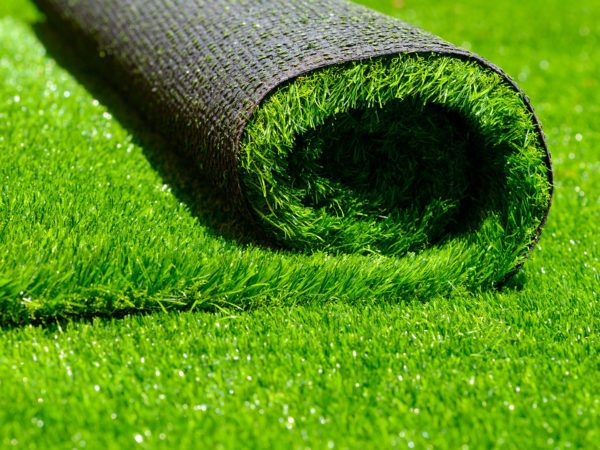
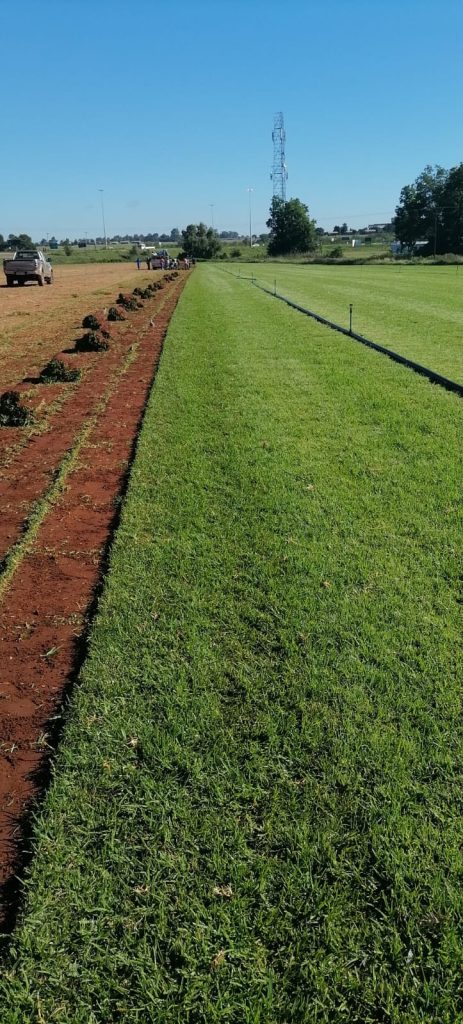
Artificial Sports Surfaces in Johannesburg
In the heart of South Africa’s sporting capital, Johannesburg’s athletic landscape is undergoing a revolutionary transformation. Artificial sports surfaces have emerged as the cornerstone of modern sporting infrastructure, offering unparalleled durability, consistency, and performance across diverse athletic disciplines. Whether you’re planning a professional soccer stadium, a community tennis court, or a multi-sport facility, understanding the intricacies of artificial sports surfaces in Johannesburg is essential for making informed decisions that will serve athletes and communities for decades to come.
The demand for artificial sports surfaces in Johannesburg has skyrocketed in recent years, driven by the city’s challenging climate conditions, water scarcity concerns, and the need for year-round playability. From the bustling suburbs of Randburg to the developing areas of Midrand, sports facilities are increasingly turning to synthetic solutions that provide consistent performance regardless of weather conditions.
The Evolution of Artificial Sports Surfaces in South African Sport
The journey of artificial sports surfaces in Johannesburg mirrors the global evolution of synthetic turf technology. Initially introduced in the 1960s with the installation at the Houston Astrodome, artificial grass technology has advanced significantly to meet the demanding requirements of modern sport. Today’s artificial sports surfaces utilize cutting-edge materials such as polypropylene and polyethylene fibers, engineered to replicate the playing characteristics of natural grass while offering superior durability and consistency.
The South African sporting landscape has embraced this technology with remarkable enthusiasm. Professional soccer clubs, tennis academies, and recreational facilities across Johannesburg have recognized the long-term benefits of investing in high-quality artificial sports surfaces. The transformation has been particularly evident in areas where traditional grass maintenance proves challenging due to the region’s variable climate and water restrictions.
Modern artificial sports surfaces undergo rigorous testing and certification processes to ensure they meet international standards. These surfaces are designed to provide optimal ball bounce, player traction, and shock absorption, creating an environment where athletes can perform at their peak while minimizing the risk of injury. The consistency offered by artificial surfaces eliminates the variables that can affect game outcomes on natural grass fields, ensuring fair play and professional-standard conditions.
Soccer Fields: The Heart of Johannesburg’s Sporting Culture
Soccer remains the most popular sport in Johannesburg, and artificial surfaces have revolutionized how the game is played and experienced. Professional sports turf designed specifically for soccer offers numerous advantages over traditional grass fields, particularly in the challenging South African climate.
The consistency of artificial soccer surfaces ensures that ball behavior remains predictable throughout the match, regardless of weather conditions or usage frequency. This consistency is crucial for player development, as athletes can rely on uniform surface conditions to hone their skills and execute strategic plays. The durability of modern artificial soccer turf means that fields can accommodate multiple training sessions and matches without experiencing the wear patterns that typically plague natural grass surfaces.
Professional soccer facilities in Johannesburg have increasingly adopted artificial surfaces that meet FIFA Quality Programme standards. These surfaces undergo comprehensive testing to ensure they provide appropriate ball roll, vertical ball rebound, shock absorption, and surface friction characteristics. The FIFA Quality Programme establishes the benchmark for artificial football turf products and systems, ensuring they perform comparably to natural turf in optimal condition.
The installation of artificial soccer surfaces has also democratized access to quality playing fields. Community facilities can now provide professional-standard surfaces that remain playable year-round, supporting youth development programs and recreational leagues. This accessibility has contributed to the growth of soccer participation across Johannesburg’s diverse communities, creating opportunities for players of all skill levels to develop their talents on consistent, high-quality surfaces.
Tennis Courts: Precision and Performance Through Artificial Innovation
Tennis courts represent one of the most demanding applications for artificial sports surfaces, requiring exceptional precision in ball bounce, surface speed, and player movement characteristics. Artificial turf for tennis courts has evolved to meet these exacting standards, offering players and facility managers numerous advantages over traditional court surfaces.
The consistency of artificial tennis surfaces eliminates the variables that can affect match outcomes on natural grass courts. Unlike natural grass, which can become slippery when wet or worn in high-traffic areas, artificial tennis surfaces maintain their playing characteristics throughout the match. This consistency is particularly valuable for tournament play, where fairness and predictability are paramount to competitive integrity.
Modern artificial tennis court surfaces provide excellent traction and shock absorption, reducing the risk of player injuries while maintaining the fast-paced nature of the game. The synthetic fibers are engineered to provide optimal grip for tennis shoes, allowing players to make quick directional changes and explosive movements without compromising stability. The cushioning properties of quality artificial tennis surfaces help reduce the impact stress on players’ joints, contributing to longer, healthier playing careers.
The maintenance requirements for artificial tennis courts are significantly reduced compared to natural grass surfaces. Building tennis courts with artificial grass eliminates the need for regular watering, mowing, and seasonal renovations that are essential for maintaining natural grass courts. This reduction in maintenance requirements translates to lower operational costs and increased court availability for players and clubs.
Professional tennis facilities in Johannesburg have recognized the nine key reasons artificial turf outperforms natural grass for tennis applications. These include superior weather resistance, consistent ball bounce, reduced maintenance requirements, and enhanced durability under heavy usage. The ability to play immediately after rainfall, without concern for surface damage or safety issues, has made artificial tennis courts increasingly popular among serious players and tournament organizers.
Multi-Sport Applications: Versatility in Athletic Surface Design
The versatility of modern artificial sports surfaces extends far beyond soccer and tennis, encompassing a wide range of athletic disciplines and recreational activities. Multi-sport facilities in Johannesburg are increasingly adopting artificial surfaces that can accommodate various activities while maintaining optimal performance characteristics for each application.
Hockey fields have particularly benefited from artificial surface technology, with synthetic turf providing the fast, consistent playing surface required for modern field hockey. The smooth, even surface allows for precise ball control and rapid play development, characteristics that are essential for high-level hockey competition. The durability of artificial hockey surfaces ensures that they can withstand the intensive training schedules and frequent matches that characterize competitive hockey programs.
Rugby fields utilizing artificial surfaces offer enhanced player safety through improved shock absorption and consistent traction characteristics. The synthetic fibers are designed to provide optimal grip for rugby boots while offering sufficient cushioning to reduce impact injuries during tackles and scrums. The ability to maintain consistent playing conditions regardless of weather has made artificial rugby surfaces increasingly popular among professional and amateur clubs throughout Johannesburg.
The versatility of artificial sports surfaces extends to less traditional applications, including playground surfaces and recreational areas. Artificial grass for playground surfaces provides a safe, hygienic environment for children while requiring minimal maintenance. The soft texture of specialized playground turf reduces the risk of injury from falls while providing an attractive, durable surface that can withstand heavy use.
Technical Specifications and Performance Standards
Understanding the technical specifications of artificial sports surfaces is crucial for making informed decisions about installation and maintenance. Modern artificial sports surfaces are engineered to meet specific performance criteria that ensure optimal playing conditions and player safety across various athletic disciplines.
The pile height of artificial sports surfaces varies depending on the intended application, with soccer fields typically utilizing longer pile heights to replicate the playing characteristics of natural grass. 25mm artificial grass provides an excellent balance of durability and performance for multi-sport applications, while 35mm artificial grass offers enhanced cushioning and a more natural appearance for premium installations.
The infill system used in artificial sports surfaces plays a crucial role in determining playing characteristics and performance longevity. Sand and rubber infill combinations provide optimal ball bounce and surface stability, while newer organic infill materials offer enhanced environmental sustainability and improved player comfort. The proper distribution and maintenance of infill materials are essential for preserving the performance characteristics of artificial sports surfaces throughout their operational lifespan.
Drainage systems integrated into artificial sports surfaces ensure rapid water removal and prevent surface flooding during heavy rainfall. The permeable backing materials used in quality artificial turf allow water to drain quickly while maintaining surface integrity and preventing the pooling that can create unsafe playing conditions. This drainage capability is particularly important in Johannesburg’s variable climate, where sudden heavy rainfall can quickly render natural grass surfaces unplayable.
According to FIFA’s comprehensive testing protocols, artificial sports surfaces must meet stringent requirements for ball roll, vertical ball rebound, shock absorption, and surface friction. These standards ensure that artificial surfaces provide playing characteristics comparable to natural grass while offering superior consistency and durability.
Installation and Maintenance Considerations
The successful installation of artificial sports surfaces requires careful planning, proper site preparation, and skilled execution to achieve optimal performance and longevity. Professional installation teams must address numerous factors, including drainage, base preparation, and surface grading, to ensure the artificial surface meets performance specifications and safety requirements.
Site preparation for artificial sports surfaces begins with comprehensive drainage system installation and base layer construction. The foundation must provide adequate support for the artificial surface while ensuring proper water drainage and preventing settling that could create uneven playing conditions. Quality base materials and proper compaction techniques are essential for achieving the stable foundation required for professional-standard artificial sports surfaces.
The installation process requires precise attention to detail in seaming, anchoring, and infill distribution to achieve uniform playing characteristics across the entire surface. Professional installation teams utilize specialized equipment and techniques to ensure proper fiber orientation, consistent pile height, and optimal infill integration. The quality of installation directly impacts the performance and longevity of the artificial surface, making professional installation essential for achieving the best results.
Regular maintenance is crucial for preserving the performance characteristics and extending the lifespan of artificial sports surfaces. While maintenance requirements are significantly reduced compared to natural grass, artificial surfaces still require periodic grooming, infill redistribution, and cleaning to maintain optimal playing conditions. Professional maintenance programs ensure that artificial surfaces continue to meet performance standards and provide safe, consistent playing conditions throughout their operational life.
Conclusion: The Future of Sports in Johannesburg
The adoption of artificial sports surfaces in Johannesburg represents a fundamental shift toward sustainable, high-performance athletic infrastructure that serves the needs of modern sport. From professional soccer stadiums to community tennis courts, artificial surfaces provide the consistency, durability, and performance characteristics that athletes demand while offering facility managers reduced maintenance requirements and enhanced operational flexibility.
The investment in quality artificial sports surfaces pays dividends through improved player performance, reduced operational costs, and enhanced facility utilization. As Johannesburg continues to grow as a sporting destination, artificial surfaces will play an increasingly important role in providing world-class athletic facilities that can accommodate the diverse needs of the city’s vibrant sporting community.
The future of artificial sports surfaces in Johannesburg looks bright, with continued technological advancement promising even better performance, sustainability, and value for sporting facilities across the region. By choosing quality artificial sports surfaces from reputable suppliers, facility managers can ensure their investments provide decades of reliable service while supporting the development of sport at all levels throughout Johannesburg’s dynamic athletic landscape.
Recent Posts: