Tennis Court Construction
Planning a new tennis court for your property in Bryanston or Morningside? Understanding the construction timeline helps you prepare adequately and set realistic expectations. Tennis court construction typically takes between 4 to 8 weeks for completion, though several factors can influence this timeframe.
Understanding Tennis Court Construction Timelines
The duration of tennis court construction varies based on multiple elements. Weather conditions play a crucial role in determining how quickly your project progresses. Additionally, the type of surface you choose significantly impacts the overall timeline.
Property owners in Bryanston and Morningside often wonder why construction takes several weeks. The answer lies in the meticulous process required to create a durable, high-quality playing surface. Each phase demands careful attention to ensure your court meets professional standards and provides years of reliable service.
Initial Planning and Site Assessment
Every successful project begins with thorough planning. Your contractor visits the site to evaluate ground conditions, drainage requirements, and space availability. This assessment typically takes 3 to 5 days.
During this phase, professionals measure the designated area and check for potential obstacles. They examine soil quality, existing vegetation, and slope characteristics. These factors determine the extent of preparation work needed before actual construction begins.
Site Preparation and Groundwork
Site preparation represents one of the most time-intensive phases. Contractors clear vegetation, remove existing structures, and level the ground. This process usually requires 1 to 2 weeks, depending on your property’s current condition.
Ground leveling ensures proper drainage and prevents water accumulation on your court surface. Workers excavate the area and create a slight slope for water runoff. This slope, typically around 1% to 2%, directs rainwater away from the playing surface naturally.
The foundation work follows site preparation. Contractors lay a stable base using crushed stone or gravel. They compact this material thoroughly to create a solid foundation that prevents future settling or shifting. This crucial step takes approximately 3 to 5 days.
Base Installation and Curing Time
The base layer forms the backbone of your tennis court. Contractors can install either concrete or asphalt bases, each with distinct advantages and timelines.
Concrete bases offer superior durability but require extended curing periods. After pouring, concrete needs approximately 28 days to cure fully before surfacing can begin. This waiting period ensures the base achieves maximum strength and stability.
Asphalt bases cure faster, typically requiring only 1 to 2 weeks. However, contractors must still allow adequate time for the material to set properly. Rushing this phase compromises the court’s long-term integrity and performance.
Artificial Grass Tennis Court Installation
For property owners seeking low-maintenance solutions, artificial grass tennis courts present an excellent alternative. These surfaces offer consistent playability throughout the year while requiring minimal upkeep.
Installing artificial grass typically takes less time than traditional surfacing methods. Once the base is prepared and cured, contractors can complete the artificial turf installation within 3 to 5 days. This shorter timeline makes artificial grass an attractive option for those needing faster project completion.
The advantages of artificial grass for tennis courts extend beyond quick installation. These surfaces withstand Johannesburg’s variable weather conditions exceptionally well. Players enjoy reliable ball bounce and traction regardless of recent rainfall or temperature fluctuations.
Surface Application Process
Traditional court surfaces require multiple coating layers. Each layer needs proper drying time before contractors apply the next one. This process typically spans 1 to 2 weeks, weather permitting.
Acrylic surfaces, popular for their durability and vibrant colors, involve several application stages. Contractors apply primer coats first, followed by cushioning layers and color coats. Finally, they add texture coats that provide the right amount of grip for players.
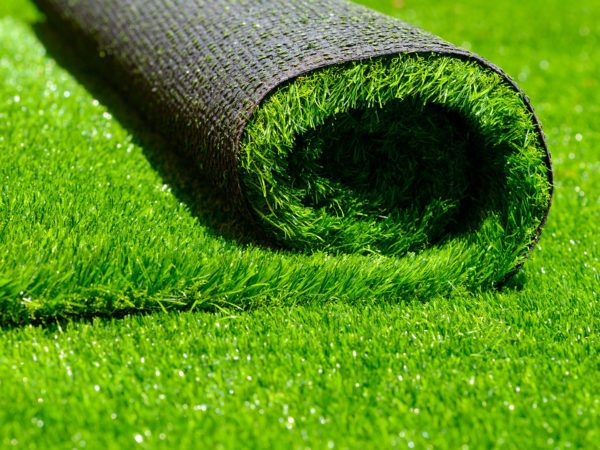
For artificial sports turf tennis courts, the installation process differs significantly. Contractors roll out the synthetic grass and secure it to the prepared base. They then fill the turf with sand to provide stability and proper ball bounce characteristics.
Fencing, Lighting, and Final Details
Once the playing surface is complete, contractors install peripheral elements. Fencing typically takes 2 to 3 days to erect around the court perimeter. This barrier keeps balls within the playing area and enhances security.
Lighting installation adds another few days to the timeline. Proper illumination extends playing hours significantly, making your court usable during early mornings and evenings. Contractors position lights strategically to minimize shadows and glare on the playing surface.
Line marking represents the final construction phase. For traditional surfaces, contractors paint regulation lines using specialized equipment. For artificial grass courts, manufacturers often pre-tuft lines into the material, eliminating this step entirely.
Weather Impact on Construction Timelines
Johannesburg’s weather patterns significantly influence construction schedules. Summer thunderstorms can delay outdoor work, particularly during base preparation and surface application phases. Contractors cannot pour concrete or apply coatings during rainy conditions.
Winter months offer more stable weather conditions, though cooler temperatures can extend curing times slightly. Planning your tennis court construction project during optimal weather windows helps avoid unnecessary delays.
Artificial grass installation proves less weather-dependent than traditional surfacing methods. Contractors can work in light rain since synthetic turf doesn’t require curing time. This flexibility often results in more predictable project completion dates.
Factors That Extend Construction Time
Several variables can lengthen your tennis court construction timeline. Complex site conditions require additional preparation work. Properties with significant slopes need extensive grading and retaining wall construction.
Permit acquisition sometimes causes delays. Local authorities in Bryanston and Morningside require specific approvals before construction begins. Processing these permits typically takes 2 to 4 weeks, so early application prevents project delays.
Custom design elements add time to the construction schedule. Features like viewing areas, shade structures, or integrated landscaping require additional planning and installation work. However, these enhancements significantly improve your court’s functionality and aesthetic appeal.
Choosing the Right Surface Material
Surface selection directly impacts your construction timeline and long-term satisfaction. Each option offers distinct characteristics suited to different needs and preferences.
Hard courts with acrylic surfaces provide excellent durability and consistent ball bounce. According to Tennis Australia, these surfaces suit various playing styles and weather conditions. However, they require the longest installation time due to multiple coating layers and extended curing periods.
Clay courts need specialized materials and ongoing maintenance. While they offer unique playing characteristics, construction takes longer and requires experienced contractors familiar with clay court specifications.
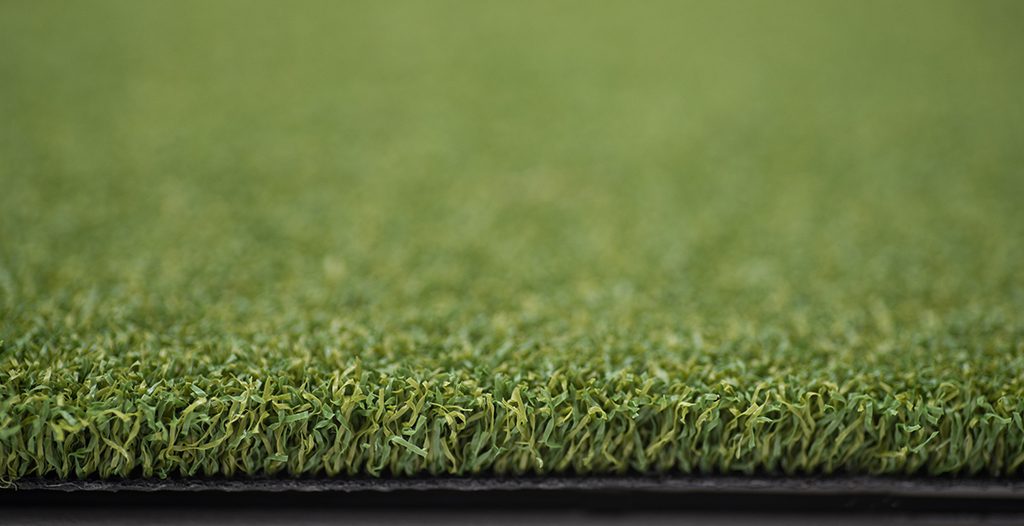
Artificial grass courts combine quick installation with minimal maintenance requirements. CCGrass research shows these surfaces typically last 8 to 10 years with proper care. The faster installation timeline makes them increasingly popular for residential properties in upscale suburbs like Bryanston and Morningside.
Expected Timeline for Different Court Types
Standard tennis courts with traditional hard surfaces typically require 6 to 8 weeks from groundbreaking to completion. This timeline assumes favorable weather conditions and straightforward site preparation.
Projects featuring artificial grass installation often finish within 4 to 6 weeks. The reduced curing time for the base and quick turf installation accelerate the overall schedule significantly.
Multiple court complexes naturally take longer to complete. However, experienced contractors often work on courts simultaneously, reducing the per-court construction time. This efficiency benefits schools, clubs, and commercial facilities needing several courts.
Working With Professional Contractors
Selecting experienced contractors dramatically affects your project’s success. Professionals understand local soil conditions, weather patterns, and building regulations specific to Bryanston and Morningside.
Quality contractors provide detailed timelines during the planning phase. They identify potential challenges early and develop strategies to minimize delays. This proactive approach ensures your project stays on schedule and within budget.
Communication remains crucial throughout construction. Reputable contractors provide regular updates on progress and promptly address any concerns. This transparency helps property owners understand each phase and prepare accordingly.
Maintenance Planning for Long-Term Performance
Construction completion marks the beginning of your court’s service life. Proper maintenance ensures optimal performance for years to come.
Traditional surfaces require periodic recoating every 3 to 5 years. Regular cleaning removes debris and prevents staining. These maintenance tasks preserve the court’s appearance and playing characteristics.
Artificial grass courts need minimal upkeep. Regular brushing redistributes infill material and keeps fibers upright. Occasional rinsing removes dust and maintains the surface’s clean appearance. This low-maintenance nature appeals to busy property owners who want quality tennis facilities without extensive upkeep commitments.
Cost Considerations and Value
Construction costs vary based on surface type, site conditions, and additional features. However, considering long-term value often justifies higher initial investments.
Artificial grass courts typically cost more upfront than basic hard courts. However, they eliminate ongoing maintenance expenses like resurfacing, watering, and chemical treatments. Over a 10-year period, synthetic surfaces often prove more economical.
Quality construction prevents costly repairs later. Proper base preparation, adequate drainage, and professional installation create courts that withstand heavy use and adverse weather conditions. These factors contribute significantly to your court’s longevity and performance.
Making Your Tennis Court Dream Reality
Understanding construction timelines helps you plan effectively and avoid frustration. For properties in Bryanston and Morningside, expect your tennis court project to take 4 to 8 weeks from start to finish.
Artificial grass offers faster completion times and reduced maintenance requirements. Traditional surfaces provide classic playing characteristics but require longer installation periods and ongoing upkeep.
Weather conditions, site preparation complexity, and custom features all influence your project’s duration. However, working with experienced professionals ensures efficient progress and high-quality results.
Ready to transform your property with a professional tennis court? Contact experienced contractors who understand local conditions and deliver exceptional results. Your investment in quality construction pays dividends through years of enjoyable play and enhanced property value.
Whether you choose traditional hard courts or modern artificial grass surfaces, proper planning and professional execution create tennis facilities that exceed expectations. Start your journey toward tennis court ownership today and enjoy countless hours of recreation right at home.
Recent Posts:
- Synthetic Grass vs Acrylic: Which Surface Works Best for Sandhurst Tennis Courts?
- What Construction Materials Are Best for Tennis Courts in Johannesburg’s Climate?
- How Much Does It Cost to Build a Padel Court in Rosebank and Hyde Park?
- What Are the Standard Dimensions for Tennis Court Construction in Sandton and Waterfall Estate?
- Common Cladding Installation Mistakes to Avoid in Honeydew and Northriding