Fencing Options for Residential Tennis Courts in Constantia Kloof
Creating the perfect tennis court for your Constantia Kloof home requires more than just a quality playing surface. The fencing you choose plays an equally vital role in defining your court’s functionality, aesthetics, and long-term value. Residential tennis courts continue growing in popularity throughout this prestigious Roodepoort suburb. Homeowners are discovering that selecting the right tennis court fence involves balancing practical considerations with design preferences.
Tennis court fencing serves multiple essential purposes beyond simple ball containment during play. A well-designed fence system provides privacy for your family during practice sessions and competitive matches. It clearly defines property boundaries and enhances overall security. The right fence also contributes significantly to your home’s curb appeal and market value. For Constantia Kloof residents who take pride in their properties, understanding the complete range of fencing options helps ensure your tennis court becomes a beautiful addition to your home.
Your tennis court fencing decision will impact your property for decades to come. Quality materials and professional installation deliver long-term value through durability and minimal maintenance requirements. They also provide sustained visual appeal under South Africa’s challenging climate conditions. Working with experienced suppliers who understand tennis court construction ensures your investment delivers maximum satisfaction throughout its service life.
Understanding Tennis Court Fencing Fundamentals
Basic Height and Dimension Requirements
Before exploring specific fencing materials and design options, homeowners should understand the fundamental requirements for effective tennis court enclosures. Standard residential tennis courts typically require fencing that stands approximately ten feet high along the back ends. This height adequately contains tennis balls during vigorous play. It ensures that even the most powerful serves and lobs remain within the court boundaries.
The complete playing area for a regulation doubles tennis court measures seventy-eight feet in length and thirty-six feet in width. However, the total installation including run-off space and perimeter fencing typically requires approximately sixty feet by one hundred twenty feet. This expanded footprint ensures players have adequate room to chase balls safely beyond the baseline and sidelines. It also provides sufficient space for proper fence installation and maintenance access.
Strategic Height Variations
Many residential tennis court owners throughout Constantia Kloof choose to incorporate strategic height variations within their fencing design. Rather than maintaining uniform ten-foot height around the entire perimeter, they opt for a more balanced approach. The most common configuration involves installing ten-foot fencing at the back ends where balls travel highest. Side fencing is then reduced to three or four feet in height.
This configuration maintains necessary ball containment where most critical. It creates better sight lines for spectators and establishes a less imposing visual presence. The result integrates more harmoniously with surrounding landscapes. Professional tennis court designers also consider factors such as prevailing wind patterns and sun angles throughout the day. They analyze views from various vantage points around your property when recommending optimal fence layouts.
Chain Link Fencing: The Proven Industry Standard
Why Chain Link Remains Popular
Chain link fencing has remained the most popular choice for residential tennis courts throughout Constantia Kloof and the broader Randburg area for decades. Its exceptional combination of functionality, durability, and cost-effectiveness explains this enduring preference. This time-tested solution provides the structural integrity necessary to withstand constant ball impact. It also offers excellent visibility for players and spectators alike.
Modern chain link systems have evolved significantly from their purely utilitarian origins. They now incorporate various coating options and design enhancements that dramatically improve both appearance and longevity. Standard galvanized chain link fencing offers robust construction at the most economical price point. This makes tennis court ownership accessible to homeowners working within tighter budget constraints.
Coating Options and Color Choices
The galvanized zinc coating provides basic weather resistance suitable for Gauteng’s climate conditions. It protects the underlying steel from rust and corrosion. However, many discerning Constantia Kloof homeowners prefer upgraded vinyl-coated chain link options. These deliver superior aesthetic appeal alongside enhanced weather protection and extended service life.
Vinyl-coated chain link fencing typically comes in sophisticated colors including black, dark green, or hunter green. These colors allow seamless integration with garden landscapes and existing property color schemes. The vinyl coating serves multiple functions beyond aesthetics. It provides additional protection against rust while creating smoother surfaces that resist dirt accumulation better than bare metal. Black vinyl-coated fencing tends to recede visually against most landscape backgrounds. This creates an understated boundary that allows your tennis court surface and surrounding landscaping to dominate attention.
Construction Quality Standards
The construction quality of chain link tennis court fencing significantly impacts both performance and lifespan. Professional installations utilize nine-gauge or eight-gauge wire mesh with diamond patterns measuring approximately one and three-quarter inches. This provides optimal ball containment without compromising visibility through the fence. The smaller mesh size prevents tennis balls from becoming lodged in the fencing fabric.
Framework components including terminal posts typically measure three inches in diameter. Line posts measure two and a half inches and should feature powder-coated finishes for maximum weather resistance. Chain link fencing offers exceptional versatility for customization according to specific homeowner needs. Privacy slats can be woven through the chain link mesh in selected sections. These create varying levels of visual screening without requiring complete fence replacement.
Premium Vinyl and PVC Fencing Systems
Benefits of Vinyl Construction
For Constantia Kloof homeowners seeking more refined aesthetics, premium vinyl and PVC fencing systems offer attractive alternatives to traditional chain link options. These advanced synthetic materials deliver exceptional weather resistance. They require virtually no maintenance throughout decades of service life. Unlike wood alternatives that demand regular painting and staining, vinyl fencing maintains pristine appearance year after year.
High-quality vinyl fencing systems engineered specifically for tennis court applications incorporate cellular construction technology. This provides excellent strength-to-weight ratios while resisting fading, cracking, and degradation from South Africa’s intense ultraviolet exposure. Modern vinyl formulations include advanced UV stabilizers that maintain color integrity. They withstand constant sun exposure typical of Gauteng summers.
Design Flexibility and Panel Options
Vinyl tennis court fencing offers significantly greater design flexibility compared to chain link alternatives. Various panel styles, heights, and color options are available to complement different architectural characters. Solid vinyl panels provide maximum privacy and wind protection. They create intimate playing environments completely shielded from neighboring properties and street views.
This configuration suits homeowners who value private practice sessions or those whose courts sit close to property boundaries. Alternatively, vinyl-framed netting systems combine the visibility benefits of open fencing with the aesthetic refinement of vinyl framework. This offers an elegant compromise between openness and complete enclosure.
Long-Term Value Proposition
The investment required for premium vinyl fencing systems typically exceeds chain link options by substantial margins. The exact difference depends on panel styles, heights, and quality levels selected. However, the long-term value proposition often justifies higher initial costs for homeowners planning extended property ownership. When factoring in decades of maintenance-free service and complete resistance to weathering, vinyl fencing frequently proves more economical over its lifetime.
Enhanced property aesthetics can positively impact resale value as well. For Constantia Kloof homeowners committed to maintaining their properties at the highest standards, vinyl fencing represents a sound investment. It delivers both immediate functionality and long-term property value.
Aluminum Fencing for Elegant Durability
Superior Weather Resistance
Aluminum tennis court fencing provides another premium option gaining increasing popularity among discerning Constantia Kloof homeowners. They appreciate traditional aesthetic sensibilities combined with thoroughly modern durability characteristics. Aluminum construction delivers exceptional strength and structural rigidity. It remains completely immune to rust and corrosion that plagues steel alternatives.
Unlike iron or steel fencing that requires regular maintenance, aluminum maintains its structural integrity with minimal care throughout its service life. Modern aluminum fencing systems designed specifically for tennis court applications feature factory-applied powder-coated finishes. These are available in various colors, allowing customization to coordinate with existing property features.
Classic Aesthetic Appeal
These professionally applied coatings provide additional ultraviolet protection. They deliver smooth, attractive surfaces that resist chipping and fading even under challenging weather conditions. The inherent strength characteristics of aluminum allow construction of taller fence sections without requiring excessively heavy framework components. This maintains elegant proportions while delivering the height necessary for effective ball containment.
Aluminum fencing construction typically incorporates vertical or horizontal picket designs. These provide excellent visibility while creating sophisticated visual interest that enhances property aesthetics. The open designs maintain players’ connections with surrounding landscape views while clearly defining court boundaries. For homeowners who value the traditional elegance of wrought iron fencing but want superior weather resistance, aluminum offers an ideal solution.
Professional Installation Requirements
Professional installation of aluminum tennis court fencing requires specialized expertise to ensure proper structural support. Quality installations feature substantial terminal posts set in appropriately sized concrete footings extending below frost lines. These provide rigid foundations that resist shifting and settling over decades of service. While aluminum fencing represents a significant financial investment compared to chain link options, its combination of timeless elegance makes it worthwhile.
Exceptional durability and minimal ongoing maintenance requirements make it an excellent choice for luxury properties throughout Constantia Kloof. In these properties, quality and appearance matter most to homeowners.
Integrating Artificial Grass with Tennis Court Fencing
Creating Cohesive Outdoor Spaces
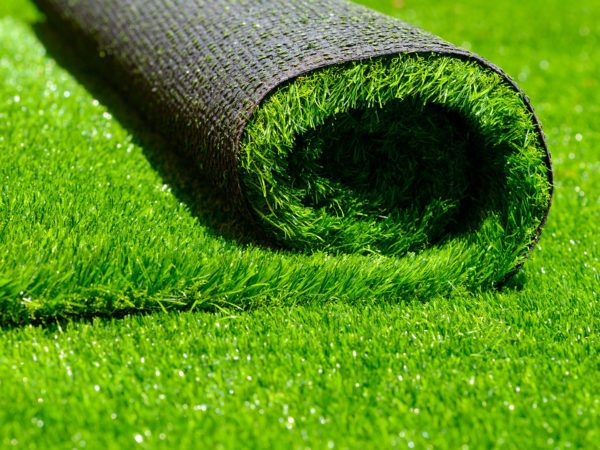
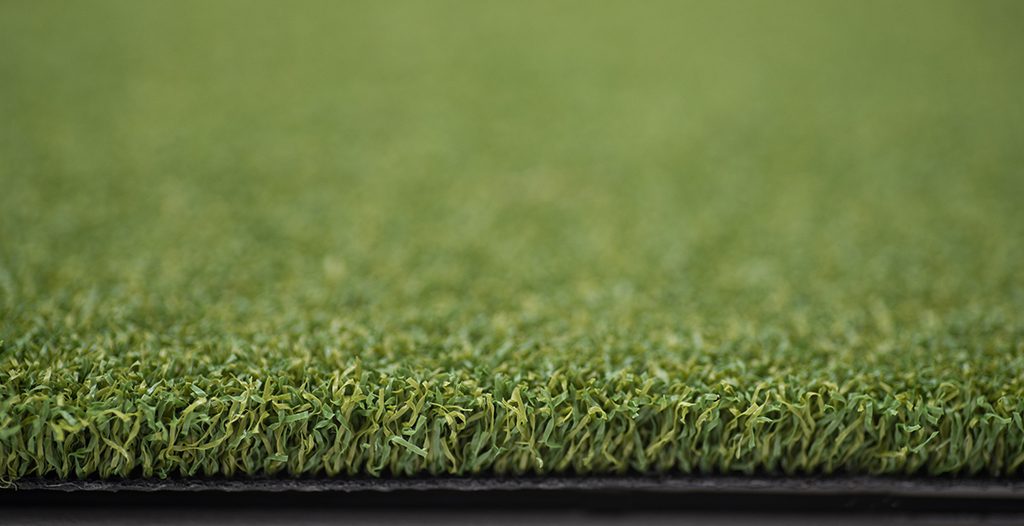
As artificial grass technology continues advancing rapidly, more Constantia Kloof homeowners are discovering substantial benefits. They’re combining quality tennis court surfaces with surrounding synthetic turf landscaping. This integrated design approach creates cohesive outdoor recreational spaces. These spaces maintain consistent appearance throughout all seasons.
The approach eliminates time-consuming maintenance and ongoing expense associated with natural grass areas. Premium artificial grass from LawnKing Gardens provides an ideal complement to tennis court installations. It creates attractive, functional buffer zones around court perimeters that enhance both aesthetics and usability.
Practical Benefits of Synthetic Turf
Installing synthetic turf in areas immediately adjacent to tennis court fencing delivers multiple practical benefits beyond purely aesthetic considerations. Durable artificial grass creates comfortable, slip-resistant surfaces for spectator areas. It prevents mud and dirt from being tracked onto court surfaces during wet weather conditions. This proves particularly valuable for Constantia Kloof properties where Gauteng’s summer thunderstorms can create muddy conditions around traditional grass areas.
High-quality artificial grass maintains pristine appearance regardless of weather conditions. Your tennis court surroundings always look their absolute best without constant maintenance attention. The low-maintenance characteristics of quality artificial turf align perfectly with the minimal-maintenance philosophy that makes modern tennis court fencing materials so appealing.
Professional Installation Services
Once professionally installed, synthetic grass requires no mowing, watering, fertilizing, or pest control treatments. Yet it maintains lush, uniformly green appearance throughout all seasons. This allows families to focus their time and energy on actually enjoying their tennis facilities. They avoid constantly maintaining surrounding landscapes through labor-intensive traditional lawn care routines.
LawnKing Gardens and other professional installation companies serving the Randburg area offer comprehensive services. These encompass both tennis court construction and artificial grass installation. This integrated approach ensures seamless coordination between different elements of your outdoor recreational space. Proper attention goes to drainage systems, transition details, and aesthetic harmony.
Wood and Composite Material Considerations
Natural Wood Fencing Options
While less common for complete tennis court enclosures, wood and composite materials offer interesting possibilities for specific applications. They suit homeowners seeking distinctive aesthetic character that differentiates their properties. Natural wood fencing delivers unmatched warmth and traditional appeal. It creates intimate, organic atmospheres that some Constantia Kloof properties might benefit from stylistically.
Cedar and treated pine options provide reasonable weather resistance when properly maintained. However, they require substantially more ongoing care compared to synthetic alternatives. Quality wood fencing installation requires expert craftsmanship to ensure proper treatment, sealing, and structural support. This protects against weathering, moisture damage, and insect infestation over time.
Maintenance Requirements
Regular maintenance becomes necessary to preserve both appearance and structural integrity throughout the fence’s service life. This includes periodic cleaning, staining, and sealing every few years. For homeowners who genuinely appreciate natural materials and don’t mind committing to periodic maintenance tasks, wood fencing creates distinctive character. It offers organic beauty impossible to replicate with synthetic alternatives regardless of quality or sophistication.
Composite Material Alternatives
Composite materials combining wood fibers with synthetic resins offer compromise solutions. They capture much of wood’s natural aesthetic appeal while delivering significantly better weather resistance. These engineered materials resist rotting, splintering, warping, and insect damage. They maintain natural wood appearance that many homeowners prefer over purely synthetic alternatives.
Composite fencing typically costs more initially than natural wood options but less than premium vinyl or aluminum systems. This positions it as a middle-ground choice for homeowners seeking natural aesthetics without intensive maintenance obligations. When considering wood or composite materials for tennis court fencing applications, homeowners should carefully evaluate their willingness to commit to ongoing maintenance. These materials work particularly well for lower side fencing sections or accent features combined with more utilitarian sections for high back areas.
Customization Features and Aesthetic Enhancements
Color Selection Strategies
Beyond basic material selection, numerous customization options allow Constantia Kloof homeowners to create tennis court fencing that perfectly complements their properties. Color selection plays a crucial role in determining how prominently fencing features in overall landscape design compositions. Dark colors including black, charcoal, or deep hunter green tend to recede visually against most landscape backgrounds.
These create understated boundaries that allow beautifully landscaped surroundings and the tennis court surface itself to dominate attention. Lighter fence colors make the enclosure more prominent visually. However, they can coordinate beautifully with certain architectural styles and existing property color schemes.
Height Variations for Visual Interest
Strategic height variations within fencing design create visual interest while optimizing functionality for different court areas. The increasingly popular approach involves using ten-foot fencing at back ends where balls travel highest during serves and lobs. Side fencing is then reduced to four feet or less. This configuration maintains necessary ball containment where most critical while creating more open, inviting playing environments.
Some homeowners incorporate decorative post caps, finials, or trim elements that add architectural detail. These enhance visual interest without compromising fundamental functionality or ball containment effectiveness.
Gate Design and Placement
Gate design and placement require thoughtful consideration to balance functional requirements with aesthetic integration. Double gates should accommodate maintenance equipment passage while blending seamlessly with surrounding fence sections. Player access gates might feature distinctive designs or contrasting colors that draw attention and provide clear entry points.
Security is maintained through quality locking mechanisms. Gate placement requires careful analysis of traffic patterns, emergency access requirements, and visual sight lines. Working with experienced tennis court installers familiar with Constantia Kloof properties helps ensure your fencing design properly accounts for specific site conditions.
Professional Installation Requirements and Considerations
Why Professional Installation Matters
Proper tennis court fence installation requires specialized expertise and professional-grade equipment. It demands thorough understanding of construction techniques that most homeowners cannot reasonably replicate through do-it-yourself efforts. Professional installers understand critical factors including proper post spacing calculations and concrete footing depth requirements. They know framework tensioning procedures and fabric attachment techniques that ensure long-term stability.
Attempting to save costs through amateur installation frequently results in significant problems. These include sagging fences, loose posts, inadequate ball containment, and premature material failure. These issues ultimately prove more expensive than hiring qualified professionals from the outset.
Site Preparation and Foundation Work
Quality installations begin with careful site preparation including professional surveying. This establishes accurate court dimensions and precise fence layouts that ensure proper alignment and spacing. Terminal posts supporting corners and gates require substantial concrete footings extending well below frost lines. These provide rigid foundations that resist shifting and settling throughout decades of service.
Line posts supporting fence fabric between terminal posts also require proper setting and alignment to maintain structural integrity. Experienced installers use specialized equipment and proven techniques ensuring posts remain perfectly plumb. Proper spacing is maintained throughout the entire installation process.
Framework and Fabric Installation
Framework installation demands precise measurements and skilled metalwork to create tight, rattle-free structures. These must withstand significant wind loading and repeated ball impacts without loosening or deteriorating. Top rails, bottom rails, and tensioning wires must be properly sized and accurately aligned. They’re securely attached to posts using appropriate hardware designed specifically for tennis court applications.
Chain link fabric requires proper stretching and attachment using specialized tools. These create uniform tension across all sections, preventing sagging or loose areas. Amateur installations often feature loose, saggy fabric that creates unprofessional appearance while accelerating material wear.
Comprehensive Service Offerings
LawnKing Gardens and other reputable installation companies serving Constantia Kloof provide comprehensive services. These include thorough site assessment, detailed design consultation, and quality material procurement. Professional installation and warranty coverage protect your investment. These full-service approaches ensure all aspects of your tennis court fencing project receive proper attention from experienced professionals.
While professional installation represents significant financial investment, the resulting quality makes it worthwhile. Longevity and peace of mind benefit virtually all homeowners undertaking residential tennis court projects.
Maintenance Strategies and Long-Term Care
Chain Link Fence Maintenance
Even the most durable tennis court fencing materials require some basic maintenance to ensure optimal appearance. Sustained performance throughout their expected service lives depends on proper care. Chain link fencing benefits from periodic inspection of all connection points. These include fence-to-post attachments, gate hinges, latching mechanisms, and tensioning components.
Identifying and tightening loose connections prevents minor issues from progressing into significant problems. Annual washing using garden hoses or pressure washers removes accumulated dust and pollen. It also removes other environmental debris that can dull appearance over time while potentially harboring moisture.
Vinyl and Aluminum Care
Vinyl and aluminum fencing systems require minimal maintenance beyond occasional washing. This maintains pristine appearance and removes environmental accumulations. These advanced materials resist weathering naturally without requiring protective coatings or refinishing treatments. However, homeowners should still periodically inspect all structural connections and gate hardware.
Promptly addressing any looseness before it progresses to more serious problems is essential. Lubricating hinges and latches with appropriate products ensures smooth operation. This prevents binding, squeaking, or premature wear that can compromise functionality.
Wood Fence Care Requirements
Wood fencing demands substantially more intensive ongoing maintenance to preserve attractive appearance. Regular cleaning followed by application of quality wood preservatives, stains, or sealants protects against moisture penetration. It prevents ultraviolet damage and insect infestation that can compromise structural integrity. Most wood fences require complete refinishing every two to three years.
The exact timing depends on specific exposure conditions, wood species selected, and product quality. While this maintenance represents ongoing time commitments and recurring expenses, properly maintained wood fencing can deliver many years of reliable service.
Vegetation Management
Vegetation management around tennis court perimeters prevents plants from growing against or through fencing. This accelerates deterioration through moisture retention while creating unsightly appearance. Maintaining clear zones around fence bases facilitates inspection, cleaning, and maintenance access. It prevents moisture accumulation that promotes rust development in metal components or rot in wood materials.
For properties with artificial grass installations surrounding tennis courts, minimal vegetation management becomes necessary. Synthetic turf eliminates most weed growth and natural grass encroachment issues that plague traditional landscaping.
Climate Factors Affecting Fencing in Gauteng
UV Exposure Challenges
Constantia Kloof’s location in Gauteng subjects tennis court fencing to specific climate challenges. These significantly influence both material selection and installation approaches. The region’s intense summer sun delivers extraordinarily high ultraviolet exposure levels. These can degrade inferior materials through progressive fading, surface cracking, and eventual structural weakening.
Quality fencing materials specifically engineered for South African conditions incorporate advanced UV stabilizers. Protective coating systems resist solar degradation, maintaining both structural integrity and attractive appearance. Constant exposure to punishing sunlight throughout summer months makes this essential.
Rainfall and Drainage Considerations
Gauteng’s characteristic summer thunderstorms can deliver intense rainfall. This requires proper drainage design around tennis court perimeters and fencing foundations. Professional installations incorporate comprehensive drainage considerations. Water flows efficiently away from fence foundations rather than pooling around posts.
Pooling water can cause erosion of concrete footings or promote rust development in metal components. Proper drainage design also prevents water accumulation on court surfaces themselves. This allows quicker return to play following rain events while protecting your surface investment.
Temperature Variations
While Gauteng experiences relatively mild winters compared to many global regions, occasional frost events can occur during coldest months. Quality fence installations account for minor ground movement associated with freeze-thaw cycles. They use appropriate concrete footing depths and construction methods that accommodate slight seasonal variations.
Material selection should favor options that maintain flexibility and structural integrity across the full range of temperature variations. Aluminum and vinyl materials handle temperature extremes particularly well. They maintain consistent performance characteristics without becoming brittle in cold weather.
Wind Loading Factors
Wind loading represents another significant climate factor affecting tennis court fencing throughout Constantia Kloof. Occasional severe thunderstorms associated with summer weather patterns can produce intense winds. These test fence structural integrity and installation quality. Proper installation techniques including substantial concrete footings ensure fencing withstands wind forces.
Appropriate post sizing and spacing, along with secure framework connections, prevent damage. Open fencing designs like chain link experience less wind loading compared to solid panel systems. Solid panels can act as sails during intense wind events potentially stressing connections and foundations.
Budget Planning and Cost Considerations
Entry-Level Options
Tennis court fencing costs vary dramatically based on numerous factors. These include material selection, height specifications, total linear footage required, and site conditions. Customization features and installation complexity also affect pricing. Basic galvanized chain link installations represent the most economical option available.
Costs are primarily driven by labor and framework materials since chain link fabric itself remains relatively inexpensive. Vinyl-coated chain link adds modest premium over standard galvanized options. It delivers significantly improved aesthetics and extended service life through enhanced weather protection. For homeowners working within tighter budget constraints, vinyl-coated chain link offers excellent value.
Premium Material Investments
Premium vinyl fencing systems typically cost two to three times more than comparable chain link installations. The exact difference depends on specific panel styles, heights, and quality levels selected. While representing significant upfront investment, vinyl fencing’s maintenance-free characteristics often justify higher initial costs. Extended lifespan benefits homeowners planning long-term property ownership.
Similarly, aluminum fencing commands premium pricing reflecting superior durability and elegant aesthetics. Virtually maintenance-free service throughout decades of use adds value. Homeowners should evaluate total cost of ownership including projected maintenance expenses when comparing options.
Factors Affecting Total Cost
Several factors beyond basic material selection influence final project costs substantially. Sites with challenging topography requiring extensive grading or excavation work incur higher labor expenses. Properties with difficult access limiting equipment movement may require additional time and specialized installation techniques. Customization features including decorative elements, specialty gates, or integrated lighting systems add to base installation prices.
Obtaining detailed written quotes from multiple qualified installers helps establish realistic budget expectations. It also helps identify competitive pricing and ensures you receive fair value for your investment.
Phased Development Approach
Many homeowners find value in phased approaches to tennis court development. Starting with functional fencing installations meeting immediate needs allows adding aesthetic enhancements later. Premium features can be incorporated over subsequent years as budget allows. Initial installations might feature standard vinyl-coated chain link fencing adequately serving basic functional requirements.
Future upgrades to premium materials or addition of amenities like surrounding artificial grass landscaping from LawnKing Gardens can be planned for later phases. This pragmatic approach makes tennis court ownership accessible to broader range of homeowners. It allows systematic development toward ideal recreational facilities matching long-term visions.
Making Your Final Fencing Decision
Defining Your Priorities
Selecting optimal tennis court fencing for your Constantia Kloof property requires carefully balancing multiple competing factors. Budget constraints, aesthetic preferences, and maintenance willingness all play roles. Functionality requirements and long-term value considerations matter too. Begin the decision process by clearly defining your priorities among these various considerations.
Recognize that different materials excel in different areas while presenting distinct tradeoffs. Homeowners prioritizing absolute minimum maintenance combined with maximum longevity should favor vinyl or aluminum options. These come with substantially higher initial costs. Those working within tighter budgets while still wanting attractive results find excellent value in vinyl-coated chain link systems.
Consulting with Professionals
Schedule consultations with multiple qualified tennis court installation companies serving Randburg and Constantia Kloof areas. This helps gather comprehensive information and competitive pricing. Reputable installers provide detailed assessments of your specific property conditions. They discuss various material options with honest evaluations of advantages and limitations.
Comprehensive written quotes covering all project aspects should include materials, labor, site preparation, and warranty coverage. Don’t hesitate requesting references from previous clients with similar projects. Examining completed installations firsthand helps evaluate workmanship quality and long-term material performance under actual service conditions.
Integration with Broader Property Goals
Consider how your tennis court fencing decision integrates with broader property improvement goals. Think about overall landscape design vision too. If you’re planning additional landscaping enhancements, discuss coordination possibilities with your tennis court installer. This ensures complementary designs and efficient project scheduling.
The combination of quality tennis court fencing with professional artificial grass installation from LawnKing Gardens creates comprehensive outdoor recreational spaces. These deliver maximum functionality with minimal ongoing maintenance obligations. Taking holistic approaches to property development often yields significantly better overall results.
Long-Term Investment Perspective
Remember that tennis court fencing represents substantial long-term investment in your property’s functionality and aesthetic appeal. It also impacts overall market value. While controlling costs remains important practical consideration, prioritizing quality materials and professional installation delivers superior value. This proves true over decades of use compared to economy options requiring frequent repairs or premature replacement.
Working with established companies like LawnKing Gardens that specialize in sports surfaces ensures expert attention. Related landscaping services guarantee your tennis court project receives proper care throughout all phases. The result is facilities you’ll genuinely enjoy using and maintaining for many years to come.
Ready to create the perfect tennis court for your Constantia Kloof home? Contact LawnKing Gardens today for professional consultation on artificial grass installation and sports surface construction. We offer comprehensive landscaping services throughout Randburg and surrounding areas. Call us at 068 474 7303 or visit our website to schedule your free estimate.
Recent Posts:
- Can You Build a Padel Court on a Sloped Property in Dainfern and Steyn City?
- What Maintenance Do Acrylic Tennis Court Surfaces Require in Johannesburg’s Weather?
- How Do Drainage Systems Work for Tennis and Padel Courts in Parktown North?
- What Lighting Requirements Are Needed for Night Play on Fourways Tennis Courts?
- Do You Need Municipal Approval for Padel Court Construction in Houghton Estate?