Installation Timeline for Artificial Turf Soccer Fields
Schools in Fourways, Sunninghill, and Douglasdale face unique challenges when upgrading their sports facilities. Natural grass fields demand constant maintenance, water, and fertilizer. Heavy foot traffic creates bare patches and muddy conditions. Moreover, water restrictions in Gauteng make maintaining pristine playing surfaces increasingly difficult.
Artificial turf soccer fields offer a practical solution. These surfaces provide year-round playability and require minimal maintenance. However, schools need clear information about the installation process and timelines. This comprehensive guide breaks down every phase of artificial turf installation for educational institutions in the northern suburbs of Johannesburg.
Understanding the Complete Installation Process
The journey from natural grass to artificial turf requires careful planning and professional execution. Schools must understand each phase to coordinate effectively with their academic calendar. The entire process typically takes between three to six weeks, depending on field size and existing conditions.
Professional installation teams complete projects in distinct phases. Each phase builds upon the previous work to create a stable, long-lasting playing surface. Lawn King specializes in artificial grass for school soccer fields throughout the Fourways and Sunninghill areas.
Pre-Installation Site Assessment and Planning Phase
Schools must begin with a thorough site evaluation. This initial phase determines project scope, identifies potential challenges, and establishes realistic timelines. Professional assessors examine soil conditions, drainage patterns, and existing infrastructure.
The assessment typically takes one to two days. Specialists measure the field dimensions, test soil composition, and evaluate current drainage systems. They identify areas requiring extensive ground preparation or specialized solutions.
During this phase, schools discuss their specific requirements. Many institutions need fields marked for multiple sports. Others prioritize specific performance characteristics or safety features. Lawn King’s sports turf specialists work closely with schools to design optimal solutions.
Topographic surveys map the existing field’s contours. These measurements ensure proper grading and water flow. Schools receive detailed proposals outlining costs, timelines, and specifications. This information helps administrators plan around academic schedules and budget cycles.
Ground Preparation and Excavation Requirements
The preparation phase represents the most labor-intensive part of installation. Teams remove existing vegetation, soil, and debris to create a stable foundation. This phase typically requires five to seven days for standard soccer fields.
Excavation depth varies based on existing conditions. Most installations require removing 200 to 300 millimeters of material. Schools with poor drainage need deeper excavation. Areas with unstable soil require additional preparation work.
Heavy machinery clears the field systematically. Excavators remove old turf, roots, and organic matter. Teams haul away unsuitable soil and dispose of it responsibly. The site gradually transforms into a level, clean working area.
Environmental considerations matter during this phase. Contractors protect surrounding areas from dust and debris. They establish clear boundaries to maintain safety throughout the campus. Schools can continue normal operations in adjacent areas.
Professional teams work efficiently to minimize disruption. They schedule noisy operations during school holidays when possible. Communication between contractors and school administrators remains constant throughout this phase.
Base Layer Construction and Compaction
The base layer provides critical structural support for artificial turf. This foundation ensures proper drainage, stability, and playing surface consistency. Construction typically takes four to six days depending on field size.
Teams install carefully selected aggregate materials. Most installations use crushed stone or specialized base materials. These materials create a stable, permeable foundation. The composition must allow water to drain efficiently while supporting the turf system.
Material placement follows precise specifications. Contractors spread base materials in layers, typically 100 to 150 millimeters thick. Each layer undergoes thorough compaction using specialized equipment. Proper compaction prevents settling and surface irregularities.
Laser-guided equipment ensures perfect grading. The base must slope correctly to facilitate water drainage. Most fields slope gradually toward designated drainage points. These measurements must be exact to prevent water accumulation.
Quality control checks occur throughout this phase. Teams verify material compaction, grade accuracy, and surface smoothness. They correct any issues immediately before proceeding. This attention to detail directly impacts the final playing surface quality.
Schools choosing Lawn King’s installation services benefit from experienced teams who understand local soil conditions. The company’s expertise in Fourways and Sunninghill ensures installations meet regional requirements.
Advanced Drainage System Installation
Effective drainage systems distinguish premium installations from basic ones. These systems prevent water accumulation and maintain playability during rainy seasons. Installation typically takes three to five days.
Gauteng experiences intense summer thunderstorms. Drainage systems must handle rapid water influx without pooling. Professional installations include perimeter drains, subsurface drainage pipes, and properly graded surfaces.
Contractors install drainage pipes according to engineered designs. These pipes connect to collection points and discharge water safely. The system works in conjunction with the permeable base layer. Together, they create comprehensive water management.
Modern artificial turf backing materials include pre-punched drainage holes. These perforations allow water to pass through quickly. Combined with proper base construction, fields drain within minutes of heavy rainfall. Schools can resume play almost immediately after storms.
Regular maintenance keeps drainage systems functioning optimally. Schools should inspect drainage outlets periodically. Proper artificial grass maintenance includes ensuring drainage pathways remain clear.
Shock Pad Installation for Player Safety
Many schools opt for shock-absorbing pads beneath their artificial turf. These pads enhance player safety by reducing impact forces. Installation adds two to three days to the timeline.
Shock pads cushion falls and reduce injury risk. They particularly benefit younger players who experience more falls. The pads also improve ball bounce consistency and playing comfort.
Installation teams roll out shock pad materials across the prepared base. They carefully seam sections together for continuous coverage. Proper installation ensures no gaps or overlaps that could affect performance.
Different shock pad materials offer varying performance characteristics. Some provide superior impact absorption, while others focus on ball response. Schools discuss their priorities during the planning phase.
The investment in shock padding pays long-term dividends. Schools report fewer injuries and improved playing experiences. Parents appreciate the enhanced safety features when evaluating athletic programs.
Artificial Turf Laying and Seaming Process
The actual turf installation marks an exciting milestone in the project. This phase typically requires four to six days for full-size soccer fields. Schools begin seeing their new facility take shape.
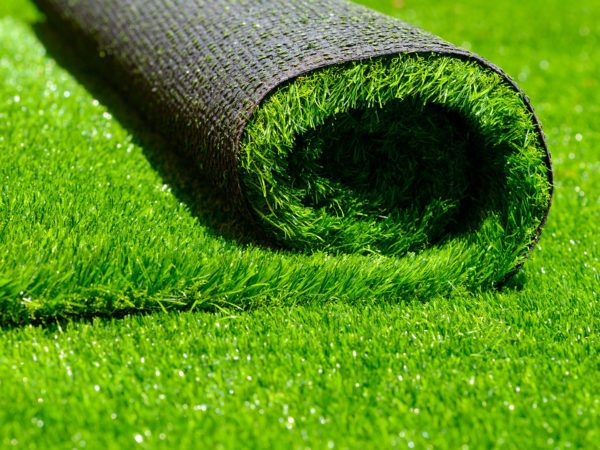
Contractors carefully unroll turf sections across the prepared surface. Modern artificial turf comes in wide rolls that minimize seaming requirements. Teams position each section precisely according to design specifications.
Seaming represents one of the most critical installation aspects. Professional installers join turf sections using specialized adhesives and seaming tape. These joints must be invisible and durable. Poor seaming creates trip hazards and premature failure.
Teams trim excess material and secure perimeter edges. Edge finishing prevents turf lifting and maintains clean boundaries. Proper edge treatment extends the life of the installation significantly.
Throughout installation, teams maintain turf orientation for consistent appearance. The pile direction affects how light reflects off the surface. Consistent orientation creates the professional appearance schools desire.
Lawn King uses premium FIFA-approved synthetic turf materials for educational institutions. These products meet international standards for performance and safety.
Infill Application and Distribution
Infill materials provide crucial support for artificial turf fibers. They also influence playing characteristics, safety, and surface temperature. Application typically takes two to three days.
Most school installations use a combination of silica sand and rubber granules. The sand provides stability and helps turf blades stand upright. Rubber granules add cushioning and improve playing characteristics.
Specialized machinery spreads infill evenly across the field. Teams work methodically to ensure consistent distribution. The process requires multiple passes to achieve proper infill depth.
Proper infill depth affects surface performance significantly. Too little infill causes instability and poor ball response. Excessive infill creates hard surfaces and drainage issues. Professional installers calculate exact requirements based on turf specifications.
Brushing follows infill application. Teams use mechanical brushes to work material into the turf. This process ensures infill settles properly around individual fibers. It also helps turf blades achieve their natural upright position.
Schools learn about infill maintenance during handover. Regular brushing and occasional infill top-ups maintain optimal playing conditions. These simple maintenance tasks extend field life considerably.
Line Marking for Multiple Sports Applications
Many schools require fields marked for various sports. This versatility maximizes facility utilization and investment value. Line marking occurs during the final installation stages.
Contractors install permanent lines during turf laying. These lines integrate seamlessly into the playing surface. Schools specify which sports they need accommodated. Common configurations include soccer, rugby, and field hockey.
Line marking requires precise measurements and careful execution. Teams use specialized turf in contrasting colors for permanent lines. These lines withstand heavy use without fading or deterioration.
Some schools prefer removable line systems for flexibility. These systems allow seasonal sport changes without permanent markings. However, permanent lines offer superior durability and appearance.
Lawn King’s multi-sport court expertise ensures schools receive optimal field layouts. The company designs configurations that balance functionality with visual appeal.
Final Inspections and Quality Assurance
Comprehensive testing ensures the field meets all specifications. This phase typically takes one to two days. Contractors verify every aspect of the installation before handover.
Teams conduct drainage tests using water to simulate rainfall. They observe water flow patterns and drainage speed. Any issues receive immediate attention before final approval.
Surface testing verifies performance characteristics. Contractors check ball bounce, surface firmness, and shock absorption. These measurements confirm the field meets international standards. Schools seeking FIFA certification complete additional testing protocols.
Visual inspections ensure aesthetic quality. Teams examine seams, line marking accuracy, and overall appearance. They correct any imperfections discovered during this review.
Documentation forms an important part of quality assurance. Schools receive comprehensive records detailing materials used, installation procedures, and maintenance requirements. These documents prove valuable for warranty claims and future maintenance.
Minimizing Disruption During School Term
Strategic scheduling minimizes impact on academic activities. Schools coordinate installation with holidays, exam periods, and off-seasons. Careful planning allows projects to proceed without disrupting education.
Most schools schedule major work during extended holidays. The December-January break provides an ideal window for installation. Teams can work uninterrupted, completing projects before the new academic year.
Phased installation offers alternatives for schools requiring continuous facility access. Contractors complete work in sections, maintaining partial field availability. This approach extends timelines but preserves some sports programming.
Clear communication prevents confusion and concerns. Schools inform parents, students, and staff about project timelines. Regular updates keep the school community informed about progress.
Safety barriers protect students from construction areas. Contractors establish secure perimeters around active work zones. These measures ensure school operations continue safely alongside installation activities.
Noise management becomes crucial during term time. Teams schedule loud operations during designated periods. They minimize disruptions to classes and examinations through careful planning.
Post-Installation Settling Period
New artificial turf requires a settling period before regular use. This phase typically lasts two to four weeks. During this time, the field undergoes final preparations and minor adjustments.
Teams perform additional brushing to optimize turf appearance. They verify infill distribution and make any necessary adjustments. This attention to detail ensures optimal playing conditions from day one.
Limited use occurs during the settling period. Light foot traffic helps turf settle naturally. Schools gradually increase usage as the surface stabilizes.
Professional handover occurs after settling completes. Contractors train school staff on proper maintenance procedures. They demonstrate brushing techniques, cleaning methods, and inspection protocols.
Schools receive comprehensive maintenance schedules. These guidelines outline daily, weekly, and seasonal care requirements. Following these recommendations maximizes field life and performance.
Warranty activation requires proper documentation. Schools complete registration processes with manufacturers. These warranties typically cover materials and installation for specified periods.
Long-Term Maintenance Planning
Successful artificial turf installation extends beyond the initial project. Schools must commit to ongoing maintenance for optimal performance. Proper care ensures fields last 10 to 15 years or longer.
Regular brushing maintains turf appearance and playing characteristics. Schools establish weekly brushing schedules during heavy-use periods. This simple task prevents matting and infill compaction.
Periodic cleaning removes debris and organic matter. Leaf blowers handle routine clearing. Pressure washing addresses stubborn stains and accumulated dirt. Professional deep cleaning services handle major maintenance needs.
Infill levels require monitoring throughout the field’s life. High-traffic areas experience infill displacement. Schools schedule periodic top-ups to maintain proper levels. These additions preserve playing quality and safety.
Lawn King offers comprehensive maintenance programs for schools in Fourways and Sunninghill. Professional service ensures fields remain in peak condition throughout their lifespan.
Investment Return and Cost Considerations
Artificial turf represents a significant investment for schools. However, the long-term financial benefits justify the initial cost. Schools recover investments through reduced maintenance expenses and increased facility utilization.
Water savings alone generate substantial returns. Natural grass requires thousands of liters weekly during growing seasons. Artificial turf eliminates irrigation costs entirely. These savings accumulate significantly over the field’s 10 to 15-year lifespan.
Maintenance labor costs decrease dramatically. Schools eliminate mowing, fertilizing, and line repainting. Groundskeeping staff focus on other campus improvements. The reduction in maintenance equipment needs also provides savings.
Increased playing time maximizes facility value. Artificial turf supports year-round use without rest periods. Schools schedule more practices, matches, and community events. This versatility benefits athletic programs and generates potential rental income.
Weather resilience reduces cancellations and schedule disruptions. Teams practice and play regardless of rainfall. Consistent access improves athletic programs and player development.
Environmental Considerations and Sustainability
Modern artificial turf installation considers environmental impact. Schools increasingly prioritize sustainable solutions that align with institutional values. Contemporary installations offer several environmental benefits.
Water conservation represents the most significant environmental advantage. Gauteng faces ongoing water challenges and periodic restrictions. Artificial turf eliminates the need for irrigation, preserving precious water resources for essential uses.
Chemical elimination benefits surrounding ecosystems. Natural grass requires fertilizers and pesticides for optimal condition. These chemicals potentially contaminate groundwater and harm beneficial organisms. Artificial turf removes these environmental concerns entirely.
Recyclability has improved dramatically in recent years. Many modern turf systems incorporate recyclable materials. End-of-life disposal options include repurposing materials or proper recycling. Schools should discuss sustainability options during the planning phase.
Proper drainage system design protects surrounding areas from runoff. Well-engineered installations prevent water accumulation and soil erosion. These systems integrate naturally with campus stormwater management.
Conclusion: Creating World-Class School Sports Facilities
Artificial turf installation transforms school athletic programs. The three to six-week timeline delivers a facility that serves students for over a decade. Schools in Fourways, Sunninghill, and Douglasdale gain year-round playing surfaces that enhance their sports offerings.
Professional installation ensures optimal results and long-term performance. Each phase builds upon previous work to create superior playing surfaces. From ground preparation through final handover, expert execution matters tremendously.
Lawn King brings over 15 years of experience to school projects throughout northern Johannesburg. The company’s expertise in local conditions and commitment to quality makes it the preferred partner for educational institutions. Their comprehensive approach covers everything from initial assessment to ongoing maintenance support.
Schools ready to upgrade their sports facilities should begin planning early. Contact Lawn King at 068 474 7303 or visit lawnking.co.za to schedule a consultation. Their team will assess your specific requirements and develop a customized installation plan that minimizes disruption while maximizing results.
Transform your school’s athletic facilities with professional artificial turf installation. Give your students the world-class playing surfaces they deserve. The investment pays dividends through enhanced programs, reduced maintenance, and increased facility utilization for years to come.
Recent Posts:
- How Do Residential Estates in Dainfern and Blair Atholl Maintain Multi-Sport Artificial Turf Fields?
- Water Savings When Converting Natural Grass to Artificial Turf at Golf Practice Facilities in Woodmead and Midrand
- Why Are Padel Courts in Parkhurst and Melrose Arch Exclusively Using Artificial Turf?
- How Long Does Artificial Turf Last on Tennis Courts in Waterfall Estate and Steyn City?
- What’s the Best Artificial Turf for Soccer Fields in Johannesburg’s Altitude? Insights for Randburg and Roodepoort Complexes