Padel Courts and Artificial Trends
Johannesburg’s trendiest suburbs have discovered a new sporting obsession. Padel courts are popping up across Parkhurst, Melrose Arch, and Rosebank at an unprecedented rate. However, these venues share one crucial characteristic: they exclusively use artificial turf for their playing surfaces. This choice isn’t random. Commercial operators and sports facility managers understand that artificial grass delivers unmatched performance for this fast-growing racquet sport.
The Padel Explosion in Johannesburg’s Premium Suburbs
Padel has transformed from a niche sport into a social phenomenon across Gauteng’s upscale neighborhoods. Melrose Arch’s rooftop facilities and Parkhurst’s boutique sports clubs now feature multiple courts. Rosebank’s commercial developments have joined this trend enthusiastically. Business owners recognize that padel attracts affluent, health-conscious residents who value premium amenities.
The sport combines elements of tennis and squash. Players use solid paddles instead of stringed rackets. The enclosed court features glass walls and mesh fencing that keep the ball in play. This unique setup creates fast-paced, engaging matches that appeal to players of all skill levels. Moreover, the social nature of doubles play makes padel perfect for networking and community building.
Why Artificial Turf Dominates Padel Court Construction
Natural grass simply cannot meet the demanding requirements of modern padel facilities. Synthetic turf offers consistency that natural surfaces never achieve. Every square meter performs identically. Players experience uniform traction and ball response across the entire court. Weather conditions don’t affect gameplay. Rain or shine, the surface maintains its characteristics perfectly.
Professional padel tournaments worldwide use artificial turf exclusively. The International Padel Federation has established strict standards for court surfaces. These specifications prioritize player safety, ball bounce consistency, and durability. Commercial venues in Parkhurst and Melrose Arch follow these international guidelines. They know that meeting professional standards attracts serious players willing to pay premium rates.
Superior Shock Absorption Protects Players
Padel demands explosive movements and sudden directional changes. Players execute rapid lunges, slides, and quick pivots throughout each match. These movements create significant stress on joints and muscles. High-quality artificial sports turf incorporates specialized underlay systems that cushion every step.
The multi-layer construction absorbs impact effectively. A shock pad beneath the turf reduces stress on knees, ankles, and hips. This engineering minimizes injury risk significantly. Players can train longer and compete harder without excessive fatigue. Facility owners value this safety feature tremendously. Fewer injuries mean happier members and reduced liability concerns.
Natural grass offers inconsistent shock absorption. Wet patches become soft and slippery. Dry areas turn hard and unforgiving. These variations increase injury risk substantially. Artificial turf eliminates these concerns entirely. Every match delivers the same protective cushioning that keeps players safe.
Perfect Ball Bounce Consistency Matters
Ball behavior defines padel gameplay fundamentally. The sport requires precise bounces off both the court surface and the surrounding walls. Players must anticipate exactly how the ball will react. Any inconsistency disrupts gameplay and frustrates participants. Premium artificial grass guarantees predictable ball behavior every single time.
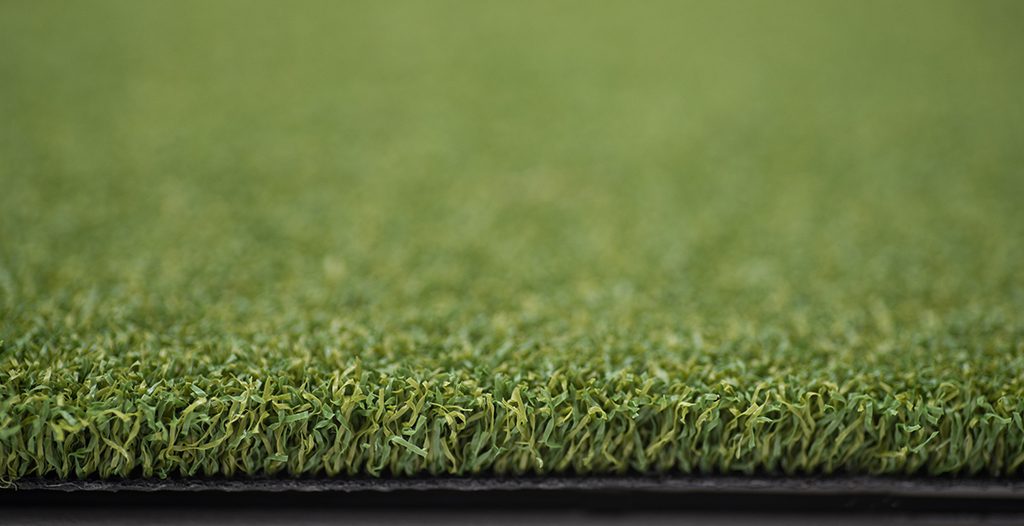
Professional padel turf typically features a pile height between 10mm and 13mm. Manufacturers engineer the fibers for optimal resilience and memory. When the ball impacts the surface, the grass compresses uniformly before returning to its original position. This consistent response enables players to develop muscle memory and refine their techniques effectively.
Natural grass creates unpredictable bounces. Worn patches, uneven growth, and moisture variations all affect ball behavior. A shot that works perfectly in one area might fail completely two meters away. This inconsistency frustrates players and diminishes the competitive experience. Commercial venues cannot afford this variability. They need reliable performance that keeps members satisfied and coming back regularly.
Sand Infill Creates Professional Playing Conditions
Most padel courts use specialized sand infill within the artificial turf system. This component serves multiple critical functions. The sand weighs down the grass fibers and keeps them standing vertically. It increases surface stability during aggressive movements. Players can execute sliding shots confidently without the turf bunching or shifting underneath them.
The sand also moderates ball bounce characteristics. Typically, installers apply approximately 5 kilograms of silica sand per square meter. This infill creates the perfect balance between ball speed and control. Players experience authentic padel conditions that match professional tournament standards. Additionally, the sand reduces friction on the turf fibers themselves. This protection extends the surface’s lifespan significantly.
According to Mondo Sports, a leading padel surface manufacturer, sand-infilled synthetic turf systems provide superior durability through enhanced fiber resistance to wear. The sand particles prevent excessive fiber damage from constant player movement and ball impact.
Installation Advantages for Urban Venues
Johannesburg’s premium suburbs face unique space constraints. Available land comes at a premium price. Commercial developers maximize every square meter efficiently. Rooftop installations have become increasingly popular solutions. Melrose Arch features several elevated padel facilities that capitalize on otherwise unused space. These installations would be impossible with natural grass.
Artificial turf installation adapts to virtually any location. Rooftop venues require lightweight construction materials. Synthetic turf systems weigh significantly less than natural grass installations. They don’t need deep soil beds or extensive drainage infrastructure. Installers can complete projects quickly without heavy equipment or massive structural modifications.
Indoor facilities benefit equally from artificial turf advantages. Parkhurst’s climate-controlled courts operate year-round regardless of weather. Natural grass requires sunlight and cannot survive indoors. Artificial surfaces thrive in these environments perfectly. They need no watering, no mowing, and no fertilization whatsoever.
Rapid Installation Means Faster Revenue
Time equals money in commercial property development. Natural grass requires months of establishment before reaching playable condition. Turf needs time to root properly and achieve uniform coverage. Weather delays can extend this timeline significantly. Commercial operators cannot afford such lengthy waiting periods.
Professional artificial turf installers complete padel court projects in days rather than months. The process involves preparing the base, installing shock padding, laying the turf, and applying sand infill. Once finished, the court becomes immediately playable. No curing period necessary. No waiting for grass to grow. Facility owners start generating revenue right away.
This speed advantage proves particularly valuable during expansion projects. Existing facilities can add courts without disrupting current operations significantly. Construction crews work efficiently in confined urban spaces. The International Padel Federation recognizes artificial turf as the standard surface, which validates this choice for commercial venues.
Maintenance Simplicity for Commercial Operations
Running a successful padel facility requires managing numerous operational challenges. Staffing, scheduling, marketing, and member retention all demand attention. Court maintenance shouldn’t add unnecessary complexity. Natural grass creates constant maintenance headaches that drain time and resources relentlessly. Groundskeepers must mow, water, fertilize, and repair damaged areas continuously.
Artificial turf eliminates these burdensome tasks completely. Daily maintenance consists of brushing the surface to keep fibers upright and redistributing sand infill evenly. Weekly tasks might include removing any debris and checking the court perimeter. These simple procedures require minimal time and no specialized skills. Facility managers can focus on customer service and business growth instead.
Long-Term Cost Efficiency Drives Business Decisions
Initial artificial turf installation costs exceed natural grass establishment. However, savvy business owners analyze total lifecycle expenses carefully. Synthetic sports surfaces deliver superior long-term value through dramatically reduced maintenance expenses.
Natural grass demands continuous inputs. Water bills rise constantly, especially during Johannesburg’s dry winter months. Fertilizers, pesticides, and herbicides add recurring expenses. Equipment maintenance for mowers and irrigation systems creates additional costs. Staff time spent on groundskeeping diverts resources from revenue-generating activities.
Artificial turf requires minimal ongoing investment. No watering means no irrigation infrastructure or water bills. No growing grass means no mowing equipment or fuel costs. The surface maintains its appearance and performance characteristics for 8 to 12 years with proper care. This longevity amortizes the initial investment effectively while delivering consistent quality throughout the entire lifespan.
Weather Independence Maximizes Revenue Potential
Johannesburg experiences dramatic weather variations throughout the year. Summer thunderstorms arrive suddenly and can flood poorly drained grass courts. Winter frosts damage natural grass significantly. These weather impacts force court closures that cost facilities lost revenue and disappointed members.
Artificial turf performs perfectly in all weather conditions. Rain drains through the permeable backing system rapidly. Courts become playable within minutes after storms pass. Cold temperatures don’t affect the surface whatsoever. Snow and ice can be cleared easily without damaging the turf underneath. This reliability ensures maximum court availability year-round.
Commercial operators price their services based on available playing hours. More playable hours translate directly into higher revenue potential. Natural grass courts might lose 20% or more of potential booking time to weather-related closures. Artificial surfaces capture this revenue that competitors sacrifice to unpredictable conditions.
Environmental Considerations in Urban Settings
Water scarcity affects Johannesburg periodically. Municipal restrictions limit outdoor watering during drought periods. Natural grass courts require substantial irrigation to maintain playable conditions. A single court might consume thousands of liters weekly during peak growing season. This water usage becomes problematic during water restrictions and carries significant environmental costs.
Premium artificial grass systems eliminate water consumption entirely. Urban facilities reduce their environmental footprint substantially while ensuring consistent playing conditions. This sustainability angle appeals to environmentally conscious members who value responsible resource management.
Modern artificial turf uses recyclable materials increasingly. Manufacturers design products for eventual recycling at end-of-life. The industry has made significant progress toward circular economy principles. While not perfect, contemporary synthetic surfaces offer substantial environmental advantages over traditional maintenance-intensive natural grass systems.
Color and Aesthetic Customization Options
Padel courts don’t require traditional green surfaces. The International Padel Federation approves multiple colors including blue, green, orange, and purple. Trendy venues in Melrose Arch and Parkhurst use these color options strategically. Bold blue surfaces create modern, distinctive aesthetics that photograph beautifully for social media marketing.
Artificial turf enables perfect color consistency that never fades. Natural grass color varies seasonally and deteriorates in high-traffic areas. Synthetic surfaces maintain their vibrant appearance throughout their entire lifespan. This visual appeal matters tremendously for facilities competing for affluent members who expect premium environments.
Branded court designs become possible with artificial turf. Facility logos, sponsor markings, and custom patterns integrate seamlessly into the surface. These branding opportunities generate additional revenue streams while enhancing venue identity. Natural grass cannot accommodate such customization without constant maintenance struggles.
Future-Proofing Padel Investments
The padel industry continues evolving rapidly. New technologies and materials emerge regularly. Tournament standards become increasingly sophisticated. Commercial venues must adapt quickly to remain competitive. Artificial turf systems offer flexibility that natural grass cannot match.
Upgrading an artificial surface involves replacing the turf while retaining the prepared base and padding layers. This process costs significantly less than complete reconstruction. Facilities can adopt new technologies without devastating capital expenditures. This adaptability protects long-term investment value effectively.
Natural grass conversions require complete removal and reinstallation from scratch. The costs and disruption make such upgrades financially impractical for most commercial operators. Artificial turf’s modular nature provides strategic advantages that forward-thinking facility owners value tremendously.
Choosing the Right Artificial Turf Partner
Not all artificial turf systems deliver equivalent performance. Padel demands specific characteristics that general-purpose synthetic grass cannot provide. Pile height, fiber composition, backing construction, and infill specifications must meet exacting standards. Working with experienced specialists ensures optimal results that satisfy demanding players.
LawnKing Gardens brings extensive experience in sports turf installation across Gauteng. Our team understands padel’s unique requirements thoroughly. We source materials from manufacturers who supply professional tournaments worldwide. Every installation meets or exceeds International Padel Federation standards for safety and performance.
Our comprehensive service begins with site assessment and continues through professional installation and ongoing support. We help facility owners select the optimal turf specification for their specific needs and budget. Whether you’re planning a single court or a multi-court complex, we deliver the expertise necessary for success.
Transform Your Vision Into Reality
Parkhurst, Melrose Arch, and Rosebank have embraced padel enthusiastically. These forward-thinking suburbs understand that premium artificial turf delivers the performance, reliability, and economics that successful commercial facilities demand. The explosive growth of padel shows no signs of slowing. Smart property developers and sports entrepreneurs recognize this opportunity immediately.
Artificial turf has become the definitive choice for padel court construction worldwide. The surface delivers consistent ball bounce, superior shock absorption, weather independence, and minimal maintenance requirements. These advantages translate directly into satisfied members, maximized revenue, and sustainable long-term operations.
Whether you’re developing a rooftop facility in Melrose Arch or adding courts to an existing club in Parkhurst, artificial turf provides the foundation for success. The investment pays dividends through reliable performance, reduced operating costs, and premium aesthetics that attract discerning members.
Contact LawnKing Gardens today to discuss your padel court project. Our team serves Randburg, Midrand, and surrounding areas with professional expertise and quality materials. We’ll help you create a facility that meets international standards while exceeding your members’ expectations. The padel revolution is here. Position your venue at the forefront with the surface that champions choose: premium artificial turf designed specifically for padel excellence.
Recent Posts:
- How Long Does Artificial Turf Last on Tennis Courts in Waterfall Estate and Steyn City?
- What’s the Best Artificial Turf for Soccer Fields in Johannesburg’s Altitude? Insights for Randburg and Roodepoort Complexes
- Is Artificial Turf Safe for Children? What Sandton and Hyde Park Parents Need to Know
- How Artificial Turf for Hockey Fields Transforms Elite School Sports in Rosebank, Parktown, and Houghton
- What’s the ROI on Installing Artificial Turf for Cricket Pitches in Johannesburg’s Northern Suburbs?