Artificial Turf Safety
As a parent in Sandton, Hyde Park, or Illovo, you want the best for your children. Therefore, choosing the right surface for schools and sports academies becomes a critical decision. Many parents wonder whether artificial turf provides a safe environment for their little ones. This comprehensive guide explores everything you need to know about artificial turf safety for children in Johannesburg’s northern suburbs.
Understanding Modern Artificial Turf Technology
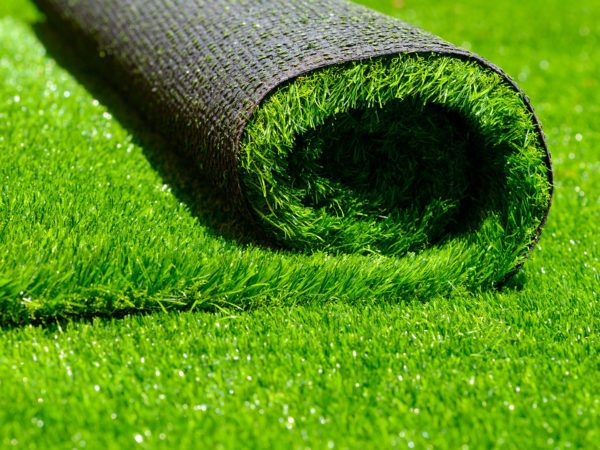
Modern artificial grass has evolved significantly over the past decade. Today’s synthetic turf bears little resemblance to the hard, abrasive surfaces of the past. Manufacturers now design artificial turf specifically with child safety in mind. Advanced materials and innovative construction methods create surfaces that rival or exceed natural grass in many safety aspects.
Parents in affluent areas like Sandton and Hyde Park demand premium quality. Consequently, schools and sports academies in these neighborhoods invest in top-tier artificial turf systems. These installations meet strict international safety standards while providing year-round playability.
Impact Absorption: Protecting Children During Falls
Children fall frequently during play and sports activities. Thus, proper impact absorption becomes essential for any playground or sports surface. Modern artificial grass installations incorporate specialized shock-absorbing underlayers that cushion falls effectively.
The shock pad layer sits beneath the turf surface. This cushioning system reduces impact forces when children fall or collide. Research shows properly installed artificial turf with shock pads can absorb impacts better than many natural grass fields. The American Society for Testing and Materials (ASTM) sets standards that quality artificial turf must meet. These standards ensure adequate fall protection for children.
Schools using playground turf report fewer injuries compared to hard surfaces like concrete or compacted soil. The consistent surface eliminates dangerous holes and uneven areas that cause twisted ankles and falls on natural fields.
How Impact Protection Works
Premium artificial turf systems feature multiple protective layers. The base layer provides drainage and stability. Next comes the shock-absorbing pad that distributes impact forces. Finally, the turf blades and infill material create the playing surface. This multi-layer approach delivers superior safety performance.
Parents should ask schools about their artificial turf specifications. Quality installations always include proper shock absorption systems. Reputable installers conduct impact attenuation testing to verify safety compliance.
Heat Management: Keeping Cool During Johannesburg Summers
Sandton and Hyde Park experience intense summer heat. Accordingly, parents worry about surface temperatures on sunny days. Earlier generations of artificial turf could become uncomfortably hot. However, modern technology addresses this concern effectively.
Advanced artificial grass products now incorporate heat-reduction technologies. These innovations include reflective coatings on turf fibers that deflect sunlight. Additionally, improved infill materials absorb less heat than older rubber alternatives. Some premium systems use specialized cooling infills that actively reduce surface temperature.
Schools installing artificial grass for soccer fields typically choose heat-resistant varieties. These products maintain more comfortable temperatures even during peak summer months. Furthermore, adequate irrigation systems can cool artificial turf when needed. A light spray of water quickly reduces surface temperature.
Practical Heat Management Strategies
Smart scheduling helps manage heat exposure. Schools often adjust outdoor activities to cooler morning or late afternoon periods during summer. Shaded areas surrounding turf fields provide cool-down zones. Hydration stations encourage children to drink water regularly.
Parents should check whether schools have heat management protocols in place. Quality educational institutions monitor surface temperatures and adjust activities accordingly. This proactive approach ensures children remain safe and comfortable.
Non-Toxic Infill Options: Prioritizing Health and Safety
The infill material between artificial grass blades serves multiple purposes. It stabilizes the turf, provides cushioning, and maintains blade position. Therefore, choosing safe infill materials matters tremendously for children’s health.
Modern infill technology offers several child-safe options. Organic infills made from coconut fibers or cork provide excellent performance without chemical concerns. These natural materials decompose safely and pose no health risks. Additionally, coated sand infills deliver stability and drainage without introducing harmful substances.
Many Sandton and Hyde Park schools now specify organic infill systems. These installations meet the stringent safety expectations of discerning parents. Furthermore, organic infills remain cooler than rubber alternatives during summer heat.
Understanding Infill Safety Standards
Quality artificial turf suppliers provide detailed material safety data. Parents can request information about infill composition and safety testing. Reputable manufacturers conduct rigorous testing to ensure their products contain no harmful substances.
The synthetic turf industry has moved away from problematic materials. Modern infills undergo third-party testing for heavy metals, volatile organic compounds, and other potential contaminants. Various pile heights work with different infill systems to create optimal playing conditions.
Installations should specify lead-free, non-toxic infill materials. Schools serving premium areas like Hyde Park and Sandton typically exceed minimum safety standards. Parents have every right to inquire about specific product specifications and safety certifications.
Antimicrobial Treatments: Reducing Disease Transmission
Children share play spaces and sports equipment regularly. Consequently, disease transmission becomes a legitimate concern for parents and schools. Modern artificial turf incorporates antimicrobial technologies that inhibit bacterial and fungal growth.
These treatments create an inhospitable environment for harmful microorganisms. The antimicrobial protection works continuously without requiring additional applications. Unlike natural grass, which can harbor bacteria in moist soil, properly treated artificial turf remains more hygienic.
Schools using 25mm artificial grass for playgrounds benefit from these protective technologies. The synthetic fibers resist moisture absorption, further reducing microbial growth. Additionally, artificial turf dries quickly after rain, preventing the muddy conditions where bacteria thrive.
Maintenance and Hygiene Protocols
Regular cleaning maintains the antimicrobial effectiveness of artificial turf. Schools should implement routine maintenance schedules that include debris removal and periodic deep cleaning. These practices keep play surfaces hygienic for children.
Parents should ask about maintenance procedures at their children’s schools. Quality institutions take turf hygiene seriously and document their cleaning protocols. Well-maintained artificial turf provides a cleaner playing surface than natural grass alternatives.
International Safety Standards for Sports and Play
Artificial turf installations must meet specific safety standards. International organizations establish guidelines that protect children during play and sports activities. Understanding these standards helps parents evaluate turf quality at their children’s schools.
The ASTM International standards provide comprehensive safety benchmarks. These include impact attenuation requirements, surface stability specifications, and material safety guidelines. Quality artificial turf manufacturers design their products to exceed these minimum standards.
European standards add another layer of safety assurance. The EN standards address sports surface performance and safety characteristics. Many premium artificial turf products sold in South Africa comply with both ASTM and European standards.
Sport-Specific Safety Considerations
Different sports require specific surface characteristics. Soccer demands consistent ball roll and secure footing. Cricket practice nets need surfaces that simulate match conditions safely. Schools installing multi-purpose artificial turf must balance various requirements.
Quality suppliers understand these nuances. They recommend appropriate pile heights, infill systems, and shock absorption for specific applications. Sports turf installations in Sandton schools typically feature sport-specific designs that optimize both performance and safety.
Parents should verify that sports facilities meet relevant standards for their children’s activities. Reputable installers provide documentation showing compliance with applicable safety guidelines.
Soccer Field Safety: Meeting the Demands of Young Athletes
Soccer remains extremely popular in Sandton and Hyde Park schools. Consequently, artificial turf soccer fields must deliver exceptional safety performance. Modern synthetic surfaces provide consistent playing conditions that reduce injury risks.
Natural grass fields develop bare patches and uneven areas throughout the season. These conditions increase ankle injuries and falls. In contrast, artificial turf maintains consistent surface quality regardless of usage intensity or weather conditions.
Proper artificial turf installation includes adequate drainage systems. Water never pools on quality synthetic fields. This feature ensures safe play immediately after rain, unlike natural grass that becomes slippery and unstable when wet.
Traction and Injury Prevention
The relationship between surface traction and injury rates matters significantly. Excessive grip can cause knee injuries when cleats catch. Insufficient traction leads to slips and falls. Quality artificial turf strikes the optimal balance.
Modern turf fibers and infill systems provide appropriate traction for soccer activities. Players can change direction confidently without excessive rotational resistance. This balance reduces both acute injuries and overuse conditions.
Schools should choose soccer-specific artificial turf rather than general-purpose products. Specialized surfaces incorporate design features that enhance player safety while maintaining FIFA-quality performance standards.
Cricket Practice Facilities: Safe Training Environments
Cricket academies in Sandton and surrounding areas increasingly use artificial turf for practice nets. These synthetic surfaces provide consistent bounce characteristics essential for skill development. Moreover, they eliminate dangerous irregular bounces common on worn natural pitches.
Artificial cricket turf undergoes specific testing for ball bounce and pace. Quality products replicate natural pitch characteristics while providing superior safety. Young cricketers can practice confidently knowing the surface will perform predictably.
The durability of artificial cricket surfaces ensures consistent conditions throughout the season. Natural practice pitches deteriorate rapidly with heavy use. This degradation creates safety hazards and poor training conditions. Synthetic alternatives maintain their characteristics indefinitely with proper maintenance.
All-Weather Cricket Training
Johannesburg’s summer thunderstorms frequently interrupt cricket practice on natural surfaces. Artificial turf dries quickly and remains playable after rain. This reliability allows schools to maximize training time safely.
Parents appreciate the consistency artificial cricket facilities provide. Young players develop proper techniques on surfaces that behave predictably. This foundation serves them well as they progress to competitive cricket.
General Playground Safety: Beyond Sports Applications
Schools use artificial turf extensively for general playground areas. These installations create safe, clean play environments for children of all ages. The soft, cushioned surface reduces playground injuries compared to traditional hard surfaces.
Artificial grass eliminates many hazards associated with natural playgrounds. Children won’t encounter sharp rocks, sticks, or hidden holes. The consistent surface prevents trips and stumbles. Furthermore, synthetic turf remains mud-free even after heavy rain.
Playground installations typically use longer pile heights for additional cushioning. 30mm artificial grass provides excellent softness for young children. The dense fibers create a comfortable surface for sitting, playing, and inevitable tumbles.
Inclusive Play Environments
Artificial turf creates accessible play areas for children with mobility challenges. The firm, smooth surface accommodates wheelchairs and walking aids easily. This inclusivity ensures all children can participate in outdoor activities safely.
Schools prioritizing accessibility choose artificial turf for these benefits. The level surface eliminates barriers that prevent some children from enjoying outdoor play. This consideration aligns with modern educational values embracing diversity and inclusion.
Pet-Friendly and Child-Safe: Dual Purpose Spaces
Many Sandton homes feature both children’s play areas and pets. Therefore, surface materials must satisfy both requirements simultaneously. Quality artificial turf excels in these dual-purpose applications.
Modern synthetic grass uses materials safe for children and animals. The poly-based fibers match materials found in children’s toys. This composition ensures complete safety during play. Additionally, artificial turf resists bacteria and parasites that thrive in natural grass.
Proper drainage systems prevent urine accumulation and associated odors. Regular rinsing maintains hygiene in pet areas. These features make artificial turf ideal for families with both children and dogs.
Choosing Quality Artificial Turf for Your School or Home
Parents and schools must select appropriate artificial turf products and installers. Quality matters enormously for safety, performance, and longevity. Several factors distinguish premium installations from substandard alternatives.
First, verify that products meet international safety standards. Reputable manufacturers provide testing documentation and safety certifications. This transparency demonstrates commitment to child safety.
Second, choose experienced installers with proven track records. Proper installation directly impacts safety performance. Base preparation, drainage systems, and shock pad installation require expertise. Look for companies serving premium areas like Sandton and Hyde Park consistently.
Third, inquire about maintenance requirements and support. Quality suppliers provide ongoing service and guidance. Artificial grass maintenance ensures long-term safety and performance.
Questions to Ask Before Installation
Parents should investigate thoroughly before approving artificial turf installations. Key questions include:
What safety certifications does the product hold? How does the shock absorption system perform? Which infill material will the installation use? What antimicrobial treatments does the turf incorporate? How will the installer manage drainage? What maintenance schedule does the supplier recommend?
Detailed answers to these questions reveal whether an artificial turf system meets premium safety standards. Schools serving discerning Sandton and Hyde Park families should provide comprehensive responses willingly.
The Environmental and Practical Benefits
Beyond safety considerations, artificial turf offers significant practical advantages. These benefits enhance the overall value proposition for schools and families.
Water conservation matters increasingly in South Africa. Artificial turf requires no irrigation, saving thousands of liters annually. This environmental benefit aligns with sustainability goals many schools embrace.
Maintenance costs decrease dramatically with artificial surfaces. Schools eliminate mowing, fertilizing, and extensive groundskeeping requirements. These savings can redirect resources toward educational programs.
Year-round playability ensures children always have access to quality outdoor spaces. Natural grass fields require rest periods and extensive renovation. Artificial turf maintains consistent quality regardless of usage intensity or season.
Making the Right Choice for Your Children
Artificial turf safety depends on quality products, proper installation, and regular maintenance. Modern synthetic surfaces provide excellent protection for children during sports and play activities. The technology has advanced tremendously, addressing earlier concerns about heat, materials, and performance.
Parents in Sandton, Hyde Park, and Illovo can feel confident about quality artificial turf installations. These surfaces meet or exceed international safety standards while providing superior playability. Schools investing in premium artificial turf demonstrate commitment to student safety and educational excellence.
When evaluating artificial turf options, prioritize safety certifications, material quality, and installer experience. Ask detailed questions about shock absorption, infill materials, and antimicrobial treatments. Verify that products meet relevant international standards for intended applications.
Quality artificial turf creates safe, enjoyable environments where children thrive. The investment in premium synthetic surfaces pays dividends in reduced injuries, consistent playability, and long-term value. Your children deserve nothing less than the best, and modern artificial turf delivers exactly that.
For professional artificial turf consultation and installation in the Sandton, Hyde Park, and Illovo areas, contact experienced specialists who understand local conditions and international safety standards. The right artificial turf system will provide years of safe, enjoyable use for your children and their friends.
Looking for premium artificial grass solutions for your school or home? Contact Lawn King Gardens for expert advice on child-safe artificial turf installations throughout Johannesburg’s northern suburbs.
Recent Posts:
- How Artificial Turf for Hockey Fields Transforms Elite School Sports in Rosebank, Parktown, and Houghton
- What’s the ROI on Installing Artificial Turf for Cricket Pitches in Johannesburg’s Northern Suburbs?
- Why Are Private Schools in Sandton and Bryanston Switching to Artificial Turf for Multi-Sport Facilities?
- What Happens to Your Instant Lawn in Spring? Comparing Dormancy Patterns Across 5 Grass Types
- Low-Maintenance Instant Lawns: Ranking Bermuda, Kikuyu, and LM Berea by Upkeep Requirements